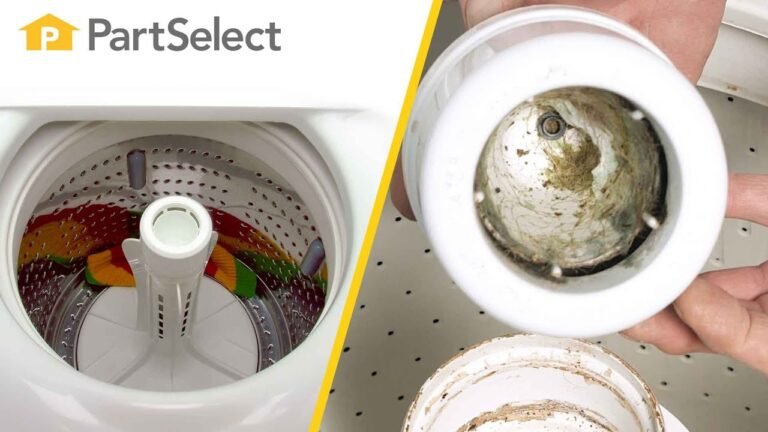
How To Clean Whirlpool Washing Machine Filter Top Loader
How To Clean Whirlpool Washing Machine Filter Top Loader: The No-Nonsense Guide
Look, your Whirlpool top loader isn’t going to clean itself. And that filter? It’s the unsung hero, or the festering villain, depending on whether you clean it. Honestly, most people ignore it. Until their machine smells like a gym sock left in a swamp. Then they panic. And ask how to clean Whirlpool washing machine filter top loader. Let’s get this done. No fluff. Just results.

This ain’t rocket science. But it requires a certain… grit. A willingness to get your hands dirty. Because that filter collects lint, loose change, forgotten tissues, and God knows what else. It’s a cesspool. And if it clogs? Your machine tanks. You get error codes. You get soggy clothes. You get a bill from a repair guy who charges $150 just to look at it.
Why Bother Cleaning the Filter? It’s Not Just About Smells.
The thing is, a clogged filter restricts water flow. This means your washer struggles. It works harder. Wears out faster. Think of your car’s oil filter. Neglect it? Engine seizes. Same damn thing here. A clean filter means:
- Better Draining: Water gets out. Fast.
- Fewer Smells: No more swamp-ass laundry.
- Longer Machine Life: Your Whirlpool isn’t dying prematurely.
- Cleaner Clothes: No gross gunk transferred back onto your delicates.

I remember a few years back. My neighbor, bless her heart, had this ancient Whirlpool. Sounded like a freight train during the spin cycle. Never cleaned the filter. Ever. The day it finally died? Smelled like something had crawled in there and expired. Paid $700 for a new one. Could’ve saved herself $500 with a ten-minute filter clean. Morons.
Locating Your Whirlpool Top Loader’s Filter: Where the Grime Hides
This is where most guides get wishy-washy. They talk about ‘access panels’ and ‘service technicians.’ Bullshit. For most Whirlpool top loaders, the filter – often called a pump filter or debris filter – is right there. You just gotta look.
Most Common Location: The drain hose. Yeah, the hose spitting dirty water out. About halfway down its length, you’ll often find a small cap or a housing. This is where the magic (or horror) happens. You might need a screwdriver or pliers to get to it. It’s usually black plastic. Looks iocent. It’s not.

Alternative Location: Some older or different models might have it accessible from the front panel. You might need to remove a small kick plate. Look for a round cap. Again, usually black plastic. Consult your manual if you’re totally lost. But honestly, 90% of the time, it’s on the drain hose.
Tools You’ll Need (Don’t Overthink It)
You don’t need a NASA clean room. Just some basics:

- Towels: Lots of ‘em. It’s goa get wet.
- Shallow Pan or Bucket: To catch the overflow.
- Screwdriver (Phillips and Flathead): Might need these for panels.
- Pliers (Needle-Nose): For stubborn caps.
- Gloves (Optional but Recommended): Unless you like that swamp smell on your hands.
- Old Toothbrush or Small Brush: For scrubbing the filter.
- Mild Dish Soap or All-Purpose Cleaner: For the actual cleaning.
Step-by-Step: How To Clean Whirlpool Washing Machine Filter Top Loader
Alright, let’s get to it. This is the part where you earn your stripes. Follow these steps. Don’t skip. Don’t improvise. Just do it.
Step 1: Power Down and Unplug. Seriously.
Before you even THINK about touching anything, unplug the machine. Cut the power. You don’t want any electrical surprises. This isn’t a game. Safety first, always. Then, turn off the water supply valves. Hot and cold. Don’t be that guy who floods his basement.
Step 2: Position Your Catch Pan
Get your towels ready. Lay them down around the area where you expect the water to come out. Place your pan or bucket directly underneath where you think the filter is. Get it close. The less mess, the better. Trust me.
Step 3: Access the Filter
Now, find that drain hose filter. If it’s a cap on the hose, use your pliers or gently twist it off. If you need to remove a panel, use your screwdriver. Be firm but don’t force it. You’re not Hulk. Remember that neighbor? She broke a plastic clip. Then complained the new washer was ‘flimsy.’ SMH.
Step 4: Drain the Nasties
Prepare for the flood. Slowly unscrew or unclip the filter housing. Water will come rushing out. Let it drain into your pan. This might take a minute. Be patient. The sheer volume of gunk that comes out is… impressive. And disgusting.
Step 5: Remove and Inspect the Filter
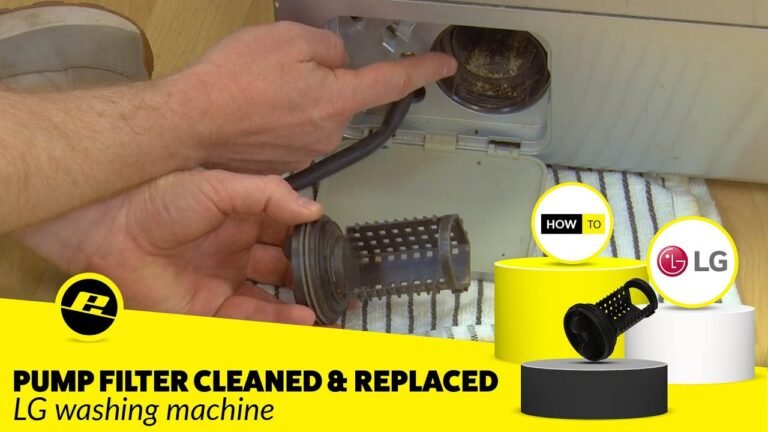
Once the water flow slows to a trickle, you should be able to pull the filter out completely. It’s usually a cylindrical plastic thing. Covered in lint, hair, maybe even a rogue sock. Look at it. Really look. This is what’s been choking your machine.
Step 6: Clean the Filter Guts
Take that filter to a sink. Use your brush and some mild soap. Scrub away all the lint, grime, and general filth. Rinse it thoroughly under ruing water. Make sure there are no obstructions. It should look almost new. Almost.
Step 7: Clean the Filter Housing
Don’t forget the cavity where the filter sat. Use your brush or a damp cloth. Wipe out any residue inside the housing. You want it clean in there too. Make sure no stray bits of lint are left behind. A clean machine starts with clean components.
Step 8: Reassemble Everything
Carefully put the clean filter back into its housing. Screw or clip it back in securely. Make sure it’s tight. You don’t want leaks. If you removed a panel, put it back on. Double-check that everything is secure.
Step 9: Turn Water and Power Back On
Slowly turn the water supply valves back on. Check for leaks around the filter area and hose coections. Once you’re sure there are no drips, plug the machine back in. Restore power.
Step 10: Run a Test Cycle
Start a quick rinse and spin cycle. Watch and listen. Does it sound better? Is the water draining properly? No weird noises? Good. You did it. Pat yourself on the back. You just saved yourself potential headaches and repair bills.
Maintenance Schedule: Don’t Be That Guy Again
How often should you do this? Depends on your usage. But here’s a baseline:
| Usage Frequency | Recommended Cleaning Interval |
|---|---|
| Heavy (Daily or Multiple Loads) | Every 1-2 Months |
| Moderate (3-5 Loads/Week) | Every 3-4 Months |
| Light (1-2 Loads/Week) | Every 6 Months |
Honestly, checking it monthly and cleaning it quarterly is a good general rule. It takes maybe 15 minutes. Fifteen minutes to avoid major hassle. It’s a small price to pay for peace of mind. I know a guy who cleans his filter after every other load. He swears his 12-year-old Whirlpool still runs like new. Can’t argue with that.
Common Problems and Troubleshooting
Sometimes, things go sideways. Here’s what might happen:
Filter Won’t Come Out
Cause: It’s swollen, stuck, or cross-threaded. Fix: Try gentle wiggling with pliers. If it’s really stuck, you might need to consider replacing the drain hose assembly. Don’t force it and break something vital. That’s how you end up with a $500 repair bill.
Leaking After Reassembly
Cause: Filter not tightened properly, or the seal is damaged. Fix: Unplug, turn off water. Remove filter. Check the rubber seal for damage or debris. Clean the threads. Reinstall and tighten firmly. If it still leaks, you might need a new seal or filter.
Machine Still Smells
Cause: Filter clean was too late, or the smell is deeper in the machine. Fix: You might need to run a cleaning cycle with a washing machine cleaner (like Affresh) or a cup of vinegar. Check the door gasket (if applicable) and the detergent dispenser too. The smell might be everywhere.
Error Codes Appearing
Cause: Persistent clog or a related issue. Fix: Double-check the filter was cleaned thoroughly. If codes persist (like F9 E1 on some Whirlpools), you may have a blockage further down the drain line or a pump issue. Consult your manual or a professional.
When to Call a Professional
Look, I’m all for DIY. But know your limits. If you’ve tried cleaning the filter and:
- The problem persists (error codes, poor draining, smells).
- You can’t access or remove the filter without risk of breaking something.
- You suspect a deeper issue with the pump or hoses.
Then it’s time to swallow your pride. Call a qualified appliance repair technician. It’s better than buying a whole new machine because you broke a $5 part. They charge, sure. But they know their stuff. Unlike your buddy Gary who ‘fixed’ his own washing machine with duct tape and prayers.
Frequently Asked Questions
How to deep clean a whirlpool top load washer?
To deep clean your Whirlpool top loader, start by unplugging it and cleaning the drain pump filter as detailed above. Then, run an empty hot water cycle with a washing machine cleaner tablet or 2 cups of white vinegar. Wipe down the exterior, the lid, and the detergent dispenser. For stubborn smells or buildup, you might need to clean the agitator or impeller area, though this is less common on modern machines. Check the drain hose for blockages too.
How often should I clean my washing machine filter?
Ideally, you should check your Whirlpool top loader’s filter monthly and clean it every 3-6 months, depending on usage. Heavy use requires more frequent cleaning, perhaps every 1-2 months. Light use might allow for cleaning every 6 months. Regular checks prevent major clogs and extend the life of your appliance.
What happens if I don’t clean my washing machine filter?
If you don’t clean your washing machine filter, you risk several issues. Lint and debris will accumulate, restricting water flow. This leads to poor draining, longer cycle times, and reduced cleaning efficiency. Eventually, it can cause the machine to smell musty, wear out the pump faster, and potentially lead to error codes or complete machine failure. It’s basically asking for trouble.
Can I use bleach to clean my washing machine filter?
While bleach can clean, it’s generally not recommended for the washing machine filter itself. Mild dish soap or a dedicated washing machine cleaner is safer and more effective for removing lint and grime. Bleach can be harsh and may degrade the plastic components over time. For the drum, a hot cycle with bleach is sometimes used, but focus on soap for the filter.
Where is the drain pump filter on a Whirlpool Cabrio top loader?
On most Whirlpool Cabrio top-load models, the drain pump filter is typically located at the end of the drain hose. You’ll see a small cap or housing on the hose itself. You may need to pull the machine away from the wall to access it easily. Some very specific models might differ, but the drain hose is the most common spot. Consult your specific model’s manual if you’re unsure.
Watch: How to Deep clean an Whirlpool Top Loader