How To Clean Whirlpool Washing Machine
Forget About Your Stinky Washer. Seriously.
Look, nobody likes doing chores. Least of all, cleaning a damn washing machine. It’s the thing that’s supposed to get your clothes clean, right? But if you don’t deal with it, that Whirlpool washer turns into a festering pit of mildew and regret. A real biohazard. Honestly, I’ve seen dishwashers cleaner than some of these gross-out washers.
This isn’t rocket science, but it ain’t exactly a spa day either. You gotta get in there. Dig deep. Get rid of the funk. We’re talking about how to clean Whirlpool washing machine units, front-loaders, top-loaders, all of ’em. Because the alternative is wearing clothes that smell like a gym sock left in a swamp. No thanks.

Why Bother? The Gross Truth.
The thing is, modern washing machines, especially front-loaders, trap moisture. They’re designed to be water-efficient. Great for your water bill, terrible for your sanity when they start smelling like a wet dog.
Residue from detergent, fabric softener, dirt, lint – it all builds up. Then you get mold and mildew. It’s not pretty. And guess what? That funk can transfer to your clean laundry. Suddenly, your “clean” clothes smell worse than before you washed them. Humiliating.

Front-Loaders: The Special Case of Stank.
If you’ve got a front-loader, you already know. That rubber door seal? It’s a mold magnet. Seriously, I once found a family of dust buies living in one. Gross doesn’t even begin to cover it. They get slimy. They get black. They smell.
And the detergent drawer? Forget about it. If you don’t pull it out and scrub it, it’s a sludge factory. Calcium deposits, old soap scum, probably some lost coins from 2018. It’s a whole ecosystem in there.
Top-Loaders: Not Off The Hook.
Don’t think you’re safe with a top-loader. They get buildup too. Around the agitator (if you have one), under the lid, in the dispenser drawers. Lint traps can get clogged. And if you’re using too much HE detergent in a non-HE machine? You’re asking for trouble. Suds galore, trapped moisture. You know the drill.
Your Attack Plan: Step-by-Step Aihilation.
Alright, enough whining. Let’s get this done. We’re goa hit this thing with a multi-pronged attack. Grab your supplies. You’ll need white vinegar, baking soda, maybe some bleach (use with caution!), an old toothbrush, a microfiber cloth, and maybe some gloves if you’re squeamish.
Step 1: The Drum Deep Clean.
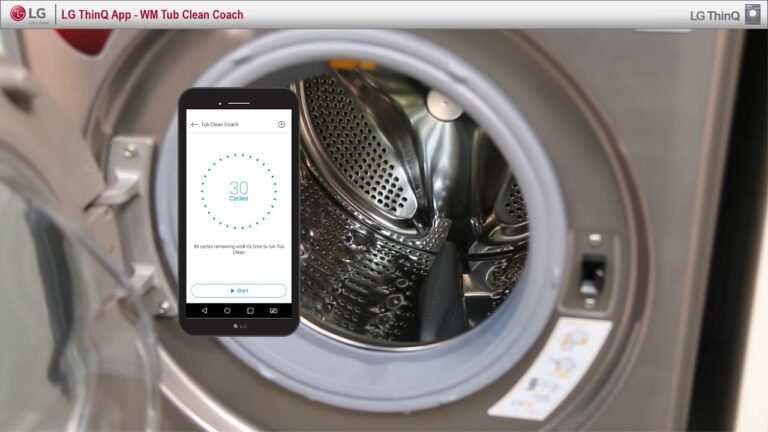
This is where the real magic happens. For most Whirlpool machines, you can use a dedicated ‘Clean Washer’ cycle if it has one. If not, we improvise.
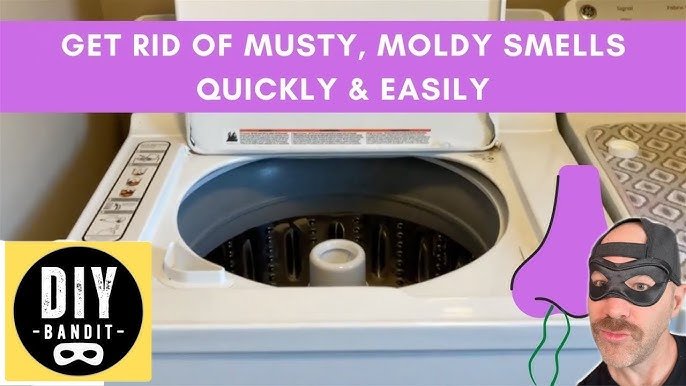
- Top-Loaders: Fill the drum with hot water on the largest load setting. Add 4 cups of white vinegar directly into the drum. Let it agitate for a few minutes, then stop the cycle. Let it sit for at least an hour. Then, restart the cycle and let it run through completely.
- Front-Loaders: Pour 2 cups of white vinegar directly into the detergent dispenser. Run the machine on the hottest, longest cycle available. A ‘Clean Washer’ cycle is ideal if you have it. If not, just crank it up.
The vinegar helps break down soap scum and mineral deposits. It also kills some of that nasty odor-causing bacteria. It’s not glamorous, but it works.
Step 2: The Baking Soda Blitz.
After the vinegar soak, it’s time for baking soda. It’s an abrasive and a deodorizer. This is where you scrub away the stubborn gunk.
- Top-Loaders: Once the vinegar cycle is done, sprinkle 1 cup of baking soda directly into the drum. Run another hot water cycle, again on the largest setting.
- Front-Loaders: Sprinkle 1/2 cup of baking soda directly into the drum. Run another hot water, longest cycle.
The baking soda will help scrub the drum and neutralize any lingering smells. You might notice some grime coming out. That’s good. It means it’s working.
Step 3: Tackle That Pesky Door Seal (Front-Loaders Only).
This is crucial. Don’t skip this. You need to get into that rubber gasket.
- Mix a solution of equal parts water and white vinegar (or a mild bleach solution: 1 part bleach to 10 parts water – USE WITH EXTREME CAUTION AND VENTILATION. NEVER MIX BLEACH AND VINEGAR. I REPEAT: NEVER.)
- Dip a microfiber cloth or an old toothbrush into the solution.
- Wipe down the entire seal, pulling it back gently to get into all the nooks and craies. You’ll be amazed – and disgusted – by what comes out.
- Wipe dry with a clean cloth. Leave the door ajar after use to let it dry out. Seriously, just leave it open.
Step 4: The Detergent Drawer Deep Dive.
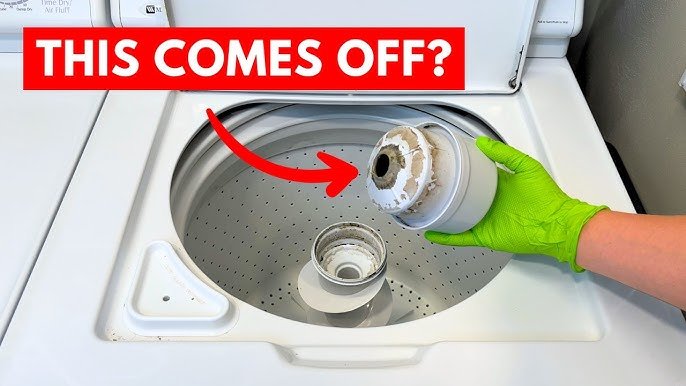
This thing is a breeding ground. Pull it out. Yes, you can usually pull it out. Check your manual if you’re unsure. Most have little clips or release buttons.
- Once removed, take it to the sink. Soak it in hot, soapy water for about 30 minutes.
- Use an old toothbrush to scrub away any hardened residue, mold, or mildew. Pay attention to the little compartments for bleach and fabric softener.
- Rinse it thoroughly and dry it completely before putting it back. Don’t just shove it back in wet.
- While it’s out, clean the cavity where the drawer sits too. Use a damp cloth and that toothbrush. You’ll find gunk in there too.
Step 5: Don’t Forget the Exterior and Lid/Door.
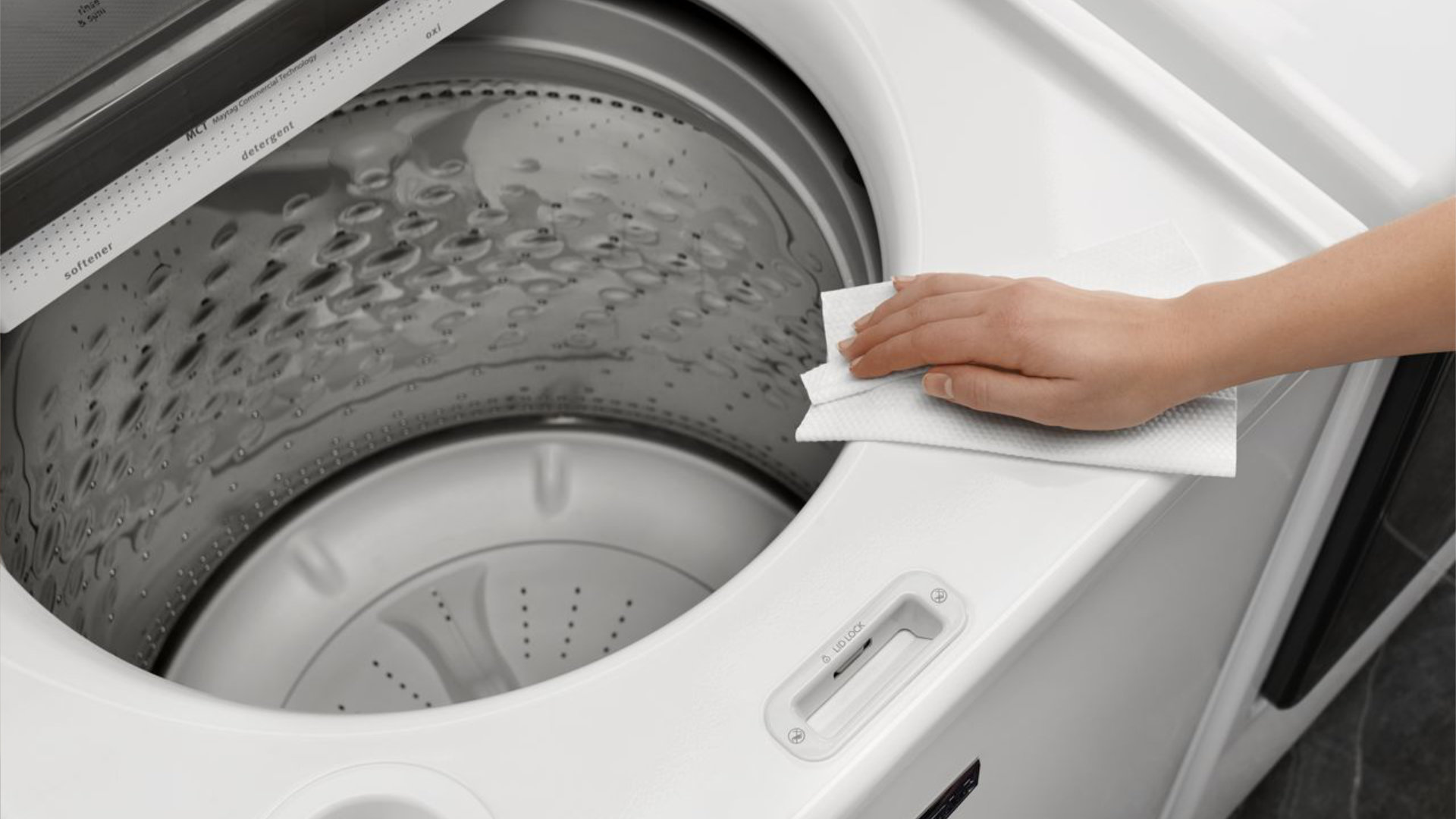
Wipe down the outside of the machine. Use a damp cloth with a little all-purpose cleaner. Get the control panel. Don’t spray directly onto electronics, obviously. Use a damp cloth.
For top-loaders, wipe down the underside of the lid. For front-loaders, give the exterior of the door glass a good clean. You want it to look presentable, not just smell okay.
Step 6: The Lint Filter/Pump Filter (If Applicable).
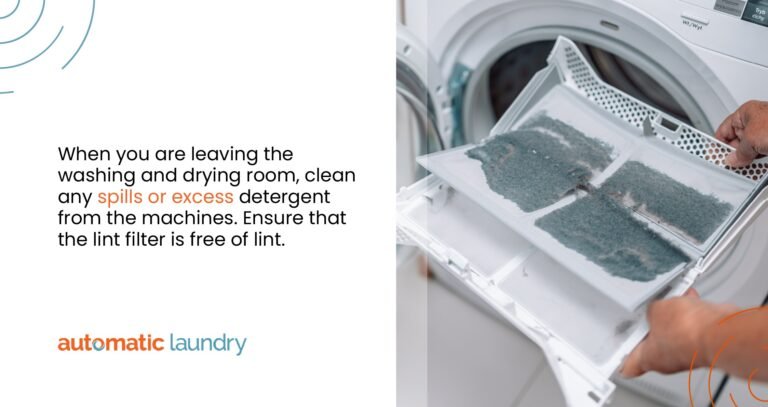
Some machines, especially front-loaders, have a little trap door near the bottom front. This is your pump filter. It catches lint, coins, buttons, and all sorts of junk.
- Place a shallow pan or some towels underneath. Water will come out.
- Carefully open the filter cover. Slowly unscrew the filter. Let the water drain into the pan.
- Pull out the filter. Remove any debris. Rinse it under ruing water.
- Wipe out the filter housing. Screw the filter back in securely. Close the cover.
Do this every few months. It prevents clogs and keeps the drain pump happy. Check your manual for specifics on your model.
Maintenance: Keeping the Stank Away.
Cleaning your Whirlpool washing machine isn’t a one-and-done deal. You gotta do this regularly. How often? Honestly, it depends on how much you wash and what kind of machine you have.
Monthly Maintenance Checklist:
- Run a ‘Clean Washer’ Cycle: If your machine has one, use it! Use a washing machine cleaner tablet or a cup of vinegar or bleach (again, never mix). Follow your machine’s instructions.
- Wipe the Door Seal: Especially for front-loaders. Spend 2 minutes wiping down that rubber gasket. It makes a huge difference.
- Leave the Door Ajar: After every wash, just leave the door open a crack. Air circulation is your best friend against mildew. For top-loaders, leave the lid up.
Quarterly or Bi-Aual Deep Cleans:
- Perform the full drum cleaning process outlined above (vinegar/baking soda).
- Clean out the detergent dispenser thoroughly.
- Check and clean the pump filter.
Troubleshooting Common Whirlpool Washer Issues.
Sometimes, even after cleaning, your Whirlpool washer acts up. Here’s the lowdown on common complaints and how cleaning might (or might not) help.
| Problem | Possible Cause(s) | Solution (Related to Cleaning) |
|---|---|---|
| Lingering Odor | Mold/mildew buildup, detergent residue, clogged filter. | Perform the full deep clean (vinegar/baking soda). Clean door seal/lid gasket. Clean pump filter. Ensure proper detergent use. Leave door/lid ajar. |
| Clothes Not Getting Clean | Clogged dispenser, dirty drum, overloaded machine. | Clean dispenser drawer. Run a deep clean cycle. Ensure proper loading. Check pump filter for obstructions. |
| Excessive Suds | Using too much detergent, wrong type of detergent (non-HE in HE machine). | Use the correct amount of HE detergent. Run a rinse cycle or a clean washer cycle with vinegar to remove residue. Check pump filter. |
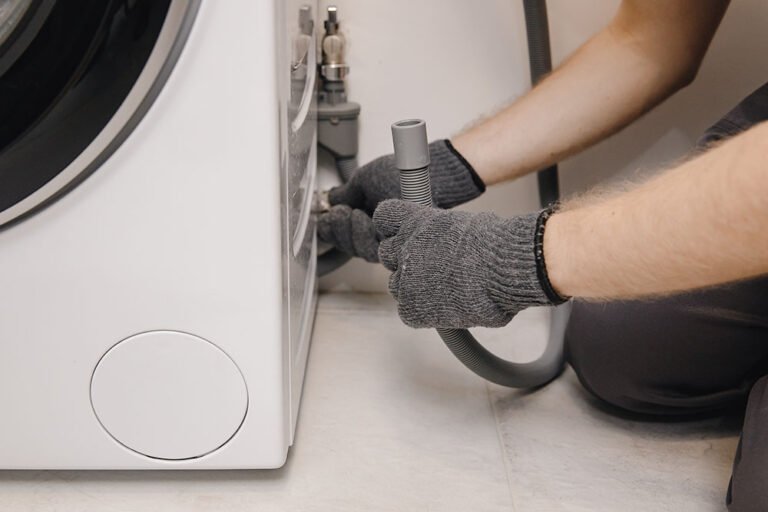
| Drainage Issues | Clogged pump filter, kinked drain hose. | Clean the pump filter thoroughly. Ensure the drain hose isn’t crushed or kinked. |
The thing is, a clean machine is a happy machine. And happy machines don’t smell like a locker room. They don’t ruin your clothes. They just do their job. You do your job, I’ll do mine. So, clean your damn washer.
Frequently Asked Questions
How to do self clean on a whirlpool washer?
Many Whirlpool washing machines have a dedicated ‘Clean Washer’ or ‘Self-Clean’ cycle. If yours does, simply add a washing machine cleaner tablet (like Affresh) or 2 cups of white vinegar or 1/2 cup of bleach (never mix bleach and vinegar!) directly into the drum or the detergent dispenser, then run the designated cycle according to your owner’s manual. If your model doesn’t have a specific self-clean cycle, you can replicate it by ruing a hot water, longest cycle with the vinegar or bleach as described above.
How often should I clean my Whirlpool washing machine?
For optimal performance and to prevent odors, aim for a monthly ‘Clean Washer’ cycle or a vinegar/baking soda treatment. Additionally, wipe down the door seal (especially on front-loaders) weekly and leave the door or lid ajar after each use to promote air circulation and drying. A quick wipe of the dispenser drawer monthly is also a good habit.
What is the best cleaner for a Whirlpool washing machine?
Commercial washing machine cleaner tablets, like Affresh, are specifically formulated and very effective. White vinegar is a natural, powerful cleaner for breaking down mineral deposits and soap scum, and it’s a great deodorizer. Baking soda is a mild abrasive and excellent for scrubbing and neutralizing odors. For moldy door seals on front-loaders, a diluted bleach solution (1 part bleach to 10 parts water) can be effective, but use with caution and ensure good ventilation, and NEVER mix bleach with vinegar.
Why does my Whirlpool washing machine smell bad even after cleaning?
If your Whirlpool washing machine still smells bad after cleaning, it could be that the cleaning wasn’t thorough enough, or there’s a persistent issue. Double-check that you’ve cleaned the door seal completely (pulling it back to get inside), the detergent dispenser drawer and its housing, and the pump filter. Ensure you’re leaving the door or lid ajar between uses. Overloading the machine can also trap moisture and odors. In some rare cases, a persistent smell might indicate a deeper mechanical issue, but usually, a thorough cleaning addresses the problem.
Can I use bleach to clean my Whirlpool washing machine?
Yes, you can use bleach, but with extreme caution. Add about 1/2 cup of liquid chlorine bleach to the bleach dispenser or directly into the drum (only during the wash cycle, not soak) for a ‘Clean Washer’ cycle or a hot, long cycle. CRITICAL: NEVER MIX BLEACH WITH VINEGAR OR AMMONIA. Doing so creates toxic fumes. If you’ve used vinegar, run a plain water rinse cycle before using bleach. Bleach is effective at killing mold and mildew, but vinegar is often preferred for general buildup and odor removal as it’s less harsh and doesn’t pose the same risk of toxic fumes when combined with other cleaners.
Watch: how to clean the washer drum on a Whirlpool washing machine.