How To Clean Whirlpool Duet Washing Machine
Forget That Stank. How To Clean Whirlpool Duet Washing Machine Like a Boss.
Look, your Whirlpool Duet washer probably smells. Don’t lie to yourself. It’s not rocket science. Front-loaders? They’re notorious stink-factories. Mold, mildew, that faint whiff of gym sock clinging to your ‘clean’ clothes. Ugh. Honestly, if you’re asking how to clean Whirlpool Duet washing machine, you’re already behind. We’re goa fix that. Now.
This ain’t your grandma’s top-loader that you just slosh some bleach in. Duets? They’re high-tech. Delicate. And they get dirty. Real dirty. The thing is, ignoring this means ruined clothes and a guest bathroom that smells like a petri dish. We’ve all been there. I remember one time, back in ’18, my buddy’s Duet started puking this black slime. Looked like something from a horror flick. Clothes? Straight to the rag bin.
We’re diving deep. No fluff. Just the dirty truth and how to scrub it out. Let’s get this done. For real.
The Guts: Why Your Duet is a Stink Bomb Waiting to Happen
Front-loaders trap moisture. That’s the core issue. The rubber door seal? Prime real estate for gunk. Then there’s the detergent buildup. You use too much, you get residue. It festers. The low-water wash cycles, great for saving cash, they don’t always rinse everything away. Over time, it all adds up. Static cling for your nose. Gross.
Think about it. A dark, damp drum. Perfect breeding ground for mold and bacteria. They love it in there. And guess what? They love transferring onto your delicates. Then you’re wondering why your new shirt feels stiff and smells… funky. This isn’t a cosmetic issue. It’s a hygiene crisis.
It Starts with the Seal
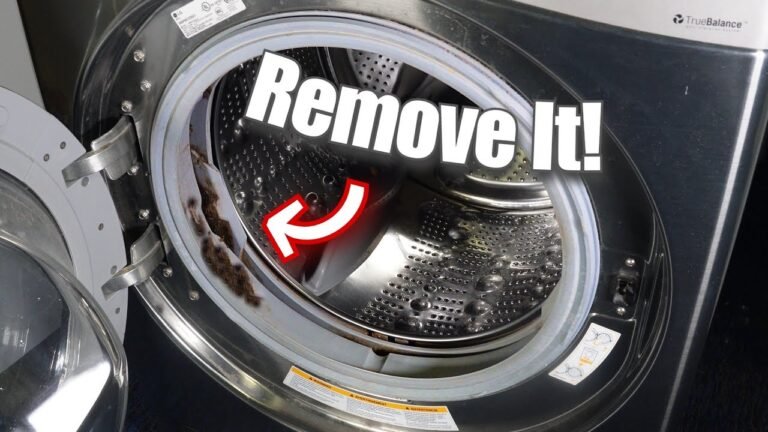
That rubber gasket around the door. It’s the main culprit. Little bits of lint, hair, maybe even a rogue sock or two. They get trapped. Then, moisture hits. Boom. Mold city. You gotta check this religiously. Like, every. Single. Wash. Don’t just glance. Stick your finger in there. Feel that slime? Yeah. That’s the problem.
I remember finding a whole dime baggie of what looked like black snot in my ex’s Duet seal once. Shady. But also, proof positive this thing needs constant attention. You gotta pull it back. Get into all those folds. A damp cloth, maybe a little vinegar. Wipe it down. Don’t be shy. Get in there.
Detergent: Less is More, You Philistine
Using too much HE detergent? Rookie mistake. It doesn’t all dissolve. It leaves a film. This film is food for the stink monsters. The manual probably says a capful. Stick to that. Maybe even less. To be fair, some detergents are just junk. High-efficiency means high-efficiency cleaning agents, not high-volume dispensing.
And forget those fancy pods if you’re prone to buildup. They seem convenient, but they can leave a lot behind. Especially if you’re ruing cold washes. The pod doesn’t always fully dissolve. You end up with a sticky, goo-filled drum. Nice.
The Filter: A Hidden Chamber of Horrors
Most Duets have a pump filter. Usually at the bottom, behind a little panel. This thing catches coins, buttons, lint, hair… all the detritus of laundry life. If it’s clogged? Your machine won’t drain right. And it’ll smell. Probably worse than the door seal. I once pulled out a full-sized Barbie doll shoe from one. Don’t ask.
Cleaning this isn’t hard. You need towels. Lots of towels. Water will spill. It’s goa be gross. Unscrew the filter. Brace yourself. Pull it out. Clean it under the tap. Get all that hair and gunk off. Pop it back in. Simple. But crucial. Don’t skip this. Ever.

The Deep Clean: Operation Stink-Be-Gone
Alright, enough talk. Let’s get cleaning. You’ll need a few things:
- White Vinegar (cheap stuff is fine)
- Baking Soda
- Bleach (optional, use with caution)
- Microfiber cloths
- An old toothbrush
- A bowl or bucket
Step 1: The Seal Aihilation
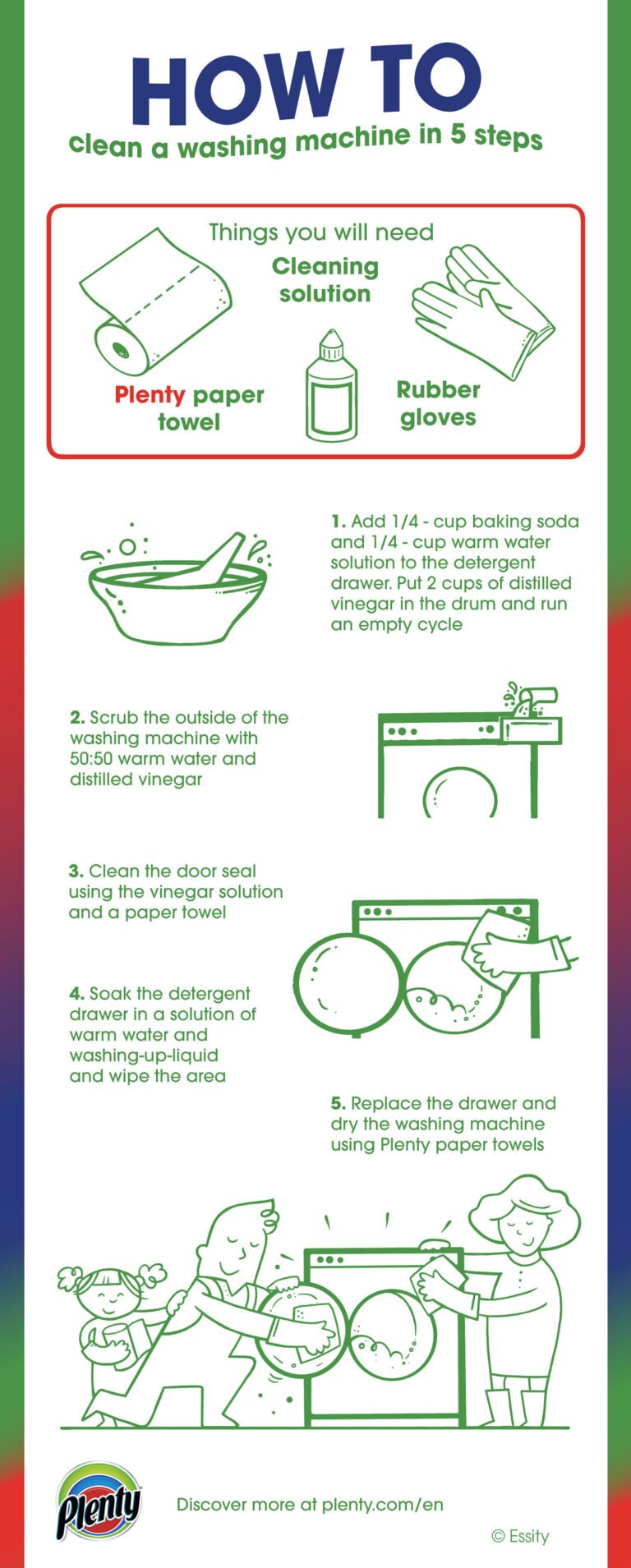
Spray undiluted white vinegar directly onto a microfiber cloth. Wipe down the entire rubber door seal. Get into every crease. Use the toothbrush for stubborn spots. Let it sit for a few minutes. Then, wipe it clean with a fresh, damp cloth. Rinse and repeat if necessary. You want it squeaky clean. No gray gunk allowed.
Step 2: The Drum De-Gunking
Pour 2 cups of white vinegar directly into the detergent dispenser. Dump about half a cup of baking soda directly into the empty drum. Close the door. Run the machine on its hottest, longest cycle. A ‘Sanitize’ or ‘Clean Washer’ cycle if you have one. If not, just crank it up. Let it do its thing. This loosens all that grime.
Watch: How to Clean a Whirlpool Duet Steam Washing Machine Filter
Step 3: The Bleach Bomb (Use Wisely!)
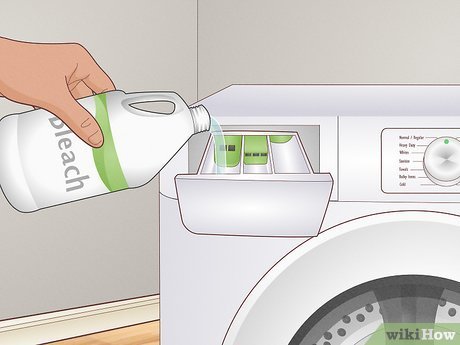
Okay, here’s where bleach comes in. Only if you have persistent mold or really bad smells. Never mix bleach and vinegar! Seriously. You’ll gas yourself out. If you’re using bleach, after the vinegar/baking soda cycle, run another hot, long cycle with just 1 cup of bleach added to the drum. This kills what the vinegar missed. If you don’t have mold, skip this. Honestly, vinegar and baking soda are usually enough.
Step 4: The Filter Flush
Remember that filter? Time to clean it. Place towels on the floor. Open the small access panel at the bottom front of your machine. Slowly unscrew the drain filter. Let any residual water drain onto the towels. Pull out the filter. Rinse it thoroughly under ruing water. Use that toothbrush again if needed. Screw it back in tight. Close the panel.
Step 5: The Final Wipe Down
Once the cycles are done, open the door and the detergent drawer. Wipe down the inside of the drum with a clean, damp cloth. Pay attention to the paddles. Wipe out the detergent dispenser thoroughly. Leave the door and dispenser drawer slightly ajar after every use. This is key to preventing future stink.
Maintenance: Keep the Stink Away, Fool!
Cleaning isn’t a one-and-done deal. You gotta keep up with it. Or you’ll be back here next month, asking the same damn questions. Prevention is better than a stinky cure.

Regular Seal Wiping
After every wash, give that rubber seal a quick wipe. Seriously. Takes 10 seconds. Grab a dry cloth. Wipe away any visible moisture or lint. It makes a huge difference. This is the most important habit.
Watch: How to Clean a Washer & Fight Mold Whirlpool Duet Steam
Leave the Door Ajar
This is non-negotiable. Always leave the door slightly open between washes. Always. It allows air to circulate. Dries out the drum. Prevents that humid, mildewy environment. If you have kids or pets, maybe rig up something so they don’t get stuck, but for crying out loud, leave it open. I’ve seen machines turn into literal swamp coolers because the door was shut tight 24/7.
Run the Clean Cycle
Use that ‘Clean Washer’ or ‘Sanitize’ cycle at least once a month. Use vinegar or a dedicated washing machine cleaner. This keeps things fresh. If you wash a lot of heavy-duty stuff, maybe do it twice a month. Don’t be lazy. Your nose will thank you.
Use the Right Detergent (and Amount!)
HE detergent only. And measure it. Use the recommended amount. Not a drop more. If you’re seeing suds after a rinse cycle, you’re using too much. Switch brands if you have to. Some are just too sudsy.
Occasional Hot Wash
Even if you usually wash in cold, throw in a hot water wash once in a while. It helps dissolve any lingering detergent or fabric softener buildup. Plus, it’s generally better for killing germs.
Troubleshooting Common Duet Woes
Sometimes, even with regular cleaning, you hit a snag. Here’s what to do.
Stubborn Odors
If the vinegar and baking soda aren’t cutting it, try a commercial washing machine cleaner. Follow the product instructions precisely. Brands like Affresh or Tide Washing Machine Cleaner are pretty effective. Give it a good run. Sometimes you need something stronger than DIY.
Black Spots (Mold!)
If you’re seeing actual black spots, especially in the seal or around the dispenser, you need to be aggressive. That’s mold. Use a diluted bleach solution (1 part bleach to 10 parts water) on a cloth. Apply directly to the spots. Let it sit for 10-15 minutes. Then scrub with the toothbrush. Rinse thoroughly. You might need to run a bleach cycle afterward (remember: no vinegar first!).
Watch: How To Clean Your Front Load Washing Machine
Drainage Issues
If your machine isn’t draining properly, check that pump filter again. It’s usually the culprit. Make sure it’s completely clear of debris. If it’s clean and still draining slow, you might have a blockage further down the drain hose or in your home’s plumbing. That’s a bigger job, maybe call a plumber.
Comparing Cleaning Methods: A Quick Look
Let’s break down the common ways people try to clean their machines. Not all are created equal.
| Method | Pros | Cons | Effectiveness (Score 1-5) |
|---|---|---|---|
| Vinegar & Baking Soda | Cheap, natural, readily available | May require multiple applications for tough jobs | 4/5 |
| Bleach Cycle | Kills mold and bacteria effectively | Can damage seals over time, harsh fumes, never mix with vinegar! | 3.5/5 (for disinfection only) |
| Commercial Cleaners (e.g., Affresh) | Formulated specifically for washers, often very effective | Can be more expensive, chemical-based | 4.5/5 |
| Hot Water Cycle Only | Helps dissolve residue, mild sanitation | Not enough to kill mold or deep clean | 2/5 |
| Just Wiping the Seal | Essential daily maintenance | Not a deep clean | N/A (preventative) |
See? DIY is good. Commercial is good. Just ruing hot water? Forget about it. You need something to break down the gunk. And bleach? Use it like a scalpel, not a sledgehammer.
The Final Word: Don’t Be That Person with the Smelly Washer
Look, nobody wants to admit their expensive appliance is basically a bacteria farm. But ignoring it makes everything worse. Your clothes won’t smell ‘clean’, they’ll smell ‘less dirty’. And that’s not good enough. Follow these steps. Stick to the maintenance. Your Duet will thank you. Your laundry basket will thank you. Your nose? Definitely will thank you. Get to it.
Frequently Asked Questions
How do I self clean my whirlpool duet washer?
Your Whirlpool Duet likely has a ‘Clean Washer’ or ‘Sanitize’ cycle. To self-clean, use this cycle monthly. Add 2 cups of white vinegar to the detergent dispenser and half a cup of baking soda directly into the drum. Run the cycle on the hottest setting. If you have persistent odors or mold, you can follow this with a cycle using 1 cup of bleach (do not mix bleach and vinegar), ensuring it’s added directly to the drum.
How to clean front load whirlpool duet washer?
Cleaning a front-load Whirlpool Duet involves several key steps: Regularly wipe the rubber door seal and leave the door ajar to prevent moisture buildup. Monthly, run a ‘Clean Washer’ cycle with vinegar and baking soda. Periodically clean the pump filter located at the bottom front. For tougher smells or mold, use a commercial washing machine cleaner or a diluted bleach solution (used separately from vinegar).
What’s the best way to get rid of mold in my washing machine seal?
To tackle mold in the washing machine seal, use a solution of equal parts white vinegar and water, or a diluted bleach solution (1 part bleach to 10 parts water). Apply with a cloth or spray bottle. Let it sit for 10-15 minutes, then scrub with an old toothbrush to get into the crevices. Wipe clean with a damp cloth and rinse thoroughly. Always ensure the machine is empty and run a hot water cycle afterward to clear any residue.
Can I use regular bleach to clean my Whirlpool Duet?
Yes, you can use regular bleach, but with extreme caution. It’s effective for killing mold and bacteria. Add about 1 cup of bleach directly to the drum (not the dispenser) and run a hot, long cycle. Crucially, never mix bleach with vinegar or ammonia, as this creates toxic fumes. If you use bleach, run it on a separate cycle after any vinegar or baking soda treatments.
How often should I deep clean my washing machine?
You should deep clean your Whirlpool Duet washing machine at least once a month. This involves ruing a cleaning cycle with vinegar and baking soda, cleaning the door seal thoroughly, and checking the pump filter. If you wash heavily soiled items frequently or live in a humid environment, consider cleaning it every two to three weeks to prevent odors and buildup.