How To Clean Whirlpool Cabrio Washing Machine Filter Top Loader
Don’t Be That Guy. Clean Your Damn Whirlpool Cabrio Top Loader Filter.
Look. You bought a Whirlpool Cabrio. Good for you. Fancy. Probably cost a few bucks. And now? It’s making fuy noises. Smells like a gym sock left in a swamp. The thing is, you probably never even thought about the filter. Most people don’t. Until the machine starts acting up. Then it’s panic mode. Honestly, it’s not rocket science. But it’s also not something you can ignore forever. This isn’t about fluff. This is about stopping your appliance from becoming a metal paperweight. We’re talking about How To Clean Whirlpool Cabrio Washing Machine Filter Top Loader. So, let’s get to it. No bullshit.
Why You’re Probably Screwed (Without This Guide)
This filter. It catches the gunk. Lint. Loose change. Underwire from bras (don’t ask). Hair. All that crap that doesn’t just magically disappear. When it gets clogged? Water backs up. Drains slow. Or not at all. That leads to wet clothes still full of soap. Or worse, a flooded laundry room. I remember my neighbor, bless her heart. She had this massive pile of towels. Smelled like mildew. Wouldn’t spin right. Turns out? Her filter looked like a science experiment gone wrong. Took me ten minutes to fix it. Ten minutes! She’d been ruing it like that for months. Months! Wasting water. Wasting energy. Ruining clothes. It’s just dumb.
Watch: Whirlpool washers – How to clean the filters?
The Underside Gunk Trap: What It Is
Your Whirlpool Cabrio top loader has a pump filter. Usually, it’s low down. Sometimes behind a little access panel. Sometimes you gotta get down on your hands and knees. The point is, it’s there. And it’s probably filthy. It’s the unsung hero. The silent killer of laundry day. Ignoring it is like never changing the oil in your car. Eventually, the engine seizes. Your washer might not seize, but it’ll sure as hell stop working right. The thing is, these machines are built to last. But they need basic maintenance. Like this filter. Simple. Effective. Necessary.
My Own Damn Filter Fiasco (2021)
Mine wasn’t a Cabrio, but same story. Samsung. Top loader. Started smelling. Then the drain cycle acted up. Sounded like a dying walrus. I’m thinking, “great, new washer time.” Then I remembered filters. Found it. Pulled it out. Oh, the humanity. Hair. Lint. A button. Looked like a small creature died in there. Cleaned it. Ran a quick rinse cycle. Boom. Quiet. Smelled fine. Saved myself probably $800. That’s why I’m telling you this. It’s real. It happens. And it’s preventable.
Finding That Damn Filter: It Ain’t Always Obvious
Okay, so you know it’s there. Where IS it? This is where it gets tricky. Because Whirlpool doesn’t exactly put a giant flashing neon sign over it. Look at the front. Bottom. Is there a small kick plate or access panel? Pry that sucker off. Gently. Don’t break it. If you don’t see anything obvious, check your manual. Seriously. It’s not a secret code. It’s a book that tells you how your appliance works. Amazing, right? If you lost the manual? Google it. Model number. “Drain pump filter location.” You’ll find it. Some models are trickier. Might be behind the front grille. Some might even have the filter integrated into the drain hose. But the principle’s the same: find where the water exits.
The ‘Kick Plate’ Method: A Visual Guide
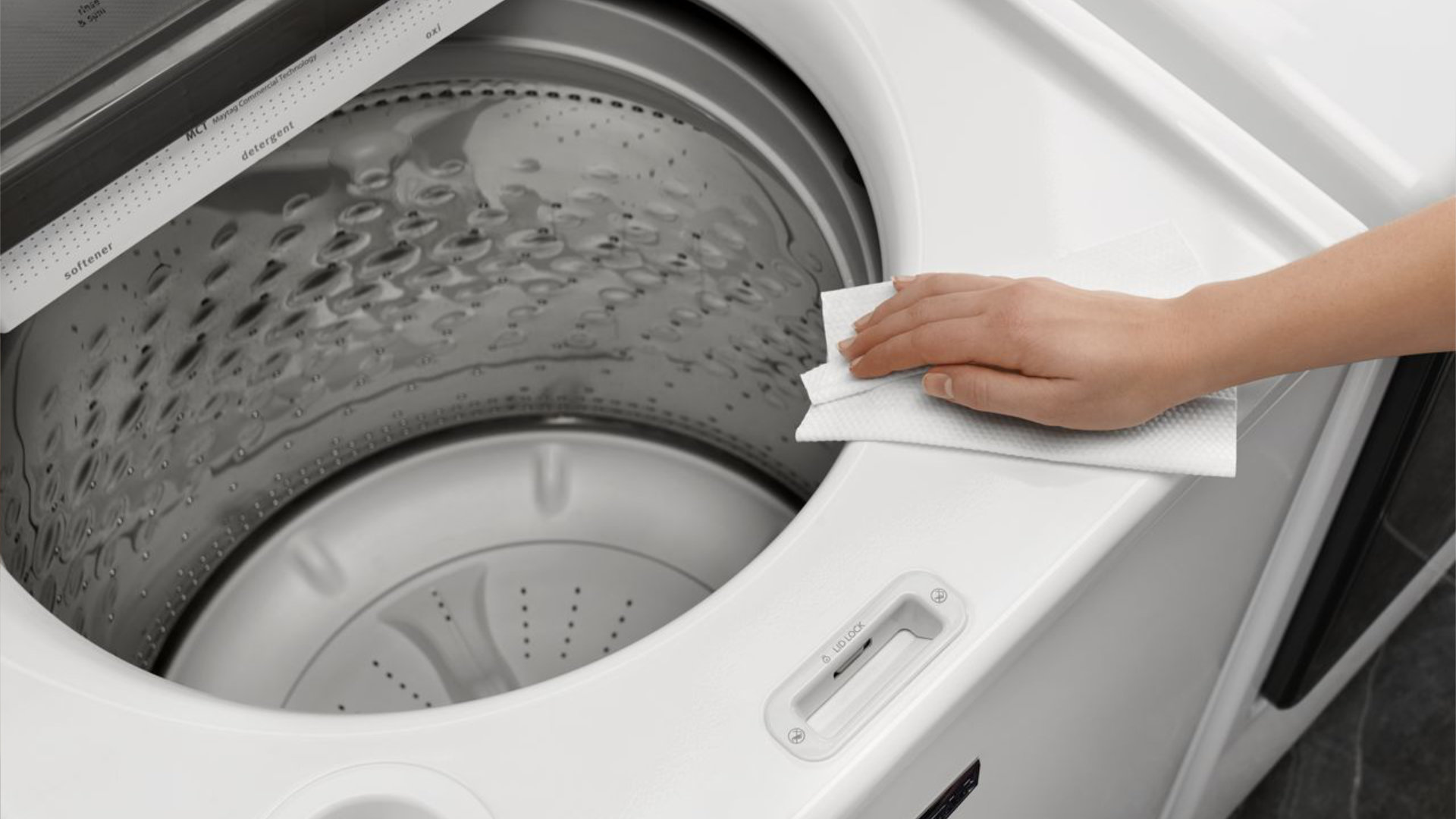
Most Cabrio top loaders? They got that removable kick plate. At the very bottom front. Usually held by a couple of clips. Or screws. If clips, use a flathead screwdriver or even a putty knife. Wiggle it. Pop it out. Be careful. You don’t want plastic shrapnel. Behind that? You’ll see the pump housing. And usually, a round cap. That’s your filter. Twist it. Counter-clockwise. Slowly. Water will come out. Have towels. Lots of towels. Trust me.
The ‘Manual is Your Friend’ Approach
Let’s face it. Most people trash the manual. Then they wonder why they can’t fix shit. Your Cabrio manual has diagrams. It has step-by-step instructions. It will tell you exactly where that filter is and how to remove it. If you don’t have the physical copy? Go to the Whirlpool website. Enter your model number. Download the PDF. It’s free. It’s easy. It saves you a headache. Honestly, it’s the most reliable way. You’re not guessing. You’re following instructions. Like a grown-up.
When Google Becomes Your Guru
Lost the manual? Too lazy to find it? Fine. Use Google. Type in your specific Whirlpool Cabrio model number. Search for “drain pump filter removal.” You’ll find videos. You’ll find forum posts. You’ll find guides like this one. The key is the model number. Don’t just search “Whirlpool Cabrio filter.” Get specific. The more specific you are, the better the results. You might find someone with the exact same problem you’re having. Solved. Done.
Watch: How to Deep clean an Whirlpool Top Loader
The Actual Cleaning Process: It’s Not Pretty, But It’s Necessary
Alright. You found the filter. Now what? Prepare for the worst. Because it’s probably going to look like a small rodent died in there. First, discoect the power. Seriously. Safety first. You’re messing with water and electricity. Don’t be an idiot. Next, get your towels. And a shallow pan or bucket. Place it under the filter. Slowly twist the filter cap counter-clockwise. It might be tight. Use some gentle persuasion. Water will drain. Let it drain. Once it stops, fully remove the filter.
Gunk Removal: The Nitty Gritty
Now the fun part. Pick out the big stuff. Hair. Lint clumps. Coins. Whatever else is lurking. Use your fingers. Use tweezers if you’re squeamish. Rinse the filter under ruing water. A toothbrush works wonders for scrubbing away stubborn grime. Get into all the nooks and craies. You want it clean. Not just… less dirty. Inspect the housing where the filter was. Any debris in there? Carefully remove it. Don’t shove your hand in there blindly. You might find sharp objects.

The ‘Sanitize and Shine’ Step
Once the filter is physically clean, give it a soak. A light bleach solution works. Or vinegar. About a 50/50 mix with water. Let it sit for 10-15 minutes. This kills any lingering bacteria and odors. Rinse it thoroughly. Make sure there’s no bleach or vinegar smell left. You don’t want your clean clothes smelling like a swimming pool. This step is crucial for odor control. And hygiene. Honestly, who wants a dirty filter near their clothes?
Reassembly: Don’t Screw This Up
Clean filter? Check. Housing clear? Check. Now put it back. Screw the filter back in. Clockwise. Make sure it’s tight. You don’t want it leaking. Replace the kick plate or access panel. Make sure it snaps back in securely. Now, plug the machine back in. Run a quick rinse and spin cycle. No clothes. Just water. Listen. Does it sound normal? No weird grinding? No leaks? If it sounds good, you’re golden. If not? Re-check everything. Maybe the filter isn’t seated right.

When to Call the Pros (And When Not To Bother)
So, you followed these steps. Cleaned the filter. And the machine still sounds like a jet engine taking off? Or it’s still not draining? That’s when it’s time to admit defeat. The filter is just one piece of the puzzle. There could be a blockage further down the drain hose. Or the pump itself could be failing. That’s a more complex repair. If you’re not comfortable pulling apart more of the machine, call a technician. But before you do? Make sure you’ve actually cleaned the filter properly. Most of the time, that’s all it is. Don’t pay for a service call because you were too lazy to pull out a filter. That’s just… sad.
The Cost of Ignoring: More Than Just Dollars
Let’s break down the hidden costs. The energy you’re wasting. The extra water. The detergent that doesn’t rinse out properly, meaning you use more. The wear and tear on the motor from it struggling. The potential for water damage if it leaks badly. The ruined clothes. It adds up. A clean filter costs you maybe 10 minutes and some paper towels. The cost of NOT cleaning it? Much, much higher. To be fair, it’s a small thing. But small things matter.
Signs You Might Need More Than Just a Filter Clean
Look, if you clean the filter and the problem persists, don’t just keep cleaning the filter. That’s just stupid. Other signs: the machine is making loud grinding noises during the wash cycle, not just draining. Error codes flashing on the display that aren’t related to a simple clog. Visible leaks from the body of the machine, not just the filter housing. These point to deeper issues. Pump failure. Belt problems. Control board issues. Stuff beyond a simple DIY filter job. Know your limits.
Watch: Clean Whirlpool Cabrio HE Washer Using Natural Ingredients
Whirlpool Cabrio Filter Maintenance Schedule: How Often Should You Do This?
How often? Good question. It depends. How much laundry do you do? Do you have pets shedding constantly? Kids with muddy clothes? A family of five? For an average household, maybe every 3-6 months. If you notice smells, or slow draining, check it sooner. Don’t wait for a disaster. A quick check every few months prevents major headaches. It’s preventative maintenance. Like brushing your teeth. You don’t wait for a cavity. You clean them regularly.
The ‘Pet Owner’s Panic’ Plan
Got pets? Especially shedding breeds? You’re probably cleaning this filter more often. Think every 1-2 months. That fur? It gets everywhere. It’s a lint magnet. It will clog that filter faster than you can say “flea collar.” Set a reminder on your phone. Treat it like a recurring appointment. Better to clean it out when it’s moderately dirty than wait until it’s a solid brick of fur and despair.
The ‘Heavy User’s Heed’ Warning
Washing huge loads constantly? Multiple loads a day? You’re putting more strain on the system. More dirt, more lint, more everything. Check it monthly. Seriously. Especially if you wash a lot of towels, bedding, or work clothes. These items produce a lot of lint. Don’t be that person whose washer dies because they treated it like a commercial machine without the maintenance. It’s not. It’s a home appliance. Treat it with respect. It’ll last longer. Honestly.
The ‘Smell Test’ Rule of Thumb
This is the easiest. Can you smell… funk? Coming from the washer? Especially after a cycle? That’s your filter screaming for attention. Don’t ignore the smell. It’s a sign of bacteria buildup. And a clogged filter. Sniff test. It’s simple. It’s effective. And it’s free. If it smells, even a little, pull the filter. Clean it. Run a hot cycle with vinegar or a washer cleaner. That should do it. Usually.
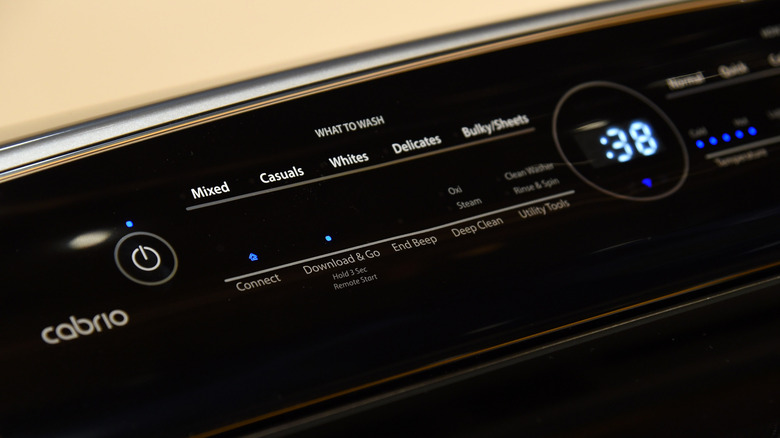
| Step | Action | Notes |
|---|---|---|
| 1 | Discoect Power | Safety First! |
| 2 | Locate Filter | Front bottom panel/kick plate. Manual or Google if lost. |
| 3 | Prepare for Water | Towels, shallow pan. |
| 4 | Slowly Unscrew Filter | Counter-clockwise. Expect water. |
| 5 | Remove Filter | Pull straight out. |
| 6 | Clean Gunk | Remove debris, rinse under water, scrub with toothbrush. |
| 7 | Inspect Housing | Remove any loose debris carefully. |
| 8 | Sanitize (Optional but Recommended) | Vinegar/bleach solution soak. Rinse well. |
| 9 | Reinstall Filter | Clockwise, ensure tight fit. |
| 10 | Replace Panel | Ensure it’s secure. |
| 11 | Test Run | Quick rinse/spin cycle. Check for leaks/noises. |
Frequently Asked Questions
How to clean a cabrio Whirlpool washer top loader?
To clean your Whirlpool Cabrio top loader washer, the primary maintenance task is cleaning the drain pump filter. First, unplug the machine for safety. Locate the filter, usually behind a kick plate at the bottom front. Place towels and a shallow pan underneath. Slowly unscrew the filter counter-clockwise, letting any water drain. Remove the filter, pick out debris like lint, hair, and coins, rinse it under water, and scrub with a toothbrush if needed. Clean any debris from the filter housing. Reinsert the filter, screwing it in clockwise until tight. Replace the kick plate. Run a quick rinse cycle to test for proper drainage and leaks.
Where is the filter on a Whirlpool Cabrio top loader?
The drain pump filter on most Whirlpool Cabrio top-loading washing machines is typically located behind the kick plate or access panel at the very bottom front of the machine. You may need to gently pry this panel off. If you can’t find it, consult your owner’s manual or search online using your specific model number.
How often should I clean the Whirlpool Cabrio washer filter?
For average households, cleaning the Whirlpool Cabrio washer filter every 3 to 6 months is usually sufficient. However, if you have pets that shed heavily, do a lot of laundry, or notice unpleasant odors or slow draining, you should check and clean the filter more frequently, potentially every 1 to 2 months.
My Whirlpool Cabrio washer is still not draining after cleaning the filter. What else could it be?
If your Whirlpool Cabrio washer still isn’t draining after you’ve cleaned the filter, the issue might be a blockage further down the drain hose, a kinked hose, or a failing drain pump. Inspect the entire length of the drain hose for obstructions or damage. If the hose is clear and the problem persists, the drain pump itself may need replacement, which is a more complex repair.
Can I use bleach to clean the washing machine filter?
Yes, you can use a diluted bleach solution (about 50/50 with water) or vinegar to clean the washing machine filter. Soaking the filter for 10-15 minutes can help sanitize it and remove lingering odors. However, always rinse the filter thoroughly afterward to ensure no bleach or vinegar residue remains, as this could potentially damage clothes or the machine over time.
What happens if I don’t clean the washing machine filter?
If you don’t clean your Whirlpool Cabrio washing machine filter, it can become severely clogged with lint, hair, coins, and other debris. This will lead to slow or complete failure of the drain cycle, leaving clothes wet and soapy. It can also cause unpleasant odors, increased water and energy consumption, and put excessive strain on the machine’s motor and pump, potentially leading to premature breakdown and costly repairs.