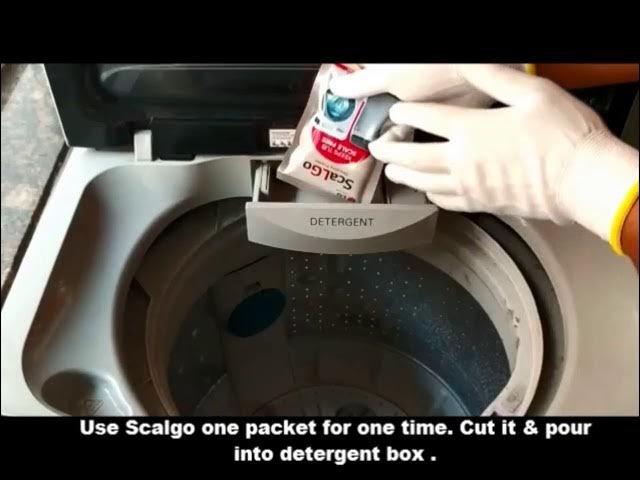
How To Clean Washing Machine With Vinegar And Baking Soda
Don’t Be That Person: How To Clean Washing Machine With Vinegar And Baking Soda (The REAL Way)
Look, your washing machine. It’s filthy. Probably reeks. You think it’s cleaning your clothes? Nah. It’s just sloshing around yesterday’s funk and yesterday’s detergent scum. Honestly, it’s a biohazard in your laundry room. But you don’t need some fancy, overpriced chemical sludge. The answer’s in your pantry. Yeah, I’m talking about vinegar and baking soda. This ain’t your grandma’s recipe; this is the hardcore, no-BS guide to actually cleaning your damn washing machine. Let’s get this done.

The thing is, most people do it wrong. They dump stuff in, run a cycle, and think they’re done. Pat yourselves on the back, geniuses. You just made a watery mess. This ain’t rocket science, but it ain’t a damn bubble bath either. We’re talking grime, mold, mildew. The stuff that makes your ‘clean’ clothes smell like a gym locker after a marathon.
I remember my first apartment. That washing machine? Looked like it survived a flood. Smelled worse. My roommate, bless her cotton socks, tried to ‘clean’ it with some lemon-scented spray. What a joke. It was still rank. Took me a weekend and a gallon of white vinegar to fix her mess. Lesson learned: you gotta be thorough. No shortcuts.

Why These Mundane Staples Actually Work
The Acidic Punch of Vinegar
White vinegar. It’s cheap, it’s acidic, and it cuts through soap scum like a hot knife through butter. That residue caked on your drum? Vinegar breaks it down. It also busts up mineral deposits, those hard water stains that make your machine look like a geology project. And mildew? Vinegar is your killer. Plain and simple.
Baking Soda: The Abrasive & Deodorizer
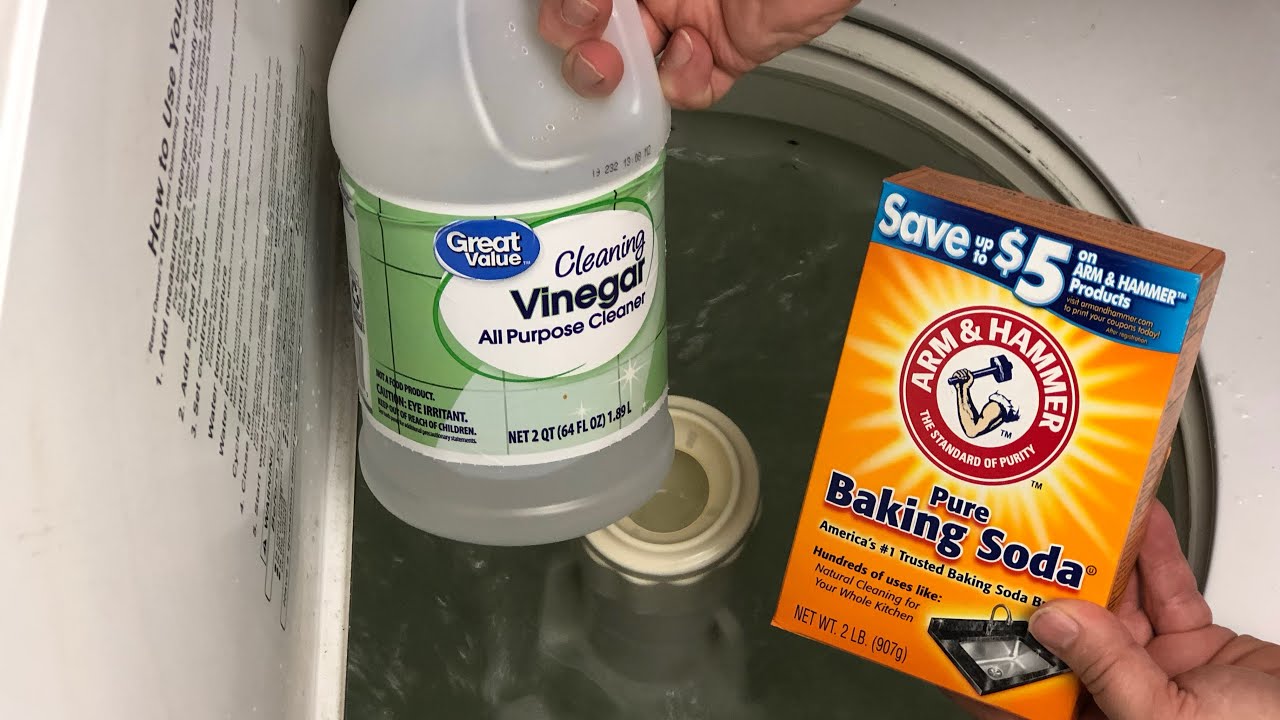
Baking soda ain’t just for cookies. It’s a mild abrasive. Think of it as super-fine sandpaper for your machine’s iards. It scrubs away that gunk vinegar loosens. Plus, it neutralizes odors. You know that stale smell? Baking soda eats it. For real. It absorbs the funk, leaving things… well, less funky. To be fair, it’s a two-part attack. You need both.
The Synergy: What Happens When They Meet
Okay, science class is over. When vinegar (acid) meets baking soda (base), you get a reaction. It fizzes. It foams. That’s the chemical magic happening. This foaming action helps to dislodge stubborn grime and get into those nooks and craies you can’t reach. It’s like a tiny, controlled explosion in your machine, but for cleaning.
Your Arsenal: What You Actually Need
Don’t overthink this. You don’t need a hazmat suit. Just grab a few things:
- White Distilled Vinegar: Get a big jug. You’ll use more than you think. At least 2 cups.
- Baking Soda: A standard box. Maybe two if you’re really letting it go. Half a cup to a full cup.
- A Scrub Brush/Old Toothbrush: For the nitty-gritty parts.
- Microfiber Cloths: For wiping down seals and the exterior. Don’t use paper towels; they just shred.
- Optional: Essential Oil (Tea Tree/Lemon): A few drops if you want a slight scent. Don’t go crazy.
The Attack Plan: Step-by-Step Warfare
This isn’t complicated, but it requires focus. Pay attention.
Phase 1: The Pre-Wash Soak (Top Loaders Only, Mostly)
For top-loaders, this is crucial. Run a hot water cycle. Medium load size. As it fills, dump in about 4 cups of white vinegar. Let it agitate for a few minutes. Then, STOP the machine. Let it sit. For at least an hour. Maybe two. Let that vinegar work its magic, softening all the crap inside. Then, finish the cycle.
For front-loaders, you’ll do this differently. We’ll get there. But the principle is the same: let the vinegar soak.
Phase 2: The Baking Soda Scrub Down
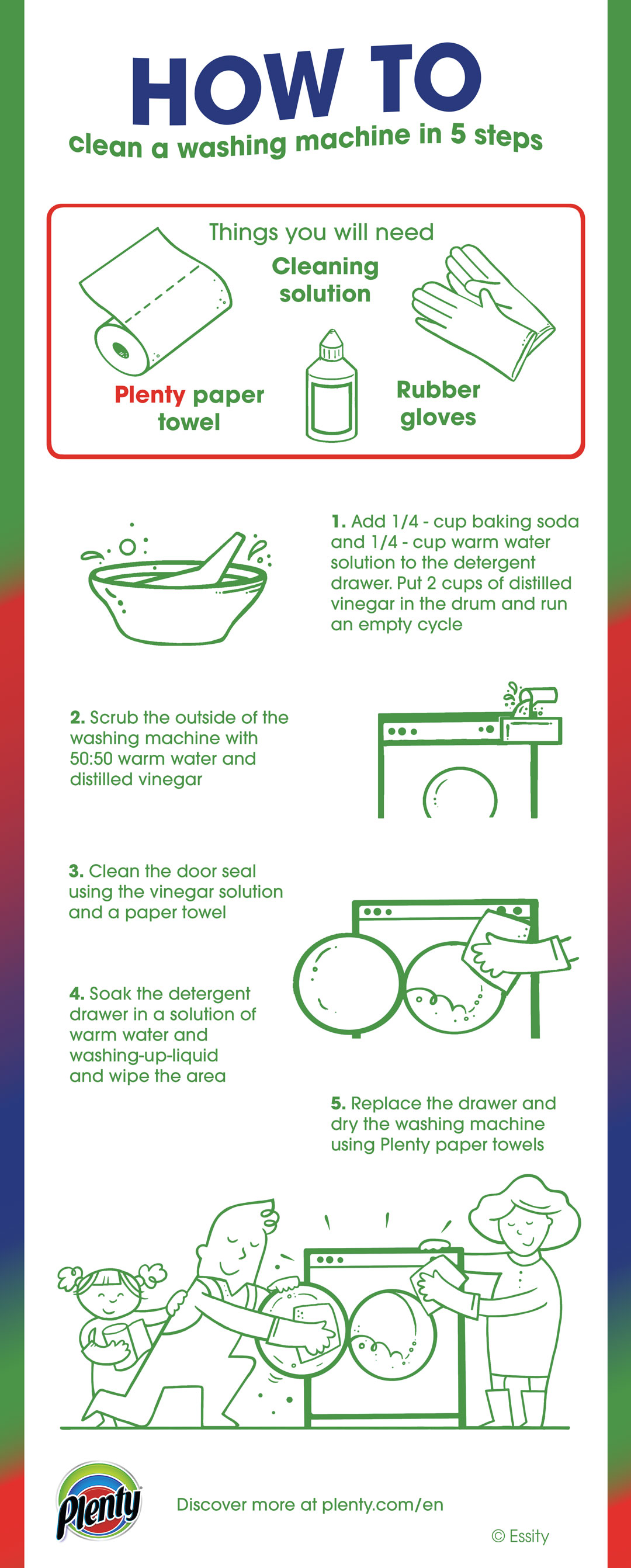
After the vinegar cycle, dump out the dirty water. Now, sprinkle about 1 cup of baking soda directly into the drum. Get some in the detergent dispenser too. Close the lid. Run another HOT cycle. Again, let it agitate for a few minutes. This time, the baking soda is scrubbing and deodorizing.
This second cycle rinses out the loosened gunk and the baking soda. Hopefully. Don’t expect miracles on the first try if your machine’s been neglected since the Reagan administration.
Phase 3: The Gasket Grind (Front-Loaders, Listen Up!)
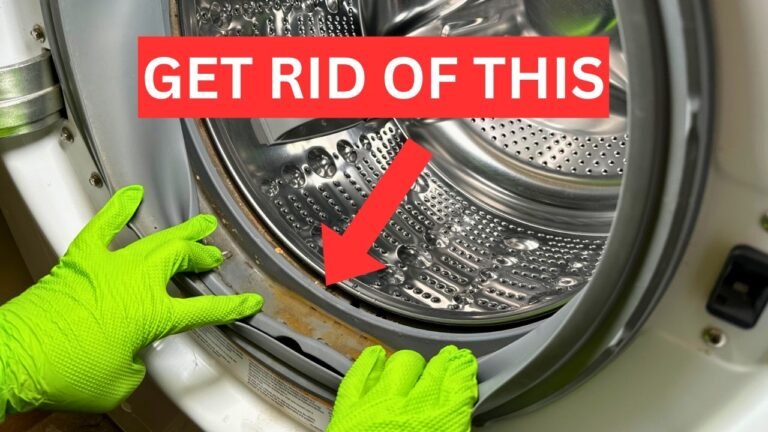
This is where front-loaders get nasty. The rubber seal around the door. Mold loves it. You gotta get in there. Use your vinegar-soaked cloth or spray some vinegar directly. Wipe it down. Then use your toothbrush or scrub brush. Get into every fold. Seriously, dig deep. You’ll find black gunk. That’s the enemy. Wipe it clean with a damp cloth. Repeat until it’s spotless. This step alone takes me 15 minutes sometimes.
I once cleaned a friend’s front-loader. The smell was horrific. Pulled back the gasket, and it looked like a science experiment gone wrong. Black slime everywhere. She’d never cleaned it. Never even looked. People, it’s not that hard. Just look!
Phase 4: The Dispensers Deep Dive
Pull out those detergent and fabric softener dispensers. If you can’t pull them, use your brush and vinegar. Scrub them clean. Rinse them thoroughly. Put them back. If they’re really bad, soak them in a vinegar/water mix for 30 minutes before scrubbing. You’d be amazed what builds up in there. It’s like a mini-landfill.
Phase 5: The Drum & Exterior Wipe Down
Once the cycle is done, open the door. Wipe down the inside of the drum with a clean, damp cloth. Get around the edges, under the lip. Wipe the exterior too. The control panel, the door, the sides. Make it look like you actually care about your laundry room. Use a tiny bit of diluted vinegar if needed, but follow up with plain water.
Front-Loader Specifics: A Different Kind of Battle
Front-loaders need a slightly different approach. They trap more moisture. That means more mold. More smell. You gotta be more aggressive.
- Vinegar Cycle: Pour 2 cups of white vinegar directly into the detergent dispenser. Run the machine on its hottest, longest cycle (often called ‘Sanitize’ or ‘Heavy Duty’).
- Baking Soda Boost: After the vinegar cycle finishes, sprinkle 1/2 cup of baking soda directly into the drum. Run another HOT cycle.
- Gasket & Door: This is CRITICAL. Manually scrub the rubber door seal with a vinegar-dampened cloth and a toothbrush. Get into all the folds. Wipe clean. Check the glass too.
- Drain Filter: Most front-loaders have a small filter near the bottom. Check your manual. Pull it out (have towels ready, water will come out!) and clean it. Hair, lint, weird stuff accumulates here.
Honestly, that drain filter is a hidden horror show. I pulled one out once, and it was packed with lint and what looked like a lost sock. It’s a miracle the machine even drained.
Top-Loader Tactics: Classic Cleaning
Top-loaders are generally simpler, but still get gross.
- Vinegar Soak: Fill the machine with HOT water on the largest load setting. Add 4 cups of white vinegar. Let it agitate for a few minutes, then STOP the machine. Let it soak for at least an hour, preferably two. Then, complete the cycle.
- Baking Soda Scrub: Drain the vinegar water. Sprinkle 1 cup of baking soda into the empty drum. Run another HOT cycle.
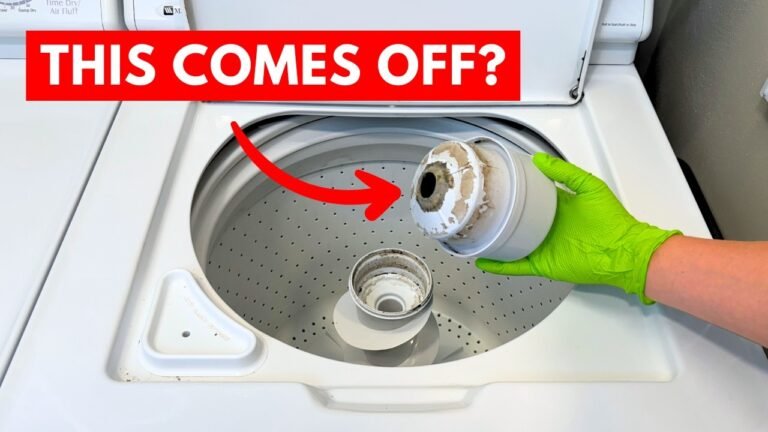
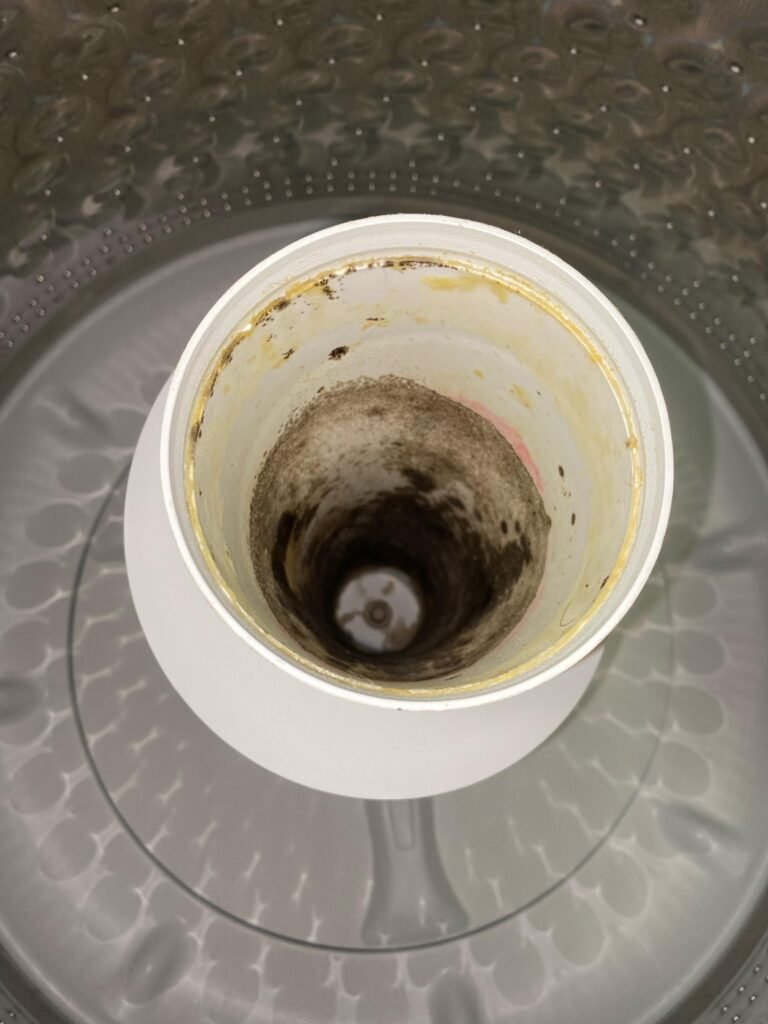
- Agitator/Impeller Clean: If you have an agitator (the central post), wipe it down thoroughly. For HE machines with an impeller plate at the bottom, scrub around it.
- Wipe Down: Clean the lid, the exterior, and the detergent drawers.
The Maintenance Grind: Keeping It Clean
This isn’t a one-time fix. You gotta keep up with it. Otherwise, you’re back to square one. Think of it as preventative maintenance. Like changing the oil in your car.
Monthly Check-Up
Once a month, do a quick clean. Run a hot cycle with just 1 cup of vinegar. Wipe down the gasket and dispensers. That’s it. Takes 10 minutes. Prevents the mega-gross buildup.
Leave the Door Ajar
This is HUGE for front-loaders. After every wash, leave the door open. And pull out the detergent drawer slightly. Let air circulate. Stops that damp, musty environment from forming. Seriously. Just do it.
Use Less Detergent
The thing is, most people use WAY too much detergent. Especially HE machines. You’re not washing carpets. Using too much leads to buildup. Follow the damn instructions on the box. Or use even less. Your clothes will still get clean. And your machine will thank you.
When Vinegar and Baking Soda Aren’t Enough
Look, these pantry staples handle 90% of the gunk. But sometimes? You’ve got serious issues. If your machine is leaking badly, making grinding noises, or the smell is just… biblical… then it’s time to call a pro. Don’t mess with internal mechanics if you don’t know what you’re doing. You’ll make it worse. And probably void the warranty.
I had a Maytag last year that started making this screeching noise. Sounded like a banshee trapped in the spin cycle. Vinegar and baking soda did nothing. Turned out a rogue bra wire had gotten into the pump. Called a repair guy. Fixed it in an hour. Sometimes, you just gotta pay the piper.
Troubleshooting Common Issues
Smelly Machine: Usually means mold/mildew. Needs the full vinegar/baking soda treatment, focusing on the gasket and dispensers. Try adding a few drops of tea tree oil to the vinegar for extra anti-fungal power.
Residue on Clothes: Could be too much detergent, or your machine is full of gunk. Run a cleaning cycle, and reassess your detergent usage. Also, check the drain pump filter!
Slow Draining: Likely a clogged drain hose or filter. Check the filter first. If that’s clear, the hose might be kinked or blocked. Your manual is your friend here.
The Bottom Line
Cleaning your washing machine with vinegar and baking soda isn’t optional. It’s necessary. It’s simple. It’s cheap. Stop making excuses. Get off your butt and do it. Your clothes, your nose, and your sanity will thank you. Now go forth and conquer that funk.
Frequently Asked Questions
Can I use apple cider vinegar instead of white vinegar?
Honestly, white vinegar is better. It’s cheaper and has a higher acidity level that’s more effective at breaking down soap scum and mineral deposits. Apple cider vinegar might leave a sticky residue and its fragrance isn’t ideal for laundry appliances. Stick to the clear stuff.
How often should I clean my washing machine with vinegar and baking soda?
For most people, a deep clean like this once a month is plenty. If you do a lot of laundry, have hard water, or notice smells developing faster, you might need to do it every two to three weeks. A quick wipe-down and leaving the door ajar after every load helps a lot between deep cleans.
Will vinegar damage my washing machine?
Used correctly and in moderation (like in this guide), white vinegar is safe for most washing machines. It’s a diluted acid. The key is not to overdo it and to rinse thoroughly afterward. Using it every single wash cycle would be too much, but for a monthly clean, it’s perfectly fine. It’s been used for decades for this purpose.
My machine still smells after cleaning, what now?
If the smell persists after a thorough vinegar and baking soda treatment, especially focusing on the door seal and dispensers, you might have a more stubborn mold issue or something lodged in the drain pump. Try a second cleaning cycle, perhaps adding a few drops of tea tree oil to the vinegar for its antifungal properties. If that fails, it might be time to call a professional or consider specialized washing machine cleaning tablets.
Can I mix bleach and vinegar to clean my washing machine?
ABSOLUTELY NOT. Never, ever mix bleach and vinegar. This creates toxic chlorine gas, which is extremely dangerous and can cause severe respiratory problems or even death. Stick to one cleaning agent at a time. For washing machines, vinegar and baking soda are your safest, most effective go-to combo.
Watch: HOW TO CLEAN YOUR WASHING MACHINE! (Quick & Easy!)