How To Clean Washing Machine With Vinegar
How To Clean Washing Machine With Vinegar: The No-Nonsense Guide
Look. Your washing machine. It’s probably disgusting. Don’t lie to yourself. You toss your sweaty gym clothes in there, that moldy towel from the dog, maybe even that shirt you wore to that questionable bar crawl back in ’19. And you think just because it’s a machine that uses water, it’s self-cleaning? Ha. Fat chance.
The thing is, these metal tubs are breeding grounds. Think dampness. Think soap scum. Think… things you don’t want to think about. And that smell? That’s not just ‘old laundry.’ That’s failure. That’s neglect. But before you call the repair guy or worse, buy a new one – hold up.
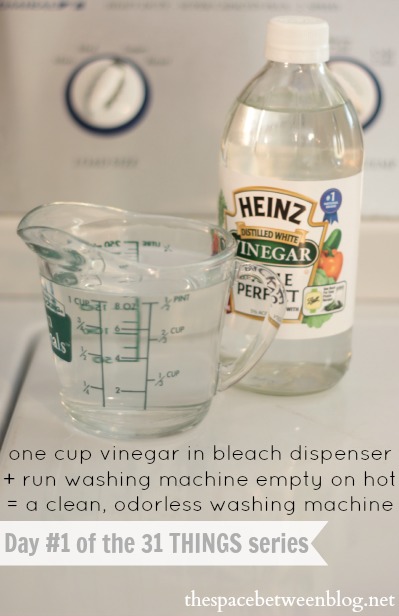
There’s a cheap, easy fix staring you in the face. It’s probably in your pantry right now. Vinegar. White distilled vinegar. Yeah, that stuff your grandma used to pickle beets. Turns out, it’s a surprisingly potent weapon against the grime and funk colonizing your washer. This isn’t rocket science; it’s common sense. And honestly, it’s about time you gave your machine some decent attention.
Why Bother? The Grimy Truth
Why clean it? Because your clothes deserve better. Because you deserve clothes that don’t smell faintly of mildew. Because that lingering funk? It’s probably transferring onto your fresh laundry. Not cool.

Think about it. Every cycle, water and detergent leave residue. This gunk attracts mold, mildew, and bacteria. Especially in the rubber seals of front-loaders – a nightmare zone. Top-loaders aren’t immune either; mineral deposits and soap build-up happen. Over time, this crap clogs hoses, damages parts, and makes your machine work harder. That means higher energy bills and a shorter lifespan. Seriously, who wants that?
I remember a time, probably around 2017, my partner – bless her optimistic heart – insisted her whites were just… dingy. ‘Maybe the detergent’s weak?’ she’d ask. Dingy? They smelled like a swamp creature died in them. Turns out, the washer itself was the culprit. A quick vinegar run and bam. Whites were white again. Smelled okay, too. Lesson learned. Hard.
The Main Event: How To Clean Washing Machine With Vinegar
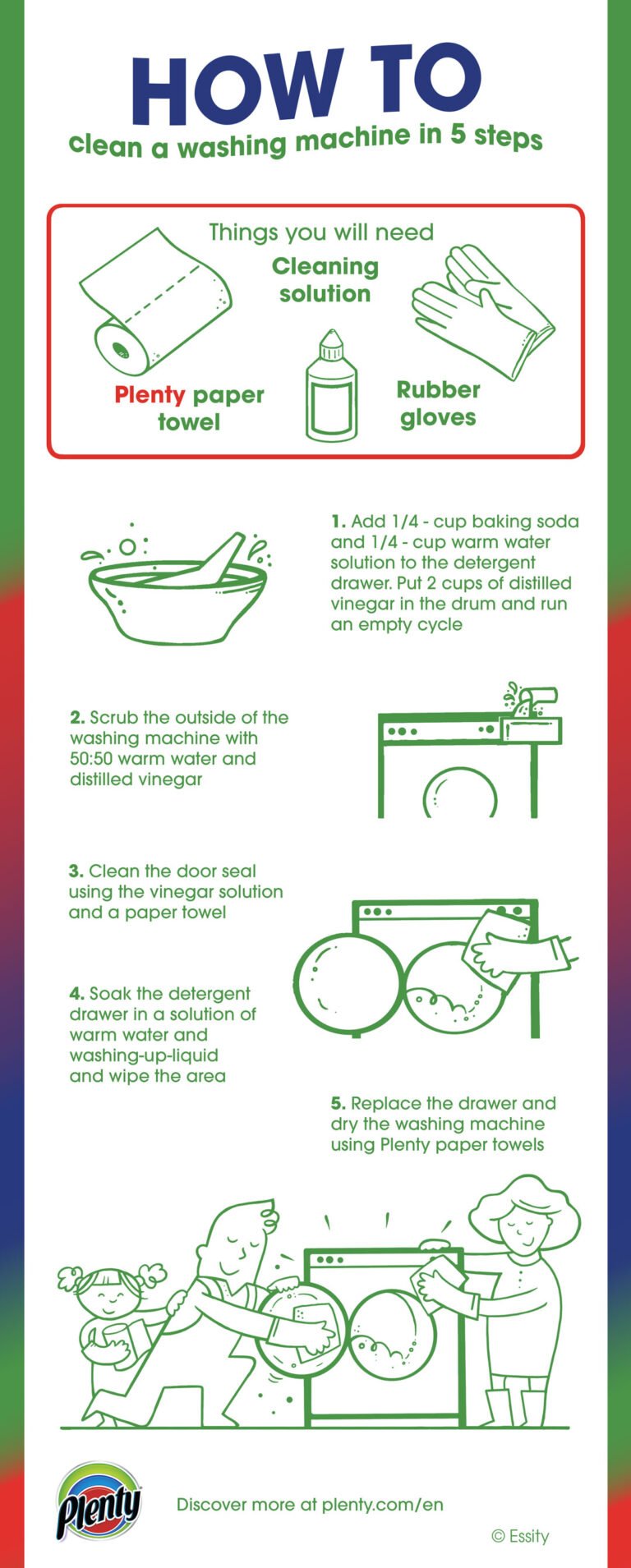
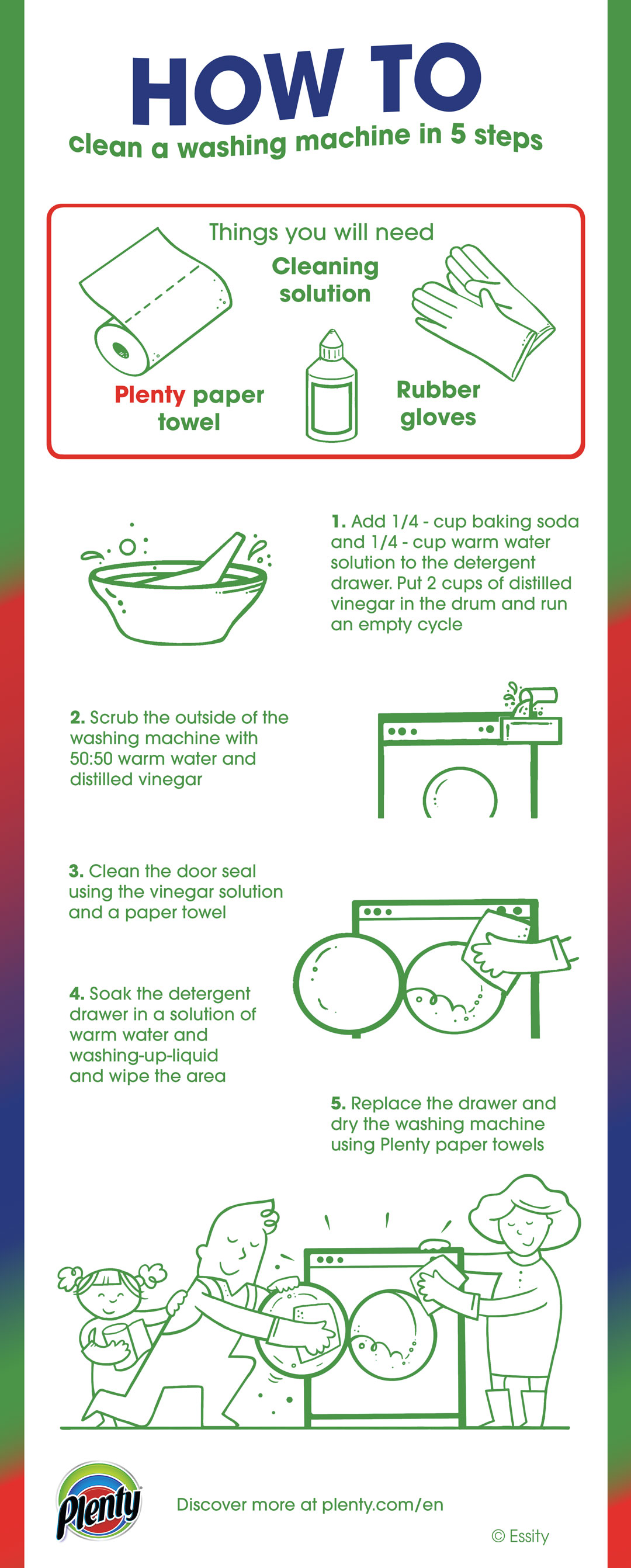
Alright, let’s get down to brass tacks. Cleaning with vinegar isn’t complicated. It’s just… cleaning. You’re going to use about two cups of white distilled vinegar. That’s it. No fancy chemicals, no $30 bottles of ‘washer magic.’ Just vinegar.
Front-Loader Deep Dive
These machines are notorious for mold traps. Pay attention.
- Prep the Beast: Empty the washer. Completely. No stray socks.
- The Seal Stalker: Grab a cloth, dip it in vinegar, and wipe down that rubber door seal. Get into every nook. Pull back the folds. Seriously, get in there. It’s probably gross. You might need gloves. I did.
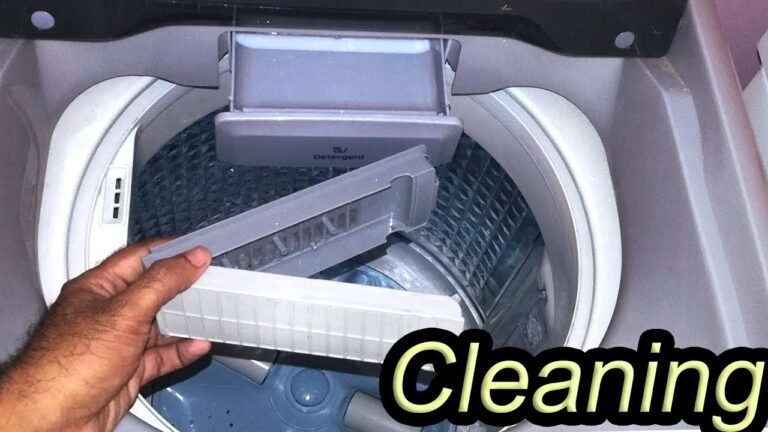
- Dispenser Duty: Pull out the detergent and fabric softener dispensers. Soak ’em in a vinegar-water solution (50/50) for about 30 minutes. Scrub any gunk with an old toothbrush. Rinse and put ’em back.
- The Drum Run: Pour about 2 cups of white distilled vinegar directly into the drum.
- Hot Cycle Time: Run the machine on its hottest water setting, using the longest cycle available. A ‘clean washer’ cycle if yours has one. Let it do its thing.
- Second Rinse (Optional but Recommended): Once the vinegar cycle is done, run another hot rinse cycle. This ensures all the vinegar smell is gone.
Top-Loader Takeover
Slightly less complex, but still needs attention.
- Empty Her Out: Make sure the drum is totally empty.
- Vinegar Infusion: Pour 2 cups of white distilled vinegar directly into the empty drum.
- Soak It Up: Run the machine on its hottest water setting, longest cycle. Let it fill, agitate for a minute, then pause the cycle. Let it sit and soak for at least an hour. The longer, the better. Think soak, not just a quick rinse.
- Finish the Job: Restart the machine and let it complete the full cycle.
- Post-Vinegar Rinse: Run another hot rinse cycle afterward. Just to be sure.
Beyond the Drum: Tackling the Nooks and Craies
The main cycle gets the drum, sure. But what about the rest?
The Detergent Drawer Debacle
Remember those dispensers? If they’re really bad, you might need more than a soak. Use a paste of baking soda and vinegar (about a 1:1 ratio to make a paste) to scrub stubborn residue. Let it sit for 15-20 minutes before scrubbing.
The Drain, The Filter, The Abyss
Some machines have a small filter, usually near the bottom. Check your manual. If yours does, it’s probably clogged with lint, coins, and who knows what else. Clean it out. This is critical maintenance, not just cleaning. Like changing the oil in your car. You ignore it, you’re asking for trouble. I once found a rogue button and what looked suspiciously like a half-eaten gummy bear in a filter. Seriously.
The Exterior Shine
Wipe down the outside. Use a damp cloth. Maybe a little diluted vinegar if there are smudges. Don’t forget the control panel. Keep it simple. Cleanliness matters everywhere.
Frequency: How Often Should You Do This?
This isn’t a ‘set it and forget it’ thing. If you want to keep that smell at bay and your machine ruing smoothly, you gotta be consistent.
The Rule of Thumb
For most households, ruing a vinegar clean cycle once a month is a good baseline. If you do a lot of heavy-duty washing – think gym clothes every day, muddy sports uniforms, cloth diapers – you might need to step it up. Maybe every two weeks.
Signs You’re Overdue
Your clothes smell funky even right out of the dryer. That lingering mildew odor in the laundry room. Visible mold or gunk around the door seal or in the dispensers. These are all red flags. Ignoring them is just asking for bigger problems down the line. Trust me on this.
Vinegar vs. Bleach: The Showdown
You see bleach mentioned sometimes. Bleach can sanitize, sure. But it’s harsh. It can degrade rubber seals over time. And mixing bleach and vinegar? Big no-no. You create toxic chlorine gas. You want to clean your washer, not fumigate your house. Vinegar is gentler, safer for most machine parts, and gets the job done for everyday funk and build-up.
To be fair, for serious mold infestations, a bleach cycle (used correctly, NEVER with vinegar) might be necessary. But for regular maintenance? Vinegar wins. It’s the everyday warrior.
Troubleshooting: When Vinegar Isn’t Enough
What if the smell persists? What if you’ve done the vinegar clean and things are still off?
Stubborn Odors
If the smell is truly ingrained, you might need a two-pronged attack. Try the vinegar clean first. If that doesn’t cut it, you can try a baking soda clean next. Sprinkle about half a cup of baking soda directly into the drum and run a hot cycle. Some folks swear by alternating vinegar and baking soda months. The abrasion from baking soda can help dislodge tougher grime.
Performance Problems
Is your machine making weird noises? Not draining properly? Leaving clothes soaking wet? Vinegar might not be the fix. That’s when you’re looking at clogs in the drain pump or filter, worn belts, or motor issues. These are mechanical problems. Time to consult your manual or call a professional. Expect to pay anywhere from $100-$300 for a service call, depending on where you live and the problem.
I had a neighbor, bless his soul, who tried to ‘fix’ his noisy washer by pouring WD-40 into it. Yeah. Didn’t end well. Just made everything smell like a garage fire. Sometimes, you just gotta know when to call the pros. Don’t be that guy.
Cost Breakdown: Vinegar vs. The Alternatives
Let’s talk money. Because who isn’t trying to save a buck?
| Cleaning Method | Estimated Cost (per use) | Pros | Cons |
|---|---|---|---|
| White Distilled Vinegar (2 cups) | ~$0.50 – $1.00 | Cheap, readily available, effective for odor/buildup, gentle | May not kill all bacteria, requires regular use |
| Commercial Washer Cleaner (e.g., Affresh) | ~$3.00 – $5.00 | Specifically formulated, may sanitize better, convenient tablets | More expensive, chemical-based |
| Bleach (1 cup, diluted) | ~$0.75 – $1.50 | Strong sanitizer | Harsh on seals, risk of toxic fumes if mixed, can bleach colored parts |
The math is pretty clear. For regular maintenance, vinegar is the undisputed champion of affordability and effectiveness. You’re saving money and keeping your machine cleaner. Win-win.
Final Thoughts: Don’t Be That Person
Honestly, it’s embarrassing when your washing machine smells. It reflects poorly on your whole house. A little effort, a little vinegar, and you can avoid that fate. Don’t let your washer become a science experiment gone wrong. Keep it clean. Keep it simple. Your clothes, and your nose, will thank you.
Frequently Asked Questions
How to deep clean a washing machine with vinegar?
For a deep clean, use approximately 2 cups of white distilled vinegar. For front-loaders, pour vinegar directly into the drum after wiping down the seals and dispensers. Run the longest, hottest cycle available. For top-loaders, pour vinegar into the drum, let the machine fill with hot water, agitate briefly, then pause the cycle to soak for at least an hour before completing the cycle. Always run an extra hot rinse cycle afterward.
Can I leave vinegar in my washing machine overnight?
While letting the vinegar soak in the machine for an hour during a paused cycle (especially for top-loaders) is beneficial, leaving undiluted vinegar sitting in the drum or seals for extended periods like overnight isn’t generally recommended. It’s best to run a full cleaning cycle after the soak to flush out the vinegar and loosened grime.
What is the best temperature to clean a washing machine with vinegar?
Always use the hottest water setting your washing machine offers for a vinegar cleaning cycle. High heat helps to dissolve soap scum, mineral deposits, and kill odor-causing bacteria more effectively. Combine this with the longest available cycle for the best results.
How often should I clean my washing machine with vinegar if I have hard water?
If you have hard water, mineral buildup happens faster. You should aim to clean your washing machine with vinegar more frequently, perhaps every 2-3 weeks instead of the standard monthly cleaning. Keep an eye out for signs of buildup like residue or a faint odor, and adjust your cleaning schedule accordingly.
Is it safe to use apple cider vinegar instead of white vinegar?
White distilled vinegar is recommended because it’s colorless and its acidity is optimal for cleaning without leaving stains or residue. While apple cider vinegar has acidic properties, it’s colored and can potentially stain fabrics or internal machine parts. Stick to plain white distilled vinegar for washing machine cleaning.
What should I do if my washing machine still smells after using vinegar?
If the vinegar treatment doesn’t eliminate the odor, the problem might be more severe than simple buildup. Check the drain pump filter for blockages (consult your manual for location and cleaning instructions). You may also need to run a cycle with a specialized washing machine cleaner, or for persistent issues, consider calling a professional appliance repair technician.
Watch: HOW TO CLEAN YOUR WASHING MACHINE! (Quick & Easy!)