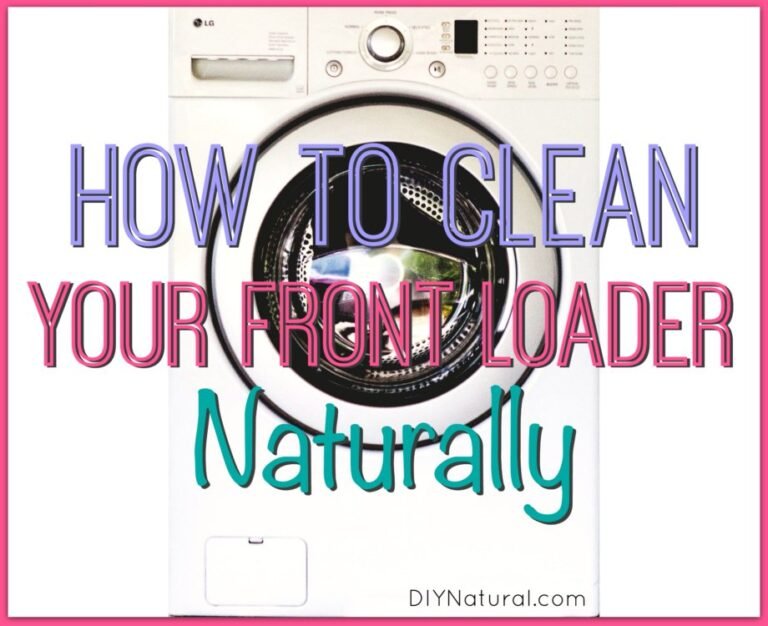
How To Clean Washing Machine With Bicarb And Vinegar
Stop The Stink. Seriously.
Your washing machine. It’s supposed to make your clothes smell like a goddamn meadow. Instead, yours probably smells like a gym locker after a week-long tournament. Yeah, I’m talking to you. That funk? That’s your machine choking on its own filth. Detergent residue. Lint. Mold. Gross. The fix? It’s ridiculously simple. You can learn how to clean washing machine with bicarb and vinegar and ditch the stench. Honestly, it’s not rocket science. It’s just basic chemistry and a bit of elbow grease. You’re probably grosser than you think. Don’t even get me started on the rubber seal. That’s a whole other horror show.

Why Bother? Your Clothes Are Judging You.
Look, nobody wants to pull clean laundry out of a dirty machine. It’s counterproductive. It’s a joke. The buildup isn’t just about smell. It affects performance. It can leave residue on your clothes. Makes them look dingy. Feel stiff. The thing is, modern machines, especially front-loaders, are designed to use less water. That’s great for the planet. Bad for cleaning. Water sits. Dampness breeds. Mold. Mildew. You get the picture. And you know what else? It’s probably costing you money. A clogged machine works harder. Uses more energy. Might even break down sooner. $500 for a new one? No thanks.
My First Real Washing Machine Horror Story
I remember my first apartment. Tiny. Cheap. Had this ancient top-loader. Smelled like something died in it. I was like, 22. Broke. I thought a hot wash cycle with bleach would fix it. Big mistake. Huge. Bleach is harsh. It eats rubber seals. Made the smell worse, somehow. Like burnt plastic and old socks. I ended up calling a repair guy. He laughed at me. Charged me $80 just to look at it. Said I should’ve used vinegar. Like, duh. That was lesson one. Never underestimate the power of pantry staples.

Bicarb & Vinegar: The Dynamic Duo You Ignored
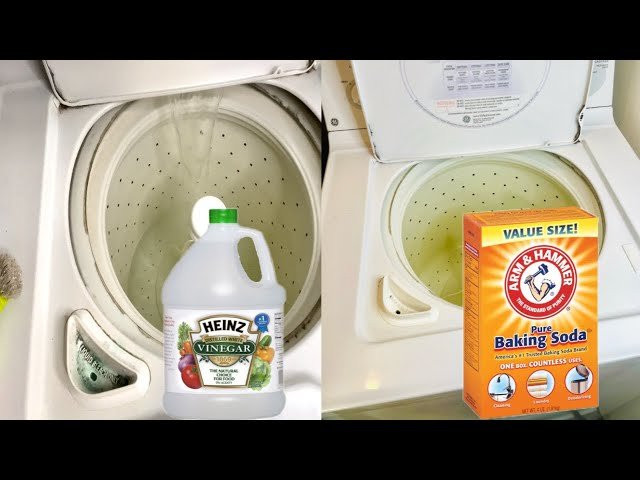
Baking soda. Vinegar. Your grandma used ’em. Your favorite cleaning influencer probably does too. But why? They’re cheap. They’re non-toxic. They actually work. Baking soda, or sodium bicarbonate, is a mild alkali. It helps break down grease and grime. It also deodorizes like a champ. Seriously, it absorbs odors. Vinegar, that’s acetic acid. It cuts through soap scum. Mineral deposits. It kills mold and mildew. Kills bacteria too. The combo? It’s like a one-two punch. The mild abrasion of the bicarb helps scrub. The acid of the vinegar dissolves the nasties. Simple. Effective. And cheap. Way cheaper than those fancy ‘washing machine cleaners’ that are mostly just marketing fluff.
The Actual ‘How To Clean Washing Machine With Bicarb And Vinegar’ Plan
Alright, let’s get down to it. No more excuses. You’ve got a top-loader or a front-loader. Doesn’t matter. The process is similar. It just takes a few minutes. Minimal effort. Maximum reward. Grab your supplies. You probably have them. If not, hit the grocery store. Cost you maybe five bucks. Maximum.
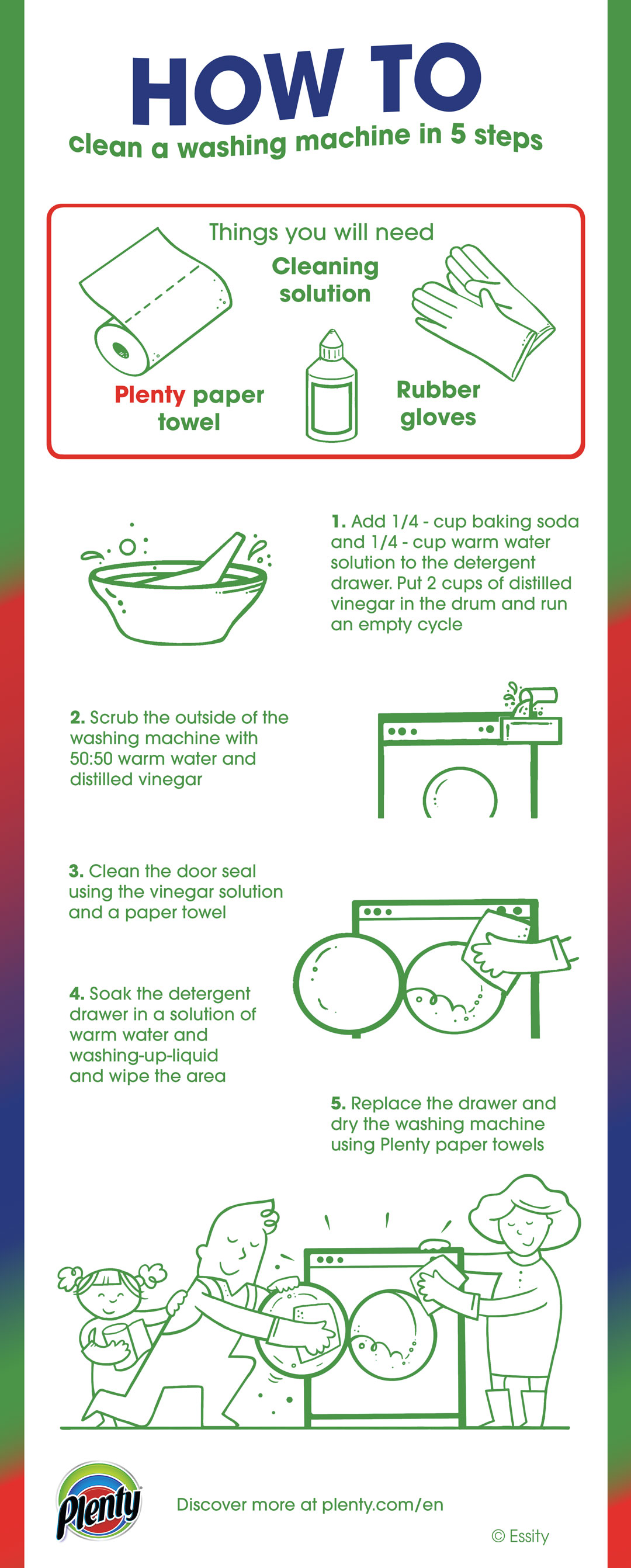
Supplies You’ll Need:
- White Vinegar: About 2 cups. Don’t use fancy balsamic. Just the cheap white stuff.
- Baking Soda: About 1/2 cup. Any brand.
- A Cloth or Sponge: For wiping down.
- An Old Toothbrush: For those tight spots. Trust me.
- Optional: Essential Oils: A few drops for a nice scent. Lavender. Lemon. Whatever.
Front-Loader Focus: Conquer The Gasket of Gloom
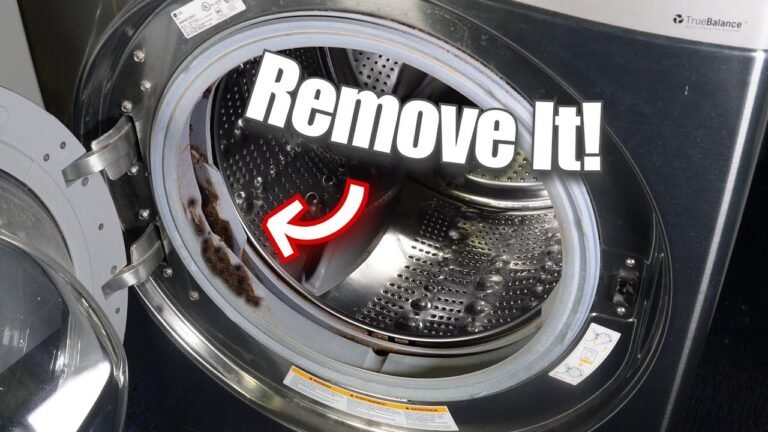
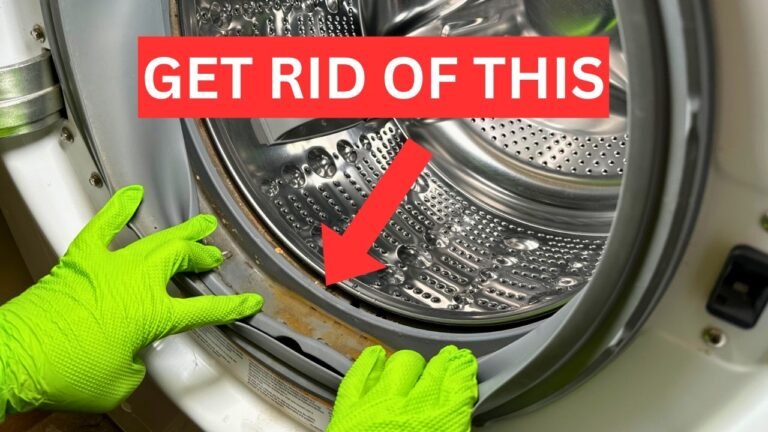
Front-loaders. They’re sleek. Modern. And they’re notorious for trapping moisture. That rubber gasket around the door? It’s a breeding ground. You gotta clean that first. Or the whole point is kinda moot. Spray some undiluted vinegar on a cloth. Wipe down the entire gasket. Get into all those folds. You’ll probably see black gunk. Mold. Probably some lost sock fuzz. Gross. Use that old toothbrush for the really tight spots. Once you’ve wiped it down, toss the cloth. You don’t want to reuse that thing.
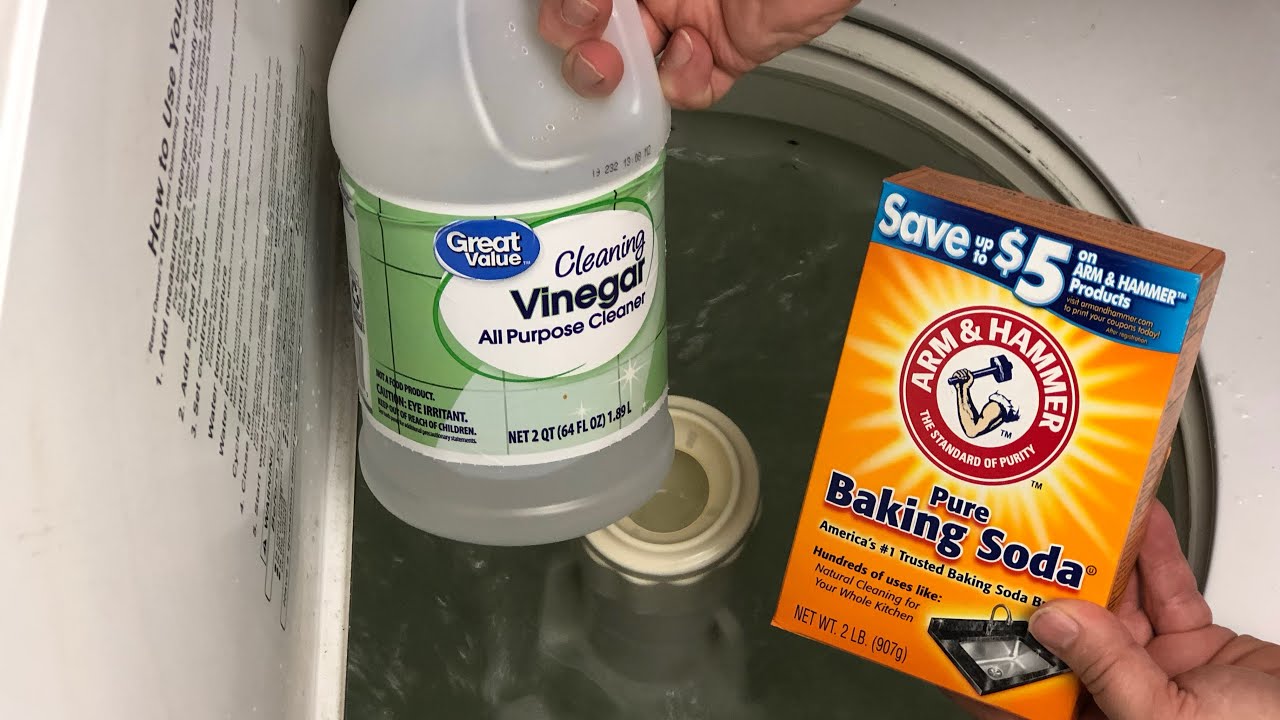
Top-Loader Technique: The Drum Soak
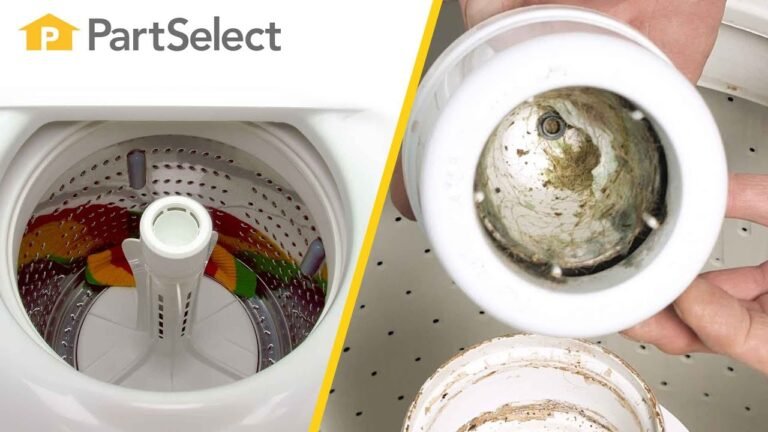
Top-loaders are a bit simpler, honestly. Less complex seals. But the drum can still get funky. Especially around the agitator or the impeller. Just focus on getting the cleaning agents into the drum itself. The vinegar soak is key here. Don’t overthink it.
The Bicarb & Vinegar Attack Plan: Step-by-Step
Ready? Let’s do this. This is where we actually learn how to clean washing machine with bicarb and vinegar.
Step 1: The Pre-Rinse (Vinegar Power)
For front-loaders: Pour 2 cups of white vinegar directly into the detergent dispenser drawer. If you don’t have a dispenser, just pour it into the drum. For top-loaders: Pour 2 cups of white vinegar directly into the drum. Don’t add any clothes. Obviously.
Step 2: The Hot Wash Cycle
Run the machine on its hottest water setting. Use the longest cycle available. A ‘heavy duty’ or ‘sanitize’ cycle is ideal. Let it run its course. This hot water and vinegar combo will start breaking down all that built-up gunk. Soap scum. Mineral deposits. You might even hear some weird noises. That’s normal. It’s the machine groaning under the pressure of being cleaned for the first time in years.
Step 3: The Bicarb Scrub Down
Once the vinegar cycle is done, open the door. Sprinkle about 1/2 cup of baking soda directly into the drum. Get it all in there. Don’t be shy.
Step 4: The Second Hot Wash (Bicarb Blast)
Run another hot, long cycle. Same settings as before. This is where the baking soda works its magic. It’ll gently scrub the drum’s interior. Deodorize any lingering smells. Absorb leftover residue. The combo of the two cycles is important. One breaks it down. The other scrubs and deodorizes. It’s a solid system.
Step 5: The Final Wipe-Down
Once the second cycle is finished, open the door. Take your damp cloth (a fresh one this time!) and wipe down the inside of the drum. Get around the door seal again. The detergent drawer. The window. Anywhere you see residue. You should notice a huge difference. Less grime. Less smell. If you’re adding essential oils, add a few drops to your cloth now and give it a final wipe for that fresh scent.
My Second Machine Mishap: The Overflow Incident
So, I tried the bicarb and vinegar thing on a new machine. A fancy front-loader. I got a bit carried away with the vinegar. Poured like a whole bottle in there. Thought more was better. Wrong. The machine started overflowing. Suds everywhere. All over the laundry room floor. It looked like a bubble bath gone wild. Had to shut it off mid-cycle. Mop up a sticky, vinegary mess. It taught me about ratios. About not going overboard. Stick to the recommended amounts. It’s enough. Trust me.
How Often Should You Do This?
Honestly? Depends on usage. And how much you care about hygiene. For most households, ruing how to clean washing machine with bicarb and vinegar once a month is a good bet. If you wash a lot of heavily soiled items – gym clothes, work uniforms, cloth diapers – maybe every two weeks. If you start noticing a smell, or residue on your clothes, that’s your cue. Don’t wait for it to get truly horrific. Prevention is better than a repair bill. Or a public shaming for stinky clothes.
Common Washing Machine Stinks & Their Causes
Let’s break down the usual suspects.
| Odor Type | Likely Cause | Bicarb/Vinegar Solution |
|---|---|---|
| Musty/Mildewy | Mold and mildew growth in the drum, door seal, or detergent dispenser. Excess moisture. | Primary Target – Vinegar kills mold, bicarb neutralizes spores. |
| Sour/Rotten Egg | Anaerobic bacteria feeding on fabric residue and detergent buildup. Often in front-loaders due to less water. | Excellent Combatant – Vinegar disinfects, bicarb removes residue. |
| Chemical/Plastic | Detergent buildup, especially with HE machines using too much. Can also be a sign of rubber degradation (though bicarb/vinegar is gentle). | Effective Degreaser – Helps break down hardened detergent. |
| Gamy/Greasy | Oils and grease from heavily soiled clothes (work clothes, mechanic uniforms). | Good Initial Step – Loosens grease, but may require a dedicated cleaner for extreme cases. |
Beyond Bicarb & Vinegar: Other Tips
While bicarb and vinegar are your go-to, here are a few extra things to keep your machine humming:
Leave The Door Ajar
This is HUGE for front-loaders. After every wash, leave the door open. Just a crack. Let that drum breathe. Dry out. Prevents that damp, musty environment where the funk grows. Seriously, just do it. It takes zero effort.
Pull Out The Drawer
The detergent and softener drawer. It gets clogged. Grimy. Pull it out completely if you can. Soak it in hot, soapy water. Scrub it clean. Then rinse and dry before putting it back. Do this maybe every few months. Or when you see gunk accumulating.
Wipe Down The Seal (Again)
Seriously, this seal. It’s the bane of my existence. Wipe it down after every few washes. Just a quick swipe with a dry cloth. Gets rid of excess moisture and lint before mold can take hold. A little vigilance goes a long way.
Use The Right Detergent (and Amount!)
HE machines need HE detergent. High-efficiency. Using regular detergent creates too many suds. Causes buildup. Use the amount recommended on the detergent bottle. Not more. Not less. Measuring is key. Don’t just eyeball it.
Run Hot Cycles Occasionally
Even if you wash most things cold (which is good for energy saving!), run a hot cycle once in a while. It helps dissolve residue that cold water leaves behind. Use that sanitize or heavy duty setting you saved for the cleaning process.
My Third, and Hopefully Final, Learning Moment
I was visiting my folks. Their washing machine was acting up. Smelled awful. They’d tried everything. Or so they thought. They were using some super-concentrated, expensive detergent. They’d also been using fabric softener religiously. The machine was practically glued shut with residue. I did the bicarb and vinegar thing. It took two cycles. And serious scrubbing of the dispenser. The smell? Gone. They were amazed. Said they’d never seen so much gunk come out. Moral of the story? Sometimes simple is best. And don’t let marketing hype convince you that you need a $20 bottle of ‘washer magic’.
Frequently Asked Questions
Can I put bicarb in my washing machine to clean it?
Yes, absolutely. Baking soda is a fantastic deodorizer and mild abrasive that helps lift grime. It’s one of the two key ingredients in the common and effective bicarb and vinegar cleaning method. Used in conjunction with vinegar and hot water cycles, it’s very effective.
Is it safe to mix bicarb and vinegar in a washing machine?
It is generally safe and effective when used as part of a cleaning cycle, not during a regular wash with clothes. The reaction between baking soda (a base) and vinegar (an acid) creates carbon dioxide gas, which can help agitate and loosen grime. The key is to use them in separate steps or cycles to maximize their individual cleaning properties and ensure the gas can dissipate safely. Don’t seal the machine tightly right after mixing them if you’re doing it outside a cycle.
Will vinegar damage my washing machine?
Used occasionally and in the recommended amounts (typically 2 cups for a cleaning cycle), white vinegar is generally safe for most washing machines. It’s a mild acid that helps break down mineral deposits and soap scum. However, prolonged or frequent exposure to high concentrations, or using harsher types of vinegar, could potentially degrade rubber seals or plastic components over time. Sticking to a monthly cleaning routine with standard white vinegar is usually fine.
How often should I clean my washing machine with bicarb and vinegar?
For most households, cleaning your washing machine with bicarb and vinegar once a month is sufficient to keep it fresh and functioning optimally. If you have a high-usage machine, wash heavily soiled items frequently, or notice persistent odors, you might consider doing it every two weeks.
What are the best signs my washing machine needs cleaning?
Several signs indicate your washing machine needs a good cleaning. The most obvious is a musty or foul odor emanating from the machine itself or lingering on your clothes after a wash. You might also notice visible mold or mildew, particularly around the door seal of front-loaders. Another sign is residue or grime buildup inside the drum, on the dispenser drawer, or around the rubber gasket. If your clothes aren’t coming out as clean or fresh as they used to, that’s a strong indicator something is wrong internally.
Can I use apple cider vinegar instead of white vinegar?
While apple cider vinegar has cleaning properties, it’s generally recommended to use plain white distilled vinegar for cleaning your washing machine. White vinegar is more acidic and less likely to leave behind staining or sugary residues compared to apple cider vinegar, which contains more natural sugars and can be stickier. For a straightforward, effective clean without potential complications, white vinegar is the superior choice.
Watch: HOW TO CLEAN YOUR WASHING MACHINE! (Quick & Easy!)