How To Clean Washing Machine Top Loader With Vinegar
Stop the Stink. Seriously. How To Clean Washing Machine Top Loader With Vinegar
Look, your top-loader’s probably disgusting. You wash clothes in it, right? Dirt, grime, fabric softener gunk. It all builds up. Smells like a gym locker after a week-long tournament. Time to get serious. This isn’t rocket science, but it ain’t rocket science you can ignore either. We’re talking about how to clean washing machine top loader with vinegar. It’s cheap. It works. Get over yourself and do it.
I remember my grandma’s washer. A hulking beast from the late 70s. Looked like it could survive a nuclear blast. Smelled like damp towels perpetually. She’d pour in a gallon of white vinegar, run a hot cycle, and swear it was good as new. Honestly, she was probably right. Back then, they didn’t have all these fancy ‘cleaning pods’ and ‘odor eliminators’ that cost a fortune and probably do jack squat. Vinegar. Simple. Effective. Harsh. Just how I like it.
Why Bother? It’s Just Water and Soap, Right? Wrong.
Wrong. So wrong. The thing is, your machine’s a breeding ground. Mold. Mildew. Bacteria. All thriving in the dark, damp interior. Especially around the lid seal and the agitator. You’re washing your ‘clean’ clothes in filth. Think about it. Your towels come out smelling… not great. Your whites look dingy. That’s your machine screaming for help. And vinegar? It’s the harsh, no-nonsense doctor it needs.
Front-loaders get all the glory for being ‘problematic,’ but top-loaders? They hide their filth well. The agitator’s a notorious gunk collector. Underneath it? A cesspool. Plus, the lid, the detergent dispenser – they all accumulate residue. And guess what eats away at that residue? Acetic acid. From vinegar. Simple chemistry, people. Stop overthinking it.
The Vinegar Method: No Fluff, Just Action
Forget those complicated multi-step guides. This is how you do it. Quick. Dirty. Effective. You need two things: white vinegar and your machine’s hottest water setting. That’s it. Maybe some rags for wiping later. Don’t get fancy.
What You Need:

- White Vinegar: A gallon. Don’t skimp. Cheap stuff is fine.
- Highest Heat Setting: Your machine’s got it. Use it.
- An Empty Machine: Obviously. No clothes. Don’t be an idiot.
- Rags (Optional but Recommended): For wiping down later.
The Process:
Step 1: Load Up the Vinegar
Pour that entire gallon of white vinegar directly into the drum. Yes, the whole damn gallon. Don’t dilute it. Don’t get cute. Just dump it in. Let it sit for a minute. Let it soak into the grime. Imagine it dissolving the funk.
Step 2: Run the Hottest, Longest Cycle
Select the hottest water setting your machine offers. Then, pick the longest, most aggressive cycle you have. Heavy Duty. Bulky Items. Whatever it is. You want that hot water and vinegar sloshing around for as long as possible. Let it do its dirty work. This usually takes about an hour, maybe more. Let it run. Don’t hover. Go grab a beer. Or don’t. Just let it clean.
:max_bytes(150000):strip_icc()/clean-top-load-washing-machine-5073254-V1-4d57061f759a4c84a61cb797084649a7.png "How To Clean Washing Machine Top Loader With Vinegar 3")
Step 3: The Rinse Cycle – Essential
Once the main wash is done, let the machine drain. Now, run a full rinse cycle. Or maybe two. You want to get all that vinegar smell and loosened gunk out. Don’t want your next load of whites smelling like a salad dressing factory. Seriously. Rinse. Rinse again if you’re paranoid.
Step 4: The Wipe Down (Don’t Skip This!)
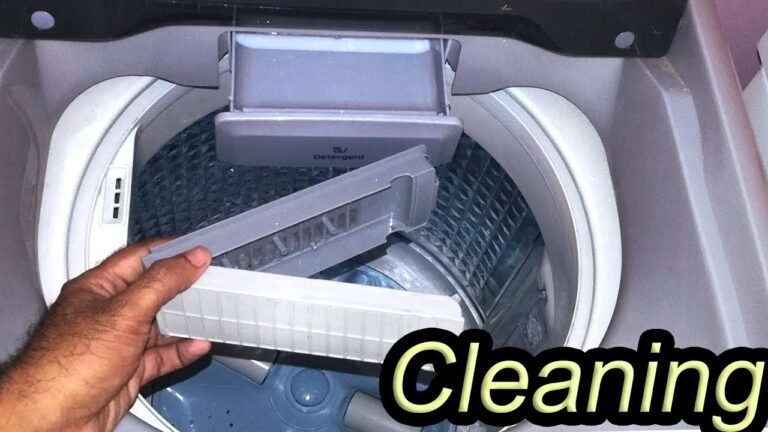
This is where you actually see the results. Open the lid. Get your rags. Wipe down the inside of the drum. Pay attention to the lip around the top. Check the agitator – pull off any visible gunk. Wipe the lid, the dispenser drawer. Get into all the nooks and craies. You’ll be amazed – and disgusted – by what comes off. I once pulled out what looked like a petrified sock fuzz monster from behind the agitator. Gross.
Watch: HOW TO CLEAN YOUR WASHING MACHINE! (Quick & Easy!)
What About Baking Soda?
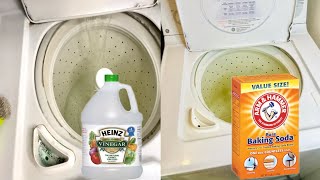
Look, baking soda’s fine. It’s a mild abrasive. It can help with scrubbing. But for a deep clean, especially on a truly rank machine? Vinegar’s the heavy hitter. You can add a cup of baking soda during the rinse cycle if you want, but honestly, the vinegar does the heavy lifting. Don’t overcomplicate it. Keep it simple. My aunt tried the vinegar-and-baking-soda combo once. Said it fizzed like a science fair project and left her machine smelling faintly of burnt toast. Stick to the vinegar. Trust me.
Frequency: How Often Should You Do This Torture?
How often? Depends on how much you use the machine. And how dirty your laundry is. If you’re washing construction work clothes daily, you need to do this more often. For the average household? Once a month is a good starting point. Maybe every six weeks if you’re lazy. But if you start noticing smells, odors clinging to clothes, or visible residue? Do it now. Don’t wait. Waiting is how you end up with a truly biohazardous washing machine.

Honestly, I treat mine monthly. It’s a habit. Like changing the oil in your car. You don’t wait for the engine to seize, do you? Same principle. A little preventative maintenance saves you major headaches down the line. A dead washing machine in 2024? That’s a costly replacement you don’t need. I saw a Maytag top-loader, decent model, go for $800 last year. Ouch.
Troubleshooting: When Vinegar Isn’t Enough
What if your machine is really bad? Like, ‘I think I saw something move’ bad? You might need more. A dedicated washing machine cleaner from the store – some of those industrial-strength ones can work. Or, if you’re brave, a little diluted bleach on a rag for a final wipe-down after the vinegar rinse. BUT BE WARNED: NEVER MIX VINEGAR AND BLEACH. Seriously. Toxic fumes. You’ll gas yourself out of the laundry room. Bad idea. Stick to one or the other. Vinegar first, rinse, then maybe bleach if you must. But usually, that gallon of vinegar does the trick.
I had a neighbor, bless her heart, who swore by ruing her machine with a cup of ramen noodle water. Said it ‘cleaned the pipes.’ Look, the thing is, ramen water ain’t got the acidic power of vinegar. It’s just salty, starchy water. It probably just left behind more gunk. Stick to the proven methods. Don’t experiment with your laundry appliances. It rarely ends well.
My Top Loader Horror Story
So, last summer, my sister decided she’d ‘try something new.’ Instead of her usual pod, she dumped like half a bottle of fancy fabric softener directly into the drum. No clothes. Just softener. Ran a hot cycle. Came back to a laundry room that smelled like a cheap perfume factory exploded. Worse, the machine was coated. Gummy. Sticky. We had to run three vinegar cycles. THREE. Then scrub for an hour. Lesson learned: follow the dispenser. Don’t improvise with laundry detergent. Especially not with a top-loader where everything just sits there.
Maintaining the Clean: Small Habits, Big Results
Once you’ve done the big vinegar flush, keep it clean. Simple stuff:
- Leave the Lid Open: After every wash, leave the lid ajar. Let it air out. Stagnant air = mildew.
- Wipe the Lid Seal: Quick wipe with a dry cloth after use. Catches drips.
- Clean the Dispenser: Pull out the detergent/softener drawer. Rinse it. Scrub it if needed. Do this every few weeks. It’s usually removable. Mine pops right out. Easy peasy.
- Don’t Overload: Stuffing it full prevents proper water circulation. Less cleaning power, more grime buildup.
- Use Less Detergent: Modern detergents are concentrated. You need way less than you think. Too much leaves residue. Check the box. Seriously. I use like a tablespoon.
These little habits take seconds. Seconds! But they prevent the major funk-fest that necessitates a gallon of vinegar. It’s about building a routine. A clean machine means cleaner clothes. It’s not magic. It’s just basic hygiene for your appliances.
Watch: Cleaning Washing Machine with Vinegar and Baking Soda …
The Spreadsheet: What You’re Dealing With
Let’s break down the enemy. What exactly are we fighting in there? It’s a microbial buffet.
Watch: How To Clean Your Top Load Washing Machine
| Type of Grime | Source | Vinegar’s Role |
|---|---|---|
| Soap Scum/Detergent Residue | Incomplete rinsing, hard water, too much detergent | Dissolves and breaks down residue |
| Mold & Mildew Spores | Constant dampness, dark environment, food particles (dirt) | Kills spores and prevents regrowth |
| Bacteria (E. Coli, Staph) | Contaminated laundry (e.g., dirty diapers, gym clothes) | Kills bacteria |
| Lint & Hair Buildup | Fabric shedding, pet hair | Helps dislodge trapped debris |
| Fabric Softener Buildup | Waxy residue coating surfaces | Cuts through waxy coating |
See? It’s a gross cocktail. Vinegar, with its acetic acid, is one of the few readily available, cheap household items that can tackle most of this mess effectively. It’s not just about smell; it’s about sanitation. You’re literally washing your clothes in a petri dish if you don’t clean it.
Final Thoughts: Just Do It.
Stop procrastinating. Your top-loader is grimy. It needs a clean. How to clean washing machine top loader with vinegar? It’s simple: gallon of vinegar, hot water, long cycle, rinse, wipe. Done. Takes maybe an hour and a half, plus the wipe-down. Worth it. Your clothes will thank you. Your nose will thank you. Your machine will thank you. Now go do it.
Frequently Asked Questions
Is it okay to clean my washing machine with vinegar and baking soda?
Yeah, it’s generally okay. Vinegar does the heavy lifting, dissolving grime and killing mold/bacteria. Baking soda adds a bit of scrubbing power. The main thing is don’t mix vinegar and bleach – that’s dangerous. Just using vinegar is usually sufficient for a deep clean. Using them separately, like vinegar in one cycle and baking soda in another, is fine. Just don’t expect miracles from baking soda alone.
How much vinegar should a washing machine clean?
For a top-loader, a full gallon (about 3.8 liters) of plain white vinegar is the standard recommendation for a deep clean. You pour it all directly into the empty drum. Don’t dilute it. Let the hot water cycle do the work. Less than a gallon might not be enough for really ingrained grime.
Can vinegar damage my washing machine?
Honestly, in the quantities and cycles recommended (once a month or so), vinegar is unlikely to cause significant damage. It’s acidic, sure, but it’s diluted by the wash water and doesn’t sit there permanently. Ruing extremely frequent, super-long, straight vinegar cycles might theoretically degrade seals over years, but the risk is very low compared to the risk of ruing a moldy, grimy machine. It’s a necessary evil, and the benefits far outweigh the minimal risks.
Should I leave the lid open after cleaning?
Absolutely. After the cleaning cycle and every subsequent wash, leave the lid open for a few hours, or until the drum is completely dry. This allows air to circulate and prevents moisture from getting trapped, which is the primary cause of mold and mildew growth. Think of it as letting your machine breathe. It’s a simple habit that makes a huge difference in preventing future funk.
What if my machine still smells after using vinegar?
If a gallon of vinegar and a hot cycle doesn’t cut it, your machine might be severely neglected. Try ruing a second vinegar cycle. If that fails, consider a commercial washing machine cleaner – follow the product instructions precisely. As a last resort, and with extreme caution (NEVER mix with vinegar or other cleaners), you could run a bleach cycle, but ensure you rinse thoroughly afterward. Check all hoses and the drain pump filter for clogs or buildup, as these can harbor smells too.