How To Clean Washing Machine Mold Smell
Don’t Be Fooled: How To Clean Washing Machine Mold Smell – For Real.
n
Look, you’ve got a problem. That… funk. That ‘eau de swamp creature’ wafting from your laundry room? Yeah, that’s your washing machine. And it’s mold. Or mildew. Honestly, who cares what you call it when it’s making your clean clothes smell worse than the dirty ones? It’s gross. And it’s a sign your machine’s probably harboring more gunk than a dumpster behind a fast-food joint. We’re talking about how to clean washing machine mold smell. Forget the fluff. This is the real deal. No bullshit. Just results. That’s what you want, right?
n
This isn’t some gentle suggestion. This is an intervention. Your machine is sick. And you’re the only one who can fix it. If you’re reading this, you’ve probably tried those fancy ‘washer cleaner’ tablets. Maybe they worked for a week. Maybe they didn’t do squat. The thing is, most quick fixes are just that – quick. They don’t get to the root of the problem. They don’t obliterate the actual mold and mildew colonies festering in the dark, wet corners of your appliance. We’re gonna dig in. We’re gonna get dirty. And we’re gonna make that smell disappear. For good. You bought a washing machine to clean clothes, not to reek like a gym locker. Let’s fix that.
nn
Why Your Machine Smells Like a Dead Rat
n
It’s simple physics, really. Washing machines are humid. They’re dark. They’re full of leftover detergent, fabric softener residue, and that lovely lint-gunk blend. Perfect breeding ground. Mold spores are everywhere. They land, they find a nice damp spot, and bam – instant party. Especially in front-loaders. Those rubber door seals? They’re a mold magnet. Seriously, check ’em. You’ll probably find black, slimy stuff. Gross. But we’ll get to that.
n
Front-loaders are the worst offenders. They’re sealed tighter. They use less water. That means less rinsing away of the soap scum and residue that mold craves. Top-loaders? They can get it too, usually around the agitator or in the dispenser drawers. Don’t think you’re safe just ’cause you’ve got an older model. This ain’t ageist. It’s biology. And bad design.
n
The smell isn’t just annoying. It’s potentially unhealthy. Mold spores can trigger allergies, asthma, and other respiratory issues. So, you’re not just cleaning for aesthetics. You’re cleaning for your health. For your family’s health. This isn’t a chore; it’s a necessity. And for anyone who’s dealt with a truly foul-smelling washing machine – maybe after leaving wet towels in there for a weekend while on vacation in, say, 2018 – you know it’s a beast to tackle. That smell sticks. It’s a ghost in the machine, haunting your freshly washed delicates.
Watch: Clean a Washing Machine Inside: How to Remove Mold, Soap …
nn
Your Arsenal: Stuff You Actually Need
n
Forget those pastel-colored bottles filled with fairy dust. We’re going old school. We’re going chemical. Because sometimes, you need the heavy artillery to kill mold. You’ll need:
nn
- n
- Bleach. Yeah, I said bleach. The real stuff. About a cup. Don’t skimp.
- White Vinegar. The cheap stuff. A couple of cups. It’s an acid. It eats crud.
- Baking Soda. Half a cup. Good for scrubbing and deodorizing.
- Microfiber Cloths. Lots of ’em. Get the good ones.
- An Old Toothbrush. For getting into nooks and crannies.
- Gloves. Seriously, wear ’em. Bleach is nasty.
- A Bucket. For mixing solutions.
- Optional: Oxygen Bleach. If you’re terrified of chlorine bleach. Less effective but better than nothing.
n
n
n
n
n
n
n
n
nn
The Deep Clean: Step-by-Step Annihilation
n
Alright, boots on the ground. Here’s how we do this. We’re gonna attack this thing in stages. It’s not pretty, but it works. Remember, safety first. Open windows. Ventilate the hell out of the room.

nn
Step 1: The Seal Massacre (Front-Loaders Only, You Lucky Ducks)
n
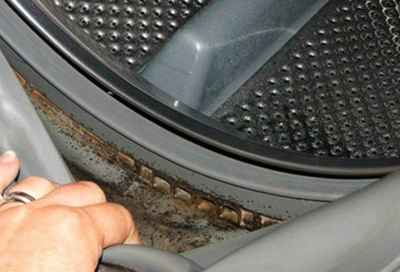
Pull open that rubber door seal. Go slow. You’ll see it. The black, slimy horror show. Use your toothbrush and a bleach solution (1 part bleach to 5 parts water) to scrub like your life depends on it. Get inside the folds. Wipe it all down with your cloths. Rinse the cloths thoroughly. You might need to repeat this. Don’t be gentle. This mold ain’t playing nice, so why should you?
n
I remember seeing this seal for the first time after a year of use. Looked like something crawled out of the primordial ooze and died there. I nearly threw the whole machine out. But a good scrub with bleach… worked. It’s horrifying, but you gotta get in there.
nn
Step 2: The Drum Decontamination Cycle
n
This is where the big guns come in. We’re going to run a cleaning cycle. But not with your clothes. We’re going to use the power of bleach.
nn
Option A: The Bleach Bomb (Recommended for True Mold Havoc)
n
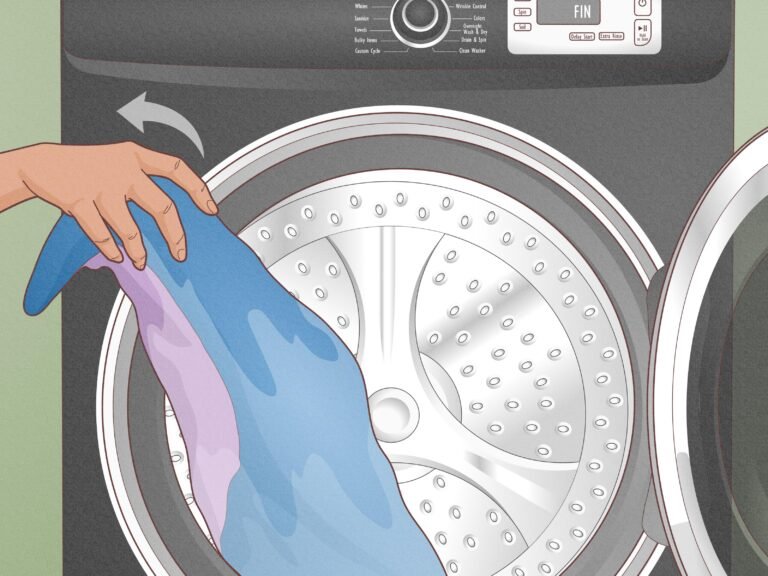
Put about 1 cup of chlorine bleach directly into the detergent dispenser. If you don’t have a dispenser, pour it directly into the drum. Run the machine on its hottest, longest cycle available. Use the ‘sanitize’ or ‘heavy duty’ setting if you have one. Let the machine run its course. Don’t interrupt it.
Watch: How to Clean a Washing Machine (ELIMINATE Smells, Mould …
nn
Option B: The Vinegar Vortex (If You Fear Bleach Like the Plague)
n
Pour 2 cups of white vinegar directly into the detergent dispenser or the drum. Run the machine on its hottest, longest cycle. Again, let it finish. This is less aggressive than bleach, but it can still help. The acidity breaks down some of the residue.
nn
Step 3: The Baking Soda Scrub-Down
n
Once the bleach or vinegar cycle is done, dump that load. Now, we scrub. Make a paste of baking soda and water. Use your old toothbrush and a cloth to scrub the inside of the drum. Pay attention to the door, the edges, anywhere you see residue. Get it all. Then, wipe down the exterior of the machine with a damp cloth.
nn
Step 4: The Rinse Cycle Repeat
n
Now, run another hot water cycle. This time, add about 1/2 cup of baking soda directly to the drum. This helps neutralize any remaining odors and rinses out any lingering cleaning solution. This is crucial. You don’t want your next load of whites to come out smelling faintly of bleach or vinegar.
nn
Step 5: The Thorough Drying
n
This is HUGE. Leave the washing machine door WIDE OPEN after every single wash. And I mean wide open. Let it air dry completely. If you have a front-loader, prop the door open. If you have a top-loader, leave the lid up. This is the single best preventative measure you can take. Trapped moisture is the enemy. Make sure the dispenser drawers are also pulled out to dry. Every. Single. Time.
nn
Tackling Specific Smelly Zones
n
Sometimes the general clean isn’t enough. You gotta hit the hot spots.
nn
The Detergent Dispenser Dread
n
These little drawers are notorious for trapping soap scum and mold. Pull them out completely if you can. Soak them in hot, soapy water with a splash of vinegar or bleach. Scrub them with your toothbrush. Rinse thoroughly and dry completely before reinserting. If they don’t come out easily, use your toothbrush and cleaning solution to scrub them in place. Don’t just wipe them; dig in.
Watch: How to Get Rid of the Mildew Smell in Your Washer | All …
nn
The Filter Fiasco (If Applicable)
n
Some machines, especially front-loaders, have a small filter accessible near the bottom front. This thing catches lint, coins, buttons, and all sorts of nasty stuff. Check your manual. If you have one, pull it out (have a shallow pan and towels ready – water will come out!). Clean it thoroughly under running water. Use your toothbrush for stubborn gunk. Reinsert it securely.
nn
The Drain Hose Horror
n
Less common, but possible. If you’re still getting smells after everything else, the drain hose might be harboring gunk. This is a more advanced fix, usually requiring pulling the machine out. You can try running hot water and vinegar through it, but if it’s truly clogged, you might need professional help or a replacement.
nn
Maintenance: How to Stop the Stink From Returning
n
So, you’ve done the deep clean. You’ve banished the beast. Now what? Don’t get complacent. This smell will come back if you don’t stay on top of it. Think of it like dental hygiene. You don’t just brush your teeth once and call it a day. You gotta do it regularly.
nn
Regular Wipe-Downs
n
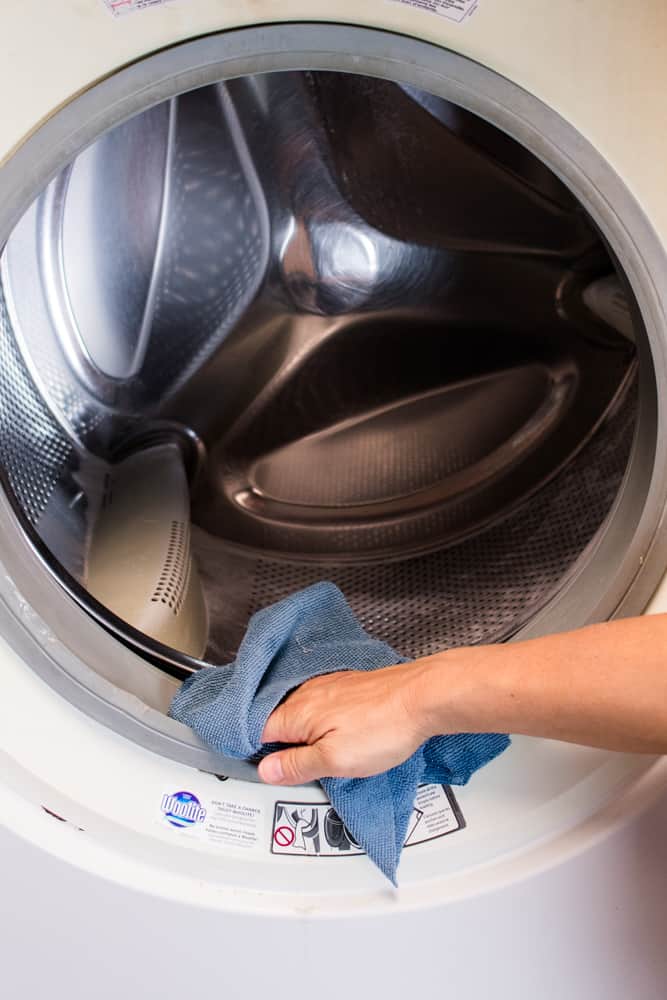
After every wash, take a dry cloth and wipe down the door seal, the inside of the door, and the drum. This takes literally 30 seconds. It’s the easiest way to prevent moisture buildup.

nn
Leave the Door Ajar. Always.
n
I can’t stress this enough. Leaving the door open is paramount. If you have kids or pets that might mess with it, get a small door stopper. It’s a small inconvenience for a stink-free machine. Honestly, it’s not that hard.
nn
Run Hot Cycles Often
n
Aim to run a hot water wash cycle at least once a month. Use an old towel or a load of whites for this. You can add a cup of vinegar or a specialized washer cleaner during this cycle. This helps flush out residue and kill any nascent mold.
nn
Use the Right Amount of Detergent
n
The thing is, more detergent doesn’t mean cleaner clothes. It means more residue. Too much soap stays in the machine, feeding the mold. Follow the manufacturer’s recommendations. HE (High-Efficiency) machines need HE detergent. Use less than you think you need. Seriously. It’s a common mistake people make.

nn
Clean the Dispensers Regularly
n
Don’t wait for them to look gross. Give them a quick clean every few weeks. Pull them out, rinse, scrub, dry. It takes minutes.
nn
Consider Laundry Additives
n
Some people swear by adding a capful of white vinegar to the rinse cycle or a special laundry sanitizer. If you’re particularly prone to mold, this might be worth exploring. Just don’t mix vinegar and bleach. That’s a recipe for toxic gas. Seriously, don’t do it.
nn
When All Else Fails: Professional Help or Replacement
n
Look, if you’ve followed all these steps and your machine still smells like a bog monster’s armpit, it might be time to call in the cavalry. A repair technician might be able to identify a deeper issue, like a blocked vent or a problem with the pump or drain system. But honestly, sometimes these machines are just built to fail. Especially cheaper models. If your machine is old (say, over 7-10 years) and you’re still battling the funk, it might be more cost-effective to just replace it. A new machine might cost $500-$1000, but how much is your sanity worth? How much is breathing clean air worth? I replaced a front-loader in 2021 that smelled perpetually. Cost me $750. Best money I spent that year.
nn
Cost Comparison: DIY vs. Professional vs. New Machine
n
Let’s break it down. You’re looking at different scenarios for getting rid of that persistent washing machine mold smell.
nn
| Option | Estimated Cost (USD) | Time Investment | Effectiveness |
|---|---|---|---|
| DIY Deep Clean (Bleach/Vinegar/Baking Soda) | $10 – $20 (for supplies) | 2-4 hours (initial clean) | High (if done correctly and maintained) |
| Professional Cleaning/Inspection | $100 – $300+ | 1-2 hours (service call) | Moderate to High (depends on technician skill & issue) |
| New Washing Machine Replacement | $500 – $1500+ | A few hours (research, delivery, install) | Very High (guaranteed new, no mold) |
nn
As you can see, the DIY route is the cheapest, but it requires your effort and consistent maintenance. Professional help is a middle ground, good if you suspect a mechanical issue. Replacement is the most expensive but guarantees a fresh start. For most people battling a persistent smell, a good deep clean followed by diligent maintenance is the way to go. If that fails, then you weigh the cost of repair vs. replacement.
nn
Frequently Asked Questions
n
Can I use bleach and vinegar together?
n
Absolutely NOT. Mixing bleach and vinegar creates toxic chlorine gas. It’s incredibly dangerous and can cause severe respiratory damage. Always use them separately, never at the same time, and ensure thorough rinsing between treatments. Ventilate the area extremely well if you use bleach.
n
How often should I clean my washing machine?
n
For a front-loader, aim for a deep clean like the one described above every 1-3 months, depending on usage. For top-loaders, every 3-6 months might suffice. Regardless, regular maintenance (wiping seals, leaving doors open) is crucial after every use.
n
Is it safe to wash clothes in a smelly washing machine?
n
It’s not ideal. While the mold is primarily in the machine, spores can transfer to your clothes, and the smell will linger.