How To Clean Washer Machine With Vinegar
Don’t Be a Slob. Clean Your Damn Washer. Now.
Look. Your washing machine? It stinks. You know it stinks. You put your damp clothes in there and they come out smelling like a gym sock left in a swamp for a week. The thing is, most people just ignore it. They crank up the fabric softener, hoping to mask the funk. Pathetic. This guide is about How To Clean Washer Machine With Vinegar. Simple. Effective. Cheap. No BS.
Why vinegar? Because it’s acid. It cuts through the gunk. Soap scum, mold, mildew. All that nastiness that builds up. Especially if you use those high-efficiency machines. They’re notorious for trapping moisture. Trapping smells. Trapping your dignity.
I remember this one time, back in ’08. My buddy Dave, bless his heart, swore his machine was fine. ‘Smells like lavender,’ he’d say. Yeah, right. One wash cycle with my own homemade vinegar concoction and his machine sounded like a dying walrus. Then the smell? Gone. Replaced by that clean vinegar scent. He was shocked. Honestly, he should’ve been ashamed he let it get that bad.
What You Need. Get It Together.
This ain’t rocket surgery. Grab a few things. Your machine deserves it. More than Dave did.

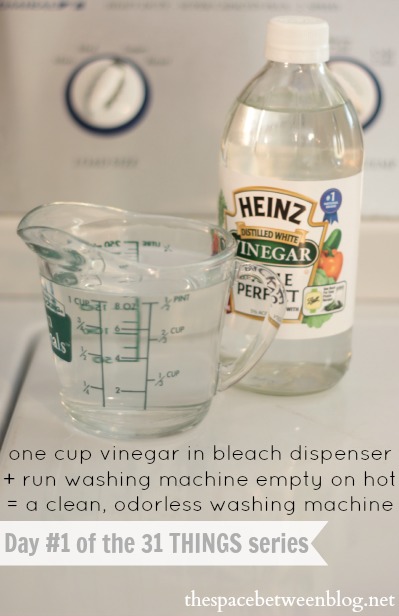
- White Vinegar: The star. Don’t get fancy. Cheap is fine.
- A Rag: For wiping down the obvious spots.
- An Old Toothbrush: For the tight corners.
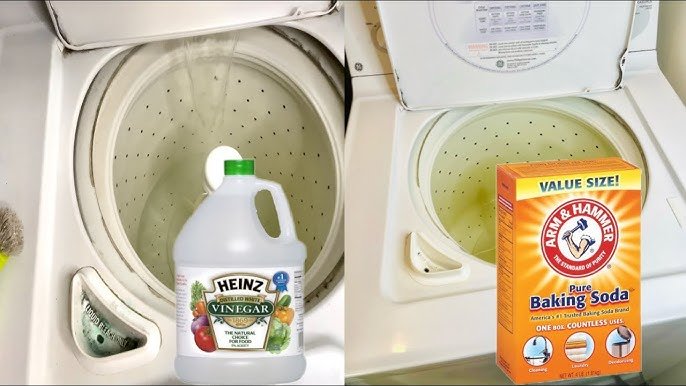
- Optional: Baking Soda: If you’re feeling ambitious. We’ll get to that.
Step One: The Pre-Game Ritual.
Empty the damn machine. No clothes. No socks. No stray tissues. Just an empty drum. Open the door. Let it breathe for a minute. Air it out. It’s probably gasping for fresh air, honestly.
Step Two: The Vinegar Drenching.
Pour about two cups of white vinegar directly into the drum. Yeah, just dump it in. Don’t overthink it. If you have a top-loader, pour it in the agitator. If it’s one of those fancy front-loaders, aim for the detergent dispenser or right into the drum.
Step Three: The Hot Wash. Make It Suffer.
Watch: How To Clean Your Front Load Washing Machine
Now, run the machine. On the hottest water setting you’ve got. Use the longest cycle. Let that vinegar work its magic. Or, you know, its acid-y, grime-busting reality. This is where the real cleaning happens. The heat helps the vinegar break down everything. Soap residue. Mineral deposits. That weird funk you can’t quite identify.
Let it run its course. Don’t interrupt it. It needs to get clean. Just like you do. This cycle is crucial for flushing out the internal components.
Step Four: The Wipe Down. No Excuses.
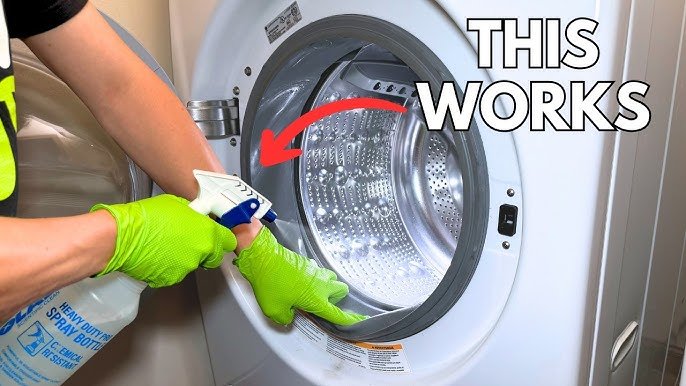
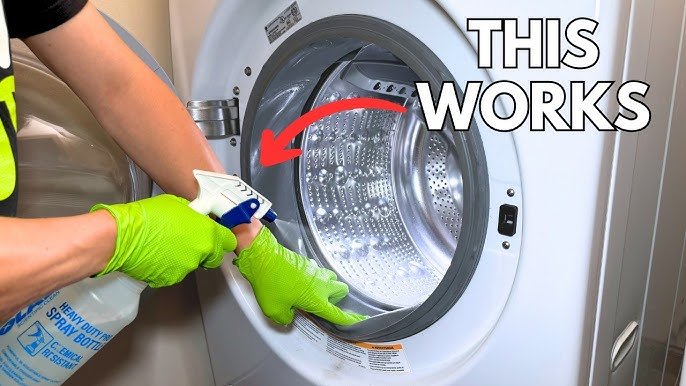
Once the cycle is done, open the door. You might see some lingering residue. Wipe it down. Use your rag. Get into the rubber gasket. That’s a prime spot for mold and mildew. Use that toothbrush for the crevices. Get behind the door seal. Seriously, get in there. Don’t be squeamish. This is where the real nasties hide. I found a pey from 1997 once. Still don’t know how it got there.
Watch: HOW TO CLEAN YOUR WASHING MACHINE! (Quick & Easy!)
Step Five: The Second Rinse Cycle (Optional but Recommended).
To make sure all that vinegar is gone, run another short rinse cycle. Just water. No additives. This ensures no vinegar smell remains. You don’t want your delicates smelling like a salad dressing factory. Unless you do. Who am I to judge?
What About Front Loaders vs. Top Loaders?
Honestly, the process is largely the same. The key difference is where you put the vinegar. For front loaders, the detergent dispenser is a good spot. It’ll get pushed through the machine during the cycle. For top loaders, the agitator is your target, or just right into the drum.
The gasket on front loaders? Pay extra attention there. That little rubber ring is a breeding ground. Mold loves it. Mildew thrives. You gotta get in there with a rag or a toothbrush. Scrub it like you mean it. I’ve seen washers that looked clean on the outside, but that gasket was black. Black! Makes you wonder what else is lurking.
The Baking Soda Bonus Round.
Want to step it up? After the vinegar wash, sprinkle about half a cup of baking soda directly into the drum. Then run another hot water cycle. Baking soda is a mild abrasive and a deodorizer. It helps scrub away any remaining grime and neutralizes any lingering odors. It’s not strictly necessary, but if your machine is truly foul, it’s worth the extra 45 minutes.
How Often Should You Do This?
Every 1 to 3 months is a good rule of thumb. If you do a lot of laundry, especially towels or workout gear, lean towards the shorter end. If you barely use your machine? Maybe every 4-6 months. But honestly, if you start smelling something funky, clean it. Don’t wait for a calendar reminder.
I used to think once a year was enough. Then I moved into an apartment with a machine that was probably original to the building. It smelled like a badger died in it. Took three vinegar cycles and a whole bottle of commercial cleaner to even make a dent. Lesson learned. Prevention is key, people.
Vinegar vs. Bleach: The Showdown.
:max_bytes(150000):strip_icc()/how-to-wash-cloth-diapers-2146226-03-b8b4b7c954624ca98c049eec14a91570.jpg "How To Clean Washer Machine With Vinegar 3")
Most people ask about bleach. Bleach is harsher. It can damage rubber seals over time. While it disinfects, it doesn’t break down soap scum as effectively as vinegar. Vinegar is gentler on your machine’s components. For regular cleaning, stick with vinegar. For a deep sanitizing job on a truly disgusting machine, maybe bleach is an option, but use it sparingly and rinse thoroughly. But honestly, vinegar usually does the trick.
My Machine Is Still Smelly. Now What?
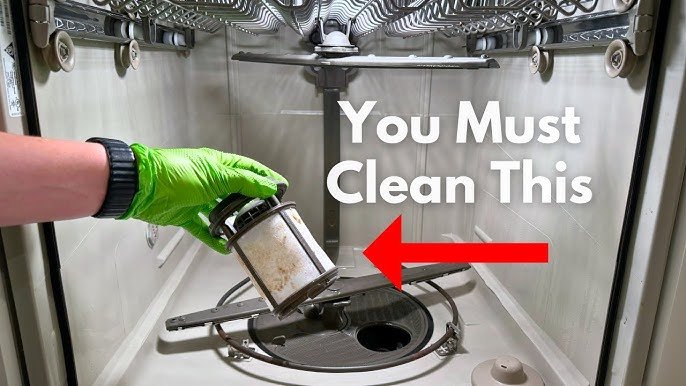
If vinegar isn’t cutting it, you might have a deeper problem. Check the drain pump filter. It’s usually accessible at the bottom front of the machine. It can get clogged with lint, coins, and other junk. Cleaning that out can make a huge difference. If that’s clear and it still stinks? You might need a professional. Or a new machine. But try the vinegar first.
Watch: How To Clean Your Top Load Washing Machine
The first time I tried this on my old Maytag, it took two cycles. The second time, one was enough. Consistency is everything. Don’t expect miracles from a machine that’s been neglected for a decade. But give it a fighting chance.
| Method | Pros | Cons | Best For |
|---|---|---|---|
| Vinegar | Cheap, Effective on soap scum/mildew, Gentle | Can leave a slight odor (temporary), Not a heavy-duty disinfectant | Regular maintenance, General cleaning |
| Bleach | Strong disinfectant | Harsh on parts, Can damage seals, Less effective on soap scum | Severe mold/mildew issues (use cautiously) |
| Commercial Cleaners | Formulated specifically for washers | More expensive, Can contain harsh chemicals | Stubborn odors, Convenience |
Final Thoughts: Just Do It.
Seriously. Stop procrastinating. Your clothes will thank you. Your nose will thank you. This How To Clean Washer Machine With Vinegar method is easy. It’s cheap. It works. Just get it done. A clean machine means cleaner clothes. It’s not rocket science. It’s basic hygiene. Go clean your washer. Now.
Frequently Asked Questions
Can I wash my washer machine with vinegar?
Yes, absolutely. White vinegar is a safe and effective cleaning agent for washing machines. It helps break down mineral deposits, soap scum, and mildew, leaving your machine cleaner and fresher.
How can I deep clean my washing machine?
For a deep clean, use the vinegar method described above, ruing a hot cycle with 2 cups of vinegar. After the cycle, wipe down the drum, gasket, and dispenser. For an extra boost, follow up with a hot cycle using half a cup of baking soda sprinkled directly into the drum. Ensure you clean the drain pump filter as well if accessible.
Can I mix vinegar and baking soda in the washing machine?
You can, but it’s best done in separate cycles for maximum effectiveness. Using vinegar first in a hot wash cycle helps break down grime. Then, adding baking soda for a second hot cycle helps to scrub and deodorize. Mixing them directly might neutralize their cleaning power before they can work properly.
What kind of vinegar should I use?
White distilled vinegar is the best choice. It’s inexpensive and effective. Avoid apple cider vinegar or other colored vinegars, as they could potentially stain parts of your machine.
Will vinegar damage my washing machine?
No, white vinegar is generally safe for most washing machine components when used occasionally for cleaning. It’s a mild acid that breaks down buildup without causing significant damage, unlike harsher chemicals. However, avoid using it excessively or leaving it in the machine for extended periods between washes.