How To Clean Taylor Ice Cream Machine
Taylor Ice Cream Machine Cleaning: No BS Guide
Look, you bought a Taylor. That means you’re serious about ice cream. Or maybe you just got fleeced. Either way, this ain’t a hobby. This is business. And business means cleaning. That’s the long and short of How To Clean Taylor Ice Cream Machine. You don’t clean it? You get shut down. Simple.
I remember my first place. ’89. Old Taylor 791. Smell of burnt sugar and despair. We cleaned it every damn day. Non-negotiable. Miss one day? You’re pulling slime out. No one wants that. Trust me.
The Daily Grind: Your 15-Minute Kill Routine
This ain’t rocket science. It’s just gross if you screw it up. You gotta break it down. Every. Single. Day. Before you open. After you close. No excuses. This is your first line of defense against a health code violation and a customer puking their guts out.
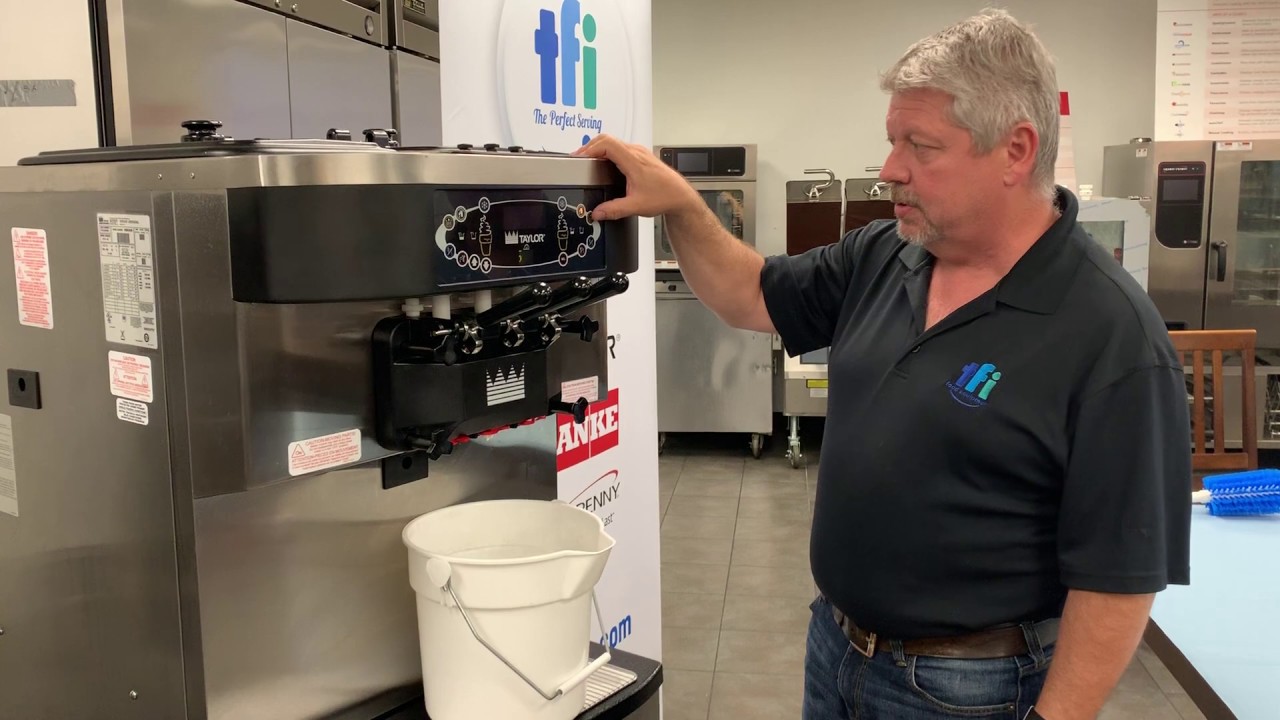
Disassemble the Essentials
Grab your trusty wrench, or whatever tool your specific Taylor model demands. Take off the front door, the beater assembly. The parts that touch the ice cream. Obviously. Don’t be dense.
Scrub Like You Mean It
Use that Taylor-approved cleaning solution. They ain’t cheap, but neither is getting shut down. Get a good brush. A stiff one. Get into every crevice. Think of it like scrubbing a crime scene. Because, honestly, if you don’t, it’s goa be one. A bacterial crime scene.
Rinse. Rinse Again.
Hot water. Lots of it. Make sure all that nasty cleaner is gone. Residue’s bad. Real bad. It affects taste. It attracts more gunk. It’s the enemy.

Sanitize. For God’s Sake, Sanitize.
This is where most clowns mess up. You need a sanitizer. Follow the dilution instructions. Don’t eyeball it. Get it wrong, you’re back to square one. Or worse, you’re making people sick. Dip those parts. Let ’em sit. Manufacturer specs are your bible here.
Air Dry is Key
Don’t towel dry. Towels harbor bacteria. Just let those parts air dry. Completely. Then, reassemble. Clean hands. Clean gloves. Everything sterile.
The Weekly Wipe-Down: Deeper Digging
Once a week, you go harder. This is for the gunk that hides. The stuff that’s plotting its revenge.
Watch: Taylor C712 Soft Serve Machine Cleaning & Disassembly
Hit the Exterior
Wipe down the whole damn machine. Inside and out. The control panel. The drip tray. Everywhere. Grease and dust ain’t a good look. And they sure as hell ain’t sanitary.
Check the Seals and Gaskets
These little rubber bastards? They hide crap. Pull ’em off if you can. Clean ’em. Inspect ’em. Replace ’em if they’re cracked or degraded. A bad seal is an open invitation for contamination.
Lubricate Moving Parts
Watch: Flush and Clean a Taylor C723 soft serve machine
Taylor makes specific lubricant. Use it. On the O-rings, the shafts. Keep the machine happy. A happy machine runs better. And it screams less when you’re trying to clean it.
Monthly/Quarterly: The Nuclear Option
Depending on your volume. You might need to pull out the big guns monthly. Or quarterly. This is deep. This is serious.
Full System Flush
Some models have a pump flush. Some require more manual intervention. You’re basically ruing cleaning solution through the entire system. All the pipes. All the nooks. This is where you catch the stuff you missed daily. This costs time. It costs money. But it saves your ass.
Inspect the Condenser Coils
Dust buies on the condenser? Your machine’s working overtime. It’s less efficient. It’s goa overheat. Clean those coils. Gently. Use a brush or compressed air. Don’t bend the fins. That’s just amateur hour.
Tools of the Trade: What You Actually Need

Don’t skimp here. Cheap tools mean a bad job. A bad job means a shut down. The thing is, Taylor parts and cleaners ain’t cheap. So why cheap out on the tools?
| Item | Purpose | Notes |
|---|---|---|
| Taylor Approved Cleaning Solution | Daily cleaning | Crucial. Don’t substitute. |
| Taylor Approved Sanitizer | Sanitizing | Follow dilution exactly. |
| Stiff Bristle Brushes | Scrubbing | Variety of sizes. |
| Wrench/Disassembly Tool | Taking parts off | Model specific. |
| Food Grade Lubricant | O-rings, shafts | Keeps things moving. |
| Buckets | Holding solution/water | Clean ones, obviously. |
| Clean Towels/Rags | Wiping exterior | Never for internal parts. |
Common Mistakes: What NOT To Do
I’ve seen it all. The shortcuts. The ‘genius’ ideas. They usually end in disaster. So, learn from my pain. And everyone else’s.
Using the Wrong Chemicals
Bleach? Soapy water? No. Just no. You’ll damage the machine. You’ll leave residue. You’ll fail inspection. Stick to what Taylor says. It’s not a suggestion.
Skipping Steps
Watch: Cleaning Your Taylor C712 Soft Serve Machine with Modern …
Think you can skip sanitizing? Think again. Think you can skip disassembly? You’re dreaming. Every step is there for a reason. Don’t get cute.
Not Cleaning Often Enough
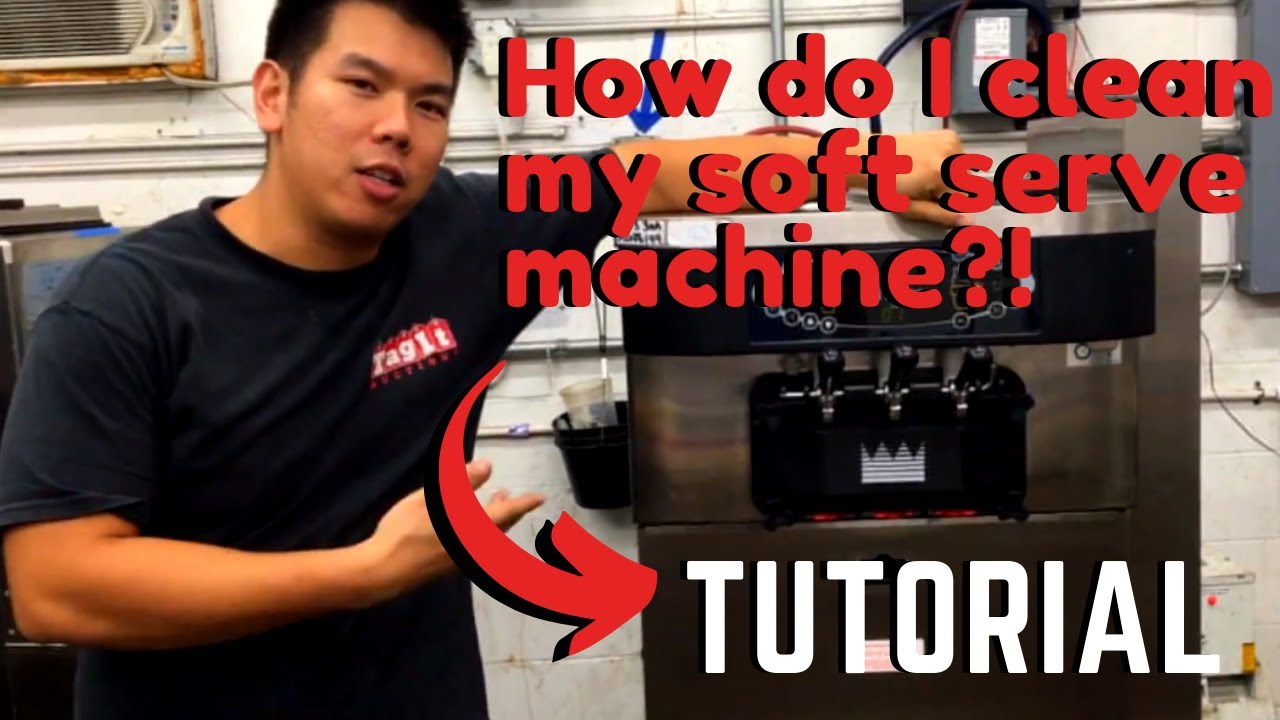
This is the big one. You get busy. You get lazy. You let it slide. That’s when the real problems start. Growth. Smells. Sick customers. Your business tanks. It’s a slippery slope, man.
Ignoring Maintenance
Cleaning is maintenance. But there’s more. Leaks? Strange noises? Weird tastes? Get it fixed. Don’t wait until the machine dies completely. The repair bill will be astronomical. I once had a compressor go in July. Cost me three grand. Three grand I could’ve used for, you know, profit.
Training Your Staff: The Human Element
You can have the best machine, the best chemicals. If your staff are idiots, you’re screwed. Train ’em right. Show ’em. Make ’em do it. Watch ’em. Until they get it. No more ‘I forgot.’ No more ‘I didn’t know.’ Everyone on the team needs to know how to clean the Taylor ice cream machine. It’s their job. It’s your business.
Frequently Asked Questions
How to clean an ice cream machine Taylor?
You clean a Taylor ice cream machine by following a strict daily, weekly, and monthly routine. This involves disassembling key parts like the front door and beater assembly, scrubbing them with approved cleaning solutions and brushes, rinsing thoroughly, sanitizing with approved chemicals, and allowing parts to air dry before reassembly. Regular maintenance includes cleaning the exterior and checking seals.
How often should you clean a Taylor ice cream machine?
You should clean the accessible parts of a Taylor ice cream machine daily, both before opening and after closing. Deeper cleaning of the exterior and seals should be done weekly. A full system flush and inspection of components like condenser coils might be needed monthly or quarterly, depending on usage volume and manufacturer recommendations.
How to clean an ice cream machine?
Cleaning any ice cream machine involves a multi-step process: disassembly of food-contact parts, washing with appropriate detergents, rinsing, sanitizing with approved solutions, and allowing parts to air dry completely before reassembly. The frequency and depth of cleaning depend on the specific machine’s design and manufacturer guidelines, but daily cleaning is generally recommended for operational hygiene.
What are the risks of not cleaning an ice cream machine?
Not cleaning an ice cream machine poses significant risks, including the rapid growth of harmful bacteria like Listeria and E. coli, leading to foodborne illnesses and potential customer sickness. This can result in damaged reputation, legal liabilities, fines from health departments, and even business closure. Additionally, uncleaned machines suffer from reduced efficiency, increased wear and tear, and ultimately, shorter operational lifespan.
Can I use household cleaners on my Taylor machine?
Absolutely not. Household cleaners, even those that seem mild like dish soap or bleach, are not formulated for the specific materials and food safety requirements of a Taylor ice cream machine. They can degrade seals, damage internal components, leave harmful chemical residues that affect taste and safety, and will likely void your warranty. Always use Taylor-approved cleaning and sanitizing solutions.