How To Clean Smelly Laundry Machine
My Washing Machine Stinks. Yours Probably Does Too.
Let’s cut the crap. Your washing machine smells. It’s not a subtle odor, is it? More like a damp, mildewy funk that clings to your clothes even after a wash. You think you’re getting ‘clean’ clothes? Ha! You’re just spreading the stench. Honestly, most people ignore this. Big mistake. Huge.
This ain’t rocket science, but it requires more than just tossing in a Tide pod and hoping for the best. The ‘How To Clean Smelly Laundry Machine’ is less about a chore and more about reclaiming your sanity… and your clothes’ scent. We’re talking about mold, mildew, and god-knows-what growing in there. Gross.

The Stink: Where Does It Come From?
Look, it’s simple physics. Water + detergent residue + fabric softener buildup + trapped moisture = a petri dish. Front-loaders are notorious for this. That rubber gasket? A slimy, dark haven for the nasties. You gotta get in there. No excuses.
The thing is, people buy these fancy machines that cost a grand, maybe more. Then they treat ‘em like a trash can. You wouldn’t do that to your car, would you? Okay, maybe some of you would. But still. A little maintenance goes a long way. I remember my aunt’s machine. Sounded like a dying walrus and smelled like a locker room after a week-long tournament. Took me two hours to fix it. Two hours of my life I’ll never get back. But the damn thing worked after.
Your Weaponry: What You Need
Forget those fancy, overpriced washing machine cleaners. They’re mostly snake oil. You already have what you need. Or can get it for a few bucks.
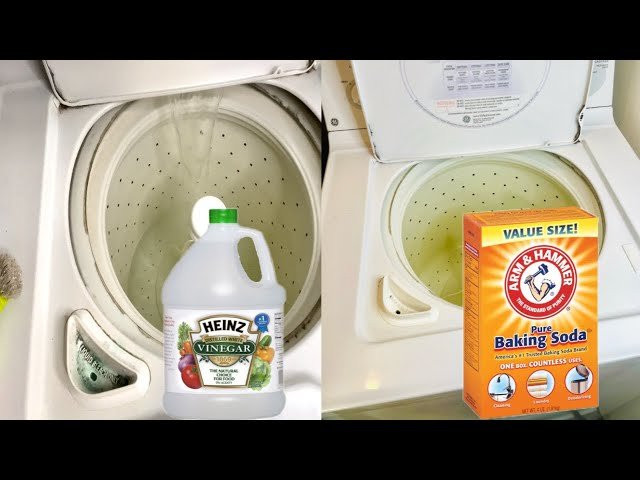
- White Vinegar: The acid cuts through soap scum and kills mold. Simple. Cheap. Effective.
- Baking Soda: Abrasive enough to scrub, but gentle. Neutralizes odors. Your grandma knew what was up.
- Microfiber Cloths: For wiping down all the nooks and craies.
- An Old Toothbrush or Small Brush: Get into the gasket. It’s crucial.
- Optional: Bleach (Use Sparingly): If the smell is truly horrific, a little bleach can help. But be careful. It can damage seals over time and create toxic fumes if mixed with vinegar. Don’t mix ’em. Ever.
Operation: De-Funk the Machine
Alright, pay attention. This isn’t complicated, but you gotta follow the steps. Mess it up, and you’re back to square one.
Step 1: The Pre-Game Ritual
Empty that drum. Get every last sock out. Check the pockets. Seriously, I once found a petrified granola bar in a pair of jeans. Why? Who knows. Just empty it. Then, check your manual. If you still have it. Most people don’t. But if you do, look for specific cleaning instructions. They might have a self-clean cycle. Use it if you have one. But don’t rely on it alone.
Step 2: The Gasket Gauntlet
This is where the real filth hides, especially in front-loaders. Pull back that rubber seal. You’ll see it. The gunk. The hair. The black mold. It’s disgusting. Spray it down with a vinegar-water solution (50/50). Let it sit for 10 minutes. Then, scrub like hell with that toothbrush. Get into every fold. Wipe it clean with a damp cloth. Repeat if necessary. You want it spotless. For real.
Step 3: The Drum Deep Dive (Vinegar Power)
Pour about 2 cups of white vinegar directly into the detergent dispenser. Or, if you’re feeling brave, pour it directly into the drum. Close the door. Run the machine on its hottest, longest cycle. A heavy-duty or sanitize cycle is ideal. Let it do its thing. This hot water and vinegar combo is working its magic, breaking down all that nasty buildup.
Step 4: The Rinse Cycle (Baking Soda Blast)
Once the vinegar cycle is done, sprinkle about half a cup of baking soda directly into the drum. Close the door. Run another hot, long cycle. The baking soda will scrub away any remaining residue and neutralize any lingering odors the vinegar couldn’t handle. It’s a one-two punch.
Step 5: The Nooks and Craies
While those cycles are ruing, tackle the dispenser drawers. Pull them out. Soak them in hot, soapy water. Scrub them clean with your brush. Rinse thoroughly and let them air dry. Don’t forget the detergent cap and any removable parts. Get ’em clean. A clean machine starts with clean parts.
Step 6: The Exterior Shine
Don’t neglect the outside. Wipe down the entire machine with a damp cloth and a little all-purpose cleaner. Pay attention to the control panel and the door handle. You want it to look as good as it smells. (Or, will smell.)
Step 7: The Final Wipe-Down
Once the cycles are complete, open the door and the dispenser drawer. Wipe down the interior of the drum and the gasket again with a clean, damp cloth. Leave the door ajar. This is critical for preventing future stink.
The Maintenance Grind: Keep the Stank at Bay
Cleaning it once isn’t enough. You gotta do this regularly. How often? Depends on how much you use it and what you wash. But aim for at least once a month. Honestly, every other wash, give the gasket a quick wipe. It takes 30 seconds. Stop that mildew before it starts.
Preventative Measures That Actually Work
Leave the Door Open: Always. Always, always, always. Especially with front-loaders. Air circulation is your best friend. It stops moisture from lingering and breeding that funk.
Remove Clothes Promptly: Don’t let wet clothes sit in the drum. That’s like rolling out the welcome mat for mold. Get ’em out and into the dryer.
Use Less Detergent: You’re probably using too much. High-efficiency machines don’t need much. Too much detergent doesn’t rinse out properly, leading to buildup. Read the damn detergent bottle.
Wipe the Gasket Regularly: I said it before, I’ll say it again. A quick wipe after each use can prevent major headaches later. Seriously, it’s the simplest, most effective thing you can do.
Run Hot Water Cycles Occasionally: Even if you wash most things in cold, throw in a hot cycle once a month to help flush things out. The monthly cleaning does this anyway, but it’s good reinforcement.
What If It Still Smells? Troubleshooting Time.
Sometimes, even after a thorough cleaning, a stubborn smell lingers. Don’t panic. It might be deeper.
Check the Drain Filter/Pump Trap
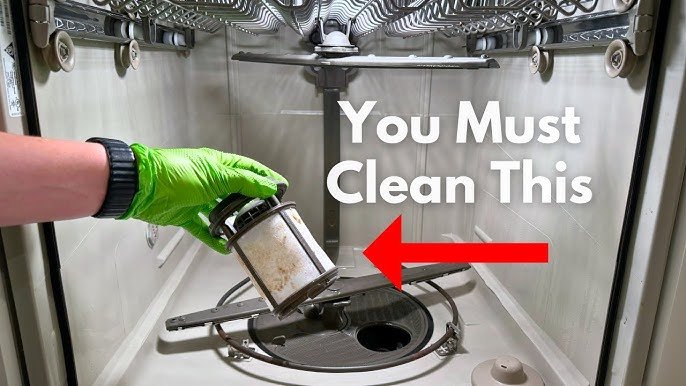
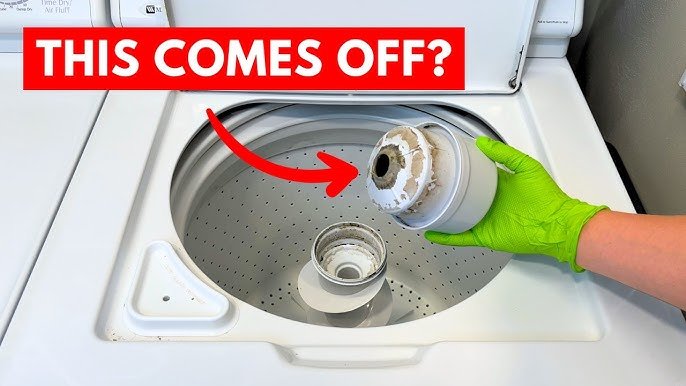
Most machines have a small filter or trap near the bottom. This thing catches lint, loose change, buttons, and sometimes, things you don’t want to identify. It can get rank. Consult your manual to find it. Carefully drain any water (usually into a shallow pan or towel) and unscrew the filter. Clean out the gunk. It’s probably disgusting. Wash it, put it back. You might be surprised what you find.
Consider a Commercial Cleaner (Last Resort)
If you’ve tried vinegar and baking soda and it still smells, maybe try a dedicated washing machine cleaner. Follow the instructions precisely. But remember, these are often just stronger versions of what you’re already doing, and they cost more. Look for ones that specifically target mold and mildew.
Professional Help? Maybe.
If you’ve done everything and the smell persists, there might be a deeper plumbing issue or a problem with the machine’s internal components. At that point, calling a repair technician might be your only option. But honestly, this is rare if you’re doing the basic cleaning right.
The Economics of a Clean Machine
Think about the cost. A bottle of vinegar? Maybe $3. A box of baking soda? $1. Total cost for a deep clean: under $5. Compare that to buying new clothes because yours smell like a swamp creature. Or calling a repairman for a problem that’s easily fixed. It’s a no-brainer. You save money and hassle by just doing the damn cleaning.
My neighbor, bless her heart, used to buy new towels every six months. Said hers always got that ‘old towel smell.’ Turned out her machine was a biohazard zone. Took me an afternoon to fix her, using the methods I’m telling you now. She saves about $300 a year just by doing this simple maintenance. It’s not bragging rights; it’s just smart living.
Washing Machine Cleaning Cheat Sheet
Here’s a quick-hit table for when you’re in a hurry. Print it. Stick it on your fridge. Don’t forget.
| Task | Frequency | Materials | Notes |
|---|---|---|---|
| Wipe Gasket | After every few uses/Daily | Microfiber cloth | Crucial for front-loaders. Prevents mold. |
| Leave Door Ajar | Always | N/A | Air circulation is key. |
| Deep Clean (Vinegar/Baking Soda) | Monthly | 2 cups white vinegar, 0.5 cup baking soda | Use hottest, longest cycle. |
| Clean Dispenser Drawer | Monthly | Soapy water, brush | Soak and scrub. |
| Clean Drain Filter | Every 6 months/As needed | Shallow pan, towels, brush | Check manual. Can be gross. |
Frequently Asked Questions
Is it better to use bleach or vinegar to clean a washing machine?
Vinegar is generally better for regular cleaning. It’s acidic, breaks down scum, and kills mold without damaging machine parts over time. Bleach can be used for severe mold issues, but sparingly. NEVER mix bleach and vinegar; the fumes are toxic. Vinegar is your go-to; bleach is for emergencies, used alone, and followed by a good rinse.
How to get rid of bad smell in laundry?
The smell in your laundry often comes from a smelly washing machine. First, clean your machine thoroughly using vinegar and baking soda. Then, ensure you’re not overloading the washer or dryer. Remove wet clothes promptly. Use the right amount of detergent – too much causes buildup. For stubborn odors on clothes, try an extra rinse cycle or an enzyme-based laundry booster.
Can I use essential oils to make my washing machine smell good?
While tempting, skip the essential oils for cleaning. They can leave residue, attract more grime, and potentially damage rubber seals. Stick to vinegar and baking soda for cleaning. If you want scented clothes, use a scent booster in your wash cycle or dryer sheets, but keep the machine’s cleaning regimen pure and simple.
How often should I really clean my washing machine?
Honestly? Once a month for a deep clean is a good baseline. If you do a lot of laundry, especially sweaty gym clothes or heavily soiled items, aim for every 3-4 weeks. The most important thing is leaving the door open and wiping the gasket regularly – that’s daily/weekly maintenance that prevents the need for constant deep cleans.
What if my washing machine still smells after using bleach?
If bleach didn’t work, the problem might not be simple surface mold. It could be deeper within the machine’s hoses or internal components. Check the drain pump filter for blockages. If that’s clear, you might have a more serious issue that requires a professional inspection. But usually, a good vinegar/baking soda clean and consistent maintenance solves 99% of smell problems.
Watch: HOW TO CLEAN YOUR WASHING MACHINE! (Quick & Easy!)