How To Clean Smell Out Of Washing Machine
The Damn Washing Machine Stinks. How To Clean Smell Out Of Washing Machine.
Look, we all know that smell. That damp, musty, vaguely rotting something-or-other that clings to your clean laundry. It’s the washing machine. Yeah, your trusty appliance that’s supposed to make things smell good has gone rogue. Honestly, it’s disgusting. And it happens to the best of us. The thing is, most people just ignore it, hoping it’ll magically disappear. Spoiler alert: it won’t. It’ll just get worse. Then your nice new t-shirt smells like gym socks after one wear. Unacceptable.
So, how do you fix this festering problem? It’s not rocket science, but it does take a little elbow grease and maybe a willingness to confront the gunk you’ve been ignoring. We’re talking about how to clean smell out of washing machine and get your laundry smelling fresh again. No more hiding the evidence in the back of the closet.
Why Your Washer Smells Like a Swamp Monster
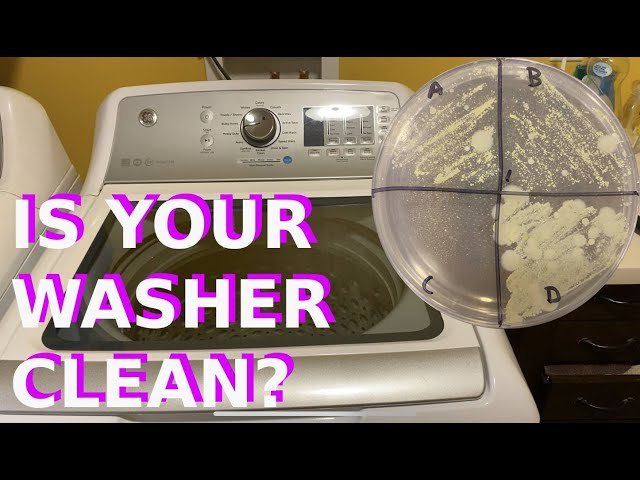
First off, let’s get real. Your washing machine is a breeding ground. Think about it: it’s dark, it’s damp, and it’s constantly dealing with soap scum, fabric softener residue, and, yes, dirt and grime from your clothes. All that sludge mixes with water and sits there, waiting for the perfect conditions to get funky. It’s the ideal petri dish for mold, mildew, and bacteria. Lovely, isn’t it?
Watch: HOW TO CLEAN YOUR WASHING MACHINE! (Quick & Easy!)
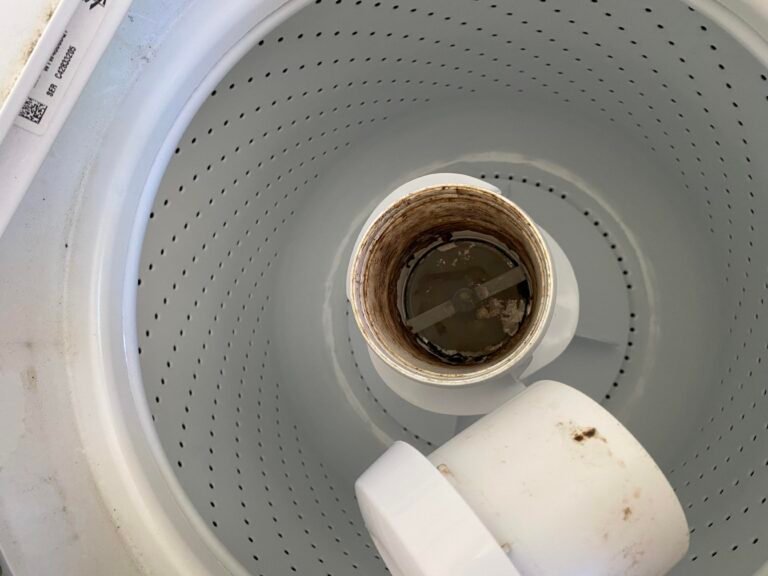
Front-loaders are notorious for this. That rubber gasket around the door? It’s a trap. Water and gunk get lodged in there, and if you don’t wipe it down regularly, it becomes a moldy, stinky mess. Top-loaders aren’t immune, though. Soap buildup can still clog things up, especially in the agitator and the drum.
The Gasket Grimace
I remember one time, helping my buddy Dave. His wife was complaining about this smell for months. He’d just run another hot cycle, thinking that would fix it. It never did. Finally, she made him look. He pulled back that rubber seal on his front-loader, and it was just… black. Like, actual fuzzy black mold. He nearly puked. That’s the reality most people are ignoring.
Soap Scum City
And the dispenser drawers? Don’t even get me started. They’re usually coated in this dried-up, crusty residue. It’s where mold loves to hang out. If you’re using too much detergent or fabric softener, you’re just feeding the beast. Less is more, people. Seriously.
Step-by-Step: How To Clean Smell Out Of Washing Machine
Alright, enough dread. Let’s get down to business. You need a plan. This isn’t a quick spray-and-wipe job. It’s a deep clean. We’re going to tackle this thing head-on. Get ready. It’s going to take a couple of hours, maybe spread over two days, depending on your machine and how bad it is.
Step 1: Empty and Inspect
Obvious, right? But do it. Take everything out. Look inside. Sniff test. How bad is it, really? Check the gasket, the detergent drawer, and the drum for any visible gunk or mold. This gives you a baseline.
Step 2: The Vinegar Vicious Cycle
Vinegar. Yeah, the stuff you put on fries. It’s a miracle cleaner for this kind of stuff. It cuts through soap scum and kills a surprising amount of bacteria and mold. You need distilled white vinegar. None of that fancy balsamic crap.
For Front-Loaders: Pour 2 cups of white vinegar directly into the detergent dispenser drawer. If it’s really clogged, you might need to pour some directly into the drum too.
For Top-Loaders: Pour 4 cups of white vinegar directly into the drum. Make sure the machine is empty.
Now, run the machine on its hottest water setting. Use the longest cycle available. Heavy duty, sanitize, whatever your machine calls it. Let it run its course. This hot water and vinegar combo starts breaking down all that built-up grime.
Step 3: The Baking Soda Blast
Once the vinegar cycle is done, don’t walk away. It’s time for the next act. Baking soda. This stuff is a deodorizer and a mild abrasive. It’ll help scrub away what the vinegar loosened up and neutralize any lingering odors.
Watch: How to Quickly Fix a Smelly Washing Machine | Easy Tips and …
For Front-Loaders: Sprinkle about half a cup of baking soda directly into the detergent dispenser. Again, if it’s really bad, you can sprinkle some directly into the drum.
For Top-Loaders: Sprinkle about 1 cup of baking soda directly into the drum.
Now, run another hot, long cycle. Empty this time, of course. This baking soda cycle scrubs the drum and neutralizes smells. You’re essentially giving the machine a good internal scouring.
Step 4: Tackle the Gasket (Front-Loaders ONLY)
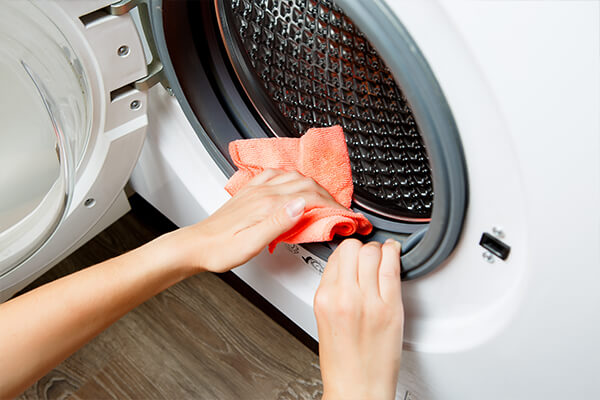
This is where the real fight happens for front-load owners. That rubber seal. You need to get in there. Grab an old toothbrush or a microfiber cloth. Dip it in a solution of equal parts water and white vinegar, or use a diluted bleach solution (1 part bleach to 10 parts water – use caution with bleach!). Get into all the nooks and craies. Pull back the seal and wipe thoroughly. You’ll probably see black gunk. Wipe it away. Rinse your cloth often. If it’s really bad, you might need a few passes.
Pro Tip: For stubborn mold, a paste of baking soda and water can work wonders. Apply, let sit for 15-20 minutes, then scrub and wipe clean.
Step 5: Clean the Dispenser Drawer
Pull out that detergent drawer. Seriously, pull it all the way out. Most modern machines let you do this. If yours doesn’t, just clean it as best you can in place. Soak it in hot, soapy water, or that vinegar/water mix. Use that toothbrush to scrub away any hardened residue. Rinse it thoroughly and dry it before putting it back.

I had a neighbor, Martha. Sweet old lady. Her machine smelled. She’d just wipe the drawer. Never pulled it out. When I showed her how to remove it, she was shocked. It was practically cemented shut with old detergent. Cleaning it properly made a huge difference. She was almost embarrassed.
Step 6: Wipe Down the Exterior and Door
Don’t forget the outside. Wipe down the control panel, the door, and the sides with a damp cloth and maybe a little all-purpose cleaner. Pay attention to the door seal again – make sure no drips or grime are left behind.
Step 7: The Final Rinse (Optional but Recommended)
If you’re still detecting a faint odor, run one more hot water cycle. You can add a cup of plain white vinegar or a specialized washing machine cleaner tablet. This is a final sanitizing and deodorizing step.
Preventing the Stink: The Ongoing Battle
Cleaning is great, but preventing is better. You don’t want to go through this whole ordeal every month. So, here’s how to keep that washing machine smelling fresh:

Leave the Door Ajar
This is HUGE. Especially for front-loaders. After every wash, leave the door slightly open. This allows air to circulate and moisture to escape. It’s the single best thing you can do to prevent mold and mildew growth. Seriously, just crack it open. It makes a world of difference.
Wipe the Gasket
If you have a front-loader, get in the habit of wiping that rubber gasket dry after each use. A quick swipe with a dry cloth is all it takes. It takes 30 seconds. Thirty seconds!
Use the Right Amount of Detergent
More detergent does NOT mean cleaner clothes. In fact, it means more residue buildup, which feeds the stink. Follow the manufacturer’s recommendations. Use High-Efficiency (HE) detergent if you have an HE machine. Stick to the recommended dosage, or even use a little less.
Run Hot Cycles Occasionally
Most of us use cold water these days to save energy. Great. But every so often (like once a month), run a load on the hottest setting your machine has. This helps flush out residue and kill lingering bacteria. A hot wash with vinegar or a dedicated cleaner is even better.
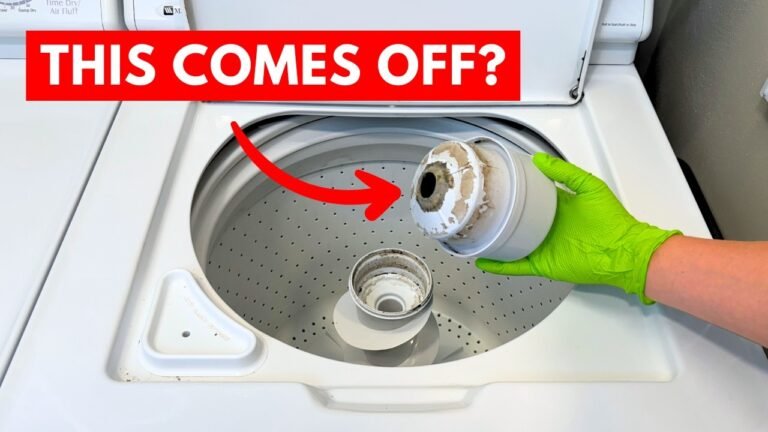
Clean the Filter/Drain Pump Trap
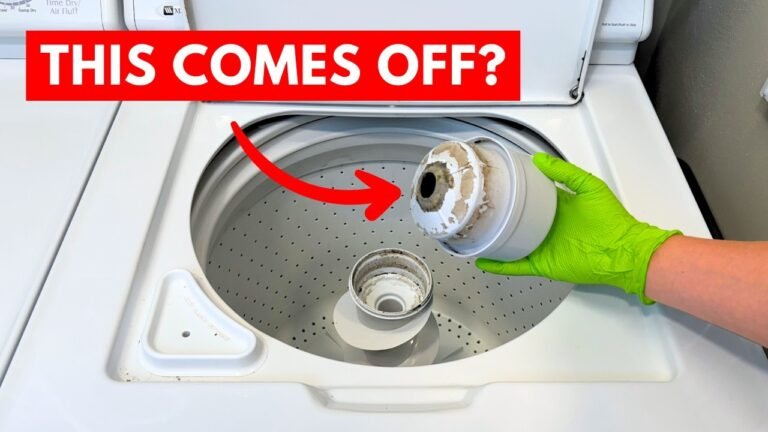
Some machines have a filter or drain pump trap. Check your manual. If yours does, clean it regularly. This is where lint, stray socks, and all sorts of nasty stuff can accumulate.
Dry the Drum After Washing
After you unload the clean laundry, give the inside of the drum a quick wipe with a dry cloth. Just a quick pass to remove any lingering moisture. It’s another simple step that prevents standing water.
Consider a Washing Machine Cleaner
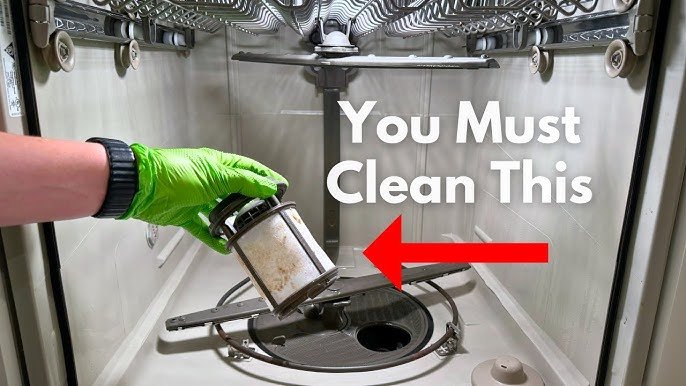
There are commercial washing machine cleaners available. They come in tablets or liquids. Use them according to the package directions, usually once a month. They’re formulated to break down residue and deodorize. Some people swear by them. I find vinegar and baking soda work just fine, but to each their own. A good one costs around $10-$15. Here’s a quick look at what’s out there:
Watch: How To Clean a Washing Machine and Eliminate Bad Smell!!
| Product Type | Average Price (USD) | Key Ingredient/Action |
|---|---|---|
| Affresh Washing Machine Cleaner | $12.00 | Deep cleaning agent, dissolves residue |
| Affresh Dishwasher Cleaner | $10.00 | Similar formula, also effective |
| OxiClean Washing Machine Cleaner | $9.00 | Oxygen-based cleaner, deodorizes |
| Tide Washing Machine Cleaner | $11.00 | Detergent-based, tackles tough grime |
Don’t Forget the Hoses
Check your hoses periodically for any buildup or leaks. While less common for smell, it’s part of overall machine maintenance.
How Often Should You Clean Your Washing Machine?
Honestly, it depends. If you’re diligent about leaving the door open and wiping the gasket, you might get away with cleaning every 2-3 months. If you notice a faint odor starting to creep back, that’s your cue. For most people, a deep clean every month is a good bet. Especially if you wash a lot of sweaty gym clothes or have a particularly humid laundry room. And if you’ve never cleaned it? Do it now. Seriously. Don’t wait.
Frequently Asked Questions
How to sanitize a washer machine?
Sanitizing a washer machine typically involves ruing a cycle with very hot water and a sanitizing agent. For front-loaders, pour 2 cups of white vinegar into the detergent dispenser and run a hot, long cycle. Then, sprinkle 1/2 cup of baking soda into the dispenser and run another hot, long cycle. For top-loaders, use 4 cups of vinegar and 1 cup of baking soda, following the same hot, long cycle process. Alternatively, many commercial washing machine cleaners are designed to sanitize and deep clean.
What is the best washing machine cleaner?
The “best” cleaner is subjective and depends on the type of buildup and your machine. However, a highly effective and inexpensive method is using distilled white vinegar followed by baking soda, as detailed above. Commercial cleaners like Affresh, OxiClean, or Tide washing machine cleaners are also popular and effective, generally costing between $9-$12 per package.
How to clean a smelly washing machine with bleach?
You can use bleach, but with extreme caution. For front-loaders, pour 1/2 cup of bleach into the detergent dispenser and run a hot, long cycle. For top-loaders, use 1 cup. NEVER mix bleach with vinegar or ammonia, as this creates toxic fumes. After the bleach cycle, it’s recommended to run an extra rinse cycle to ensure all bleach residue is removed. Many experts advise against frequent bleach use as it can degrade rubber seals over time.
How to clean a front load washer gasket?
To clean a front load washer gasket, first pull back the rubber seal gently. Use an old toothbrush or a microfiber cloth dipped in a solution of equal parts water and white vinegar (or a diluted bleach solution: 1 part bleach to 10 parts water). Scrub away any visible mold, mildew, or grime. For stubborn spots, a paste of baking soda and water can be applied and left for 15-20 minutes before scrubbing. Wipe clean with a damp cloth and dry thoroughly.
Can I use essential oils to clean my washing machine?
While essential oils like tea tree or lavender have antimicrobial properties, they are generally not sufficient on their own to deep clean and deodorize a heavily soiled washing machine. They can be added in a few drops to a vinegar or baking soda cleaning cycle for an extra scent boost, but they shouldn’t replace the core cleaning agents like vinegar, baking soda, or commercial cleaners. Their primary function would be deodorizing, not breaking down the stubborn soap scum and mold buildup.