How To Clean Scotsman Ice Machine
So, You Waa Know How To Clean Scotsman Ice Machine? Good. Let’s Not Screw This Up.
Look, nobody likes cleaning. Especially not a dirty ice machine. But if you’ve got a Scotsman, you’re already ahead of the game. They make decent gear. The thing is, even the best machines get gummed up. Scale. Slime. Whatever. It’s a breeding ground for nasties. You don’t want that in your ice. Nobody does. Honestly, ignoring this is just asking for trouble. Broken machine. Gross ice. Lost business. All because you couldn’t be bothered for an hour or two. We’re goa fix that. Right here. Right now.
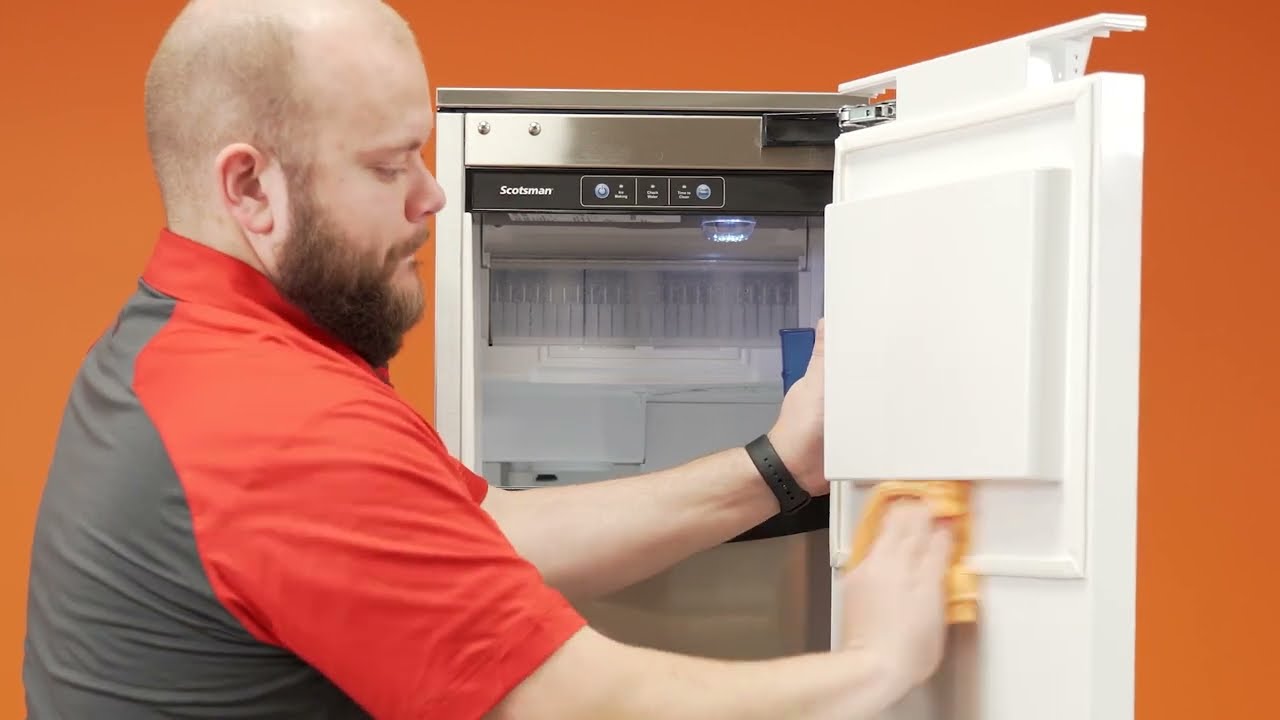
This ain’t some fluffy manual. This is the straight dope. How to get your Scotsman sparkling. How to keep it ruing smooth. We’re talking about making ice so clean, it’s practically a religious experience. Or at least, not a biohazard. The goal? Clean ice. Happy customers. Less downtime. Simple.
Why Bother Cleaning Your Scotsman? It’s Not Just About Looks.
You think that white crust building up is just ‘character’? Wrong. That’s mineral scale. It chokes your water flow. Kills your efficiency. Makes your machine work harder. Uses more power. Costs you money. Every single day.
Then there’s the slime. Biofilm. Yeah, it’s as gross as it sounds. Bacteria love that stuff. You want your customers sipping on bacteria soup? Didn’t think so. A clean machine means cleaner ice. That’s it. That’s the whole damn point.
I remember back in ’08. Diner I worked at. Old Manitowoc. Never cleaned. Ever. Until one summer day, it just stopped. Dead. Turned out the water valve was completely clogged with scale. Had to shut down service for two days. Lost a fortune. Never again. Scotsman’s tough, but they ain’t invincible. Don’t be that guy.
When Should You Actually Be Cleaning This Thing?
The manual says something about every six months. That’s a baseline. A suggestion. For most places, especially if you’re in a hard water area? You’re goa need to do it more often. Think 3-4 months. Maybe even 2 if you’re really pushing it. Monitor it. Look at the machine. If you see scale, if the ice looks cloudy, if the water flow seems weak… clean it.
Look: Seasonal changes matter. If your water quality fluctuates, adjust your schedule. Summer months, when water usage spikes and water temps might rise, can be prime time for buildup. Be proactive. Don’t wait for a breakdown. The cost of a breakdown? Way higher than a little preventative cleaning.
What Parts of Your Scotsman Need Attention?
It ain’t just one thing. You gotta hit it all. The water system. The ice storage bin. The exterior. Everything.
- Water System: This is critical. Filters, water lines, pumps, spray arms. Everything that touches the water or ice.
- Ice Bin: Where the magic happens. Needs to be spotless. No old ice, no slime.
- Exterior: Yeah, even the outside. Keep it clean. Looks professional. Prevents dust buildup.
Let’s Get Down To It: How To Clean Scotsman Ice Machine – The Step-by-Step Breakdown.
Alright, pay attention. This is where the rubber meets the road. You’ll need some supplies. Don’t cheap out. Get the Scotsman cleaner and descaler. Or a reputable equivalent. Water. Gloves. A brush. Maybe a small screwdriver. Safety glasses, for crying out loud.
Step 1: Shut Down & Empty
First thing’s first. Turn the machine OFF. Not just the ice-making function, the whole damn thing. Unplug it. You don’t want any juice ruing while you’re messing with water and metal. Then, get all the ice out of the bin. Use a clean scoop. Dump it. Don’t let it melt in there. Clean the bin as best you can while it’s empty. Get the big chunks out.
Step 2: The Cleaning Cycle – Sanitizer Time
Most Scotsman models have a cleaning cycle. Consult your specific manual. It’s usually a button sequence. You’ll mix the Scotsman cleaner with water. Pour it into the water trough. Let the machine run its cycle. This circulates the cleaner through the water lines, the pump, the spray head. It breaks down the slime and gunk. Honestly, this is the easiest part. Just let the machine do the work.
Step 3: Rinsing is Crucial. Don’t Skip This.
After the cleaning cycle, you gotta rinse. Thoroughly. Dump out the cleaning solution. Refill with fresh water. Run another cycle. Or two. You want zero residue from that cleaner. Zero. Taste tests are a good idea if you’re paranoid. Better safe than sorry.
Step 4: Descaling – Tackling the Tough Stuff
Scale buildup? This is where the descaler comes in. It’s usually a stronger acid. Again, consult your manual. Mix it according to instructions. Pour it into the trough. Run a specific descaling cycle if your machine has one. This stuff eats through mineral deposits. It can take a while. Be patient. You might need to do this more than once if the scale is really bad.
Step 5: Manual Scrubbing – For the Nooks and Craies
The circulation does most of the heavy lifting. But you gotta get in there. Especially the water trough, the spray head, and the water curtain area. Use a soft brush. Get into the corners. Remove any loosened scale. Be gentle with the spray head. You don’t want to bend or break those little nozzles. This part requires a bit of elbow grease. But it’s worth it. I had a customer once, a small cafe. They were complaining about low ice production. Turned out their spray head was practically a solid block of calcium. Took me an hour with a tiny pick to clear it. They were back to full production in minutes after that.
Step 6: Bin Cleaning & Sanitizing
While the machine’s cycling, hit the bin. Wash it out with soap and water. Rinse it well. Then, use a food-grade sanitizer. Follow the instructions on the sanitizer bottle. Let it air dry if possible. A clean bin means clean ice. Simple logic.
Step 7: Reassembly & Final Rinse/Flush
Put everything back together. Water filter, spray head, any panels you removed. Once it’s all back, run one last plain water flush cycle. Just to be absolutely sure there’s no cleaner or descaler left anywhere. You don’t want your first batch of ice tasting like chemicals.
Step 8: Power Up and Make Ice!
Plug it back in. Turn it on. Let it do its thing. Make a batch of ice. Inspect it. Does it look clear? Does it smell fresh? You did it. You actually did it.
Maintenance Tips: Keep That Scotsman Ruing Like a Champ
Cleaning isn’t a one-time thing. It’s a habit. A good one.
Water Filter: Seriously. Change your water filter regularly. If your machine has one, it’s there for a reason. Clogged filters mean bad water. Bad water means scale. Follow the filter manufacturer’s recommendation, usually every 6 months, but check it sooner if you have hard water.
Air Filter: Some models have an air filter. Keep it clean. Dirty filters mean the machine overheats. Overheating means breakdowns. A simple vacuuming or replacement can save you headaches.
Inspect Regularly: Just give it a once-over weekly. Look for leaks. Listen for strange noises. Check for visible scale. Catching problems early saves big money. I had a Scotsman at a busy bar. The owner ignored a small drip. Two weeks later, the compressor seized. Ruined the whole unit. That drip? Probably cost him $3000 for a new machine. Don’t be that owner.
Know Your Water: If you have notoriously hard water, you need to be more aggressive with cleaning and descaling. Consider a water treatment system. It’s an upfront cost, but it pays for itself in reduced maintenance and extended machine life. Honestly, it’s a no-brainer in hard water areas.
Scotsman Ice Machine Cleaning: A Quick Cheat Sheet
Here’s a table. Because sometimes, pictures (or tables, whatever) are better. This is a general guide. Always refer to your specific Scotsman model manual for exact procedures and chemical recommendations.
| Frequency | Task | Key Areas | Notes |
|---|---|---|---|
| Monthly | Exterior Wipe Down | All Surfaces | Prevents dust, keeps it looking sharp. |
| Quarterly (or sooner for hard water) | Full Clean & Sanitize Cycle | Water Trough, Spray Head, Lines, Bin | Use Scotsman cleaner. Follow manual steps. |
| Quarterly (or as needed for scale) | Descaling Cycle | Water Lines, Evaporator Area | Use Scotsman descaler. Critical for hard water. |
| Every 6 Months (or per manufacturer) | Water Filter Replacement | Water Inlet | Crucial for ice quality and machine health. |
| Aually (or as needed) | Professional Service Check | All Components | Catch issues you might miss. Worth the cost. |
See? Not so bad. A little routine goes a long way. It’s about respecting your equipment. And not serving swamp water.
Frequently Asked Questions
How often should a Scotsman ice machine be cleaned?
For most standard operations, a full cleaning and sanitizing cycle should be performed every 4-6 months. However, if your establishment is in an area with hard water, experiences high usage, or if you notice visible signs of scale or slime, you should increase the frequency to every 2-3 months. Regular visual inspection is key to determining the right schedule for your specific machine and environment. Ignoring it will lead to problems, plain and simple.
What’s the best cleaner for a Scotsman ice machine?
Scotsman officially recommends their own branded cleaning and descaling solutions. These are formulated specifically for their machines and are generally the safest bet to avoid damage and ensure effectiveness. If you can’t get Scotsman-branded products, look for reputable commercial ice machine cleaning and descaling solutions from brands like Urnex or FilterPure. Always ensure the product is food-grade and suitable for ice machine use. Never use household cleaners; they can be corrosive and leave harmful residues.
Can I just use bleach to clean my ice machine?
Absolutely not. Bleach is too harsh for most ice machine components. It can corrode metal parts, damage seals, and leave a residue that’s difficult to rinse out completely. More importantly, it can leave a residual taste or odor in the ice that’s unacceptable for consumption. Stick to the cleaners and descalers specifically designed for ice machines. Your customers will thank you, and your machine will last longer.
My ice tastes fuy. What could be wrong?
A fuy taste in your ice is almost always a sign of a cleaning issue. It could be: 1. Insufficient cleaning: Slime and bacteria buildup in the water system or bin. 2. Incomplete rinsing: Residual cleaner or descaler left in the machine. 3. Old or contaminated water filter: If the filter isn’t doing its job, impurities from the water can affect the ice taste. 4. Contaminated storage bin: If the bin itself isn’t clean, it can impart odors or tastes. You need to perform a full cleaning and sanitizing cycle, ensure thorough rinsing, and check/replace your water filter.
How do I descale my Scotsman ice machine?
Descaling involves using a specific descaling solution, which is typically acid-based, to dissolve mineral buildup (scale). First, shut down the machine and empty it. Then, prepare the descaling solution according to the manufacturer’s instructions – usually mixing it with water. Pour the solution into the machine’s water trough or reservoir. Run the machine through its cleaning or descaling cycle as specified in your user manual. This allows the solution to circulate through the water lines and over the evaporator plates. After the cycle, you must thoroughly rinse the machine multiple times with clean water to remove all traces of the descaler. Repeat if heavy scaling is present. Remember safety first – wear gloves and eye protection when handling descaling chemicals.
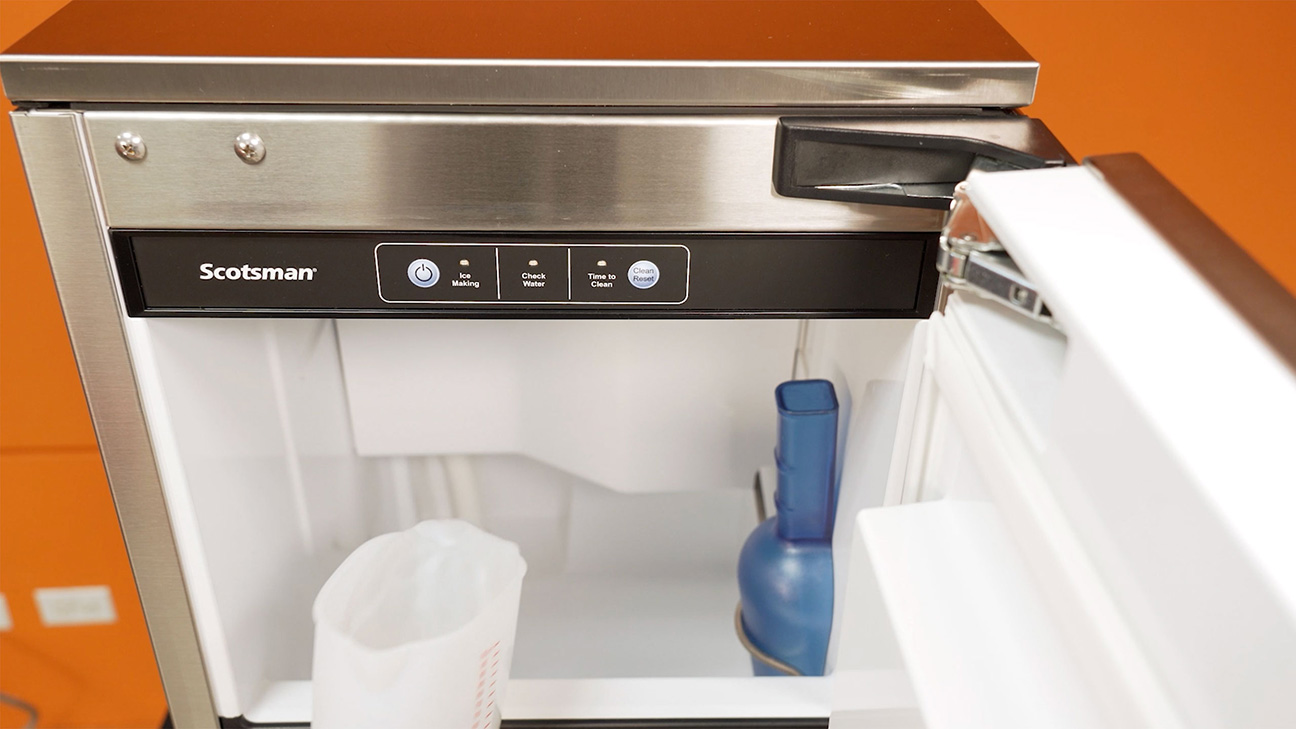
Watch: Cleaning Your SCCP50 Scotsman Ice Machine