How To Clean Philips Coffee Machine 3200
Scrub That Rig: How To Clean Philips Coffee Machine 3200 Like You Give a Damn
Look, nobody buys a fancy Philips 3200 LatteGo to make sludge. You drop serious coin on these things. The least you can do is keep it clean. Honestly, it’s not rocket science. But most people? They’re clueless. They let their expensive machine turn into a biohazard. It’s disgusting. If you want decent coffee, and not some bitter, oily garbage, you gotta get your hands dirty. This guide? It’s goa tell you exactly how. No fluff. Just the dirt.
The Philips 3200 series, yeah, it’s slick. Makes decent espresso, the LatteGo milk system is… well, it’s better than cleaning a wand, to be fair. But it still needs maintenance. Neglect it, and you’re tasting old coffee grounds and milk funk. Nobody wants that. This isn’t some high-maintenance diva; it’s a workhorse. Treat it like one. A clean machine makes better coffee. Period. End of story. Let’s get to it.
Guts & Glory: The Daily Grind (Cleaning)
The Drip Tray and Grounds Container: Your First Line of Defense
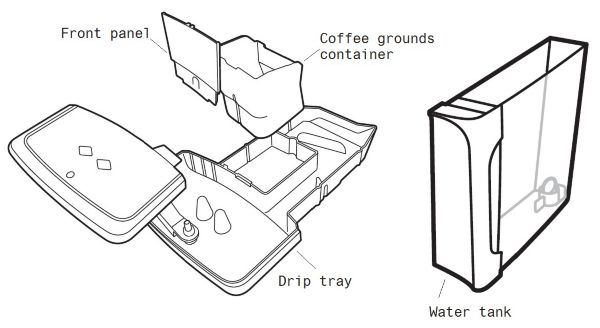
Every damn day. You hear me? Empty the drip tray. Rinse it. Wipe it. Same goes for the grounds container. It’s stupid easy. Takes maybe 30 seconds. Don’t tell me you’re too busy. That’s a lie. If you can scroll Instagram, you can rinse a tray. This prevents overflow and general stink. And trust me, that stale coffee smell? It creeps.
Watch: How to clean and grease Philips 3200 espresso machine
The LatteGo System: Easier Than Most, Still Needs Work
This is the big selling point for the 3200. No tubes, right? Great. But that doesn’t mean it stays clean on its own. Rinse it after every use. Yeah, every single time. Take it apart at least weekly. Pop it in the dishwasher if you must, but a good scrub by hand is better. Get into all those nooks. Milk residue breeds bacteria faster than a Petri dish. The thing is, people skip this. They think ‘easy’ means ‘self-cleaning’. It doesn’t.
The Bean Hopper and Water Tank: Keep it Fresh
Wipe down the bean hopper occasionally. Get rid of any oily residue from the beans. Don’t use water inside the hopper; just a dry cloth. The water tank? Empty it if you won’t use it for a few days. Rinse it out. Prevents weird smells and slime. Simple hygiene. Honestly, it’s just common sense stuff people forget.
Watch: How to Descale the Philips LatteGo Machines: 1200, 2200, 3200
Deep Dive: The Weekly Wipe-Down
The Brew Group: The Heart of the Operation
Okay, this is where most people screw up. The brew group needs attention. Philips says rinse it weekly. You should pull it out, rinse it under warm ruing water. No soap. Nada. Just water. Let it air dry completely. Don’t shove a wet brew group back in. That’s asking for trouble. Mold. Mildew. The whole nine yards. If it smells funky, something’s wrong.
The thing is, you gotta do this regularly. Once a week, minimum. If you’re a heavy user, maybe twice. Think about it. It’s pressing hot water through grounds every single time you make coffee. It gets gunked up. If you skip this, your espresso will taste like… well, like neglected machinery.
Exterior Wipe-Down: Lookin’ Good
Wipe the outside of the machine down with a damp cloth. Use a mild detergent if you have greasy fingerprints. Keep the display area clean. Don’t spray water directly onto the machine. Just wipe it. Takes a minute. Makes the whole setup look less… neglected.

The Big Kahunas: Descaling and Degreasing (The Painful Truth)
Descaling: Why You CANNOT Ignore This
Mineral buildup. Limescale. It’s in your water. It clogs your machine. Ruins heating elements. Makes your coffee taste like chalk. Philips 3200 will tell you when it needs descaling. Pay attention. Don’t ignore that light. It’s not a suggestion; it’s a command.
You need a descaling solution. Philips sells their own, or you can use a good quality generic one. Don’t use vinegar. Seriously. It’s a myth. It’s too harsh and can damage the internal parts. The machine will guide you through the process. It takes about 30 minutes. Requires two full tanks of water for rinsing. It’s aoying, yeah, but way less aoying than a broken machine. I remember one time, a buddy of mine, he’d never descaled his machine in 2 years. Cost him $300 to fix. Dumbest thing I ever saw.
Degreasing: Killing the Coffee Oils
Coffee beans aren’t just grounds. They’ve got oils. These oils build up inside the brew group mechanism. They go rancid. They make your coffee taste bitter and stale. Even if you rinse the brew group weekly, you need to degrease it. Philips recommends using their specific brew group cleaning tablets.
You pop one in the coffee fuel when the machine prompts you. Usually every few months, depending on usage. Again, don’t skip this. It’s crucial for maintaining that fresh coffee taste. Skipping degreasing is like never changing the oil in your car. Eventually, the engine seizes. Your coffee maker is no different.
Lubrication: Keeping Things Moving Smoothly
Why Lube? It’s Not Just for Mechanics
The brew group has moving parts. Gears. Pistons. They need lubrication to work properly and avoid wear and tear. Philips sells a specific grease for this. You don’t need much. A little dab on the right spots. The manual shows you where. If things start sounding noisy or grinding, it’s probably time to lube.
How often? Philips suggests every 2 months or after 5000 cups. Yeah, 5000 cups. Who keeps track? Honestly, just lube it when the machine prompts you or if you hear anything suspect. It’s better to do it a bit early than too late. A worn-out brew group costs a fortune to replace. I once saw a machine at a cafe grinding so loud it sounded like a cement mixer. The owner hadn’t lubed it in a year. Idiot.
Putting It All Together: A Maintenance Schedule You Won’t Ignore
Daily Rituals (Takes < 5 Mins)
- Empty and rinse drip tray.
- Empty and rinse grounds container.
- Rinse LatteGo system (if used).
Weekly Tasks (Takes 10-15 Mins)
- Remove, rinse, and air dry brew group.
- Wipe down exterior.
Monthly Check-in (Takes < 5 Mins)
- Check water tank for cleanliness.
- Wipe bean hopper.
Every Few Months (As Prompted/Needed)
This is when the machine usually prompts you. But don’t wait for the light if you’re unsure.
Watch: Philips 3200 LatteGo how to clean and maintain
Maintenance Task
Frequency
Notes
Degreasing Brew Group
Every 2 Months or 5000 Cups
Use Philips brew group cleaning tablets. Crucial for taste.
Descaling
Every 2-3 Months (or when prompted)
Use Philips descaling solution or equivalent. Do NOT use vinegar.
Lubricating Brew Group
Every 6 Months or 2500 Cups
Use Philips grease. Apply sparingly to specified points.

Look, the exact timing can vary based on your water hardness and how much coffee you actually drink. But this gives you a solid framework. Don’t be the guy who breaks his $1000+ machine because he couldn’t be bothered to spend 15 minutes a week on maintenance. It’s just… sad.
Troubleshooting Common Gremlins

No Coffee Coming Out?
Check if the brew group is seated correctly. Is the water tank full? Is the coffee bean hopper full? Sometimes, the spout might be clogged with fine grounds. Gently poke it with a toothpick.
Weak or Watery Espresso?
Could be time to degrease the brew group. Or maybe your grind setting is too coarse. If you’re using pre-ground coffee, ensure you’re not overfilling the bypass. The machine is designed for whole beans.
LatteGo Not Frothing?
Disassemble and clean the LatteGo parts thoroughly. Check the small filter inside. Ensure the milk is cold. Warmer milk froths poorly. Sometimes, the plastic parts can warp slightly if washed on too high a heat setting, affecting the seal.
Machine Leaking?
Check the seals on the water tank and the brew group. Ensure the drip tray isn’t overfilled. Sometimes, a small leak can be from a cracked internal hose, which usually requires professional service. But start with the obvious checks.
Final Thoughts: Your Coffee Depends On It
Seriously, cleaning your Philips 3200 isn’t optional. It’s a requirement for good coffee. You invested in a quality machine; don’t let laziness ruin it. Follow this guide. Do the tasks. Your taste buds will thank you. Your wallet will thank you when you don’t need repairs. It’s that simple.
Frequently Asked Questions
How often should I lubricate my Philips 3200?
Philips recommends lubricating the brew group every 6 months or after 2500 cups. However, if you start hearing unusual noises or the brew group movement feels stiff, it’s best to lubricate it sooner. Using the machine’s prompt is also a good indicator.
How to calc clean a Philips coffee machine?
To descale your Philips coffee machine, you’ll need a descaling solution. Empty the water tank, add the descaling solution according to the product instructions, and fill the tank with fresh water. Follow the machine’s guided descaling program. This typically involves ruing several tanks of water through the machine to rinse out the solution thoroughly. Do NOT use vinegar; always use a dedicated descaling agent.
What kind of cleaner should I use for the Philips 3200?
For routine cleaning, warm water and a damp cloth are usually sufficient for the exterior and removable parts like the drip tray and LatteGo system. For the brew group, use only warm water. For descaling, use a Philips-approved descaling solution or a high-quality equivalent. For internal coffee oil buildup, use Philips brew group cleaning tablets.
Can I put the LatteGo parts in the dishwasher?
Yes, the LatteGo system parts are generally dishwasher-safe. However, handwashing with warm water and a soft brush ensures longevity and thorough cleaning. Be cautious with high heat settings on your dishwasher, as extreme temperatures could potentially warp the plastic over time.
My Philips 3200 isn’t brewing coffee, what’s wrong?
First, check the basics: ensure the water tank is full and properly seated, the bean hopper has beans, and the brew group is correctly inserted and locked. If the machine still doesn’t brew, it might indicate a blockage in the spout or a more serious internal issue. Try gently clearing the spout with a toothpick and check if the brew group needs cleaning or degreasing.