How To Clean Out Washing Machine Drain
How To Clean Out Washing Machine Drain: Get That Stank Out
Look, your washing machine drain. It’s a cesspool. Honestly. You toss in your sweaty gym clothes, your kid’s muddy socks, maybe even that questionable spaghetti sauce stain from last Tuesday. And you think it just… vanishes? Nah. It all goes down the drain, festering. Caked-on gunk. Mold. Lint monsters. It’s a biological hazard waiting to happen. And if you don’t know how to clean out washing machine drain, you’re asking for trouble. Big trouble. The kind that involves flooded laundry rooms and plumbers who charge by the minute. I’ve seen it. Back in ’08, my buddy Dave’s machine backed up. Smelled like a dead badger convention. Ruined his carpet. Cost him a grand to fix. His fault? Didn’t know how to clean the damn drain. Idiot.

The thing is, most people ignore it. Out of sight, out of mind, right? Wrong. That neglected drain is a ticking time bomb. It’ll clog. It’ll stink. It’ll make your clean clothes smell worse than they went in. And then you’re stuck. Panic mode. What do you do? You Google ‘how to clean out washing machine drain’ like you are now. Lucky for you, I’m here. I’ve dealt with enough septic horrors to know a thing or two. This isn’t rocket science, but it ain’t brain surgery either. It’s just basic upkeep. Preventative maintenance. You know, like changing the oil in your car before the engine blows. Except this is your laundry room, not your garage. Less oil, more… funk.
Why Your Washing Machine Drain Is a Filth Magnet
Let’s break it down. What’s actually in there? Lint. All that fuzzy stuff from your clothes. Detergent residue. Fabric softener scum. Hair. Pet dander. Dead skin cells. Pretty gross, right? If you’ve got a high-efficiency (HE) machine, you might think you’re saving water, which is great. But the low-water cycles mean less water is flushing through that drain line. That means all that grime just clings on. It builds up. Layer by layer. Like geological strata, but way smellier. And if you use too much detergent? Even worse. It creates a sticky mess that traps everything else. To be fair, some of it is just unavoidable wear and tear. But ignoring it? That’s just lazy.
The Tools of the Trade: What You Actually Need
Forget those fancy, overpriced drain cleaners that promise miracles. They’re usually just harsh chemicals that’ll wreck your pipes and your septic system. We’re going old school. Simple. Effective. Here’s your arsenal:
1. A Bucket (or Several)
For… obvious reasons. When you discoect things, water’s goa come out. And probably not just a little bit. Have a decent-sized bucket ready. Trust me. You don’t want that water on your floor. I learned that the hard way. Spilled a whole bucket back in college trying to snake a shower drain. Took me an hour to clean up the mess. So yeah, bucket. Get more than one.
2. Old Towels and Rags
Same principle as the bucket. Spills happen. Sopping up water, cleaning up goo. Stock up. You’ll use ’em.
3. Protective Gloves
You’re dealing with muck. Mold. Who knows what else. Wear gloves. Nitrile gloves are fine. Anything that keeps your hands clean. And your skin from getting irritated. Don’t be a hero.
Watch: How to Clean Out a Washer Standpipe Drain
4. A Drain Snake or Plumber’s Snake
This is your primary weapon against clogs. You can rent ’em, or buy a cheap one for twenty bucks. Get one that’s at least 15-25 feet long. That should cover most household drain lines. Make sure it’s a manual one; you don’t need anything fancy.
5. A Screwdriver or Nut Driver Set
You’ll likely need to remove a clamp or access panel. Have a set handy. Just in case.
6. White Vinegar and Baking Soda
Your secret weapons for deodorizing and breaking down gunk. Cheap, effective, and way less harmful than chemical cleaners. A bottle of each. You can buy ‘em at any grocery store.
7. Hot Water
The universal solvent, almost. Boiling water helps break down grease and scum.
The Step-by-Step Guide: How To Clean Out Washing Machine Drain
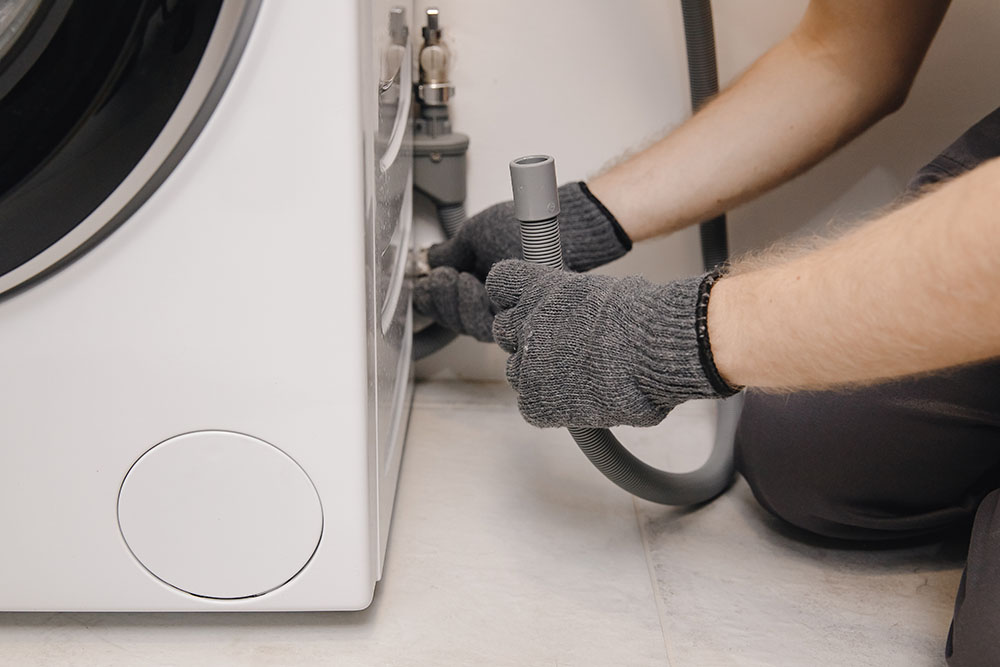
Alright, let’s get down to business. This is how you tackle that drain. This assumes you’re dealing with the drain hose coection at the back of the machine or at the standpipe. If your drain is embedded in the wall, it’s a bit more complex, and you might need a plumber. But for most standard setups, this is your game plan.
Step 1: Prep Work is Key
Unplug the washer. I caot stress this enough. Electricity and water? Bad combo. Very bad. Also, turn off the hot and cold water supply valves. Just twist ’em shut. You don’t want any surprises. Move the washer out from the wall a bit. Give yourself some space to work. You’ll need at least a couple of feet of clearance.
Step 2: Discoect the Drain Hose
This is where the bucket and towels come in. The drain hose usually just hooks over the standpipe, or it might be secured with a clamp. If it’s clamped, use your screwdriver to loosen it. Gently pull the hose out of the standpipe. Expect some water. Have that bucket ready to catch it. If it’s really stuck, give it a gentle wiggle. Don’t yank it with all your might. You don’t want to damage the hose.
Step 3: Inspect and Clear Visible Gunk
Take a look inside the hose end. See any big clumps of lint or hair? Pull ’em out. Use your fingers (with gloves on!) or a small tool. Get out any immediate blockages you can see. This is the low-hanging fruit. Easy wins.
Step 4: Snake the Drain Line
This is the main event. Feed the drain snake into the hose, or directly into the standpipe if the hose is removed. Push it in slowly. When you feel resistance, that’s likely the clog. Rotate the snake’s handle. This helps break up the blockage. Work it back and forth. Pull out some snake. You might pull out a nasty clump of lint and hair. Gross, but satisfying. Keep going until the snake moves freely. You might need to repeat this a few times. Honestly, this is the most crucial step for getting rid of real clogs.
Pro Tip: If you have a flexible drain hose, you can sometimes just stick the snake all the way through it to clean it out.
Step 5: The Vinegar and Baking Soda Flush
Watch: How to Clean Your Washing Machine Drain Hose | Easy …
Now for the deodorizing and deeper clean. Pour about a cup of baking soda down the drain hose or standpipe. Follow that up with about two cups of white vinegar. It’ll fizz like crazy. Let it sit for 30 minutes to an hour. This stuff breaks down soap scum and deodorizes. It’s a good, gentle way to clean the pipes.
Step 6: The Hot Water Rinse
After the vinegar and baking soda have done their work, it’s time for a flush. Carefully pour a gallon or two of boiling (or very hot) water down the drain. This washes away the loosened gunk and residue. Do this slowly. You don’t want to overflow the standpipe.
Step 7: Recoect and Test
Watch: How to Clean a Clogged Drain | Snaking a Drain (Links …
Put the drain hose back securely. If you removed a clamp, tighten it. Make sure it’s snug. Turn the water supply back on. Plug the washer back in. Run a short test cycle. Watch the drain during the drain/spin phase. Make sure it’s emptying properly and there are no leaks or back-ups. If it looks good, you’re golden. If not, you might have a deeper clog or a different issue.
Dealing with a Smelly Washing Machine Drain (Without Calling a Pro)
The vinegar and baking soda trick is your best friend here. Seriously. But let’s say the smell persists. That means there’s likely a buildup of mold or mildew deeper in the drain line or the machine’s internal plumbing. The key is consistent cleaning.
How to clean a smelly washing machine drain? Beyond the baking soda/vinegar flush, run an empty hot water cycle with a cup of bleach OR a specialized washing machine cleaner. Bleach is effective but harsh. Be cautious. Ensure good ventilation. Do this monthly. The smell usually indicates anaerobic bacteria having a party. You gotta kill the party.
Sludge? Yeah, We’ve All Been There
How do you clean sludge out of a washing machine drain? Sludge is just the accumulated gunk – lint, hair, soap scum, mildew. The drain snake is your main weapon. You need to physically dislodge it. After snaking, the vinegar/baking soda combo helps break down any remaining residue. Then, a good hot water flush is essential to wash it all away. You might need to snake it multiple times if it’s a severe buildup. It’s nasty work, honestly. Imagine pulling out a foot-long plug of hair and lint. I’ve done it. Takes grit.
Unclogging: The ‘Best’ Way
What’s the best way to unclog a washing machine drain? The best way is the one that works and doesn’t damage your plumbing. For most clogs, it’s a combination of physical removal (the snake) and chemical breakdown (vinegar/baking soda or hot water). Avoid harsh chemical drain cleaners. They’re a quick fix with long-term consequences. The snake gets the bulk; the hot water and vinegar/baking soda clean up the rest. Consistency is also key. Regular maintenance prevents the worst clogs.
When To Call in the Big Guns (The Plumber)
Sometimes, you’re just out of your depth. If you’ve snaked the drain multiple times and still have a blockage, or if the water is backing up from the main sewer line (check your toilets and other drains), you’ve got a bigger problem. This could be a blockage further down the line, in your main sewer pipe, or even a problem with your sewer lateral. Those issues require professional help. Plumbers have more powerful tools and the expertise to diagnose serious plumbing failures. Don’t mess with main sewer line backups yourself; it’s a health hazard and can cause significant water damage.
Preventative Maintenance: Stop the Stench Before It Starts

The best way to deal with a clogged or smelly washing machine drain? Don’t let it get that way. Here’s how:
- Clean the Lint Filter: Most modern washers have a small filter. Clean it regularly. Check your manual.
- Use the Right Detergent: HE machines need HE detergent. Use the recommended amount. Too much soap is a major culprit.
- Run Hot Cycles: Periodically run a hot water cycle, maybe with an empty load or a cup of vinegar/bleach (separately!). This helps dissolve residue.
- Monthly Flush: Once a month, run a hot cycle with just vinegar or a washing machine cleaner. It keeps things moving.
- Inspect the Hose: Occasionally check the drain hose for kinks or damage. A kink can restrict flow.
Frequently Asked Questions
How to clean a smelly washing machine drain?
The most effective way to combat a smelly washing machine drain is by using a combination of baking soda and white vinegar. Pour about a cup of baking soda into the drain, followed by two cups of white vinegar. Let it fizz and sit for at least 30 minutes, then flush with hot water. For persistent odors, run an empty hot water cycle with a cup of bleach (ensure good ventilation) or a specialized washing machine cleaner once a month.
How do you clean sludge out of a washing machine drain?
Cleaning sludge requires physical removal. Use a drain snake or plumber’s auger to break up and pull out the compacted lint, hair, and soap scum. Feed the snake into the drain hose or standpipe, rotate it to break the clog, and pull out the debris. After snaking, use the vinegar and baking soda treatment followed by a hot water flush to remove any remaining residue. Repeat snaking if necessary.
What’s the best way to unclog a washing machine drain?
The best method for unclogging a washing machine drain is typically a two-pronged approach: first, use a drain snake to physically remove the blockage. Second, use a natural cleaner like vinegar and baking soda, or a hot water flush, to dissolve and wash away any remaining soap scum or residue. Avoid harsh chemical drain cleaners as they can damage pipes and the environment.
How often should I clean my washing machine drain?
You should aim to clean your washing machine drain thoroughly at least every 3-6 months. More frequent cleaning, like a monthly vinegar flush or hot water cycle, can help prevent major clogs and odors. If you notice slow draining or smells sooner, clean it immediately.
Can I pour boiling water down my washing machine drain?
Yes, pouring boiling or very hot water down your washing machine drain is generally safe and effective for flushing out soap scum and residue after using a drain snake or cleaning agents like vinegar and baking soda. Do this slowly to avoid overflowing the standpipe. Avoid pouring boiling water directly onto rubber hoses if they appear old or brittle, as extreme heat could potentially damage them.