How To Clean Odor From Washing Machine
How To Clean Odor From Washing Machine: The Brutal Truth
Look, your washing machine stinks. It’s a fact. You toss in dirty clothes, expecting fresh. What you get is… funk. This ain’t rocket science, but it’s gross. And ignoring it? Dumb.
The thing is, washing machines are breeding grounds for mildew. All that dampness, lint, and soap scum. It’s a buffet for bacteria. You need to know how to clean odor from washing machine before it starts costing you. Seriously.
I remember my first apartment. Old. The washer? A horror show. Stunk up the whole damn place. Had to learn fast. This ain’t pretty, but it’s necessary.
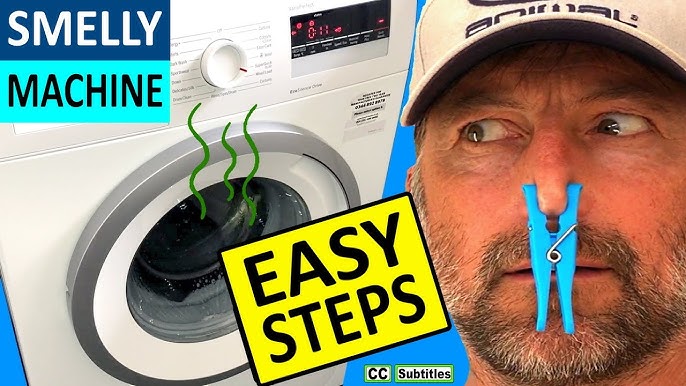
Watch: How to Quickly Fix a Smelly Washing Machine | Easy Tips and …
Why Your Washer Sounds Like a Swamp Monster
It’s simple. Water. Heat. Darkness. Your washer is basically a tiny, fabric-shredding sauna for mold and bacteria. Especially front-loaders. They trap water. Bad design. Honestly.
Soap scum builds up. Lint clings. Hair? Don’t even get me started. Then you add wet clothes. Bam. Mildew city. You’re washing clothes in a funk-fest. Makes your clean laundry smell worse. Brilliant.
My grandma’s old Maytag? Never smelled. Why? She ran hot cycles. Left the door open. Simple. Not like these fancy HE models that hoard moisture.
The Manufacturer’s Pathetic Advice
They’ll tell you to run a “clean cycle.” Maybe use their special tablets. Pfft. Usually a band-aid. Might work for a week. Then the funk returns. They want you buying their overpriced crap. Or worse, a new machine.
Some manuals say check the filter. Good luck finding it. And even if you do, it’s probably a mess. They don’t tell you the real dirt. They can’t. It’s too embarrassing for them.
Watch: HOW TO CLEAN YOUR WASHING MACHINE! (Quick & Easy!)
Your Attack Plan: Crushing the Funk
Forget fancy cleaners. You need brute force. And common household items. Vinegar. Baking soda. Bleach. Use ’em right. This is how to clean odor from washing machine effectively. No BS.
Step 1: The Pre-Clean Sweep
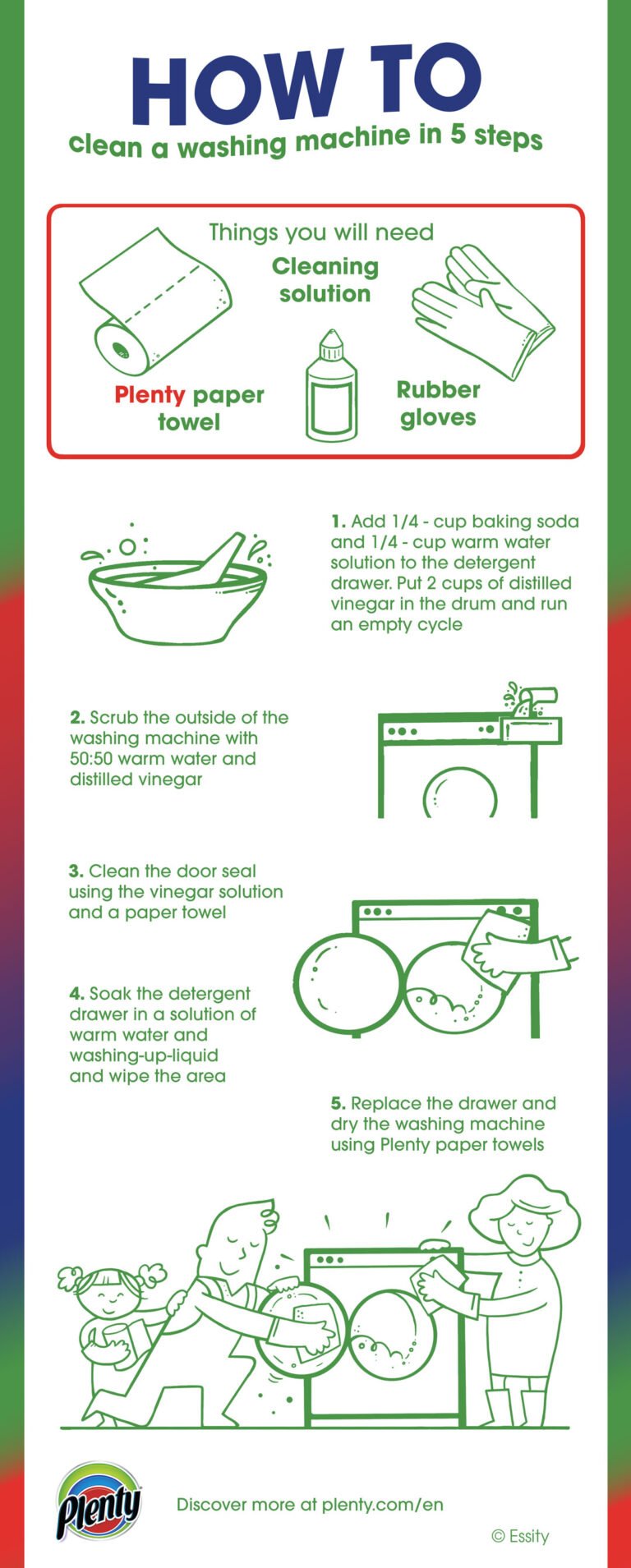
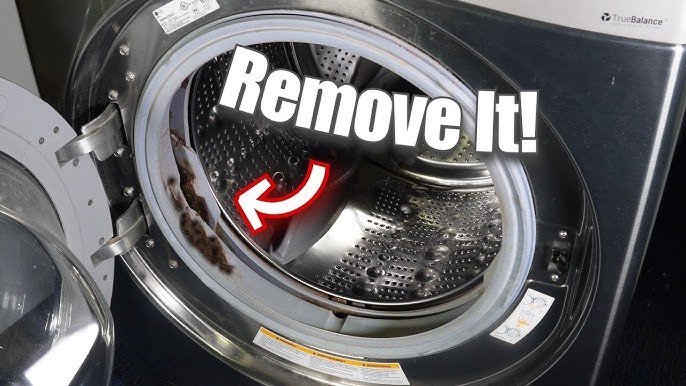
Empty the damn machine. Duh. Pull out any stray socks. Check the rubber seal. If you have a front-loader, this is where the horror lives. Pull it back. Wipe out any visible gunk. Use paper towels. Throw them away immediately. You don’t want to touch that again.
I once found a petrified Cheerio in a seal. A Cheerio! How? Don’t ask. Just clean it.
Step 2: Vinegar Assault – The First Wave
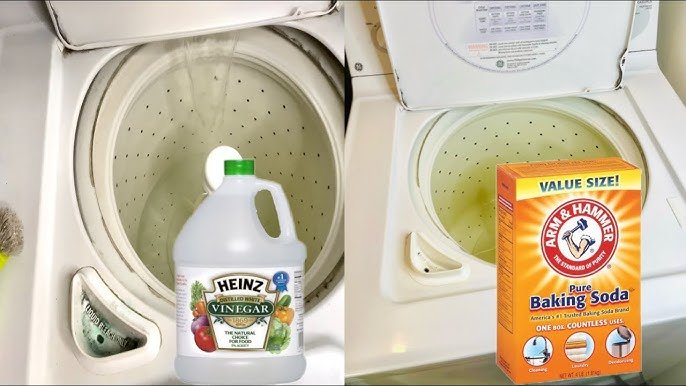
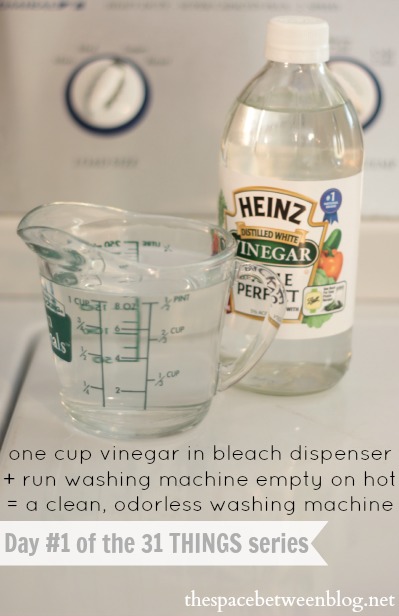
Pour two cups of white vinegar directly into the drum. Yes, just dump it in. Don’t dilute it. Let it sit for an hour. Yeah, an hour. Let that acid work. It breaks down soap scum. Kills some of the nasties. It’s like a pre-soak for your machine’s insides.

Why vinegar? It’s cheap. It’s effective. It’s not some chemical cocktail you can’t pronounce. To be fair, the smell is rough, but it beats the alternative.
Step 3: The Hot Cycle – Maximum Carnage
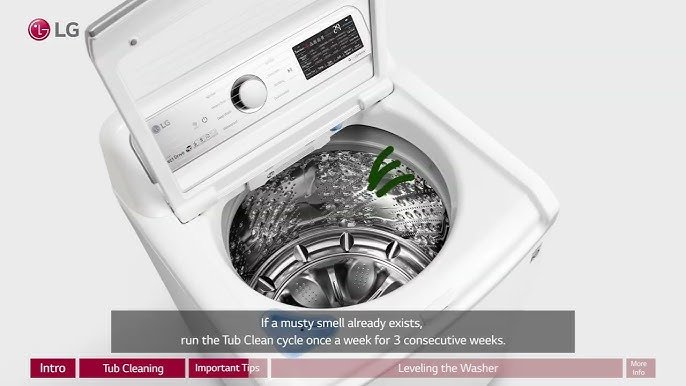
Run the machine on its hottest, longest cycle. Heavy duty. Whatever you’ve got. Let that vinegar slosh around. Cleanse the pipes. Scrub the drum. Everything gets boiled. Hopefully.
This is where the real grime starts to loosen up. Don’t skimp on the cycle time. Short cycles don’t cut it. Ever.
Step 4: Baking Soda Blitz – The Clean Sweep
Once the vinegar cycle is done, dump half a cup of baking soda into the drum. Yes, more powder. Baking soda neutralizes odors. It’s an abrasive. It’ll scrub what the vinegar missed. Don’t be stingy.

I used to think baking soda was just for cookies. Wrong. It’s a cleaning superhero. Especially when paired with vinegar. They foam. It’s science. It’s messy. It works.
Step 5: Second Hot Cycle – Rinse and Repeat (Sort Of)
Run another hot, heavy-duty cycle. This time, just with the baking soda. Let it rinse away the vinegar residue and the loosened grime. This cycle is crucial for getting everything out. Don’t cut it short.
Step 6: The Bleach Bomb (Use With Caution!)
Okay, this is the nuclear option. For stubborn smells. If the vinegar and baking soda didn’t cut it, you might need bleach. ONLY IF YOUR MACHINE CAN HANDLE IT. CHECK YOUR MANUAL. Some manufacturers freak out about bleach. They’ll void your warranty. They’re wimps.
Add one cup of liquid bleach to the bleach dispenser. Or directly into the drum IF you have a top-loader. Run a hot, heavy cycle. Again. Let it do its thing. The bleach kills remaining bacteria and mold. It’s potent. Use it sparingly. Maybe once every few months.
My neighbor’s LG front-loader? Smelled like a dead badger. Tried everything. Bleach fixed it. But it took two rounds.
Step 7: Don’t Forget the Details
This is where most people fail. They clean the drum and think they’re done. Nope.
The Dispenser Drawer: A Moldy Mess
Pull out the dispenser drawer. Seriously. Pull it all the way out. It’s probably coated in slime. Soak it in hot, soapy water. Scrub it with an old toothbrush. Get into every nook. Rinse it thoroughly. Dry it before putting it back. If it’s really bad, a soak in diluted bleach might be needed (rinse well!).

The Rubber Seal (Front-Loaders Only)
I already mentioned this. But it’s worth repeating. That gasket is a mold magnet. Spray it with a diluted bleach solution (1 part bleach to 10 parts water) or a vinegar solution. Let it sit for 10 minutes. Wipe it down thoroughly with a damp cloth. Pay attention to the folds. Get your fingers in there. Use gloves.
The Filter: If You Can Find It
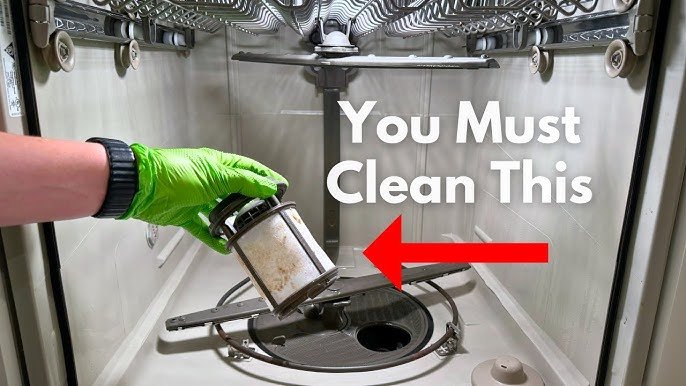
Some machines have a drain pump filter. Usually behind a small door at the bottom front. Check your manual. Place towels. A pan. Water will come out. Unscrew it. Clean out the lint, hair, and gross stuff. Screw it back in tight. This is often overlooked. And it can cause drainage issues and smells.
Step 8: Air It Out!
This is CRITICAL. After cleaning, leave the washing machine door open. For at least 12 hours. Better yet, 24. Let it dry completely. Air circulation is your best friend against mildew. If you have a top-loader, prop the lid open.
I live in a humid climate. I leave my door cracked open after every load. Seems like a small thing, but it makes a huge difference. Honestly.
How Often Should You Do This Funk Warfare?
If you use your machine daily? Once a month. Minimum. If you do laundry weekly? Every 2-3 months should suffice. But use your nose. If it starts to smell funky, hit it with the vinegar and baking soda combo.
Prevention is key. Don’t leave wet clothes sitting in the machine. Ever. Unload immediately. Leave the door ajar between loads. Wipe down the seal after each use if you’re prone to funk.
Top Loaders vs. Front Loaders: The Funk Divide
Front-loaders are the worst offenders. They’re designed to trap water. That’s why they use less water, supposedly saving you money. What they save in water, they cost you in headaches and potential mold growth. The rubber seal is the main culprit.
Watch: How To Clean Your Top Load Washing Machine
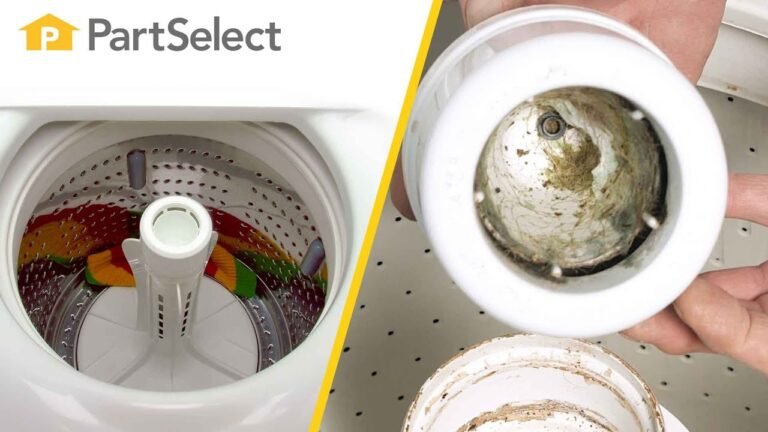
Top-loaders? Generally less problematic. The open design allows for better air circulation. But they still get soap scum buildup. And that agitator? Can trap gunk. So, the cleaning process is similar, but front-loaders need more attention to the seal and door.
What About Those Fancy Washing Machine Cleaners?
They exist. They often contain citric acid or enzymes. Some work okay. But honestly? They’re usually just overpriced versions of what you already have. Vinegar and baking soda are proven. They’re cheap. They work. Why pay $10 for a packet when you can get a gallon of vinegar for $3?
I tried one of those Affresh tablets once. It was fine. The smell was gone for about two weeks. Then it crept back. Back to the vinegar. Never looked back.
My Go-To Cleaning Schedule (Roughly)
Here’s my personal battle plan. Adapt it. Ignore it. Whatever. But do something.
| Frequency | Action | Notes |
|---|---|---|
| Monthly | Vinegar Cycle + Baking Soda Cycle | Always run hot, longest cycle. Leave door open after. |
| Quarterly (or as needed) | Bleach Cycle (Front-loaders: wipe seal thoroughly after) | Only if smell persists AND machine manual allows. |
| After Each Use | Wipe door seal (front-loader), leave door ajar | Crucial for prevention. |
| Aually | Check and clean drain pump filter | If accessible. Consult manual. |
Stick to this. Or something like it. It’s not hard. It’s just… work. But cleaner clothes are worth it. And not smelling like a gym locker room is a definite bonus.
Frequently Asked Questions
Can I use bleach and vinegar together?
NO! Never mix bleach and vinegar. It creates toxic chlorine gas. Seriously dangerous. Dangerous. Clean with one, rinse thoroughly, then use the other if absolutely necessary. But ideally, don’t. Separate treatments are best.
How often should I really clean my washing machine?
Honestly, it depends on usage and your machine type. Front-loaders need more frequent attention (monthly is good). Top-loaders can go a bit longer (every 2-3 months). Always trust your nose. If it stinks, clean it.
My washing machine still smells after cleaning, what now?
You might have missed a spot. Re-check the seal, the dispensers. Run another hot cycle with vinegar, maybe longer. If it’s truly persistent, consider a specialized washing machine cleaner, but chances are you missed something gross. Or there’s a deeper issue with the machine itself.
Is it safe to use essential oils to make my washing machine smell nice?
No. Just no. Essential oils can leave residue. They can actually feed mold and bacteria. Plus, they can damage rubber seals over time. Stick to the basics. Vinegar, baking soda, maybe a little bleach if you must. Don’t get fancy with oils.
What’s the best homemade cleaner for a smelly washing machine?
The dynamic duo: white vinegar and baking soda. Use vinegar for breaking down scum and killing some germs. Use baking soda for deodorizing and scrubbing. Run separate hot cycles for each. It’s cheap, effective, and readily available. Why mess with perfection?