
Why Clean Your Top Loader Washing Machine?
In our experience, cleaning your top loader washing machine is key to good laundry results. Mold and mildew can build up fast. Soap scum and detergent residue cause bad smells and stains on clothes. If you skip maintenance, your washer will not last as long. Plus, it won’t clean clothes well. We learned this the hard way, but regular cleaning makes a big difference.
For those looking for trusted advice, we recommend checking a guide on how to clean washing machine with vinegar. It explains why vinegar is great for cleaning your washer safely and simply.
Let’s dive into easy steps and tips you can use today.
Top Load Washer Cleaning Tips for 2026
Start cleaning with a good plan. We found these tips help keep your washer fresh:
- ✅ Run a washing machine cleaning cycle monthly.
- ✅ Use hot water to kill germs.
- ✅ Remove soap scum and detergent buildup often.
- ✅ Clean the drum, agitator, and dispenser.
- ✅ Use safe cleaning agents like vinegar and baking soda.
- ✅ Don’t ignore the lint trap if your washer has one.
Following these tips prevents mold and keeps your washer smelling clean. It also helps stop damage from buildup. A clean washer means cleaner clothes.
Next, let’s talk about how to remove mold and odors.
Washing Machine Mold Removal and Odor Elimination
Mold and mildew grow easily in a wet, warm washer drum. We noticed a musty smell when we left clothes sitting too long. To fight this, use vinegar and baking soda. These natural cleaners kill mold well.
Here is our quick method for mold removal:
- Fill the washer with hot water.
- Add 2 cups of white vinegar.
- Let it sit for an hour.
- Run a full wash cycle.
- Sprinkle 1/2 cup baking soda inside drum.
- Run another hot rinse cycle.
This method cleans out mold, removes odors, and clears soap scum. Repeat monthly to prevent mold buildup.
:max_bytes(150000):strip_icc()/clean-top-load-washing-machine-5073254-V1-4d57061f759a4c84a61cb797084649a7.png "How to Clean a Top-Load Washing Machine (Figure)")
Always leave the lid open after washing to dry the drum. This stops mildew from growing back.
Detergent Buildup Removal and Cleaning the Drum
Detergent residue is a hidden problem. We found sticky buildup inside the drum and dispenser. It traps dirt and smells bad. To clean it, use hot water and vinegar.
Here are simple steps to clean the washing machine drum:
- Run a hot wash cycle with 2 cups vinegar inside.
- Use a cloth dipped in vinegar to wipe drum and agitator.
- For tough spots, scrub with a soft brush and baking soda paste.
- Rinse with a quick cycle using only water.
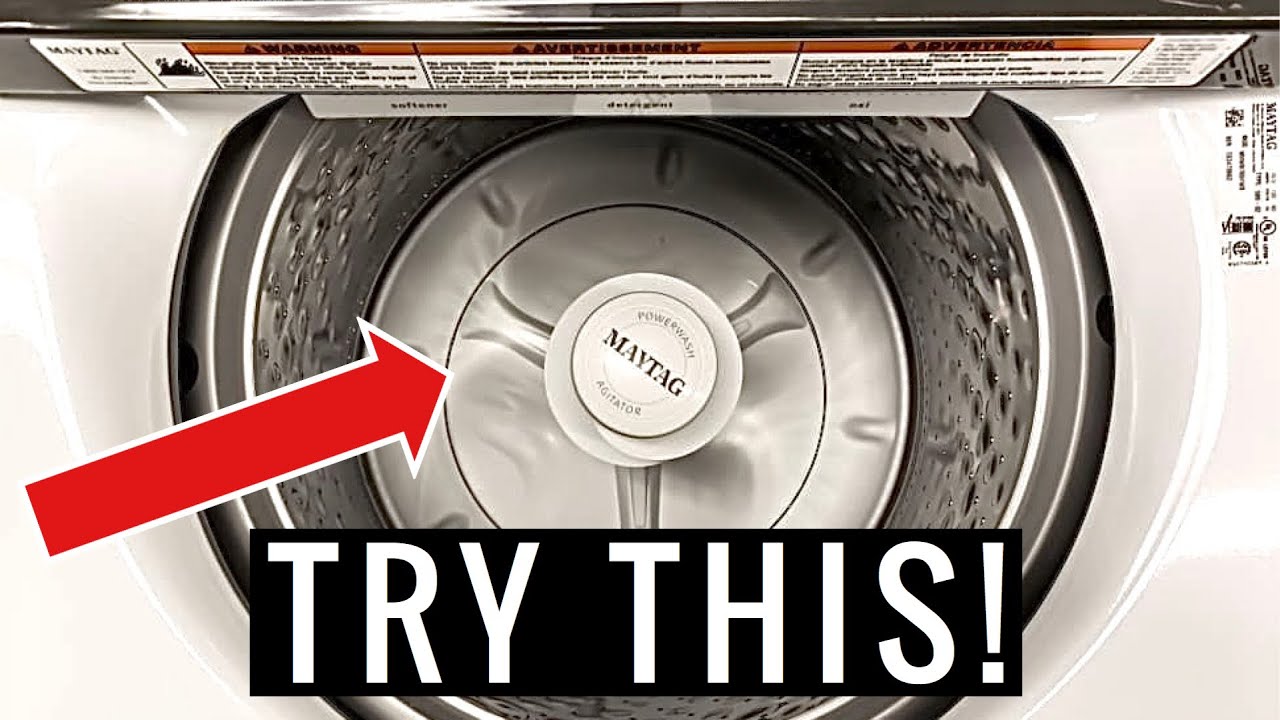
This removes soap scum and detergent buildup. Cleaning the agitator is key because it stirs clothes and can trap grime.
Check the dispenser too. Build-up there blocks detergent flow. Clean it out with warm water and vinegar regularly.
Washing Machine Maintenance Tips for Longevity
Good maintenance keeps your washer working well. We have found these tips helpful:
- Do not overload the washer; follow manufacturer guidelines.
- Use the right amount of detergent to prevent residue.
- Clean the lint trap monthly if your washer has one.
- Run a cleaning cycle with vinegar every month.
- Leave the lid open after use to dry the drum.
These simple habits save money on repairs and help your washer last longer. Preventing mold and buildup is easier than fixing damage.
Safe cleaning agents protect your machine. Avoid harsh chemicals that can harm seals and hoses.
Top Loader Washer Troubleshooting Quick Guide
Sometimes washers have issues. Here are common problems and fixes we tried:
| Problem | Cause | Fix |
|---|---|---|
| Foul odor | Mold or detergent buildup | Run cleaning cycle with vinegar |
| Clothes not clean | Dirty drum or low water temp | Clean drum; use hot water cycle |
| Washer won’t drain | Clogged lint trap or drain hose | Clean lint trap; check hose |
Following these fixes usually solves the problem fast. For deeper help, look at the manual or a trusted repair site.
Next, we cover how often to clean your washer.
Automatic Washer Cleaning Frequency
We learned cleaning your washer monthly is best. This keeps mold and buildup low. If you wash many loads weekly, clean more often.
Vinegar cleaning cycles once a month work well. Also, wipe down parts like the agitator and dispenser every few weeks.
After washing, always leave the lid open to air dry. This stops mildew growth. Preventive care saves time and keeps your washer fresh.
Safe Cleaning Agents for Washers
We avoid harsh chemicals. Vinegar and baking soda are safe, cheap, and effective. They remove soap scum and kill mold without damage.
Some people use bleach, but it can harm seals if overused. Stick to natural cleaners unless the manual says otherwise.

Hot water helps cleaning agents work better. Use the highest water temperature safe for your washer.
Summary: Keep Your Top Loader Washer Clean and Fresh
Cleaning your top loader washing machine is simple with the right steps. Use vinegar and baking soda regularly. Run cleaning cycles and wipe down drum, agitator, and dispenser.
Prevent mold and soap scum buildup by cleaning monthly and airing out the drum after use. Follow maintenance tips to keep your washer running well for years.
For more detailed cleaning instructions, the guide on washing machine cleaning can help you go deeper on this topic.
Remember, a clean washer means fresh clothes and a longer-lasting machine. Start your cleaning routine today!
🚀 Beginner Tip Box
Start simple: Run a hot water cycle with 2 cups vinegar once a month. It kills mold and stops odors fast. Then wipe the drum dry.
🔢 Step-by-Step Guide: Deep Clean Your Washer
Follow these steps for deep cleaning:
- Fill washer with hot water.
- Add vinegar and soak 1 hour.
- Run full cleaning cycle.
- Sprinkle baking soda inside.
- Run rinse cycle.
- Wipe dry and leave lid open.
📑 Quick Facts Box
Quick tips:
- Clean monthly or every 30 washes.
- Use vinegar and baking soda only.
- Don’t overload washer.
- Leave lid open after use.
- Check lint trap monthly.
⚖️ Pros & Cons of Vinegar Cleaning
| Pros | Cons |
|---|---|
| Natural and safe | Strong smell during cleaning |
| Removes mold and odors | May not remove heavy buildup alone |
| Cheap and easy to find | Not for bleach-required stains |
We use vinegar mostly because the pros far outweigh the cons. A quick airing after cleaning removes smells.
Always check your washer’s manual for cleaning advice. Some parts may need special care.
🆚 Comparison Table: Cleaning Agents for Top Load Washers
| Agent | Effectiveness | Safety | Cost |
|---|---|---|---|
| Vinegar | High | Safe | Low |
| Baking Soda | Medium | Safe | Low |
| Bleach | High | Moderate | Medium |
| Commercial Cleaners | High | Varies | High |
Vinegar and baking soda are our top choices for safe and effective cleaning. Avoid harsh chemicals unless needed.
Frequently Asked Questions
How often should I clean my top loader washing machine?
You should run a cleaning cycle once a month or every 30 washes to keep your washer fresh and free of buildup.
Can I use vinegar to clean my washing machine?
Yes, vinegar is a safe and natural cleaner for washing machines. It helps remove mold, soap scum, and odors effectively.
What causes bad smells in a top loader washer?
Mold and mildew growth, detergent residue, and standing water in the drum or dispenser often cause foul odors.
How do I remove detergent buildup from my washer?
Use hot water and a mix of vinegar and baking soda to break down and wash away detergent residue.
Is it safe to clean the agitator in a top loader washer?
Yes, cleaning the agitator is important. Use a soft brush with vinegar or baking soda to remove grime and buildup.

Roger Jacobs is a seasoned appliance expert with over 15 years of experience in the washing machine industry. He specializes in product reviews, energy efficiency, and innovative washing technologies, providing users with trustworthy insights to make informed purchasing decisions.