How To Clean My Nespresso Machine
Forget the Fancy Latte Art. Let’s Talk Real Coffee. Your Nespresso Machine.
Look, we get it. You dropped a stack on that sleek little Nespresso. You want perfect espresso. Every damn time. But that machine? It’s not magic. It’s a machine. And machines get… grungy. Yeah, grungy. This ain’t rocket science, but it ain’t brain surgery either. It’s just knowing how to clean your Nespresso machine. And if you don’t do it right, your coffee tastes like yesterday’s regret. Trust me. I’ve been there. Woke up craving that double shot, only to get… sludge. Ugh.

The Grim Reality: What’s Brewing Inside?
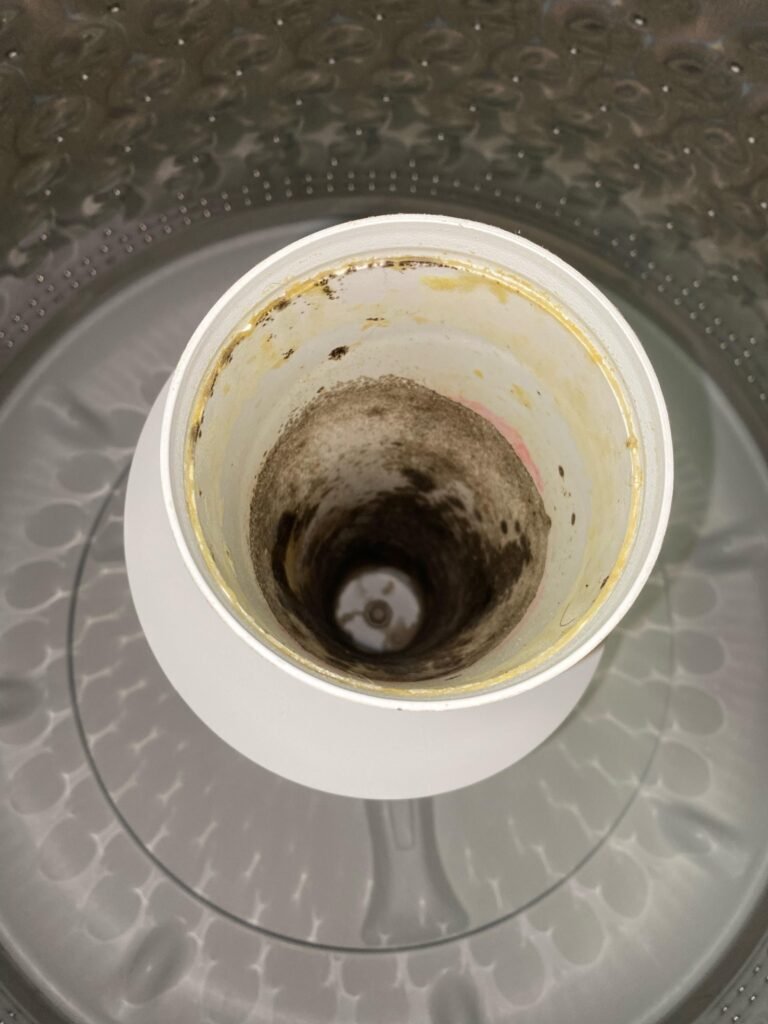
It’s not just water, pal. It’s coffee oils. Scale. Mineral buildup. Little bits of pod you missed. Think of it as a tiny, very expensive, coffee-flavored petri dish. Gross, right? The thing is, this gunk affects taste. It clogs your machine. It makes it run hotter. Or colder. Or just… weird. Honestly, ignoring this is like buying a sports car and never changing the oil. Dumb. Just plain dumb.
My Nespresso Nightmare of ’09
I remember my old Pixie. Bought it in ’09. Loved it. Until one Tuesday. I was ruing late, needed that caffeine hit. Pushed the button. Nothing. Then a pathetic dribble. Tasted… metallic. Bitter. Like licking a battery. I’d never descaled it. Never even wiped the damn thing down properly. That was my wake-up call. Had to spend $50 on some fancy cleaner. Could’ve saved myself the headache. And the bad coffee.
The Basic Clean: Daily Grind, Literally.
This ain’t complicated. But you gotta do it. Daily. Or at least every few uses. Don’t be lazy. Your taste buds will thank you. Your machine will thank you. Your wallet will thank you.
/how-to-clean-a-nespresso-machine-7559177-hero-02-d8f903d867cb4452aca82f135479d420.JPG "How To Clean My Nespresso Machine 3")
Empty the Drip Tray and Pod Container
Every time you’re done? Dump it. Seriously. Those used pods? They get crusty. The tray? Catches drips. Don’t let it overflow. It’s basic hygiene. I saw a guy once, his looked like a science project. Mould. Everywhere. Didn’t even try to deny it. Just shrugged.
Wipe Down the Exterior
Fingerprints. Coffee splashes. Dust buies. Just grab a damp cloth. Give it a quick wipe. The shiny bits. The levers. Don’t use harsh chemicals, idiot. Just water. Maybe a tiny drop of dish soap if it’s really bad. Rinse the cloth well. Then wipe again with just water. Simple.
Rinse the Water Tank
Don’t let that water sit. It gets stagnant. Smells funky. Dump it. Rinse it out. Refill with fresh water before your next brew. It takes 15 seconds. Stop making excuses.
The Weekly Tune-Up: Getting Serious
Okay, daily stuff is done. Now, let’s get a bit more hands-on. This is where we prevent the real problems. The clogs. The taste issues. The… hiccups.
Clean the Brew Head Area
This is where the magic (and the gunk) happens. You know, where the water hits the pod? Remove the drip tray. Use a damp cloth. Gently wipe around the spout. Get in there. If you have a small brush – like an old toothbrush you’ve retired – use that. Gently dislodge any stuck grounds or oils. Don’t jam it in there, though. You’re not excavating ancient ruins.
Descale Regularly: The Big One.
This is the MOST important part of how to clean my Nespresso machine. If you do nothing else, do this. How often? Depends on your water. Hard water? Every 2-3 months. Soft water? Maybe 4-6 months. Nespresso sells their own descaling kit. It’s like $10-$15. Worth it. Or you can DIY. Vinegar and water. 50/50 mix. BUT. Vinegar smell lingers. To be fair, Nespresso’s solution is usually less hassle.
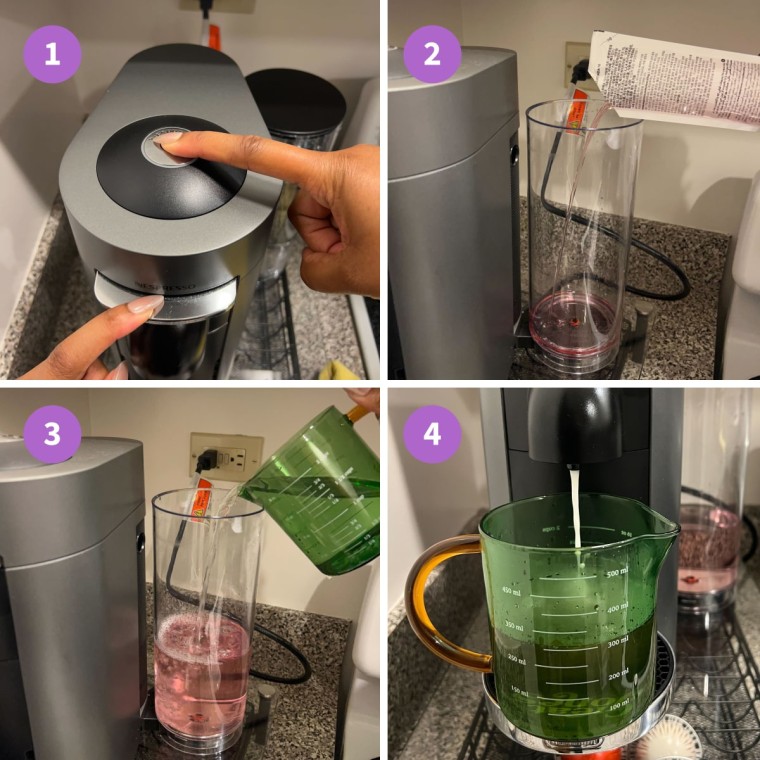
The Descaling Process: Step-by-Step (Don’t Screw This Up)
- Empty the machine. Pod container, drip tray, everything.
- Fill the water tank with your descaling solution (or vinegar/water mix).
- Place a large container (like a litre jug) under the spout.
- Run a lungo cycle. No pod. Let it run till the tank is empty.
- Let it sit for 10-15 minutes. The solution needs to work.
- Rinse the tank thoroughly. Fill with fresh water.
- Run at least two full tanks of plain water through the machine. Lungo cycle again. No pod. This rinses out the descaler. You don’t want your coffee tasting like vinegar. Or worse.
Clean the Aeroccino (If You Have One)
That milk frother? It gets sticky. Milk residue is a breeding ground for… stuff. Wash the jug and whisk immediately after use. Use warm, soapy water. Don’t dunk the base in water, obviously. That’s just dumb. Wipe the base with a damp cloth. Simple. Honestly, if you let milk dry in there, you’re asking for trouble. Like, calling-the-doctor trouble.
My ‘Never Again’ Milk Frother Incident
Picture this: Christmas morning, 2018. I’m making fancy cappuccinos for everyone. Grabbed the Aeroccino. Hit the button. Whirring sounds… wrong. Then a puff of smoke. Smoke! Turns out, I’d let milk dry in the whisk attachment for like, three days. It seized up. Fried the motor. Had to buy a whole new Aeroccino. Cost me like $80. Lesson learned. Clean that damn frother.
When to Call in the Pros (Or Just Buy a New One)
Some problems? You can’t fix with a cloth and some vinegar. If your machine is leaking. Making weird noises. Or just completely dead. It might be time. Nespresso machines aren’t built to last forever. Especially the cheaper models. My old Essenza Mini finally gave up the ghost last year. Four years. Decent run. Paid $120 for it. Felt like a fair trade. Bought a new one. But I’m keeping this one clean. For real this time.
Troubleshooting Common Nespresso Glitches
Machines act up. It happens. Don’t panic. Usually, it’s something simple. Something you could have avoided with basic cleaning.
No Water Flow
Check the water tank. Is it seated properly? Is there water in it? Yeah, sounds obvious. But sometimes it’s not pushed down all the way. Or the little valve is stuck. Try jiggling it. If that doesn’t work, chances are you need to descale. Badly.
Leaking Water
Where’s it leaking from? Underneath? Around the pod area? If it’s underneath, check the water tank seal. If it’s around the pod, the brew head might be blocked. Or the seal is shot. Time for a deeper clean. Or maybe, just maybe, it’s done.
Coffee Tastes Bad (The Obvious Sign)
This is the main reason you’re reading this, right? Bad coffee. Bitter. Sour. Metallic. It’s scale. It’s old oils. It’s the gunk. Descale. Clean the brew head. Use fresh beans (well, pods). And fresh water. Seriously. Don’t use water that’s been sitting in the tank for a week.
The Nespresso Maintenance Cheat Sheet
Here’s the lowdown. Print it out. Stick it on your fridge. Do it.
| Task | Frequency | Notes |
|---|---|---|
| Empty Pods & Drip Tray | Daily / Per Use | Don’t let it fester. |
| Wipe Exterior | Daily / As Needed | Damp cloth. No harsh chemicals. |
| Rinse Water Tank | Daily | Fresh water only. |
| Clean Brew Head Area | Weekly | Damp cloth or old toothbrush. |
| Descale Machine | Every 2-4 Months (Water Dependent) | Use Nespresso kit or 50/50 vinegar/water. Crucial step. |
| Clean Aeroccino | Immediately After Use | Warm soapy water. Don’t let milk dry. |
Frequently Asked Questions
How do I deep clean my Nespresso?
Deep cleaning involves descaling and thoroughly cleaning the brew head. For descaling, use the Nespresso descaling kit or a 50/50 mix of white vinegar and water. Fill the tank, run a lungo cycle until empty, let it sit for 10-15 minutes, then rinse thoroughly by ruing at least two full tanks of plain water through the machine. For the brew head, use a damp cloth or a retired toothbrush to gently remove any coffee oils or grounds that have accumulated around the pod insertion area.
Can I use vinegar to descale my Nespresso?
Yes, you can use a 50/50 solution of white vinegar and water as a descaling agent. However, be aware that vinegar can leave a strong odor that may linger, requiring extra rinsing cycles to eliminate. Many users prefer the Nespresso-branded descaling solution for its effectiveness and less potent smell.
How often should I descale my Nespresso machine?
The frequency of descaling depends heavily on the hardness of your water. For areas with hard water, descaling every 2 to 3 months is recommended. If you have soft water, you might get away with descaling every 4 to 6 months. Over time, you’ll notice slower brewing times or a change in coffee taste, which are also indicators that it’s time to descale.
What happens if I don’t clean my Nespresso machine?
If you neglect cleaning your Nespresso machine, you’ll face several issues. Mineral buildup (scale) will clog the internal pipes, affecting water flow and temperature. Coffee oils will oxidize, leading to a rancid, bitter taste in your espresso. Eventually, the machine’s performance will degrade, and it might even stop working altogether. It’s a recipe for bad coffee and premature machine failure.
Are Nespresso cleaning sticks worth it?
Nespresso cleaning sticks are specifically designed for cleaning the brew head and coffee spout. They work by dissolving coffee oils and residue. While they can be effective for a quick clean of these specific areas, they don’t replace the need for regular descaling, which addresses mineral buildup inside the machine. For most users, a damp cloth and occasional toothbrush are sufficient for the brew head.
How do I clean a Nespresso Vertuo machine?
Cleaning a Nespresso Vertuo machine is similar to the Original line. You’ll still need to empty the capsule container and drip tray regularly, wipe down the exterior, and rinse the water tank. The brewing head area needs periodic cleaning, often accessible by lifting the water tank. Crucially, descaling is essential, following the same process as described above. Nespresso also offers specific cleaning procedures for the Vertuo range in their manuals.
Watch: How to Clean a Nespresso Machine