How To Clean Mould From Front Loader Washing Machine
How To Clean Mould From Front Loader Washing Machine: The No-Nonsense Guide
Look, your front loader’s a germ factory. You think it’s clean? Think again. That black gunk creeping ‘round the seal? Mould. Smells like gym socks left in a swamp? Mould. This ain’t rocket science, but it’s dirty. And you’re probably doing it wrong. Honestly. Let’s fix that before your delicates start looking like a science experiment.

I remember my neighbour, Brenda. Bless her heart. Her front loader? A biohazard zone. She’d just run a hot cycle with bleach. Didn’t touch the real problem. The mould just laughed. Then she wondered why her whites looked grey. The thing is, a quick bleach rinse ain’t cutting it. You gotta get aggressive. Really aggressive. This guide cuts through the crap. We’re tackling mould head-on. Specifically, how to clean mould from front loader washing machine units. Don’t be Brenda. Be better.

The Real Culprits: Why Mould Loves Your Washer
Front loaders are mould magnets. They’re designed to be water-efficient. That means less water. Less draining. Residual moisture clings to everything. The rubber seal? A perfect little bathtub for mould spores. Detergent buildup? Food for the fuzzy little monsters. And your laundry habits? Probably don’t help.
Your Arsenal: What You Actually Need
Forget fancy cleaners. We’re going old school. Mostly. You’ll need:
- White Vinegar: Cheap, effective, and doesn’t smell like death after airing out.
- Baking Soda: The scrubber’s best friend.
- Bleach (Use Sparingly): For the stubborn bits, but don’t go overboard. It can degrade seals.
- Microfiber Cloths: Get a stack. You’ll need ’em.
- An Old Toothbrush or Small Brush: For digging into crevices.
- Gloves: Because, eww.
- Spray Bottle: For your vinegar solution.
Step-by-Step: Operation Mould Aihilation
Step 1: The Seal Scrutiny
This is ground zero. Pull back that rubber door seal. You’ll see it. Black, green, or greyish gunk. Possibly slimy. Dip a cloth in undiluted white vinegar. Wipe it all down. Get into every fold. Use the toothbrush for the really tight spots. Don’t just smear it around. Lift it off. Rinse your cloth frequently. Honestly, it’s gross. But necessary.

Step 2: The Drum Deep Dive
Empty the drum. Completely. Now, take your vinegar solution. Spray the inside of the drum. Let it sit for 10-15 minutes. Then, get scrubbing. Especially around the door opening. That’s another hot spot.
Step 3: The Detergent Drawer Debacle
This thing? Another mould haven. Pull it out completely if you can. If not, get as much access as possible. Scrub it with your vinegar solution. Rinse it well. Make sure it’s bone dry before putting it back. Trust me. I’ve seen drawers fester.
Step 4: The Hot Cycle Heist
Now for the machine’s actual cleaning cycle. Add 2 cups of white vinegar directly into the detergent drawer or the drum. Run the machine on its hottest, longest cycle. Normal load. No clothes. Just vinegar and hot water. This flushes out loose mould and grime. It’s not a magic bullet, but it helps.
Step 5: The Baking Soda Buff
After the vinegar cycle finishes, sprinkle about half a cup of baking soda into the drum. Run another hot, long cycle. Baking soda helps neutralise odours and acts as a mild abrasive. It’s a good follow-up to vinegar.
Step 6: The Bleach Blitz (Optional & Cautious)
If mould persists, especially in the seal, a diluted bleach solution can be used. Mix 1 part bleach to 10 parts water. Apply it with a cloth or brush to affected areas ONLY. Let it sit for 10-15 minutes. Then, wipe thoroughly with a clean, damp cloth. Rinse multiple times. Crucially: Never mix bleach and vinegar. That’s how you make toxic gas. Seriously. Don’t be that person.
Step 7: The Final Wipe Down & Air Out
Once the cycles are done and you’ve scrubbed, wipe down the entire inside of the drum and the door with a clean, dry cloth. Leave the door ajar. ALWAYS. Leave the detergent drawer slightly open too.
Preventing The Rot: Stop Mould Before It Starts
Cleaning is a pain. Prevention? Easier. Much easier.
Leave the Door Open, Idiot
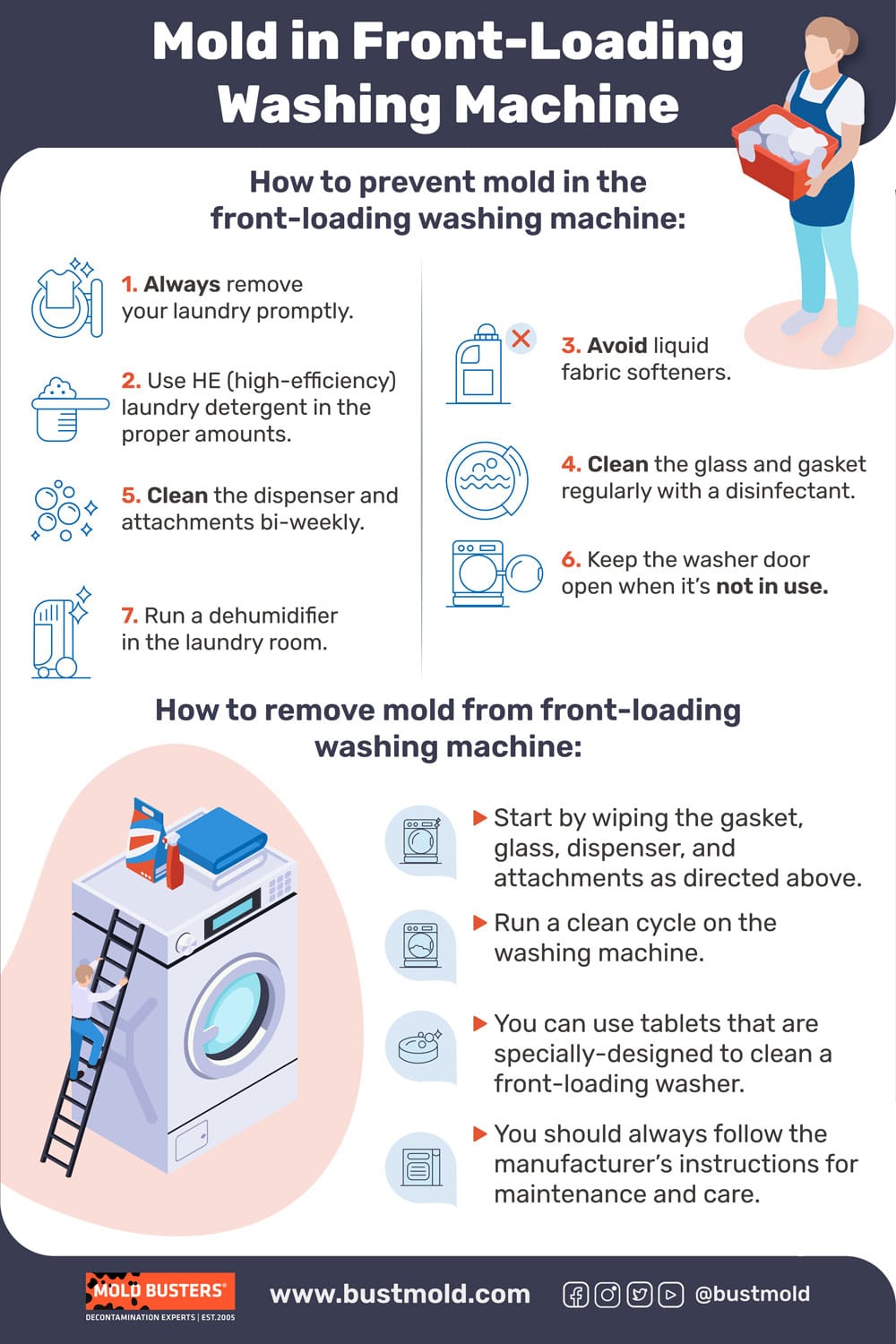
This is the golden rule. After every wash, leave the door ajar. Let air circulate. It takes two seconds. Two seconds to prevent a festering mess. I can’t stress this enough. Your mould problem starts here.
The Gasket Gauntlet
Wipe down the rubber seal after every few washes. Just a quick wipe with a dry cloth. Get rid of that residual moisture. It’s a simple habit. Takes less than a minute.
Detergent Discipline
Don’t use too much detergent. Seriously. High-efficiency (HE) machines need less. Too much leaves residue. That’s mould food. Follow the manufacturer’s recommendation. Or use even less. It’s usually enough.
Hot Cycles: Your Friend
Run a hot wash cycle (no clothes) with vinegar or a washing machine cleaner once a month. Keep things flushed out. Don’t just wash on cold all the time. Heat kills nasties.
Empty Lint Filter Regularly
Yeah, I know. It’s aoying. But a clogged lint filter affects drainage. And bad drainage means more moisture. More moisture means mould. Simple.
When To Call In The Big Guns
If you’ve tried everything and the mould is extensive, deeply embedded, or you suspect it’s in the internal hoses (smells really bad, all the time), it might be time for a professional. Some companies offer deep cleaning services. Or, if it’s really bad, maybe a new machine? Honestly, some machines are just beyond saving. Especially cheap ones bought before, say, 2015. They just don’t build ’em like they used to.
| Task | Frequency | Tools | Effort |
|---|---|---|---|
| Deep Clean (Mould Removal) | Monthly / As Needed | Vinegar, Baking Soda, Brush, Cloths, (Bleach – caution) | High |
| Seal Wipe Down | Every 2-3 Washes | Dry Cloth | Low |
| Door Ajar | After Every Wash | – | Very Low |
| Monthly Hot Cycle | Monthly | Vinegar or Cleaner | Medium |
Frequently Asked Questions
How to get rid of black mold in front load washer?
You tackle it aggressively. Start with undiluted white vinegar. Pull back the rubber seal and scrub with a cloth and an old toothbrush. Wipe down the drum interior. Then, run a hot cycle with 2 cups of vinegar. Follow up with a baking soda scrub cycle. For stubborn spots on the seal, a diluted bleach solution (1:10 bleach to water) can be used cautiously, followed by thorough rinsing. Always ensure good ventilation and never mix bleach and vinegar directly.
Is vinegar or bleach better for washing machine mould?
Vinegar is generally safer and effective for regular cleaning and odour neutralization. It’s less likely to damage rubber seals over time. Bleach is more potent for killing stubborn mould but should be used sparingly and diluted, as it can degrade rubber components and create toxic fumes if mixed with other cleaners like vinegar.
How often should I clean my front loader mould?
For prevention, wipe the seal and leave the door open after every wash. Do a deeper clean with vinegar and baking soda monthly. A thorough mould removal process, as outlined above, should be done whenever you notice mould or musty smells, which could be every 1-3 months depending on usage and your home’s humidity.
Can mould in my washing machine make me sick?
Yes. Washing machines, especially front loaders prone to mould, can harbour various types of mould and bacteria. Inhaling mould spores or coming into contact with them can trigger allergic reactions, asthma symptoms, respiratory infections, and other health issues, particularly for individuals with compromised immune systems, allergies, or respiratory conditions.
What is that black stuff in my washing machine seal?
That black stuff is almost certainly mould or mildew. It thrives in the dark, damp environment created by residual water and soap scum that collects in the rubber door gasket of front-loading washing machines. It feeds on detergent residue and fabric softener, growing into visible black, green, or greyish patches.
Watch: How To Clean Your Front Load Washing Machine