How To Clean Mop Head Without Washing Machine
Scrub That Grime: How To Clean Mop Head Without Washing Machine
Look, you bought a mop. You used it. Now it’s nasty. The thing is, most people just toss ‘em. Wasteful. And dumb. You can clean that thing without a washing machine, and honestly, you should. It’s not rocket science, just elbow grease.
Why bother? Because a dirty mop? It just pushes filth around. Spreads germs. Leaves streaks. Gross. Plus, who wants to spend 30 bucks on a new mop head every other month? I sure don’t. Not when a little effort saves cash.
This ain’t some high-falutin’ guide. This is for real life. For the grease spills, the muddy paw prints, the questionable goo that just appears. We’re talking about getting that mop head functional again. Back in the fight against floor grime.
The Dirty Truth: Why Your Mop Head Is a Biohazard
Let’s be blunt. Your mop head is probably crawling with bacteria. Think about it. You’re soaking it in dirty water, sloshing it over your floors. Then you let it sit. Damp. Dark. Perfect breeding ground. A single mop head can host millions of microbes. Honestly, it’s disgusting.
Some of you probably haven’t cleaned yours since you bought it back in, what, 2018? To be fair, remembering to clean a mop isn’t top of mind. Life happens. But that stank? That’s not just old water. That’s decay.
I remember one time, late night, cleaning up a wine spill. Thought my mop was fine. Nope. Next morning? The whole kitchen reeked. Like something died. It was the mop. Just sitting there, festering. Lesson learned.
Gear Up: What You Actually Need
Forget the washing machine. We’re going old school. Hand-on approach. You need a few things:
- A decent-sized bucket (or two).
- Hot water. Not lukewarm. HOT.
- A cleaning agent. Bleach, vinegar, or good old dish soap. Depends on the grime.
- Gloves. Seriously. Protect your hands.
- A stiff brush. For scrubbing.
- Somewhere to dry it. Outdoors is best.
How To Clean Mop Head Without Washing Machine: The Step-by-Step
This is the core. The real deal. How to get that mop head back from the brink. Follow this, and you’ll see results. No machine required.
Step 1: The Initial Rinse – Get the Loose Crap Off
First thing’s first. Take that sad, dirty mop head outside. Or over a drain. Hose it down. Or just run it under the tap. Get as much of the loose dirt, hair, and general crud off as you possibly can. Don’t be shy. Really work it.
This step is crucial. You don’t want to be stirring that loose gunk into your cleaning solution. It just makes more work later. Think of it as pre-gaming for the deep clean. Get the worst of it out of the way.
I remember my first mop. Just dunked it in the bucket. Big mistake. Turned the water into muddy soup. Took forever to get it clean after that. Lesson? Rinse first. Always.
Watch: The best way to Clean Microfiber Mop Heads
Step 2: The Soak – Drowning the Grime
Now for the main event. Get your bucket. Fill it with hot water. The hotter the better. We’re talking near boiling, if you can manage. Add your weapon of choice.
Option A: Bleach – For The Seriously Nasty
Got a mop that looks like it battled a tar pit? Bleach is your friend. Use about 1/2 cup of bleach per gallon of hot water. Stir it up.
Submerge the mop head completely. Let it soak. For cotton or synthetic heads, 10-15 minutes is usually enough. For tougher jobs, maybe 30. Don’t go overboard. Bleach is strong stuff.
WARNING: Never mix bleach with ammonia or other cleaners. It creates toxic fumes. Deadly. Stick to bleach and water. Simple. Safe-ish.
Option B: Vinegar – The Natural Warrior
Less harsh than bleach. Good for general grime and mildew smell. Use a 1:1 ratio of white vinegar and hot water. So, 1 gallon water, 1 gallon vinegar. It’s a lot of vinegar, yeah, but it works.
Soak the mop head. Give it at least an hour. For really stubborn smells or stains, you might need to soak it overnight. It’s gentler, so you can leave it longer. The smell dissipates when it dries.
Option C: Dish Soap – For Everyday Grime
Just need a light clean? Got a bit of grease or food spill? A few good squirts of dish soap (like Dawn) in hot water will do. No soaking needed really.
Just agitate the mop head in the soapy water. Swish it around. Let it sit for maybe 10-15 minutes. This is more of a quick refresh than a deep clean.
Step 3: The Scrub Down – Digging In
After the soak, wring out the mop head. Get that dirty water out. Now, if there are still stubborn spots, grab your stiff brush. Dip the mop head back into the solution (or fresh hot water if you used bleach and want to rinse). Scrub those dirty areas.
Watch: How To Clean A Mop Head Naturally-Full Tutorial
Really work at it. Get into the fibers. You’re trying to dislodge anything the soak loosened up. This is where the manual labor comes in. It’s not pretty, but it’s effective.
I remember cleaning my grandmother’s old string mop. Took me an hour of scrubbing. But when I was done? It looked almost new. That brush is key. Don’t skip it.
Step 4: The Rinse Cycle – Flushing the Evidence
Back to the tap, or the hose. Rinse that mop head thoroughly. Keep rinsing until the water runs clear. No more suds. No more dirty color. You want it clean. Really clean.
Pay attention to the core where the head attaches. Sometimes gunk hides in there. Squeeze and rinse until you’re satisfied. This is vital. Leftover cleaner will just leave residue on your floors.
Step 5: The Squeeze & Spin – Removing Excess Water
Wring it out. Like you mean it. Squeeze out as much water as humanly possible. The drier it is, the faster it will dry. And the less chance of mildew.
If it’s a string mop, grab a big handful and twist hard. For microfiber pads, just wring and twist. Get it as compact and dry as you can.
Step 6: The Drying Ritual – Crucial for Longevity
This is the step most people screw up. You need to let it dry completely. Completely. Air dry is best.
Hang it up. Outdoors is ideal. In the sun. Sunlight is a natural sanitizer and helps kill remaining germs. If you can’t go outside, hang it in a well-ventilated area. Near an open window. Maybe with a fan blowing on it.

NEVER store a damp mop head. Ever. That’s how you get mildew. That’s how you get that awful smell. That’s how you end up buying a new one way too soon. Patience here saves you money and hassle.
Different Mop Heads, Different Tactics
Not all mop heads are created equal. They need slightly different care. You wouldn’t treat a silk scarf like a work rag, right? Same idea here.
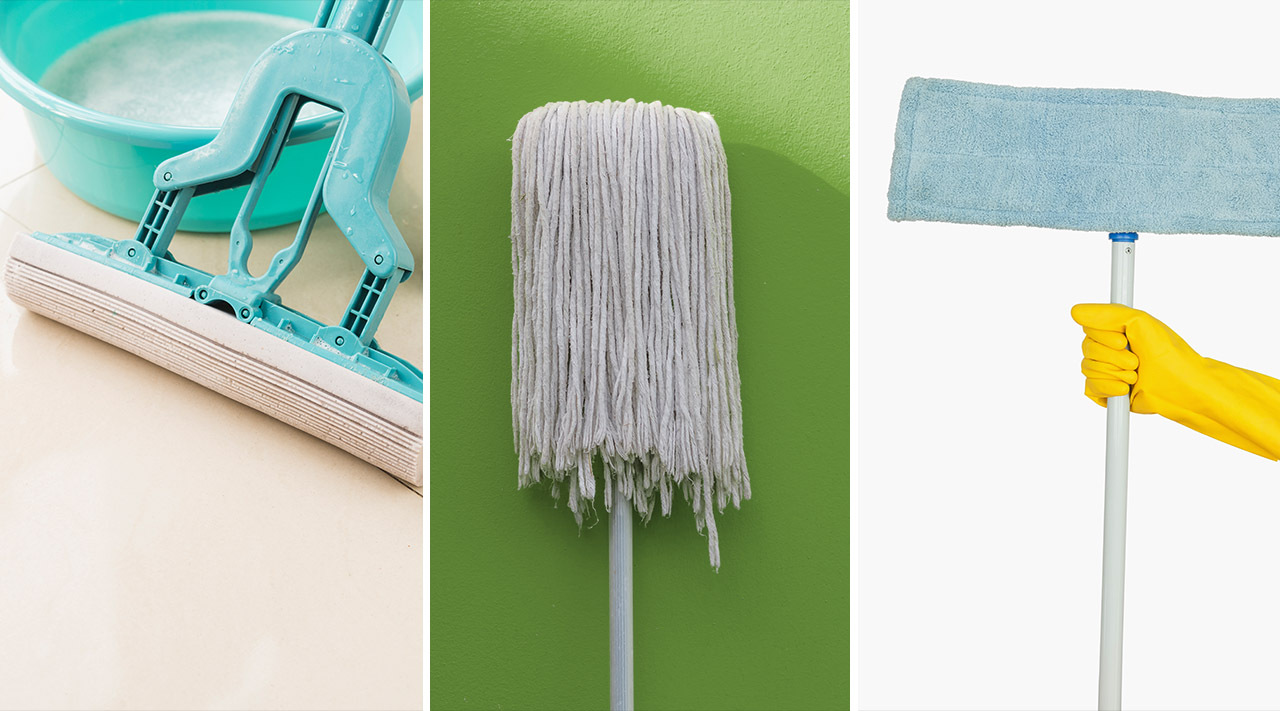
Microfiber Mop Heads: The Modern Marvel
These are popular. They trap dirt well. They clean easily. Hand washing is usually enough. You can use hot water with a bit of dish soap or a gentle cleaner. Avoid bleach unless absolutely necessary and diluted heavily. High heat and bleach can degrade the microfiber strands.
The key is rinsing thoroughly. Microfiber holds onto soap. Ensure all suds are gone. Dry completely, out of direct harsh sunlight for extended periods if possible, as it can make them brittle over time.
Cotton Mop Heads: The Old School Workhorse
These are tough. They absorb a lot. Good for heavy-duty cleaning. Bleach is often your best bet here for deep sanitizing. Hot water and a good soak, followed by scrubbing, works wonders.
Cotton can handle rougher treatment. Just make sure it dries fully. They can shrink a bit if air-dried rapidly in intense sun, but that’s usually not a big deal. They are robust.
Sponge Mop Heads: The Tricky Ones
These are the ones that often get tossed. They absorb a lot, and hold onto everything. Cleaning them requires diligence.
Rinse immediately after use. Then, soak in hot, soapy water. For a deeper clean, use a diluted bleach solution (1/4 cup bleach per gallon water). Let it soak for about 15 minutes. Squeeze out the water. Rinse until clear.

The trick with sponges is drying. Squeeze out as much water as possible. Stand them upright so air can circulate through the sponge. A fan helps. If they don’t dry fast enough, they’ll mildew. They are prone to that. Honestly, sometimes they’re just not worth the hassle if they get too far gone.
How Often Should You Clean Your Mop Head?
This isn’t a one-size-fits-all answer. But here’s the deal:
After Every Single Use
Look, this is the bare minimum. After you mop, rinse the head. Just under ruing water. Get the loose stuff off. Squeeze it out. Let it air dry completely. This prevents the worst buildup and smells.
Deep Clean Weekly (or Bi-Weekly)
If you mop frequently – say, multiple times a week, or you have pets or kids – you need a proper deep clean at least once a week. If you only mop once a week, maybe every other week is fine.
Watch: Yes, You Should Think About Cleaning Your Mop — And …
Use the methods outlined above: soak, scrub, rinse, dry. This keeps the bacteria at bay and your mop effective.
When to Throw in the Towel (or Mop Head)
There comes a time, even with good care, when a mop head is just done. When is that?
If it’s falling apart. Strands breaking off everywhere. If it won’t come clean, no matter what you do. If it smells permanently foul, even after a deep clean and drying. Those are signs it’s time for a new one. Usually costs $10-$20. Better than replacing the whole mop system.
Table: Cleaning Solutions at a Glance
| Problem | Solution | Ratio (approx.) | Soak Time | Notes |
|---|---|---|---|---|
| General Grime, Mild Odors | Dish Soap | 2-3 tbsp per gallon | 15-30 mins | Agitate well. Rinse thoroughly. |
| Heavy Grime, Mildew, Disinfection | Bleach | 1/2 cup per gallon | 15-30 mins | NEVER MIX WITH AMMONIA. Rinse very well. Use for cotton/synthetics. |
| Stubborn Odors, Mildew, Natural Clean | White Vinegar | 1:1 with hot water | 1-2 hours or overnight | Good for most types. Smell fades on drying. |
Frequently Asked Questions
How to clean a mop head without a washer?
You do it by hand! The process involves rinsing the mop head thoroughly under ruing water to remove loose debris. Then, you soak it in a bucket of hot water mixed with a cleaning agent like bleach (for tough jobs), vinegar (for odors), or dish soap (for everyday grime). After soaking, use a stiff brush to scrub away stubborn dirt. Finally, rinse the mop head until the water runs clear, wring it out thoroughly, and allow it to air dry completely, preferably in the sun or a well-ventilated area. This manual method is effective and saves wear and tear on a washing machine.
How to make your mop head white again?
To make a dingy mop head white again, a bleach solution is your best bet. Mix about 1/2 cup of chlorine bleach with one gallon of hot water in a bucket. Submerge the mop head completely and let it soak for at least 15-30 minutes, or longer for very stubborn discoloration. After soaking, scrub any remaining stains with a brush. Rinse the mop head meticulously under cold ruing water until all traces of bleach and loosened grime are gone. Ensure it dries completely, as residual moisture can lead to yellowing or mildew.
Can I just rinse my mop head and reuse it?
Rinsing is essential after every use, but simply rinsing and reusing without proper drying or occasional deep cleaning isn’t ideal. While it gets rid of loose dirt, it leaves behind dissolved grime and bacteria. If not dried thoroughly, this damp environment promotes mildew and bacterial growth, leading to odors and ineffective cleaning. A quick rinse is a temporary fix; regular deep cleaning and complete drying are crucial for hygiene and mop longevity.
What’s the best way to dry a mop head to prevent mildew?
The absolute best way to dry a mop head and prevent mildew is to let it air dry completely in a location with good air circulation. Hanging it outdoors in direct sunlight is ideal, as the sun’s UV rays help kill remaining germs. If drying indoors, hang it near an open window or use a fan to speed up the drying process. Ensure the mop head is fluffed or spread out to maximize airflow. Never store a damp mop head in a closed cabinet or bucket; this is a guaranteed way to encourage mildew growth.
How often should I replace my mop head if I clean it regularly?
Even with regular cleaning and proper drying, mop heads don’t last forever. For microfiber or synthetic heads, you might get 3-6 months of regular use before they lose their effectiveness. Cotton mop heads, being more robust, could last 6 months to a year. Signs it’s time for replacement include visible deterioration (strands falling out), persistent odors that cleaning can’t eliminate, or a noticeable decrease in cleaning performance (leaving streaks, not picking up dirt). If it looks ragged or smells foul, it’s time for a new one, regardless of the cleaning schedule.