How To Clean Mold Out Of Front Load Washing Machine
How To Clean Mold Out Of Front Load Washing Machine
Look, your front-load washer’s a mold factory. Don’t deny it. That rubber gasket? A petri dish. That detergent drawer? Swamp land. If you don’t get this right, you’re just moving mold around. Worse, you’re stinking up your clean clothes with funk. It’s disgusting, honestly. And the thing is, most people just ignore it. They think a little smell is ‘normal.’ It’s not. It’s a sign of a dirty machine. A moldy machine.
This ain’t rocket science. But it takes guts. And the right damn supplies. Forget those fancy sprays. We’re going old school. Vinegar. Bleach. Maybe some elbow grease. You got this. Or you don’t. Your call.
The Dirty Truth About Front Loaders
Why do front loaders get moldy? Simple physics. They’re sealed tight. Keep water in. Keep air out. Perfect breeding ground for that fuzzy black crap. You run a load, water sits. Door’s closed. Humid. Dark. Ideal. The gasket traps lint, hair, fabric softener residue. It all mixes with moisture. Bam. Mold buffet. And that dispenser drawer? Soap scum central. Feeds the mold. Makes it happy. Makes your clothes smell like a gym sock left in a sauna. Ew.

I remember a client, Mrs. Henderson. Lovely woman. Her towels always smelled stale. She’d re-wash ’em. Still stale. Turns out her front loader was a biohazard. Took me two hours. Bleach. Scrubbing. She cried when she smelled her fresh towels. Like a damn baby. You don’t want Mrs. Henderson’s stale towel problem. Clean the damn machine.
Gather Your Arsenal: What You Need
Don’t skimp here. Get the good stuff. Or at least, the stuff that works. You need cleaning agents. And tools. Simple as that.
The Big Guns: Cleaning Agents
- White Vinegar: Cheap. Effective. Kills mold. Destroys odors. Get a gallon. You’ll use it.
- Chlorine Bleach: The nuclear option. Kills everything. Use sparingly. Protect your lungs. And your machine’s parts. Too much is bad.
- Baking Soda: Mild abrasive. Odor absorber. Good for scrubbing.
- Dish Soap: For the gross-out jobs. Like that slimy dispenser drawer.
The Tools of the Trade
- Microfiber Cloths: Lots of ’em. Don’t use paper towels. They fall apart.
- Old Toothbrushes: Perfect for tight spots. Get a few.
- Spray Bottle: For your vinegar solution.
- Bucket: For soaking parts.
- Gloves: Protect your hands. Especially with bleach.
- Mask: Protect your lungs. Especially with bleach.
Step-by-Step: Attack the Mold
Alright, let’s do this. Follow these steps. Don’t improvise. You screw this up, you’ll regret it.
Step 1: Attack the Gasket
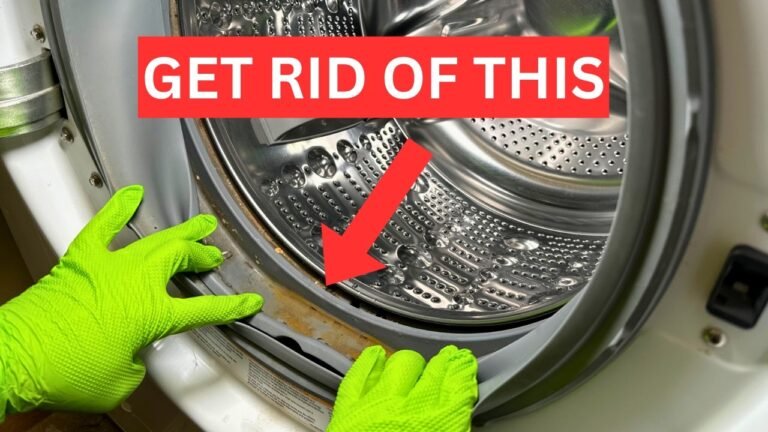
This is Ground Zero. The rubber seal around the door. Pull it back. See the gunk? Gross. Spray it down with undiluted white vinegar. Let it sit for 10 minutes. Then, scrub. Use a toothbrush. Get into every crevice. Wipe it clean with a damp cloth. Repeat if necessary. Honestly, this is the worst part. But it’s crucial.
Watch: How To Clean Your Front Load Washing Machine
Step 2: Tackle the Dispenser Drawer
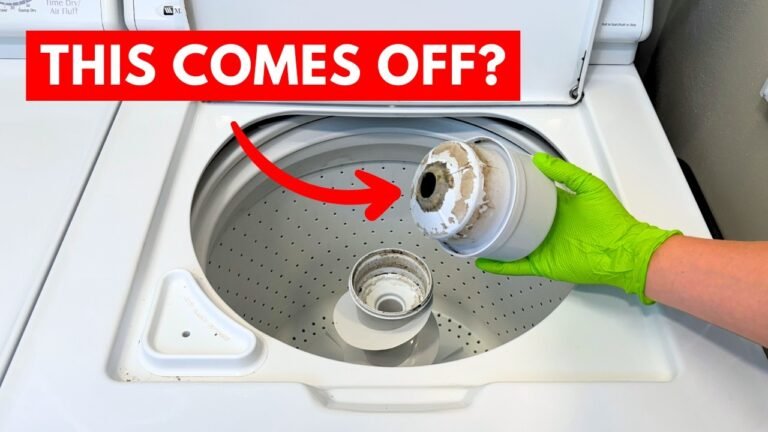
Pull the damn drawer out. Soak it in hot, soapy water. Or a vinegar solution. Scrub it clean. Use that toothbrush again. Get the mold out of the slots. Rinse it thoroughly. Wipe down the cavity where the drawer sits. It’s probably gross in there too. Use a damp cloth. Get all the residue.
Step 3: The Drum Clean Cycle (Vinegar First)
This is where we hit the inside. Pour 2 cups of white vinegar directly into the drum. Run the machine on its hottest, longest cycle. Normal wash is fine. Just hot. This loosens up grime. Kills some mold. It’s the first pass. Don’t expect miracles yet.
Step 4: The Drum Clean Cycle (Bleach Second)
Empty the machine. Now, the bleach. Pour 1/2 cup of bleach into the detergent dispenser. NOT directly in the drum. Let it sit for a minute. Run another hot, long cycle. This kills what the vinegar missed. Kills the spores. Leaves it smelling… less like a swamp. Don’t mix vinegar and bleach. Ever. That makes toxic gas. You want clean, not dead.

Step 5: Wipe Down Everything Else
Once the cycles are done, wipe down the inside of the drum. The door glass. The outer gasket again. Just to be sure. Use a clean, damp cloth. Get any lingering moisture. The thing is, you gotta be thorough.
Advanced Mold Warfare: Stubborn Stains
Got black mold that won’t quit? Bleach paste. Mix 3 parts baking soda to 1 part bleach. Make a paste. Apply it directly to the moldy spots on the gasket. Let it sit for 30 minutes. Scrub gently. Rinse thoroughly. This is for the tough stuff. The stuff that laughs at vinegar.
I had this one machine, old Maytag. 5 years old. Never cleaned. Looked like a gothic cathedral inside the gasket. Used the bleach paste. Took two applications. But it worked. Mrs. Henderson would have been proud. Your machine can be like new. If you try hard enough.
Preventing Future Mold Infestations
Cleaning is a pain. Prevention? Easier. But you gotta do it. Consistently. Or you’re back to square one.
Leave the Door Ajar
This is HUGE. After every wash, leave the door slightly open. Just a crack. Lets air circulate. Dries out the drum. Prevents moisture buildup. Simple. Effective. Do it. Every. Single. Time.

Pull Out the Gasket
After the wash, pull the rubber gasket away from the drum. Wipe it with a dry cloth. Get any trapped water. Or lint. It takes 30 seconds. It saves hours of scrubbing later. Seriously. Just do it.
Use the Right Detergent
Less is more. Use HE (High-Efficiency) detergent. And use only the amount recommended. Too much soap creates residue. Residue feeds mold. Plain and simple. Powdered detergent tends to be less problematic than liquid pods for residue. To be fair, liquid pods are convenient, but they leave gunk.
Run Regular Cleaning Cycles
Once a month, run a hot water cycle with vinegar or a washing machine cleaner. This keeps things fresh. Prevents buildup. It’s maintenance. Like changing the oil in your car. Neglect it, and it all goes south.
Watch: How to Remove Mold from a Washing Machine Door Seal
Empty and Dry the Drawer
After you’ve done your laundry, pull out the dispenser drawer. Wipe it dry. Let it air out. Make sure there’s no standing water. This stops mold before it even thinks about starting.
Troubleshooting Common Issues
Sometimes things go wrong. Or they’re just stubborn. Here’s what to do.
Persistent Smells
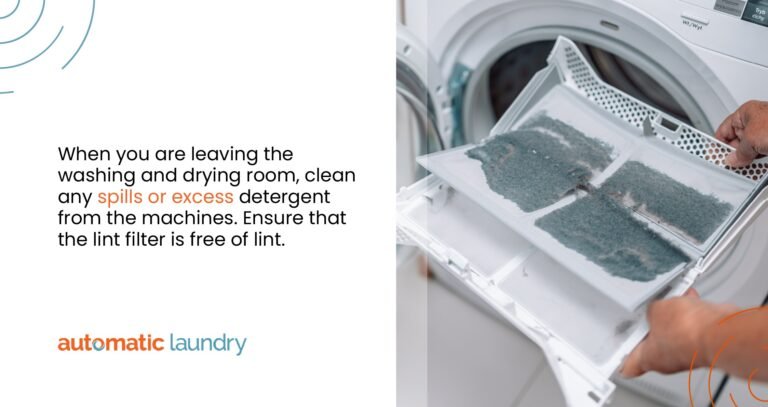
If the smell lingers after cleaning, you might have mold deeper inside the machine. Check the drain pump filter. It’s often neglected. It can trap hair and lint, contributing to odors. Clean it out. If that doesn’t work, you might need a professional. Or a new machine. Honestly, sometimes it’s just time.
Mold Inside the Drain Hose
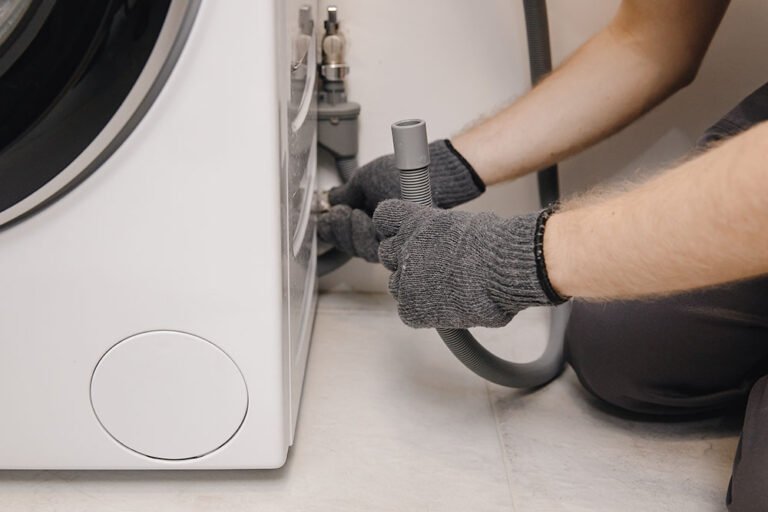
This is rare, but possible. If you suspect mold in the drain hose, you’ll likely need to discoect it and flush it out. This can be tricky. Consult your machine’s manual. Or call a repair person. Don’t go in blind.
Watch: The Best Way to Clean Your Front-Load Washer Rubber Gasket!
A Table of Cleaning Solutions
Here’s a quick rundown of what to use, where, and when. Keep this handy.
| Problem Area | Cleaning Agent | Frequency | Notes |
|---|---|---|---|
| Gasket/Door Seal | White Vinegar, Bleach Paste (for stubborn) | Weekly scrubbing, deep clean monthly | Pull back and scrub thoroughly. |
| Dispenser Drawer | Hot Soapy Water, Vinegar Soak | Monthly deep clean, wipe after use | Remove and soak. Scrub all compartments. |
| Drum (Interior) | Vinegar Cycle, Bleach Cycle | Monthly | Use hottest cycle. Separate vinegar and bleach cycles. |
| Exterior | All-purpose cleaner, damp cloth | As needed | Wipe down machine after cleaning interior. |
The Cost of Neglect
Ignoring mold in your front loader isn’t just about stink. It’s about health. Mold spores can become airborne. They can trigger allergies. Asthma. Not good. Plus, mold eats away at the rubber and plastic parts. It degrades your machine. Shortens its lifespan. A $5 bottle of vinegar saves you hundreds in repairs. Or a new machine. Think about it. Your health. Your money. Your damn clean clothes.
Frequently Asked Questions
How to get rid of black mold in front load washer?
Start with a thorough cleaning of the gasket and dispenser drawer using white vinegar. Then, run two separate hot water cycles: one with 2 cups of white vinegar directly in the drum, and another with 1/2 cup of bleach in the dispenser. For stubborn black mold, a paste of baking soda and bleach can be applied directly to the affected areas, left for 30 minutes, then scrubbed and rinsed. Always ensure good ventilation when using bleach.
How often should I clean my front load washer mold?
You should perform a deep clean of your front load washer mold at least once a month. However, quick wipe-downs of the gasket and door after each use, and leaving the door ajar, are essential daily preventative measures.
Can mold in my washing machine make me sick?
Yes, mold in your washing machine can potentially make you sick. Mold spores can become airborne during the wash cycle and inhalation can trigger allergic reactions, asthma symptoms, or other respiratory issues in susceptible individuals. Regular cleaning is crucial for health.
What’s the best way to prevent mold in a front load washer?
The best prevention is to always leave the washer door open between loads to allow air circulation and drying. After each wash, wipe down the door seal and remove any standing water. Also, avoid using excessive detergent and fabric softener, as these can leave residue that feeds mold.
Is it safe to use bleach and vinegar together to clean my washing machine?
Absolutely not. Never mix bleach and vinegar. When combined, they create toxic chlorine gas, which is dangerous to inhale and can cause severe respiratory problems. Always use them in separate cleaning cycles, ensuring the machine is rinsed thoroughly between uses.