How To Clean Mold Front Loader Washing Machine
How To Clean Mold Front Loader Washing Machine: The Brutal Truth
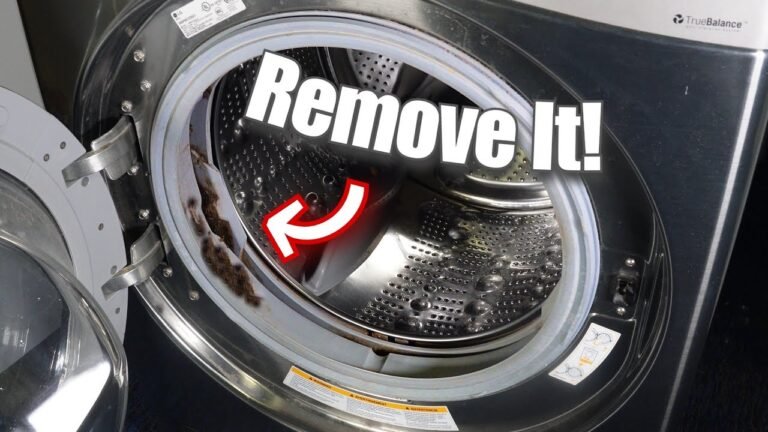
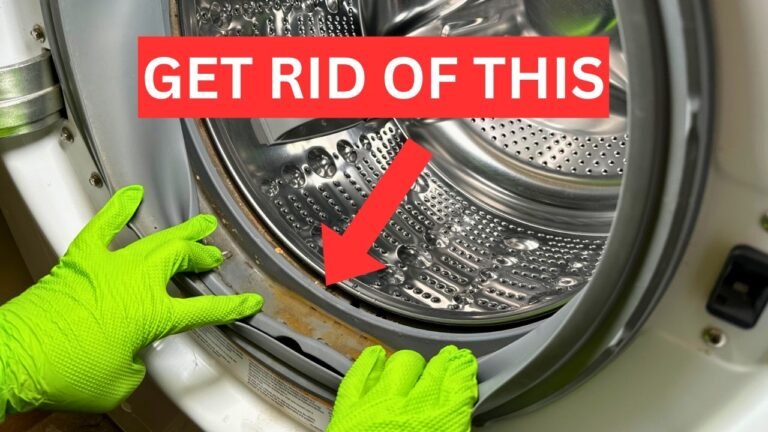
Look, you bought that fancy front-loader. Thought you were living the dream, right? Shiny, efficient, saving water. Then the smell hit. That god-awful, musty funk. Yeah, that’s mold. Your machine’s turning into a petri dish. Honestly, it’s a design flaw. That rubber seal? It’s a mold magnet. Get ready to scrub. This isn’t rocket science, but it’s goa be gross.
The thing is, front-loaders are notorious. They seal tight, trapping moisture. Perfect breeding ground for the nasties. We’re talking black mold, mildew, the whole ugly crew. And it’s not just ugly; it’s unhealthy. Get this sorted. Now.
Why Your Front Loader Hates You (And Grows Mold)
It’s simple physics, really. Low water usage means detergent doesn’t always rinse away completely. That residue mixes with lint, hair, and fabric softener gunk. Then, bam. Mold buffet. Especially in that dark, damp rubber gasket around the door. Ever look inside after a wash? It’s a swamp. And that smell? It clings to your clothes. Nobody wants that. To be fair, it happens to the best of us, but that doesn’t excuse inaction.
I remember my neighbor, Carol. Lovely woman, but her laundry room smelled like a gym sock left in a swamp for a month. She swore by “airing it out.” Yeah, right. Turns out, her front-loader’s gasket was practically black. Took me an hour and a bottle of bleach to show her the light. She was mortified. You won’t be, because you’re learning now.
The Arsenal: What You NEED To Fight Mold
Forget those fancy “washer cleaners.” They’re mostly snake oil. You need the heavy hitters. Stuff that actually KILLS mold. Here’s the breakdown:
- Bleach: The nuclear option. Use it sparingly and correctly. It’s the king for killing mold.
- White Vinegar: The acidic warrior. Good for dissolving buildup and milder mold issues. Less harsh than bleach.
- Baking Soda: The abrasive scrubber and deodorizer. Use it as a paste.
- Microfiber Cloths/Sponges: You’ll need a few. Old rags are fine, but dedicated cloths work better.
- An Old Toothbrush: For those impossible-to-reach nooks and craies.
- Spray Bottle: For your cleaning solutions.
- Gloves: Unless you enjoy chemical burns.
- Mask: Seriously, don’t inhale mold spores.
Step-by-Step: Attack the Mold Gasket
This is Ground Zero. Where the real horror show lives. Pay attention.
1. Prep the Battlefield
Pull the machine out from the wall if you can. Gives you access. Open the door. Brace yourself.
2. The Bleach Blitz (Use With Caution!)
Mix a solution: 1 part bleach to 10 parts water in your spray bottle. OR, soak a cloth in straight bleach (diluted is usually enough). Spray generously onto the gasket and into all the folds. Let it sit for 10-15 minutes. Don’t let it dry.
3. The Scrub Down
Take your cloth or sponge and start scrubbing. Get deep into every crease. Use that toothbrush for the really tight spots. You’ll see the black gunk coming off. It’s disgusting. I told you.
4. Wipe and Rinse
Use a clean, damp cloth to wipe away the bleach solution and the slime. Rinse the cloth frequently. Keep wiping until all residue is gone.
5. Vinegar Follow-Up (Optional but Recommended)
If you used bleach, you might want to do a quick vinegar wipe-down afterward to neutralize any lingering bleach smell and hit any remaining spores. Use straight white vinegar this time.
6. Dry It Out
This is CRITICAL. Use a dry cloth to wipe down the entire gasket and the inside of the door and drum. Leave the door WIDE open afterward.
Tackling the Drum and Dispenser Drawer
The gasket isn’t the only culprit. Mold loves the whole interior.
The Drum Deep Clean
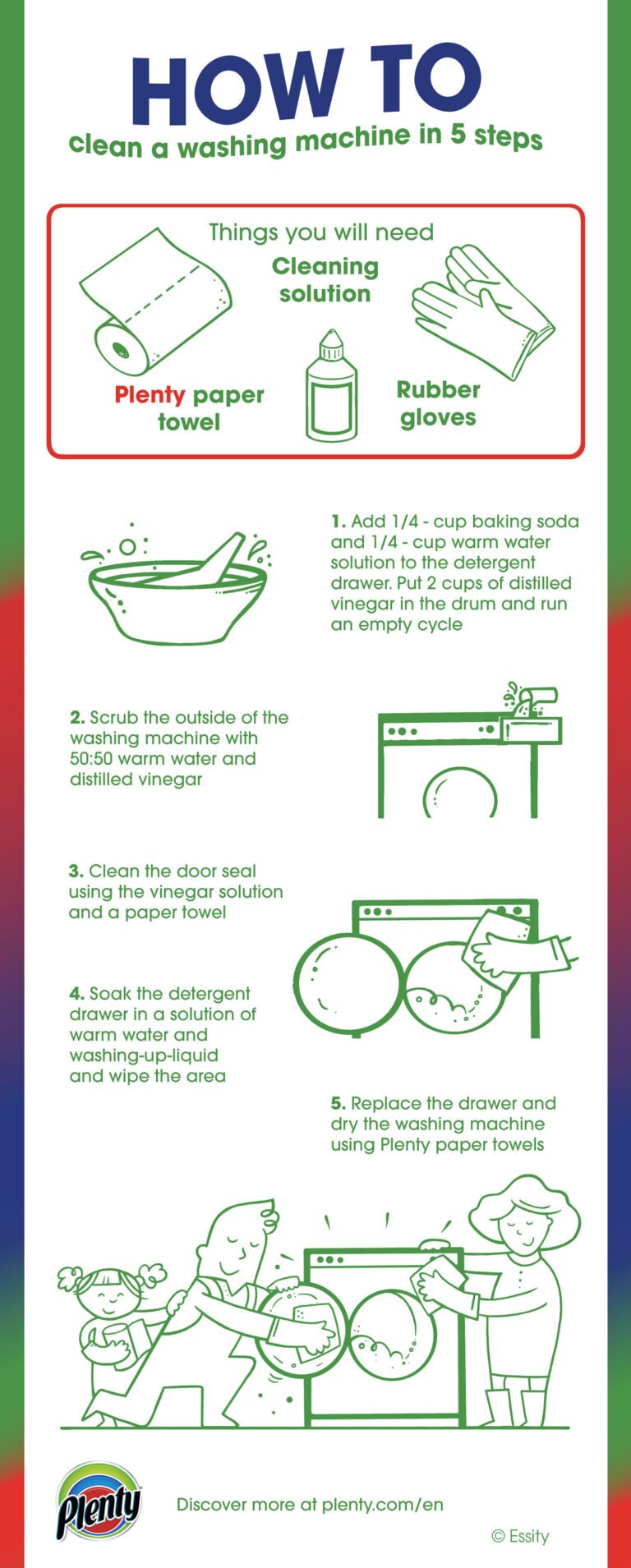
Run an empty, hot water cycle. Add 2 cups of white vinegar directly into the drum. Or, you can add 1/2 cup of bleach to the dispenser tray (NEVER mix bleach and vinegar directly!). Let the cycle finish. Afterward, wipe down the inside of the drum with a clean cloth.
Dispenser Drawer Duty
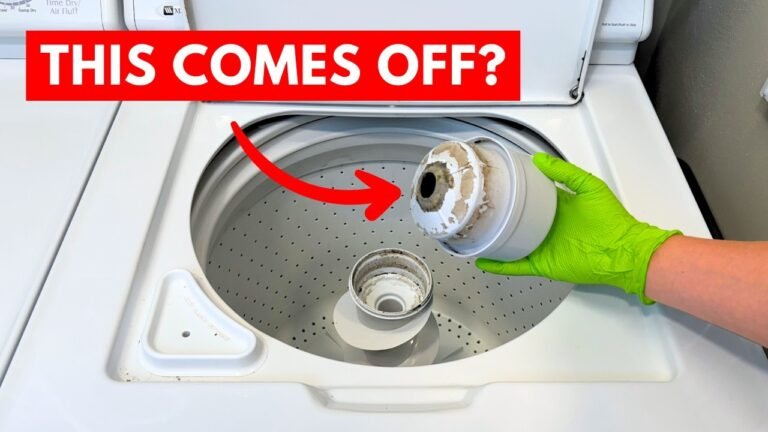
This thing is a slime factory. Pull it out completely. Soak it in hot, soapy water or a bleach-water solution for about 30 minutes. Scrub it thoroughly with your toothbrush. Rinse it, dry it, and put it back.
Preventing the Return of the Mold Monsters
Cleaning is a pain. Prevention is key. You don’t want to do this every other week. Trust me.
Leave the Door Ajar
This is non-negotiable. After EVERY wash, leave the door open. Just a crack is fine. Air circulation is your best friend. I learned this the hard way back in ’09. My first front-loader turned into a biohazard in under a year because I was lazy. Big mistake.
Wipe the Gasket Regularly
Don’t wait for the smell. Give that rubber seal a quick wipe with a dry cloth after each use. It takes 10 seconds. 10 seconds! It makes a world of difference.
Use the Right Detergent (and Amount!)
HE (High Efficiency) detergent is a must for front-loaders. Use LESS than you think you need. Too much soap causes buildup, which feeds mold. Seriously, measure it. Don’t just eyeball it.
Run Hot Cycles Occasionally
Once a month, run a hot water cycle. Either with vinegar or a washing machine cleaner designed for this purpose (use sparingly). It helps flush out residue.
Clean the Filter
Most front-loaders have a small filter, usually behind a kickplate at the bottom. Check your manual. Clean this thing out every few months. Lint and gunk collect here, promoting mold growth.
The Maintenance Schedule: A Simple Table
Here’s a cheat sheet. Stick to it. Your nose will thank you.
| Task | Frequency | Notes |
|---|---|---|
| Wipe Gasket & Door | After every use | Crucial for airflow |
| Leave Door Open | After every use | Essential prevention |
| Clean Dispenser Drawer | Monthly | Soak & scrub |
| Run Hot Cycle (Vinegar/Cleaner) | Monthly | Flushes residue |
| Deep Clean Gasket & Drum (Bleach/Vinegar) | Quarterly (or as needed) | The big scrub |
| Clean Filter | Every 3-6 Months | Check manual |
When To Call in the Pros (Or Just Buy a New Machine)
If you’ve tried everything and the mold keeps coming back with a vengeance, or if the smell is deeply ingrained, it might be time for a new machine. Sometimes, the damage is too deep. But before you drop thousands, give it one last shot with this deep clean. You might be surprised. Or disgusted. Either way, you’ll be cleaner.
Frequently Asked Questions
How to get rid of black mold in front load washer?
The most effective way is a deep clean using a bleach solution (1 part bleach to 10 parts water) or a strong vinegar solution. Spray directly onto the mold, let it sit for 15-30 minutes, then scrub vigorously with a cloth and an old toothbrush. Rinse thoroughly and wipe dry. Always ensure good ventilation and wear gloves and a mask.
How to get mold off of the rubber in a front load washer?
For the rubber gasket, use a dedicated mold-killing spray (like a diluted bleach solution or a vinegar spray). Saturate the folds, let it sit, and then scrub every crease with a cloth or toothbrush. Rinse and dry completely. Leaving the door open after use is key to preventing its return.
How do you remove black mold from rubber seals?
Attack it aggressively. A 1:10 bleach to water solution is potent. For tougher spots, you might need to apply it more directly (test in an inconspicuous spot first if concerned about discoloration). Let it dwell, then scrub with a firm brush. A paste of baking soda and water can also help lift stains after the initial kill.
Are front load washers prone to mold?
Yes, unfortunately. Their design relies on a tight seal to conserve water and energy, which creates a damp, dark environment perfect for mold and mildew growth, especially if residue isn’t properly rinsed away. The rubber door gasket is the most common place for it to start.
What if the mold smell won’t go away even after cleaning?
If the smell persists after a thorough cleaning, it means mold might have penetrated deeper into the machine’s internal components, like hoses or the tub itself. You might need to run multiple hot cycles with vinegar or a specialized washer cleaner. If that fails, the machine might be compromised and require professional inspection or replacement.