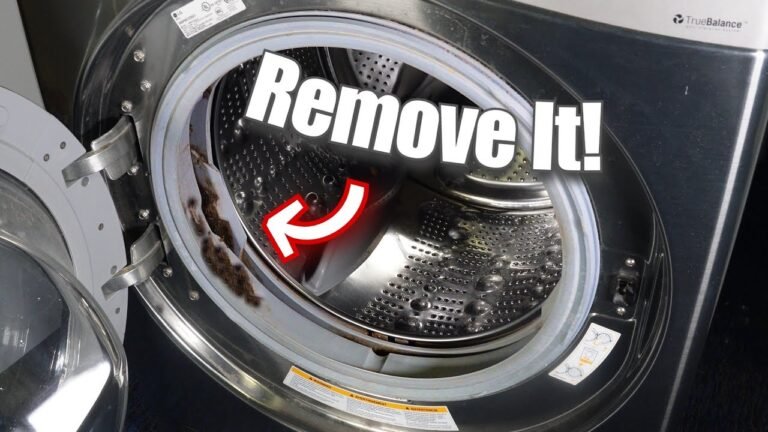
How To Clean Mold From Front Loading Washing Machine
Mold. It’s lurking. Sneaking. Right there. In your front-loading washing machine.
Look. Nobody wants to admit it. But that funky smell? That visible black gunk clinging to the rubber seal? That’s mold. And it’s not just gross. It’s a health hazard. Especially if you’ve got kids. Or you’re just… sensitive. Honestly, the thing is, these machines are breeding grounds. Damp. Dark. Full of soap scum. Perfect. You bought a front-loader for efficiency. Now it’s making your clothes smell like a swamp. Unacceptable. We’re going to fix that. This isn’t your grandma’s top-loader. This is a deep dive. A no-holds-barred guide on How To Clean Mold From Front Loading Washing Machine. Forget those weak-sauce hacks. We’re going for the jugular. We’re talking power. We’re talking results. We’re talking a machine so clean, you’ll think it’s brand new. So grab your gloves. And your courage. Let’s get this done.
The Enemy: What You’re Up Against
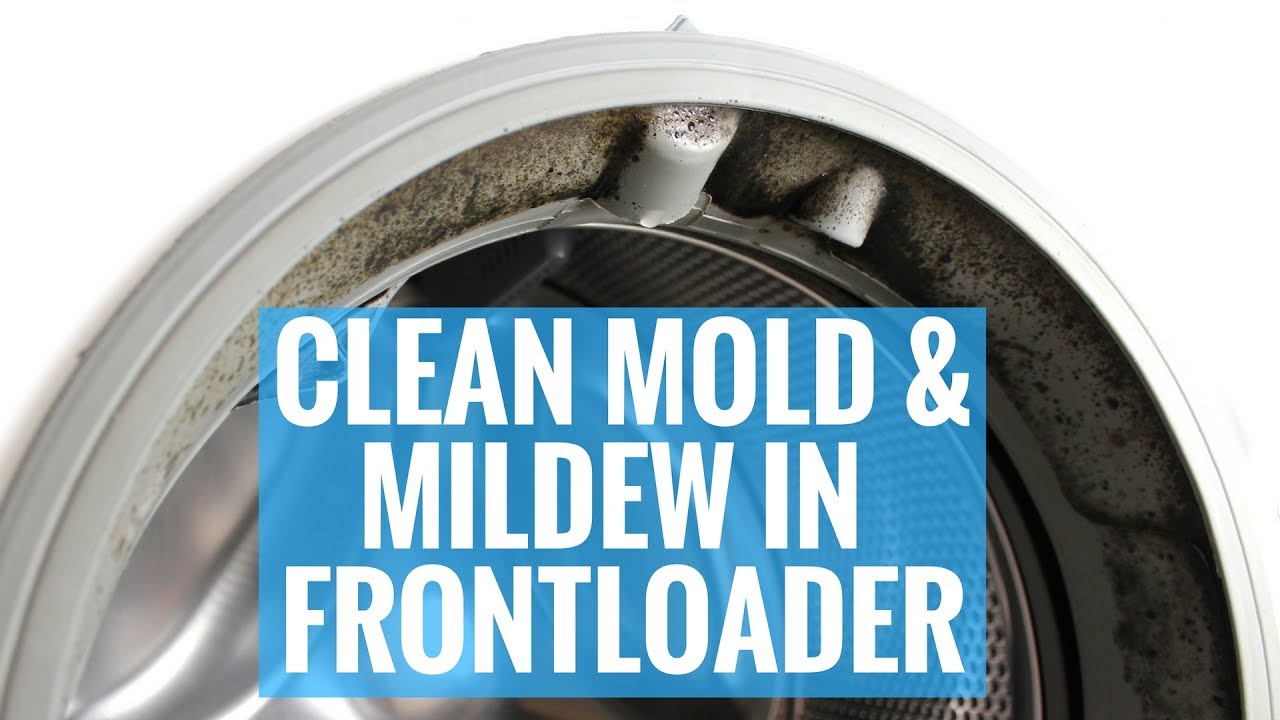
Mold. Mildew. They’re basically the same evil twins. Thriving in the dark, damp recesses of your washing machine’s gasket. That rubber seal? It’s the prime real estate for this filth. Water gets trapped. Detergent residue builds up. Fabric softener? A feast. And if you’re like most people, you slam that door shut after every load. A perfect little humid incubator. The result? Black spots. Greenish slime. A smell that clings to your freshly washed clothes. It’s enough to make you want to burn the whole thing. But don’t. We can fight this. To be fair, it’s not entirely your fault. These machines are designed in a way that just… invites the funk. The tight seals, the low water usage for efficiency. It all adds up.
Why Bother? It’s Just Mold, Right?
Wrong. Dead wrong. This isn’t just about aesthetics. Or a bad smell. Mold spores. They get airborne. You breathe them in. They trigger allergies. Asthma. Respiratory issues. Especially for the little ones. I remember my sister’s kid. Always wheezing. Constant cough. Turned out her front-loader was a disaster zone. Doctor recommended a deep clean. Like, a deep clean. Not just ruing a sanitize cycle. After we tackled it? Kid’s breathing improved. Simple as that. It’s not just your family’s health. It’s your machine’s lifespan. Mold eats away at rubber. It corrodes metal. Ignoring it? You’re shortening the life of a pretty expensive appliance. Think about it. A new front-loader? $700-$1500. Easy. Cleaning it? Peies. A no-brainer, frankly.
Watch: The Mold Problem Nobody Talks About | Front Load Washers
The Arsenal: What You Need to Win This War
Forget the fancy cleaners. Most of them are watered-down garbage. We’re going old school. Effective. Cheap. You need:
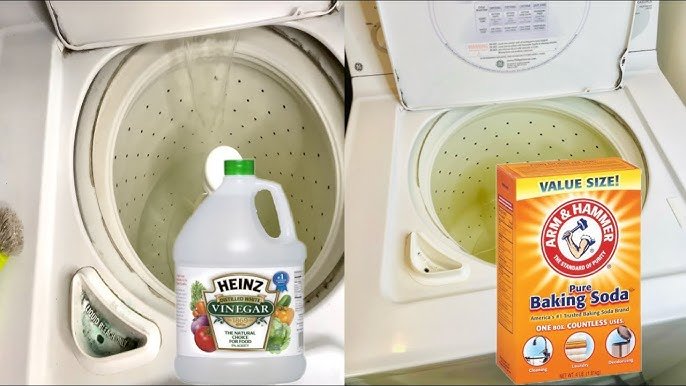
- White Vinegar: The workhorse. Acidic. Kills mold. Deodorizes. Essential.
- Baking Soda: The scrub buddy. Mild abrasive. Neutralizes odors. Works with vinegar.
- Bleach (Optional, Use with CAUTION): For severe cases. Powerful. BUT. Never mix with vinegar. EVER. Deadly fumes. You’ve been warned.
- Spray Bottle: For applying solutions.
- Microfiber Cloths: Lots of ’em. For wiping. Drying. Polishing.
- Old Toothbrush or Small Scrub Brush: To get into crevices.
- Gloves: Protect your hands. Mold ain’t pretty.
- Mask (Optional but Recommended): If you’re sensitive. To spores.
Phase One: The Gasket Gauntlet
Pull Back the Rubber. See the Horror.
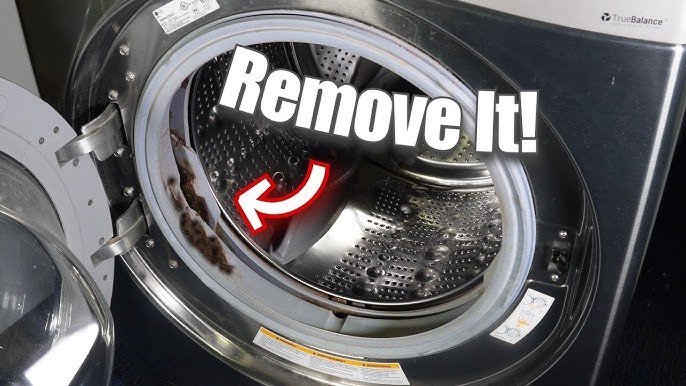
This is ground zero. The main event. You gotta pull back that rubber door seal. Gently. Don’t rip it. You’ll find… well, you know what you’ll find. Gross stuff. Black streaks. Maybe even fuzzy bits. Get your spray bottle. Fill it halfway with white vinegar. The rest with water. Spray it directly onto the moldy areas. Let it sit. 10-15 minutes. Give that vinegar time to work its magic. It’s breaking down that gunk. Loosening its grip. You want to be thorough here. Don’t miss spots.
Watch: How to Remove Mold and Mildew from Front Loader Washer
Scrub-a-Dub-Dub. Get Your Hands Dirty.
Now for the scrubbing. Take your toothbrush or small scrub brush. Dip it in the vinegar solution. Or baking soda paste (baking soda + a little water). Start scrubbing. Work in small circles. Get into every fold. Every nook. Every cray. This is where the elbow grease comes in. You’re physically dislodging the mold. Don’t be shy. If it’s really caked on, you might need to repeat the spray and scrub. Honestly, I’ve spent 30 minutes on this part alone. It’s that important.
The Wipe Down. Erase the Evidence.
Take a damp microfiber cloth. Wipe away all the loosened mold and vinegar residue. Rinse the cloth often. You don’t want to just spread the filth around. Keep wiping until it’s clean. Then, grab a dry cloth. Dry the gasket thoroughly. Moisture is the enemy. You gotta get it bone dry. This is crucial for preventing immediate regrowth.

Phase Two: The Drum Deep Clean
The Vinegar Flush. Nature’s Power.
Now we tackle the drum itself. Pour about 2 cups of white vinegar directly into the detergent dispenser drawer. Or, if you prefer, pour it directly into the drum. Run the machine on its hottest, longest cycle. An empty load. No clothes. Just the vinegar and the hot water. This vinegar bath will help break down any buildup inside the machine. And kill remaining spores. It’s a good general cleaner, too. Gets rid of soap scum.
The Baking Soda Blast. Odor Obliteration.
Once the vinegar cycle is done, sprinkle about half a cup of baking soda directly into the drum. Close the door. Run another hot, long cycle. Again, empty. The baking soda will help scrub away any remaining residue. And neutralize any lingering odors. This one-two punch of vinegar and baking soda is surprisingly effective. It’s old-school chemistry. It works. Why pay for expensive, chemical-laden cleaners?
Phase Three: The Nooks and Craies
The Detergent Drawer. A Forgotten Filth Factory.
This little guy is often overlooked. It gets sticky. Grimy. Moldy. Pull it out completely if you can. Most modern machines let you. Soak it in hot, soapy water. Or that vinegar solution. Use your brush to scrub out any stubborn bits. Rinse it well. Dry it. Put it back. A clean drawer means cleaner water circulating.
The Drain Filter. Prepare for the Worst.
Okay. This one… this one can be rough. Your drain pump filter. It’s usually behind a small access panel at the bottom front of the machine. Place towels down. And a shallow pan. You’ll need a screwdriver or coin to open it. Water will come out. Probably a lot. And it won’t smell good. Pull out the filter. Clean it thoroughly under ruing water. Remove lint, coins, gunk. Reassemble. Honestly, I’ve found lost socks in there. Small treasures. And a lot of slime. It’s important maintenance.

The Nuclear Option: Bleach (Use Sparingly!)
So, the vinegar and baking soda didn’t cut it. You’ve still got visible mold. Or the smell is just… tenacious. This is where bleach comes in. BUT. AND THIS IS A BIG BUT. DO NOT MIX BLEACH AND VINEGAR. EVER. Seriously. The fumes can be toxic. Deadly, even. If you’re going the bleach route, do it as a separate cycle. After you’ve rinsed out all the vinegar. Add about 1/4 cup of bleach to the detergent dispenser. Run a hot, long cycle. Empty. Then, run another rinse cycle. Just plain water. To get all the bleach out. Bleach is harsh. It can degrade rubber over time. So, use it only when absolutely necessary. And after you’ve tried the vinegar first.
Watch: How To Clean Your Front Load Washing Machine
Prevention is Key: Stop the Mold Before It Starts
The absolute best way to deal with mold? Don’t let it grow in the first place. It sounds simple. But it requires consistent effort. These machines are designed to be water-efficient. That means less water. More dampness. More breeding ground. So, you gotta fight back.
Leave the Door Ajar. Always.
This is the NUMBER ONE rule. After every single load, leave the door slightly open. Just crack it. This allows air to circulate. It lets moisture escape. It’s the simplest, most effective thing you can do. I know, it’s a tripping hazard for some. Or an aesthetic issue. But honestly? A slightly ajar door is better than a mold-infested machine. You get used to it. You just… work around it.
Wipe Down the Seal. Daily if Possible.
Get in the habit. After you unload the laundry, take a quick wipe of the rubber gasket. Use a dry cloth. Or slightly damp if needed. Just get rid of any visible moisture. It takes 30 seconds. Seriously. It makes a HUGE difference. I do it after every load. Takes no time at all. And my machine stays remarkably clean.
Use the Right Detergent. And Less of It.
High-efficiency (HE) machines need HE detergent. Regular detergent creates too many suds. These suds trap moisture. And they leave residue. Use the recommended amount. Maybe even slightly less. Overdosing detergent is a common mistake. It doesn’t make things cleaner. It makes them grosser. Liquid detergent tends to leave more residue than powder. Consider that.
Run a Maintenance Cycle. Regularly.
Most machines have a ‘clean’ or ‘sanitize’ cycle. Use it. Once a month is a good starting point. Add vinegar or a washing machine cleaner tablet. Run it on the hottest setting. This helps keep things flushed out. And kills off nascent mold colonies. Don’t skip this. It’s preventative maintenance. Like changing the oil in your car. Just… for your laundry.
Fabric Softener is the Enemy.
Seriously, ditch the fabric softener. It’s a gooey, sticky residue maker. It contributes heavily to mold growth. Try wool dryer balls instead. They soften clothes naturally. And they don’t clog up your machine. Or feed the mold.
A Comparison: Cleaning Methods
Let’s break down the options. So you know what you’re dealing with.

| Method | Pros | Cons | Effectiveness Against Mold |
|---|---|---|---|
| White Vinegar + Baking Soda | Cheap, natural, readily available, effective | Requires manual scrubbing, might need repeat applications | High |
| Bleach | Powerful disinfectant, kills mold quickly | Harsh chemical, potential health risks, damages rubber over time, NEVER mix with vinegar | Very High (for surface mold) |
| Commercial Washing Machine Cleaners | Convenient, specifically formulated | Can be expensive, some contain harsh chemicals, effectiveness varies | Medium to High |
| Hot Water Cycle (Sanitize) | Easy, requires no extra product | Not very effective on its own for established mold | Low |
Micro-Stories: The Horror & The Triumph
I remember my neighbor, Brenda. Complained for weeks about her shirts smelling musty. Wouldn’t listen to me about her front-loader. Said she was too busy. The thing is, her daughter had bad allergies. Finally, the daughter developed a nasty rash. Doctor suspected mold. Brenda finally let me look. Oh. My. God. That gasket was a horror movie. Black slime everywhere. Like something from a swamp. We spent hours scrubbing. She bought a new machine the next week. Said she was too traumatized. Total overkill, honestly. But she learned her lesson.
Then there was Dave. Early adopter of the front-loader tech. Like, 2005. He swore by his machine. Never cleaned it. Said it was self-cleaning. Uh huh. His wife found mold on their baby’s onesies. Dark spots. She freaked. Dave finally tried the vinegar method. He was shocked at how much gunk came out. He was so embarrassed. But the clothes came out smelling fresh. He’s been a regular cleaner ever since. He told me he felt like an idiot for not doing it sooner. Better late than never, Dave.
My own experience? Bought a fixer-upper house. The washer was included. Smelled… questionable. Figured it was old. But after a few loads, my towels smelled worse than before. I pulled back the gasket. It was… dense. Like a shag carpet of mold. Took me two sessions. Two hours each. Plus a hot cycle with bleach (separate from vinegar!). But that machine? It worked like a champ afterwards. And I learned the hard way about leaving the door open. Never again.
Frequently Asked Questions
How to clean black mold from front-load washer?
For black mold, start with the white vinegar and baking soda method. Generously spray the affected areas of the gasket with undiluted white vinegar. Let it sit for 15-30 minutes. Scrub vigorously with an old toothbrush or small scrub brush. Make a paste of baking soda and water for tougher spots. Wipe clean with damp cloths, rinsing frequently. If mold persists after multiple attempts, you may need to use a diluted bleach solution (1/4 cup bleach to a full cycle, followed by a plain water rinse cycle). NEVER mix bleach and vinegar.
How to deep clean a washing machine front loader?
A deep clean involves more than just the gasket. First, clean the gasket thoroughly with vinegar and a brush. Then, run an empty hot cycle with 2 cups of vinegar poured directly into the drum or dispenser. Follow this with another empty hot cycle using 1/2 cup of baking soda sprinkled into the drum. Don’t forget to clean the detergent drawer and the drain pump filter. Finally, always leave the door ajar after use to prevent moisture buildup.
Can mold in a washing machine make you sick?
Yes, absolutely. Mold spores released into the air can trigger allergic reactions, asthma attacks, and other respiratory problems. Individuals with compromised immune systems are particularly vulnerable. Regularly cleaning your machine and ensuring it dries properly is crucial for household health.
How often should I clean my front-load washing machine?
To prevent mold and mildew buildup, aim for a thorough cleaning of the gasket and a vinegar/baking soda drum clean once a month. Ruing a hot ‘clean’ cycle with a washing machine cleaner or vinegar should be done monthly as preventative maintenance. Daily wiping of the gasket and leaving the door open are daily habits that significantly reduce the need for deep cleaning.
What is the best natural way to clean a washing machine?
The most effective natural cleaning method involves white vinegar and baking soda. Use vinegar to dissolve grime and kill mold, and baking soda to scrub and neutralize odors. These are readily available, inexpensive, and much safer than harsh chemical cleaners. Always follow up cleaning cycles with a thorough drying and air circulation by leaving the door open.