How To Clean Mildew From Washing Machine
Stop the Stink. How To Clean Mildew From Washing Machine.
Yeah, you know the smell. That damp, funky, slightly-sickening odor. It’s not your clothes. It’s not your detergent. It’s your damn washing machine. Honestly, who designed these things to be a petri dish for mildew? The thing is, they are. And if you’re not cleaning it, you’re just spreading that funk. It’s gross. And it’s preventable. We’re goa cut the crap and get this done. Properly.
This ain’t rocket science, but it ain’t window licking either. You need a plan. You need the right stuff. And you need to stop ignoring that faint, greenish-black smudge in the rubber gasket. That’s your enemy. That’s mildew. And it’s probably already in the drum, the dispenser, and who knows where else. The average washing machine breeds mold and mildew faster than a forgotten lunchbox breeds bacteria. A real nightmare, look.
The Enemy: Mildew. Why Your Machine is a Breeding Ground
So, why does this happen? Simple. Water. Heat. Darkness. Fabric softener residue. Dirt. It’s the perfect storm. Especially for those fancy front-loaders. They seal up tight, trapping moisture. Top-loaders? Still a problem, just maybe a bit less efficient at the whole mold farm thing. But yeah, they get it too. Especially around the lid seal and the detergent drawer.

Think about it. You’re washing clothes. Clothes are dirty. They have body oils, skin cells, detergent, fabric softener goo. All that gets left behind. Then you close the door. Moisture stays trapped. Especially if you run a lot of cold washes. Cold water doesn’t kill squat. It just… wets stuff. Then mildew has a party. A real, disgusting party.
I remember back in ’08, my old Kenmore. Smelled like a swamp. Seriously. My wife swore it was the dog. Nope. It was the machine. I ignored it for months. Big mistake. Ended up having to do a deep clean that involved bleach and a lot of elbow grease. Learned my lesson then. You gotta be proactive. Or you pay the price. Usually in the form of funk-infused laundry.
Your Arsenal: What You Need to Fight Back
Don’t go buying some miracle spray that costs forty bucks. You probably have most of this already. The key players:
- Bleach (Chlorine): The big gun. Kills mold and mildew dead. Use it wisely. Don’t mix it with ammonia, you idiot. That’s how you make poison gas.
- Vinegar (White Distilled): The natural choice. Good for breaking down residue and light mildew. Less harsh than bleach.
- Baking Soda: Your abrasive buddy. Helps scrub and deodorize. Cheap as dirt.
- Microfiber Cloths: Get a stack. You’ll need ’em. Disposable or washable, your call. Just have plenty.
- Old Toothbrush/Scrub Brush: For getting into the nooks and craies.
- Spray Bottle: For your cleaning solutions.
- Gloves: Protect your hands, man. Bleach ain’t friendly.
- Bucket: For rinsing and holding dirty rags.
The Battle Plan: Step-by-Step Mildew Aihilation
Alright, listen up. This is how we do it. We’re goa tackle the whole damn machine. Front-loader or top-loader, the principles are the same. Different areas get priority, that’s all.
Step 1: The Gasket/Door Seal. The Prime Real Estate for Nasties.
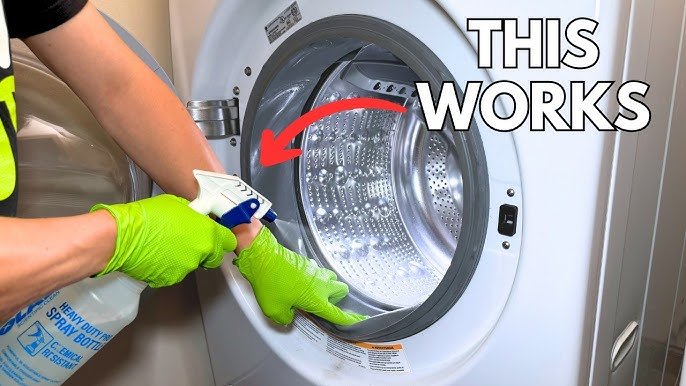
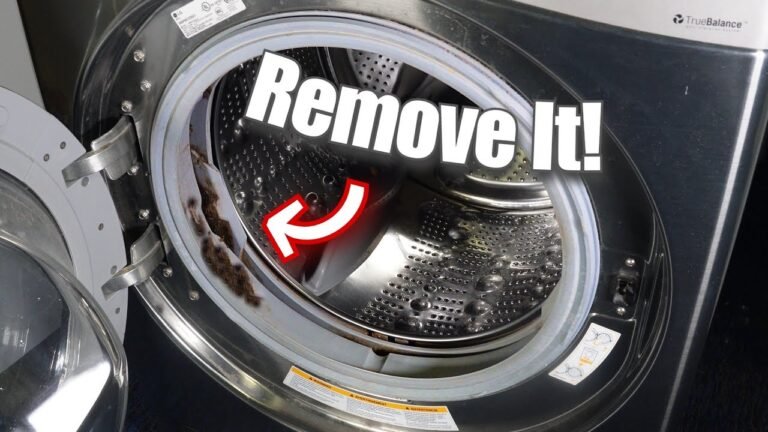
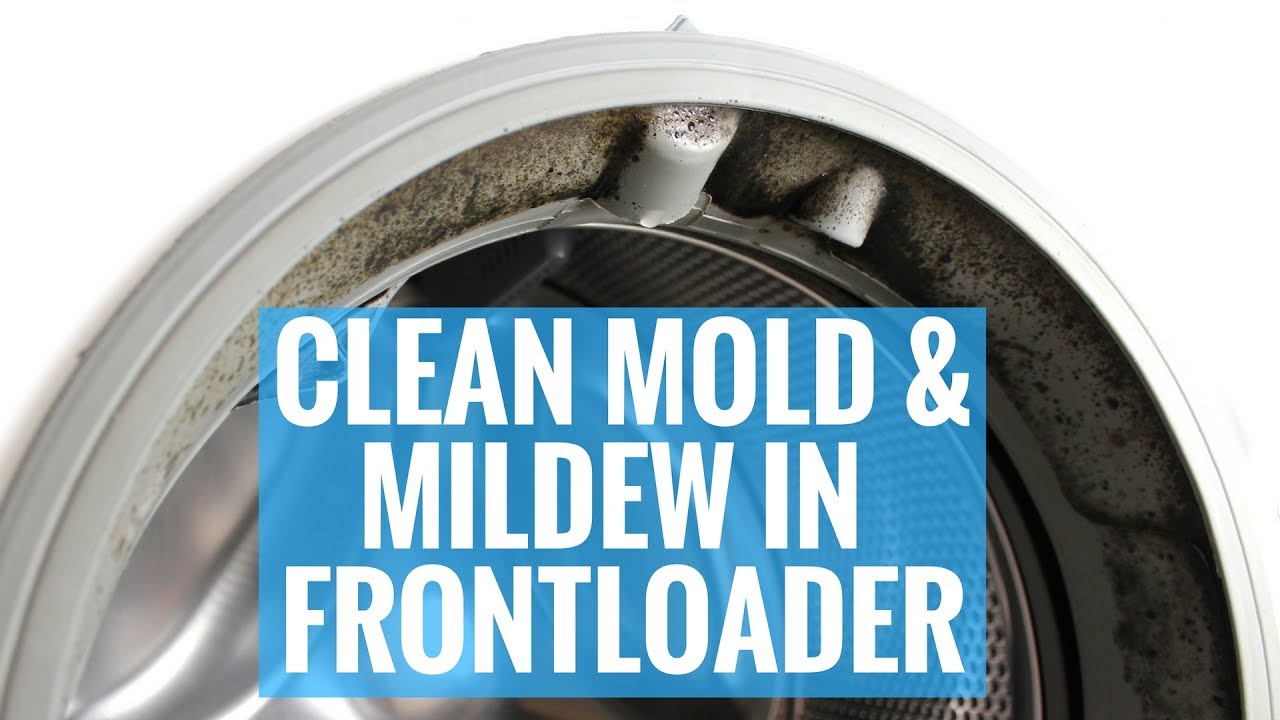
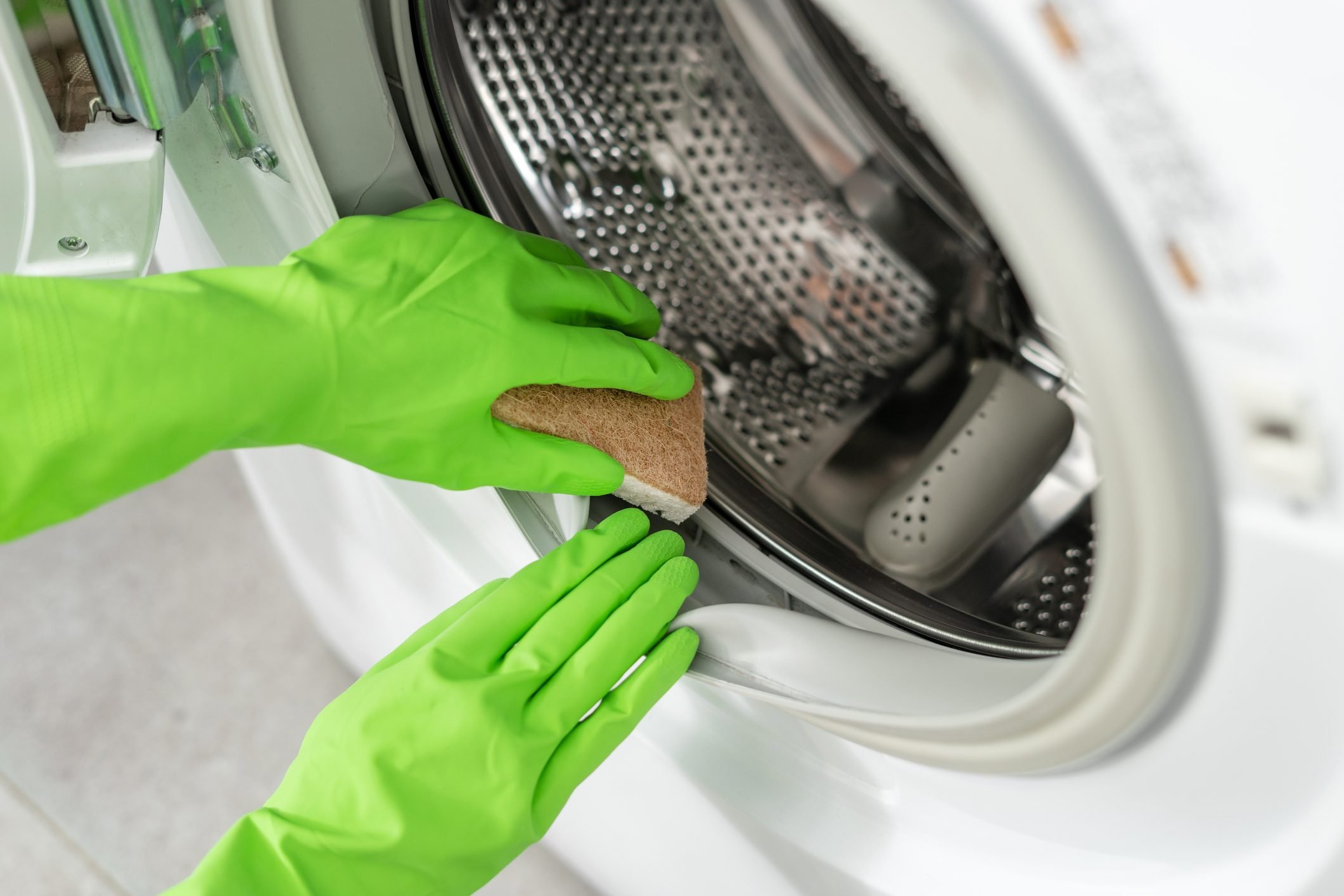
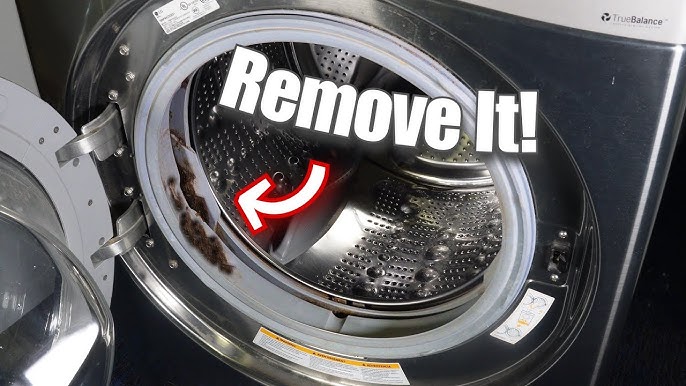
This is where it starts. The rubber seal around the door. Pull it back. Look at it. See that black gunk? Mildew. Get your spray bottle. Mix 50/50 bleach and water. Or use straight vinegar if you’re scared of bleach. Spray it on. Let it sit for 10 minutes. Now, scrub. Use your toothbrush or a rag. Get into every crease. Wipe it clean. Repeat until it’s gone. Seriously, get it all. This is crucial.
Rinse the seal thoroughly with a clean, damp cloth. You don’t want bleach residue lingering. If it’s really bad, you might need a second pass. Some people use magic erasers here, but be careful. They can be abrasive. I prefer a good scrub and some patience. That’s the secret sauce, honestly.
Watch: Clean a Washing Machine Inside: How to Remove Mold, Soap …
Step 2: The Drum. The Belly of the Beast.
Empty the machine. No clothes. No distractions. Pour about 2 cups of white vinegar directly into the drum. Or, if you’re going nuclear, 1 cup of bleach. Run the machine on its HOTTEST, LONGEST cycle. Heavy Duty. Whatever you got. Let it run its course. This flushes out a lot of the surface crud.
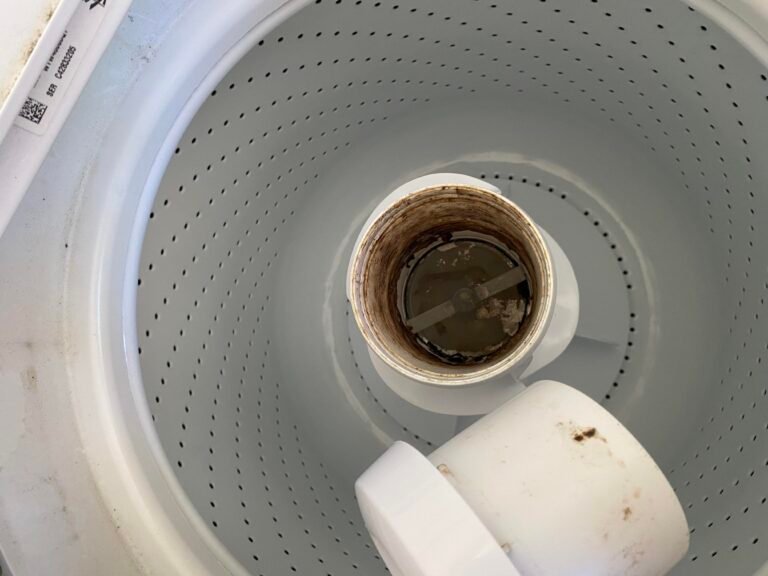
Once that cycle is done, open the door. If you used bleach, let it air out for a bit. Now, take your damp cloth and wipe down the inside of the drum. Get the door glass. Get the agitator (if you have one). Check the little filter trap near the bottom – clean that too. They hide junk.
Step 3: The Dispenser Drawer. The Sneaky Smuggler.
This thing is a disaster waiting to happen. Pull it all the way out. Usually, there’s a little tab or button to release it. Soak it in hot, soapy water for 30 minutes. Or longer if it’s caked with goo. Scrub the inside of the drawer compartment with your brush and your bleach/vinegar solution. These things are designed to hold gunk and let mold grow. The thing is, they are.
Rinse the drawer thoroughly. Dry it. Put it back. If your dispenser has those little removable blue parts for fabric softener, take those out and clean them separately. They’re notorious mildew traps. I’ve seen dispensers so bad they were practically solid black.
Step 4: The Exterior and Controls. Polish Off the Offender.
Don’t forget the outside. Wipe down the entire machine with a damp cloth and a mild cleaner. Pay attention to the control panel. You don’t want grime building up there either. It’s less about mildew and more about general hygiene. Keep it clean.
:max_bytes(150000):strip_icc()/how-to-clean-mold-out-of-a-washing-machine-5207463-hero-a6d288e8b083441bbb064a5c0e03a9e8.jpg "How To Clean Mildew From Washing Machine 4")
My neighbor, bless her heart, never wiped down the outside. It got this weird film. Looked gross. Turned out to be a mix of detergent splatter and dust. A quick wipe-down fixed it. Easy win.
The Deep Clean Cycle: For When Things Are REALLY Bad
Sometimes, the basic clean isn’t enough. You need to bring out the big guns. This involves a more intense application of your chosen cleaner. Let’s talk about bleach vs. vinegar.
Bleach Deep Clean
WARNING: NEVER MIX BLEACH AND AMMONIA OR ANY OTHER CLEANERS. VENTILATE WELL. WEAR GLOVES.
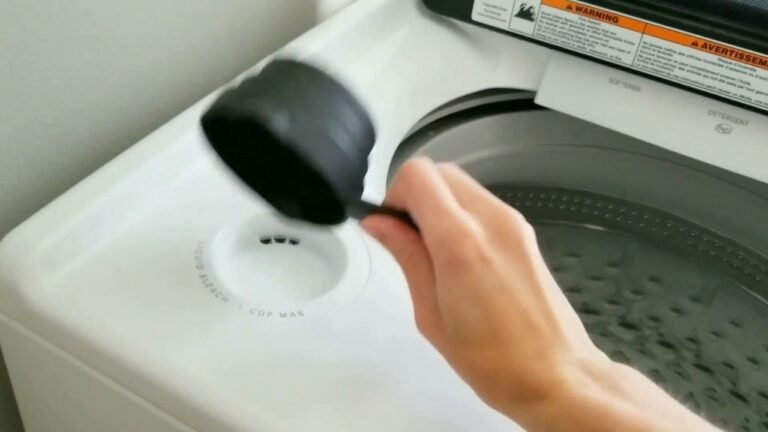
1. Add 1 cup of chlorine bleach to the bleach dispenser or directly into the drum (if no dispenser). DO NOT add detergent.
2. Run the machine on the HOTTEST, LONGEST cycle available.
3. After the cycle, run another HOTTEST cycle with just water to rinse thoroughly.
4. Wipe down all accessible surfaces inside the drum and gasket. Air out the machine with the door open for several hours.
Vinegar Deep Clean
1. Pour 4 cups of white vinegar directly into the drum.
2. Run the machine on the HOTTEST, LONGEST cycle available.
3. After the cycle, sprinkle 1/2 cup of baking soda into the drum.
4. Run another HOTTEST cycle with just water.
5. Wipe down all accessible surfaces inside the drum and gasket. Air out the machine with the door open.
This should tackle even stubborn mildew. It sounds like a lot, but the alternative is moldy clothes. And nobody wants that. Honestly.
Preventing the Return: Keep the Mildew Away for Good
Cleaning is great. Preventing is better. Don’t let that mildew party start again. Here’s how:
- Leave the Door Ajar: This is HUGE. After every wash, leave the washing machine door open. Let air circulate. Dry it out. This is the single best thing you can do. Front-loaders are especially bad for this. Just crack the door. Even an inch helps.
- Wipe Down the Gasket: Get in the habit of quickly wiping the rubber seal after each use. Especially if you just washed darks or towels. Get the moisture out. Takes 30 seconds.
- Remove Wet Clothes Promptly: Don’t let damp clothes sit in the machine for hours. They’re just feeding the mold. Take them out immediately.
- Use High-Efficiency (HE) Detergent Correctly: If you have an HE machine, use HE detergent. And don’t overdo it. Too much soap leaves residue. Residue = food for mold. Follow the machine’s recommendations. Usually, less is more.
- Run Hot Water Cycles Regularly: Every few weeks, run a hot water cycle. It helps kill off any lingering spores. Use a machine cleaner tablet or powder during this cycle for extra protection. I like the Affresh tablets. They work.
- Clean the Dispenser Drawer Often: Don’t wait for it to get nasty. A quick rinse or wipe every couple of weeks makes a big difference.
- Consider a Machine Cleaner: Use a commercial washing machine cleaner monthly. Products like Affresh, Tide Washing Machine Cleaner, or similar are designed for this. They help break down residue and kill mildew. Follow the product instructions. They’re usually pretty simple. Just toss one in and run a hot cycle.
Watch: How to Remove Mold from a Washing Machine Door Seal
I learned this the hard way. My mom’s old Maytag was a mildew factory. She’d just close the door after every load. Said it looked neater. Looked neater, smelled like death. Finally convinced her to leave the door cracked. The smell? Gone. Simple. So simple, it’s stupid we don’t all do it.
The Cost of Neglect: What Happens if You Don’t Clean?
Look, ignoring this problem doesn’t make it go away. It gets worse. Your clothes will start to smell even after washing. You’ll have visible mold or mildew on your clothes. That’s just nasty. Then there’s the health aspect. Mold spores can cause respiratory issues, allergies, and skin irritation. Especially for kids and people with existing conditions. It’s not just about a bad smell anymore. It’s about your health.
Watch: How to Get Rid of the Mildew Smell in Your Washer | All …
And the machine itself? Prolonged exposure to mold and moisture can damage internal components. Seals can degrade faster. You might end up with costly repairs or a premature need for a new machine. That’s money down the drain. Pun intended. And frankly, it’s embarrassing to have guests over and have them notice that funk. Trust me on this one.
When to Call the Pros
Most of the time, you can handle this yourself. But sometimes, it’s beyond DIY. If you see extensive mold growth that you can’t reach or remove, or if the smell persists after multiple deep cleans, it might be time to call a professional appliance repair technician. They have specialized tools and stronger cleaning agents.
Also, if you suspect mold has gotten into the internal workings of the machine – the hoses, the pump, or the heating element – that’s a job for an expert. Trying to DIY that could cause more damage. It’s better to pay a pro than buy a whole new washer. Think about it.
The Mildew-Free Machine Checklist
Here’s a quick rundown to make sure you’re covered:
| Area | Action | Frequency |
|---|---|---|
| Gasket/Door Seal | Wipe down, scrub visible mold | After each wash (wipe), Weekly (scrub if needed) |
| Drum | Hot cycle with cleaner/bleach/vinegar | Monthly |
| Dispenser Drawer | Clean and rinse | Bi-weekly |
| Exterior | Wipe down | Weekly |
| Interior (General Check) | Look for residue, wipe | Monthly |
| Filter Trap | Clean | Monthly |
Stick to this, and you’ll be golden. It’s about routine. Not letting it get out of hand. The payoff? Fresh-smelling laundry. And a machine that doesn’t look, or smell, like a biohazard. Look, it’s worth the effort. Small effort, big reward.
Frequently Asked Questions
Can you put vinegar in your washing machine to get rid of mildew?
Absolutely. White distilled vinegar is a fantastic natural cleaner for washing machines. It helps break down soap scum, mineral deposits, and can kill mildew. Pour about 2-4 cups directly into the drum and run a hot, long cycle. For tougher jobs, you can follow up with baking soda.
What is the best cleaner to remove mold from a washing machine?
For severe mold issues, chlorine bleach is often the most effective. Use about 1 cup in a hot cycle, or a 50/50 bleach-water solution for scrubbing the gasket. For less severe cases or for those who prefer natural options, white vinegar is a good choice. Commercial washing machine cleaners (like Affresh) are also specifically formulated to tackle mold and residue.
How often should I clean my washing machine to prevent mildew?
For basic maintenance, wiping down the gasket and leaving the door ajar after each use is key. A deeper clean involving a hot cycle with vinegar or a machine cleaner should be done monthly. If you live in a humid climate or use your machine heavily, you might consider cleaning it every 2-3 weeks.
Will cleaning my washing machine remove the musty smell?
Yes, typically. The musty smell is usually caused by mildew and bacteria buildup. A thorough cleaning, especially targeting the gasket, drum, and dispenser, will remove the source of the odor. Remember that leaving the door ajar after use is crucial for preventing the smell from returning.
Is it safe to use bleach to clean my washing machine?
Yes, it is safe and effective to use bleach to clean your washing machine, provided you follow safety precautions. Never mix bleach with ammonia or other cleaners. Ensure good ventilation by opening windows or doors. Wear gloves to protect your skin. After cleaning with bleach, run an extra rinse cycle to ensure all bleach residue is removed.