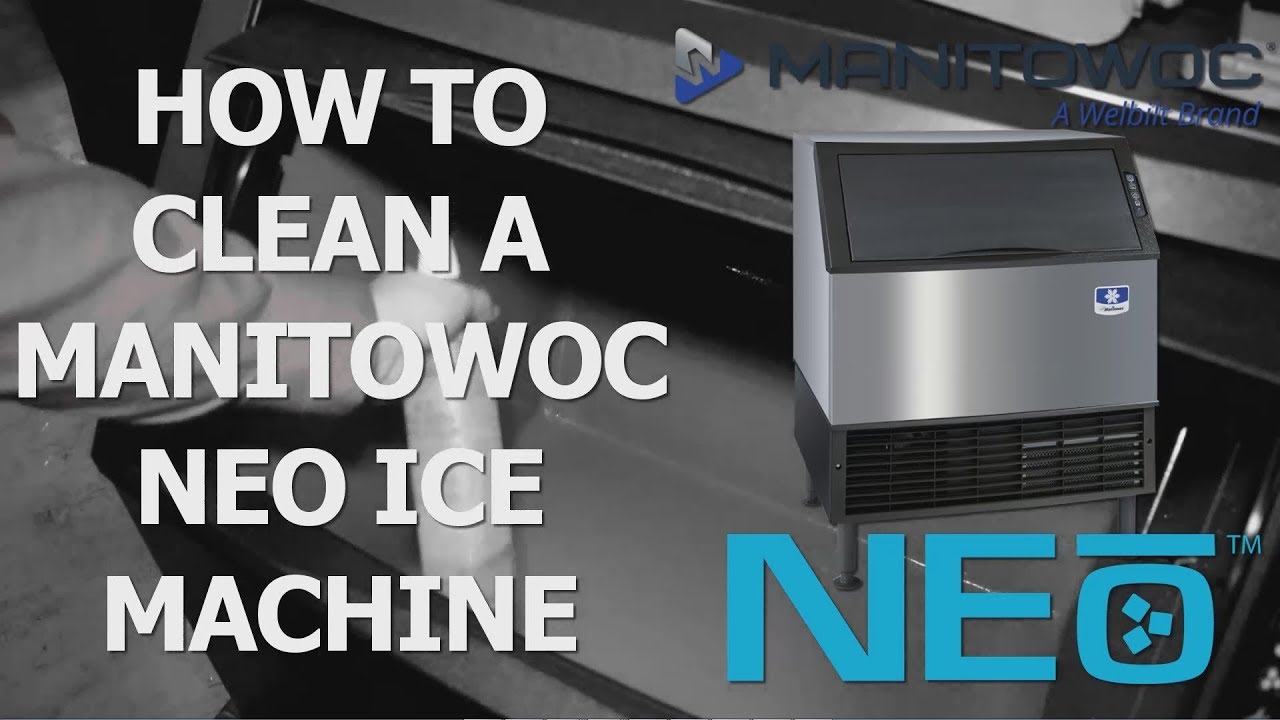
How To Clean Manitowoc Ice Machine
How To Clean Manitowoc Ice Machine: Stop Making Sludge, Start Making Ice.
Look, nobody wants to talk about it. But your Manitowoc ice machine? It’s a cesspool. Seriously. If you haven’t cleaned it in, say, six months? You’re brewing slime. We’re talking legionella, mold, who knows what else. The thing is, these machines make ice. Ice that goes into drinks. Drinks people PAY for. You want your bar to be known for killer cocktails, not killer bacteria. You gotta know how To Clean Manitowoc Ice Machine. Or hire someone who does. Don’t be that guy. The one with the disgusting ice bin.

Honestly, most operators just wing it. They wipe down the outside once a year. Maybe. They think that’s enough. It’s not. Not even close. I saw a machine once, down in Miami. Looked like a swamp creature lived in the water reservoir. Owner swore it was ‘just minerals’. Bullshit. That was rot. Pure, unadulterated slime rot. Cost him a fortune in repairs and lost business. Don’t be him. This ain’t rocket science, but it ain’t dusting the shelves either.

The Real Cost of Neglect
You think skipping a proper cleaning saves you time or money? Wrong. You’re digging yourself a deeper hole. Scale buildup clogs lines. It kills your compressor faster. Leads to frozen evaporator plates. More service calls. More downtime. More lost dough. Plus, bad ice? People notice. They don’t complain to you, they just go somewhere else. That’s the silent killer of a hospitality business.

To be fair, these machines are workhorses. They churn out hundreds, maybe thousands of pounds of ice a day. That’s a lot of water cycling through. All that water, even treated stuff, has minerals. Minerals that precipitate out. They cling to surfaces. Then you get bacteria. Then you get algae. Then you get that funky smell. And that funky taste. You want your patrons drinking that?
Your Killer Ice Machine Maintenance Schedule Starts NOW
Forget what the manual says. Or, don’t. But add to it. You need a solid, recurring schedule. For most operations, full cleaning and sanitizing? Every six months. Minimum. If you’re in a hard water area, or ruing it 24/7? Think quarterly. Or even monthly for deep dives.
Preventative cleaning? That’s daily. Quick wipe-down of the ice dispenser, check for obvious issues. Weekly? Clean the air filter. That’s a big one. Clogged filters choke the machine. Make it work harder. Use more power. And make it melt ice faster inside. Think of it like your lungs. You wouldn’t let ’em get gunked up, would ya?
Step-by-Step: The Full Deep Clean (This Ain’t for the Faint of Heart)
Alright, let’s get down to brass tacks. You need to block out some time. This isn’t a 30-minute job. Pour yourself a strong coffee. Or something stronger. Gather your supplies. You’ll need:
- Manitowoc-approved cleaning solution (Seriously, use their stuff. Or something equivalent. No generic bleach bombs.)
- Manitowoc-approved sanitizing solution (Different chemical, different purpose.)
- Food-grade lubricant for gaskets.
- Soft brushes and cloths. No steel wool, you idiot.
- Screwdriver set (Phillips and flathead).
- Shop vac or powerful vacuum with attachments.
- Bucket.
- Gloves and eye protection. You’re dealing with chemicals.
Safety First, Slime Second.
Before you even THINK about touching anything, shut the damn machine OFF. Pull the plug. Turn off the water supply. Open the access panels. Let that residual heat dissipate. Nobody needs a steam burn on top of a chemical bath.
1. The Exterior Wipe-Down: Your First Line of Defense
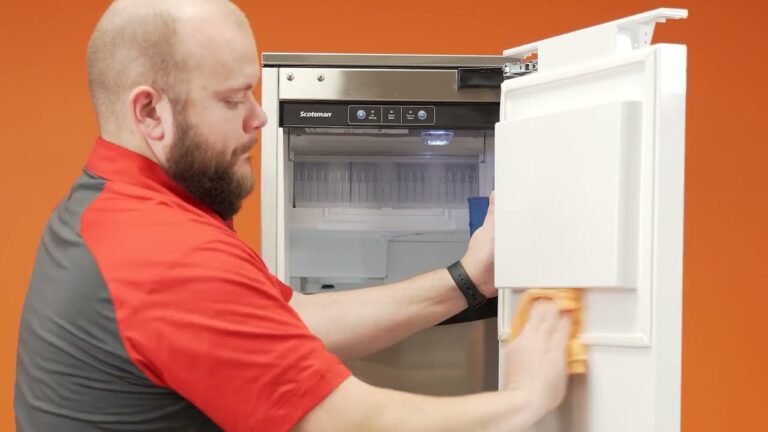
Start simple. Wipe down the outside. Use a mild detergent. Rinse well. Dry it off. This is mostly aesthetic, but it shows you’re not a complete slob. It’s the handshake before the real work begins.
2. Accessing the Iards: The Real Grime Zone
This is where the magic (and the horror) happens. You’ll need to remove panels. Consult your specific model’s manual. They’re usually screwed in. Don’t force anything. Look for latches, clips. Once inside, brace yourself.
You’ll see the water circuit. The pump. The distribution tube. The evaporator plate. This is the business end. Where the ice is actually made. And where the most gunk accumulates. You might need to remove the water filter. Check its condition. Replace if needed. A clogged filter is like a weak heart. It just gums everything up.
3. Descaling the Beast: Battling Mineral Buildup
This is where the cleaning solution comes in. You’ll follow the Manitowoc instructions. Usually, it involves mixing the solution and ruing it through the water system. Some models have a specific ‘clean’ cycle. Others require you to manually circulate it.
Let the solution do its work. It breaks down those stubborn mineral deposits. Think of it like dissolving plaque. You might need to scrub gently in accessible areas with a soft brush. Pay attention to the distribution tube and the water pump intake. Those are common choke points.
Crucial Step: Rinse Thoroughly. You don’t want cleaning solution residue in your ice. After the descaling cycle, you’ll need to run several cycles with fresh water. Flush, flush, flush. Then flush some more. Get every last drop of that chemical out.
4. Sanitizing the System: Killing the Critters
Descaling just removes the buildup. Sanitizing kills the bacteria and mold that love that buildup. This uses a different chemical. Again, follow Manitowoc’s specific instructions for dilution and application. Usually, it’s a circulation process, similar to descaling.
The sanitizing solution needs dwell time. It has to sit on the surfaces to kill the germs. Don’t cut this short. It’s critical for food safety. After the dwell time, you guess it: rinse thoroughly. Multiple fresh water cycles. No exceptions.
5. Cleaning the Ice Bin: The Storage Nightmare
This is often the dirtiest part. You need to empty the bin completely. Scoop out all the ice. Dump it. Or better yet, have a separate bin to dump it into and then dispose of it. You’re not reusing this ice. Ever.
Inside the bin, you’ll see everything. Slime trails. Mold colonies. Sometimes, actual foreign objects. Use your cleaning solution. Scrub everything. Walls, floor, ceiling. Get into the corners. Use a brush. Use a cloth. Rinse it well. Then, sanitize the bin. Same principle. Apply the sanitizer, let it dwell, rinse thoroughly.
Don’t Forget the Ice Chute and Dispenser Area. This is customer contact. Wipe it down. Sanitize it. Make sure there’s no gunk clinging to the flap or the surrounding surfaces.
6. The Evaporator Plate: The Heart of Ice Creation
This is the shiny metal thing where water freezes. It’s delicate. You don’t want to scratch it. Use a soft brush and your cleaning solution. Gently brush away any ice chips or scale that have adhered. Rinse it clean. Then apply sanitizer. Let it dwell. Rinse again.
The thing is, water drips down this plate. If it’s dirty, that grime goes right into the ice. You see?
7. Condenser Cleaning: Keeping Your Cool
This is often overlooked, but vital. The condenser fins can get clogged with dust, grease, and lint. This makes the machine overheat. It reduces efficiency. You need to shut off the machine and unplug it. Then use a vacuum with a brush attachment. Gently vacuum the fins.
If they’re really nasty, you might need a condenser coil cleaner spray. Follow the product instructions. Usually, you spray it on, let it sit, and then rinse it off with water. Be careful not to bend the fins. They’re fragile. Bent fins mean poor airflow. Poor airflow means a hot, unhappy ice machine.
A dirty condenser is like trying to breathe through a clogged nose. It ain’t goa work well.
8. Reassembly and Testing: The Moment of Truth
Put all the panels back on. Ensure all seals and gaskets are in place and lubricated. Turn the water supply back on. Turn the power back on.
Let the machine run through a few cycles. Watch it. Listen to it. Does it sound normal? Is it making ice? Is the ice clear? Dump the first few batches of ice. This is just to flush out any residual cleaning agents or loose particles. You want to be absolutely sure it’s clean.
Table: Cleaning Frequency Guide
| Task | Frequency (Standard Operation) | Frequency (High Usage/Hard Water) |
|---|---|---|
| Exterior Wipe Down | Daily | Daily |
| Air Filter Cleaning/Replacement | Weekly | Bi-Weekly |
| Full Internal Clean & Sanitize | Every 6 Months | Every 3-4 Months |
| Condenser Cleaning | Quarterly | Monthly |
| Water Filter Replacement | As Needed (Check Indicator) | As Needed (Check Indicator, Likely More Often) |
The Shortcut: When to Call the Pros
Look, I get it. Maybe you’re not mechanically inclined. Maybe you just don’t have the time. Or maybe you’re scared of messing it up. That’s okay. There’s no shame in calling a qualified Manitowoc service technician.
A professional cleaning usually costs between $150 and $300. Depends on your location and the complexity of the machine. Honestly, for that price, you get peace of mind. They know the ins and outs. They have the right tools and chemicals. They can spot potential problems before they become disasters.
I remember one time, a buddy of mine, he ran a busy diner. Never cleaned his ice machine. Said he was too busy. Then one day, it just stopped. Total failure. Turns out, a piece of scale had broken off and jammed the water valve. Took him three days to get a tech out, get the part, and get it fixed. Lost thousands in sales. Cost him way more than a few hundred bucks for a cleaning.
So, weigh your options. DIY it if you’re confident. Or pay a pro. Just do SOMETHING. Your customers will thank you. Your stomach will thank you. And your wallet will thank you in the long run.
Frequently Asked Questions
How often should a Manitowoc ice machine be cleaned?
For most standard operations, a full deep clean and sanitization should happen every six months. If your machine is in a high-usage environment or you have hard water, you should be looking at cleaning it every three to four months. Regular visual checks and cleaning of accessible parts should happen much more frequently, even daily for things like the exterior and ice chute.
How do you run a clean cycle on an ice machine?
Many Manitowoc models have a specific ‘clean’ or ‘sanitizing’ cycle built into their control panel. You’ll typically need to access the settings menu, select the cleaning function, and follow the on-screen prompts. This usually involves adding the cleaning and then sanitizing solutions to the water system and allowing the machine to circulate them. Always refer to your specific model’s manual, as the procedure can vary significantly. Some older or simpler models might require manual circulation of cleaning solutions.
What are the signs my Manitowoc ice machine needs cleaning?
The most obvious signs are a funky smell or taste coming from the ice. You might also see visible slime, mold, or algae buildup inside the ice bin or on internal components. Reduced ice production, slower harvest cycles, or the machine making unusual noises can also indicate a need for cleaning due to scale or debris buildup restricting water flow or component movement.
Can I use regular household cleaners on my Manitowoc ice machine?
Absolutely not. Never use generic household cleaners, bleach, or abrasive pads on your Manitowoc ice machine. These cleaners can damage the machine’s components, leave harmful residues, and may not be effective at sanitizing. Always use Manitowoc-approved cleaning and sanitizing solutions specifically designed for ice machines. They are formulated to be safe for food-contact surfaces and effective against the types of buildup found in ice makers.
What happens if I don’t clean my Manitowoc ice machine?
Neglecting to clean your Manitowoc ice machine leads to a cascade of problems. You risk growing harmful bacteria like E. coli and Salmonella, which can contaminate the ice and pose serious health risks to your customers. You’ll also experience decreased efficiency, increased energy consumption, component failure due to scale and mineral buildup, premature machine wear, and ultimately, costly repairs and significant downtime. It can even lead to complete machine failure and the need for expensive replacement.
Watch: How to clean a Manitowoc ice machine – step by step …