How To Clean Lint Filter In Washing Machine
Stop the Stink. Start the Spin.
Look, nobody likes cleaning. Especially not the gunk in your washing machine. But ignoring that lint filter? Big mistake. Huge. You’re asking for trouble. Clothes smelling funky? Not draining right? That’s the lint monster whispering sweet nothings of disaster.
Let’s get this done. This isn’t rocket science. It’s just basic machine hygiene. Knowing how to clean lint filter in washing machine isn’t just about fluff. It’s about longevity. It’s about clean clothes. And honestly, it’s about not spending a fortune on repairs for something so damn simple.
The Grim Reality of Lint Buildup
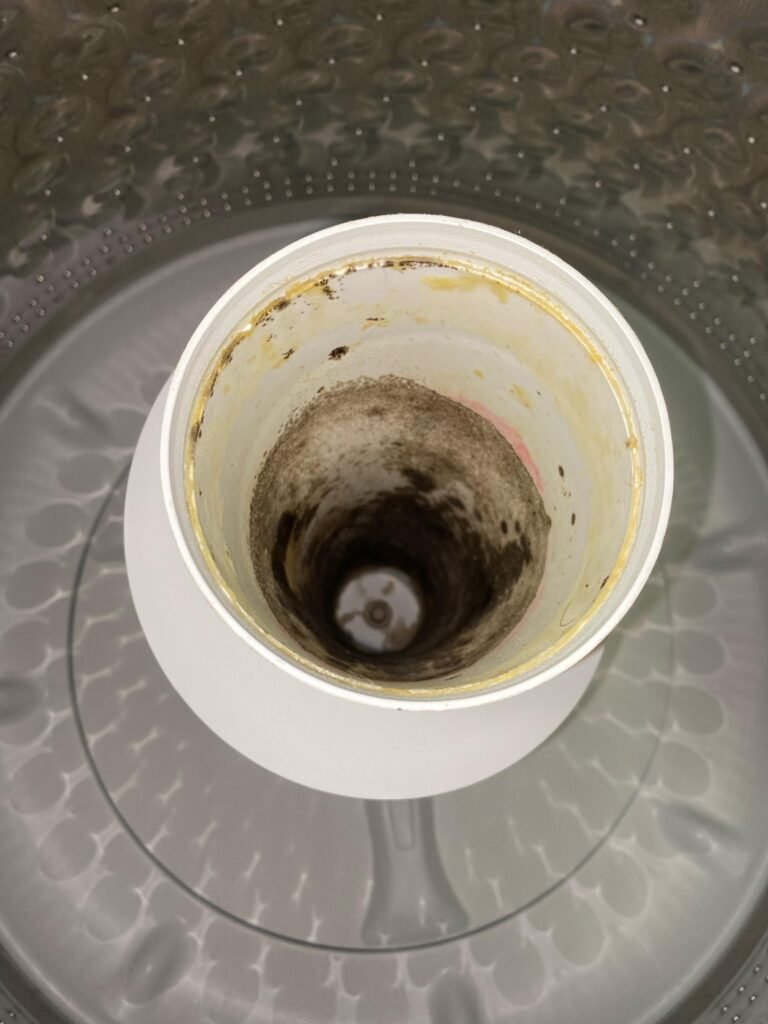
That filter? It catches hell. Every load. Socks, underwear threads, stray pet hair, that crumb from your kid’s pocket. It all ends up there. Over time, it packs tight. Like a woolly brick. It blocks water flow. It makes the machine work harder. It’s a breeding ground for mold and mildew. Ever pulled out a towel that smelled worse than it went in? Bingo.
I remember my Aunt Carol. Bless her heart. Never cleaned hers. Ever. Her washing machine died at like, 7 years old. Sounded like a jet engine taking off. The repair guy, Gary – nice guy, seen it all – just shook his head. “Lint filter was packed tighter than a sardine can,” he said. Cost her $400. Stupid. Could’ve saved herself that cash and a lot of headache.
Finding Your Machine’s Nasty Little Secret
First step? Find the damn thing. It’s not always obvious. Depends on your machine. Front-loaders? Usually a small door at the bottom corner. Front and center. Needs a flathead screwdriver or a coin to pop open. Sometimes a little pull handle. Check your manual if you’re lost. Don’t guess.
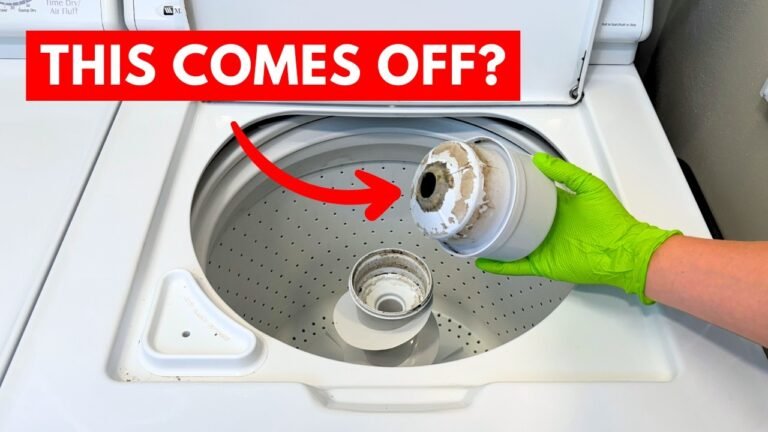
Top-loaders are trickier. Some have a filter inside the drum. Usually a plastic cap you unscrew. Others? They hide it. In the agitator. Or in the drain hose. Yeah, the drain hose. Gotta pull the whole damn machine out. Fun times. The thing is, you gotta know where to look. My neighbor, Dave, spent an hour looking for his. Turned out it was part of the agitator. He was ready to burn the thing down.
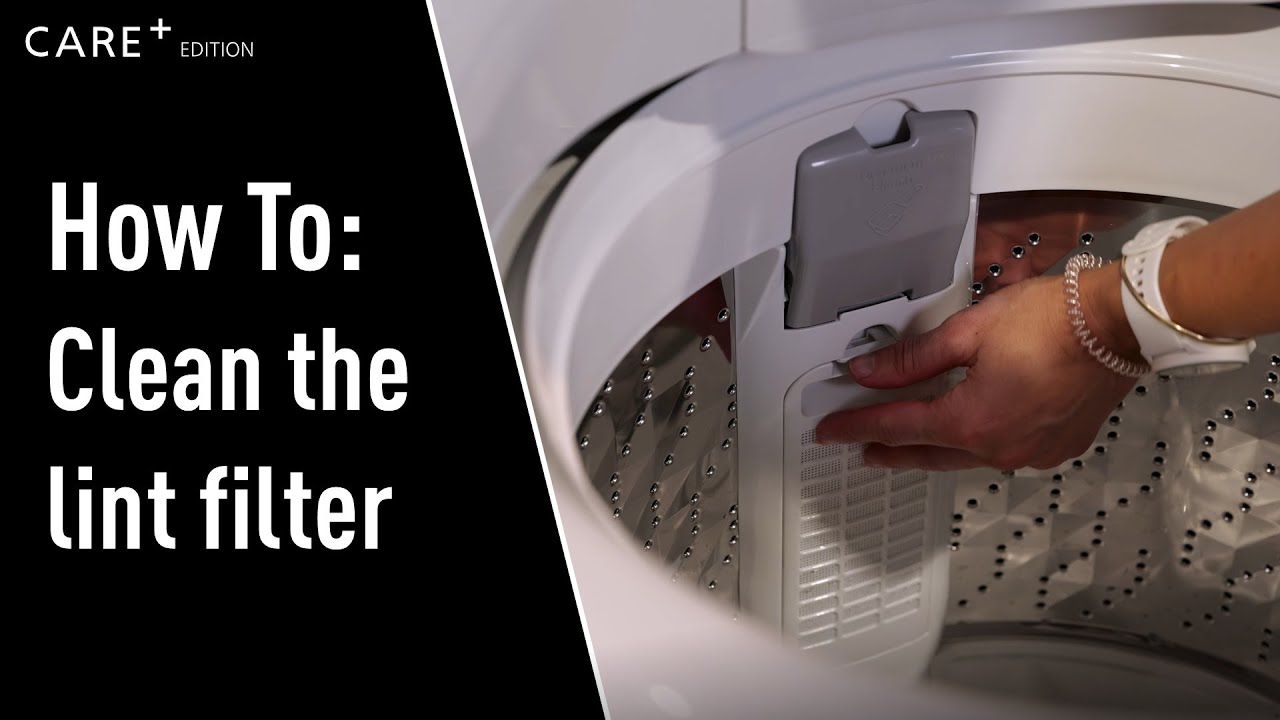
Front-Loader Filter Location
The vast majority of front-loading washing machines have an accessible filter. It’s typically located behind a small panel or door. This panel is usually found on the lower front of the machine. It might be on the right or left side. Give it a firm push or use a coin in the small slot to release the clip. Pull the cover off. You’ll see it. A cylindrical trap. Ready to be un-screwed.
Top-Loader Filter: The Mystery Box
For top-loaders, it varies wildly. Some have a mesh filter clamped to the inside wall of the drum. Just unscrew it. Easy. Others integrate it. Right into the agitator column. You might need to twist or lift a part of the agitator to expose it. Some brands? They’ve integrated it into the pump assembly. This one’s a pain. You might need to discoect hoses. Consult your manual. Seriously. Don’t blow this.
The Actual Cleaning Process: Brace Yourself
Okay, you found it. Now, the moment of truth. You’ll need a few things. A towel. A shallow pan or tray. Maybe some old newspapers. And gloves. Trust me on the gloves. You don’t want that sludge on your hands. It’s nasty.
Step 1: Prep the Area
Get your towels ready. Open that little door or hatch. Place your pan underneath. Some water will likely spill out. It’s usually gross, stagnant water. The pan catches it. Minimizes the mess. Don’t just plop it down and hope for the best. Be prepared.
:max_bytes(150000):strip_icc()/how-to-clean-a-washer-lint-trap-2147322-4-7819d7abb7d3467dafc944f3cb836421.jpg "How To Clean Lint Filter In Washing Machine 3")
Step 2: Extract the Filter
Carefully unscrew the filter. Turn it counter-clockwise. Slowly. Let the water drain into your pan. Don’t yank it out. You might break something. Or make a bigger mess. Once most of the water is out, give it a final pull. It should come free.
Step 3: The Lint Massacre
Now, the gross part. Pick out the big chunks of lint and debris. Use your gloved fingers. Then, rinse the filter under ruing water. Use an old toothbrush or a soft brush to scrub away any stubborn grime. Check the filter housing too. Wipe it out with a damp cloth. Get all the gunk out. To be fair, this part sucks. But it’s necessary.
Step 4: Reassembly
Dry the filter. Screw it back in. Clockwise this time. Make sure it’s snug. Close the access panel or door. Wipe up any spilled water. You’re done with the filter itself. Easy, right? Well, mostly.
Watch: How to Clean a Washing Machine Filter
When the Filter Isn’t Enough: Pump Filters & Hoses
Sometimes, the main filter isn’t the only culprit. Especially in older machines or those that have been neglected. The pump itself can get clogged. The drain hose can be a nightmare.
:max_bytes(150000):strip_icc()/how-to-clean-a-washer-lint-trap-2147322-3d8e1bce7d0a413590afad971b895e30.png "How To Clean Lint Filter In Washing Machine 4")
The Dreaded Pump Filter
This is usually a secondary filter, protecting the drain pump. It’s often located behind the main filter access panel. It might look like a smaller, more robust version. Or sometimes it’s just part of the pump housing. If your machine is draining slowly even after cleaning the main filter, this is your next suspect. You’ll likely need to pull it out and clean it. It’s often a simple unscrew and pull operation. Be ready for more water.
The Clogged Drain Hose
This is a big one. If lint and gunk get past the filters, they can build up in the drain hose. This causes slow draining or complete blockages. To check this, you’ll likely need to discoect the hose from the back of the machine. Stick a plumber’s snake or a long flexible tool down it. Push out any blockages. Recoect securely. Make sure there are no kinks.
Preventative Measures: Don’t Be That Guy
The best offense? Not letting it get this bad. Simple habits save headaches. And money.
Watch: The Best Way to Clean Your Washing Machine Filter!
Pre-Treat Your Laundry
Shake out clothes before putting them in. Especially towels and fleece items. They shed like crazy. Check pockets. A rogue tissue can turn into a linty mess clogging your entire system.

Don’t Overload
Stuffing the machine too full? It hinders water circulation. It makes the filter work overtime. Plus, your clothes won’t get clean. Leave some breathing room. Your machine will thank you.
Use the Right Detergent
Too much soap creates excess suds. This gunk can build up. Stick to the recommended amounts. High-efficiency (HE) machines need HE detergent. Using the wrong kind is just asking for trouble. Prices for HE detergent range from $10 to $30 per jug. Worth it.
Regular Deep Cleans
Don’t wait for problems. Clean the filter every 1-3 months. Depending on your usage. Run a hot water cycle with vinegar or a washing machine cleaner occasionally. This keeps the internal drum and hoses clear.
Watch: Washing Machine and Dryer Lint Trap Cleaning – Atlanta …
A Simple Table: Filter Cleaning Frequency
| Machine Type | Usage Frequency | Recommended Cleaning Interval |
|---|---|---|
| Front-Loader | High (Daily/Near Daily) | Monthly |
| Front-Loader | Low (Weekly/Bi-Weekly) | Every 2-3 Months |
| Top-Loader (Internal Filter) | High | Monthly |
| Top-Loader (Hidden/Pump Filter) | Any | Every 3-6 Months (Check if issues arise) |
Troubleshooting Common Issues
Machine won’t drain? Smells bad? Clothes still dirty? Lint everywhere? Nine times out of ten, it’s that filter. Or the hoses. Or the pump. Start simple. Check the filter first. If that doesn’t fix it, then you look deeper.
Slow Draining
This is the classic symptom. Water pooling in the drum after the cycle. Could be a partially clogged filter, pump, or drain hose. Clean the main filter. If that doesn’t work, investigate the pump filter and the drain hose.
Lingering Odors
The smell? That’s trapped moisture, mold, and mildew. The lint filter traps all sorts of organic matter. When it gets saturated and doesn’t drain properly, the funk just grows. A clean filter and an occasional hot cycle with vinegar or bleach (never mix!) can help. Make sure the door seal on front-loaders is also clean. That gets nasty too.
Reduced Cleaning Performance
If your clothes aren’t coming out clean, it might be the filter. A clogged filter means water isn’t circulating properly. Detergent doesn’t get distributed. Rinsing is poor. It’s a chain reaction. Get that filter clean. Then worry about detergent or water temperature.
Conclusion: You Did It. Probably.
So there you have it. How to clean lint filter in washing machine. It’s not glamorous. It’s not fun. But it’s essential maintenance. You saved yourself a potential repair bill. You’re making your clothes last longer. And you’re probably avoiding that dreaded mildew smell. Good job. Now go do laundry. Properly.
Frequently Asked Questions
Do all washing machines have a lint filter?
Not all machines have a user-accessible lint filter like front-loaders. Many top-loaders have internal filters integrated into the agitator or pump, which are less obvious. Some very basic or older models might not have a dedicated filter at all, relying on the pump system to manage debris. Always check your manual if you’re unsure.
Where can I find a lint filter in a washing machine?
For front-loaders, it’s almost always behind a small access door or panel on the lower front of the machine. For top-loaders, it could be a removable screen inside the drum, integrated into the agitator, or part of the drain pump assembly. Location varies significantly by brand and model. Your user manual is the definitive guide.
How often should I really clean the washing machine lint filter?
Honestly? More often than you think. For heavy users, monthly is ideal for front-loaders. For lighter use, every 2-3 months might suffice. Top-loaders with less accessible filters can probably go 3-6 months, but if you notice drainage issues or odors, check sooner. It’s better to check and find it clean than to wait for a problem.
What happens if I never clean the lint filter?
If you never clean it, expect trouble. Slow draining is the first sign. Then, reduced cleaning efficiency. Eventually, the machine can overheat, damage the pump, or even stop working altogether. Odors from trapped gunk and mildew are practically guaranteed. It’s a recipe for premature machine death and expensive repairs. Seriously, just clean the damn thing.
Can I use a vacuum cleaner to clean the washing machine lint filter?
Maybe for initial debris removal if it’s really packed, but it’s not the ideal method for a thorough cleaning. A vacuum can suck up loose lint, but it won’t get rid of the sticky residue or the gunk embedded in the mesh. You still need to rinse and scrub the filter under ruing water for a proper clean. Plus, you risk damaging the filter with a vacuum attachment. Stick to manual removal and rinsing.