How To Clean Lg Inverter Direct Drive Washing Machine
Stop Letting Your LG Inverter Direct Drive Washing Machine Stink.
Look, nobody wants a smelly washing machine. It defeats the whole purpose, right? You bought a nice LG Inverter Direct Drive because you wanted clean clothes. Not… funk. If your machine’s starting to reek, or you just want to prevent it, you gotta get serious about cleaning it. This ain’t rocket science, but it ain’t just tossing in some Febreze either. This is how To Clean Lg Inverter Direct Drive Washing Machine. Properly.
The Tub Clean Cycle is Your Friend. Use It.
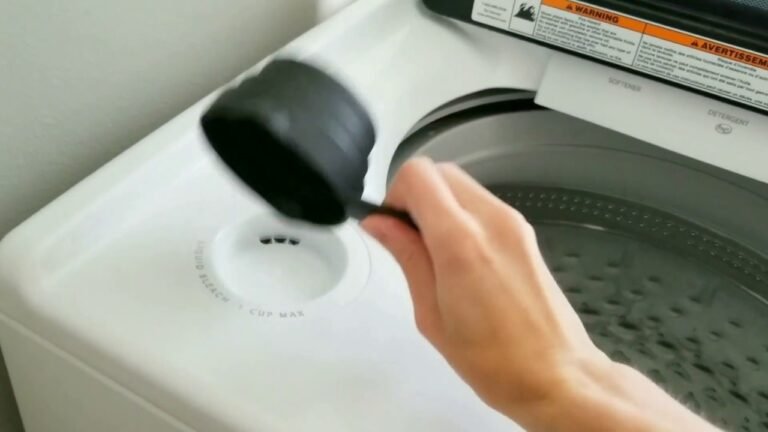
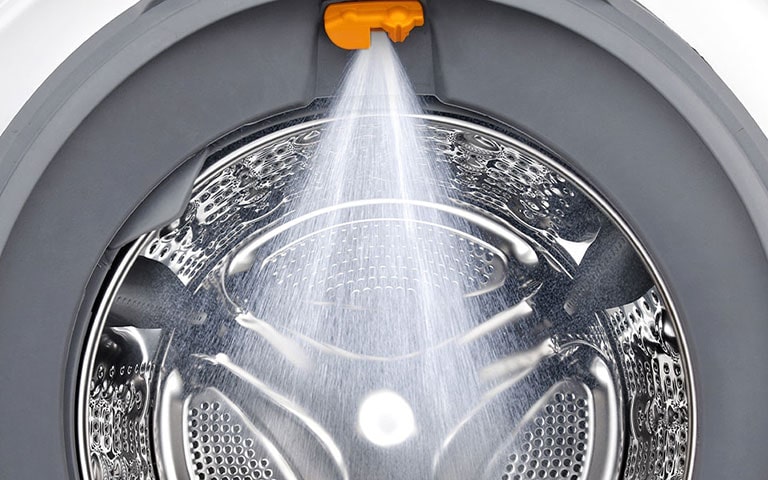
Seriously. Your LG has a built-in clean cycle. Most models call it ‘Tub Clean’ or ‘LG Steam Clean’. It’s designed for this exact problem. It uses hot water and extra agitation. Some even use steam. The thing is, you gotta actually use it. Not just on Tuesdays when you feel like it. Once a month. Minimum. Honestly, if you do laundry every day, maybe twice a month.
Watch: LG Washer – How to Clean It Full Tutorial (Tray, Rubber Seal …
How to Initiate the Tub Clean Cycle
Find the button. It’s usually labeled. Select it. Press start. Done. It runs for like 3 hours. Yeah, it’s a long damn time. Go watch TV. Or better yet, fold actual laundry. Don’t interrupt it. Let it do its thing. You’re basically just letting the machine deep clean itself.
Don’t Forget the Gasket. That’s Where the Real Nasties Hide.
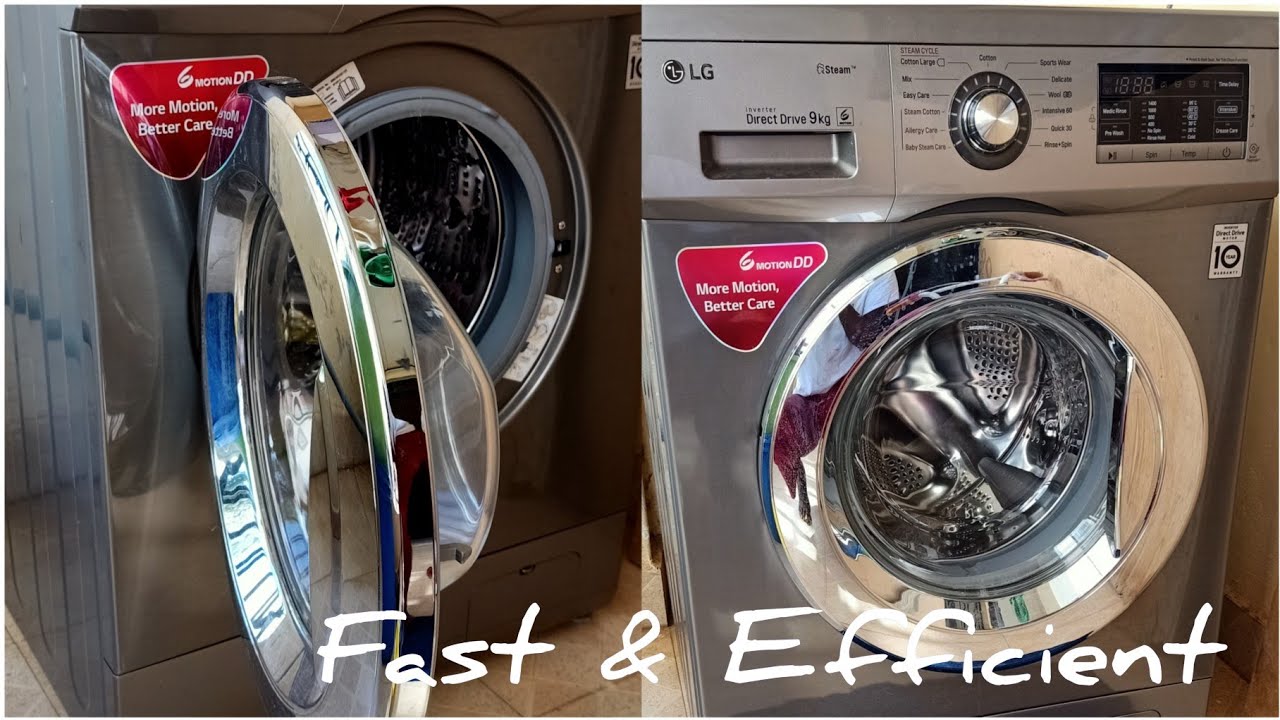
The rubber door seal. It’s a graveyard. Mold. Mildew. Lint. Hair. All the gross stuff collects there. You gotta wipe it down after every few washes. Don’t be lazy. Use a damp cloth. If it’s really bad, use a little bleach solution. Just a splash. Rinse it well. Or maybe use that hydrogen peroxide spray, whatever. Just clean it.
My Gasket Cleaning Horror Story
I remember my buddy’s machine. Smelled like a week-old gym sock left in a swamp. He swore it was the clothes. Nah. Turned out that gasket was practically a science experiment. Took me an hour with a toothbrush and some serious elbow grease to get it halfway decent. He was mortified. But hey, it stopped smelling.
The Detergent Drawer Needs Attention Too.
Think about it. You’re pouring liquid or powder into this little compartment. It gets gunky. It gets slimy. Sometimes, actual mold grows in there. You gotta pull the drawer out. Most of them come all the way out. Soak it in hot, soapy water. Scrub it with an old toothbrush. Dry it before putting it back. Easy peasy. A clean drawer means cleaner clothes. Simple math.
Drawer Cleaning Routine
Pull it out. Soak it. Scrub it. Rinse it. Dry it. Put it back. Do this every couple of months. Or when you notice gunk. Don’t overthink it. It takes maybe 10 minutes. Worth it.
 Maintenance For An LG Top Load Washing Machine’ style=’width:100%; height:auto; border-radius:8px; box-shadow:0 4px 12px rgba(0,0,0,0.1);’>
Filter Maintenance: It’s Not Optional.
Okay, this is the one most people skip. The drain pump filter. It’s usually behind a little door at the bottom front of the machine. You need to clean this thing. It catches all the lint, coins, buttons, and other crap that shouldn’t be going through your pump. If it’s clogged, your washer won’t drain properly. And guess what? Smelly water stays in there.
Watch: How to Clean your LG Front Load Washing Machine 2020|| 7 …
How to Clean the Drain Pump Filter
First, put towels down. Water WILL come out. Turn off the water supply. Open the little door. You’ll see a round cap. Unscrew it SLOWLY. Let the water drain into a shallow pan or onto those towels. Pull out the filter. Remove all the gunk. Rinse it under the tap. Wipe the housing clean. Screw the cap back on tight. Close the door. Done. This should be done every 6 months.
| Task | Frequency | Notes |
|---|---|---|
| Tub Clean Cycle | Monthly | Use hot water setting if available. |
| Wipe Door Gasket | After every 2-3 washes | Use damp cloth, or bleach solution for heavy buildup. |
| Clean Detergent Drawer | Every 2-3 months | Pull out, soak, scrub, rinse, dry. |
| Clean Drain Pump Filter | Every 6 months | Prepare for water spillage. |
Watch: How to Deep Clean an LG Top Load Washer
Don’t Use Harsh Chemicals Indiscriminately.
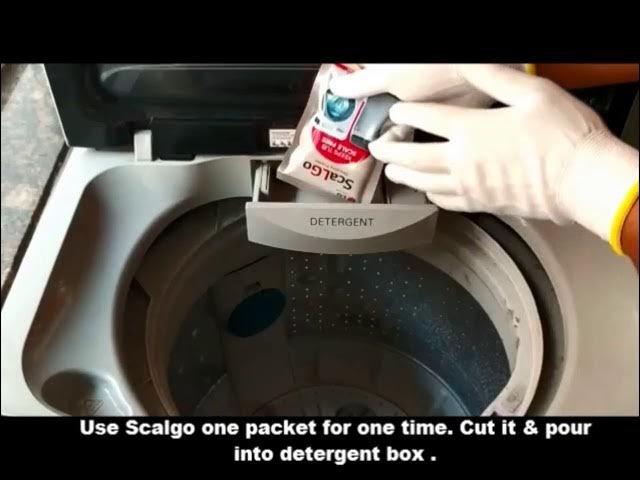
Look, you might be tempted to just dump a bottle of something strong in there. Don’t. Especially not on the regular cycles. You’ll damage the machine. Bleach is okay for the gasket sometimes, and maybe a very diluted amount in the tub clean cycle if things are dire. But stick to the manufacturer’s recommendations. Vinegar? Yeah, that’s a whole other can of worms.
Frequently Asked Questions
Can I use vinegar in my LG tub clean cycle?
Some people swear by it. LG generally doesn’t recommend it. While white vinegar can help descale and deodorize, it’s acidic. It can potentially break down rubber seals over time. Plus, the tub clean cycle already uses hot water which is a great cleaner. If you MUST use vinegar, use it sparingly in an empty hot water wash cycle, not the dedicated tub clean. And rinse thoroughly.
How to do a self clean on a LG washing machine?
Most LG Inverter Direct Drive models have a ‘Tub Clean’ or ‘Steam Clean’ cycle. You just press the button for it on the control panel and hit start. Let it run its full course. It’s designed to use high heat and extra agitation to clean the inside of the drum and hoses. Do this about once a month.
What if my LG washer still smells after cleaning?
If you’ve done all the above and it still stinks, you might have a blockage deeper in the system or a persistent mold issue. Check the drain hose for kinks or blockages. Sometimes, a professional might be needed if the smell is truly stubborn. Make sure you’re using the right type and amount of detergent too.
How often should I really run the Tub Clean cycle?
For average household use, once a month is a good rule of thumb. If you wash heavily soiled items frequently, or live in a humid climate where mold grows faster, you might want to bump it up to every three weeks or even twice a month.
Can I wash my pet’s bedding in the washing machine?
Yes, you can. But it’s a good idea to run a separate rinse cycle afterwards, or even a Tub Clean cycle immediately following, to remove pet hair and any lingering odors or bacteria before washing your own clothes.