How To Clean Inside Agitator In Washing Machine
How To Clean Inside Agitator In Washing Machine: Stop the Stink. Seriously.
Look, you’re probably here ’cause your clothes smell. Like, really stink. Damp dog, mildew, something worse. The thing is, that gnarly smell? It’s coming from your washing machine. And a big chunk of the blame? The agitator. Especially in those older top-loaders. Time to get your hands dirty. Time to learn How To Clean Inside Agitator In Washing Machine. Don’t be a slob.
Honestly, most people just… don’t. They run a load, pull out their ‘clean’ clothes, and wonder why they still smell like a gym sock. That agitator, that plastic doodad in the middle, it’s a filth magnet. Traps lint, soap scum, hair, God knows what else. Rotting in there. Making your whole laundry room a biohazard zone.
I remember my grandma’s Maytag. 1988 model. Ran like a tank, but man, the stink. She swore by a “special bleach soak.” Looked like chemical warfare in there. But it worked. For a while. The point is, you gotta maintain this junk. Or it turns on you. Smells like a corpse.
The Agitator: A Breeding Ground
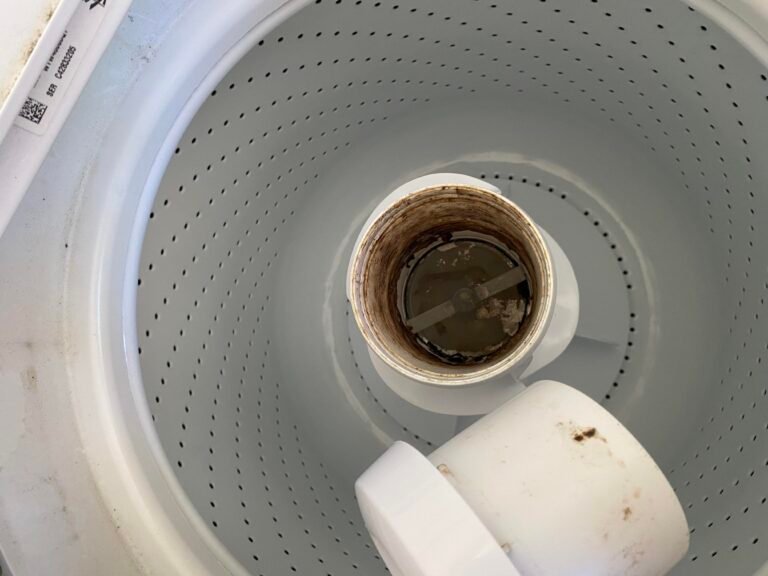
What’s the agitator even do? It twists. Back and forth. Gets your clothes moving. Supposedly. But that constant churning? It grinds everything into a paste. A paste that gets stuck. In every nook and cray. Especially in those little fins. And under the cap. It’s a horror show waiting to happen.
The stuff that builds up? It ain’t just lint. It’s dead skin cells. Body oils. Detergent residue. Fabric softener goo. Mold. Mildew. Maybe even some stray socks that gave up the ghost years ago. Honestly, it’s enough to make you gag.
Why Bother Cleaning It?
Simple. Clean clothes. Less stink. Less hassle. Plus, a clean machine runs better. Less wear and tear. And to be fair, who wants to wear clothes that smell like a swamp?
Watch: Clean and Remove Washer Agitator | GE Washer Agitator …
Think about it. You’re washing your delicates. Your work shirts. Your kid’s pajamas. And they’re getting re-coated in filth. Gross. A quick clean-up now saves you a mountain of grief later. And maybe a few embarrassing moments.
Tools of the Trade: What You Need
Don’t go grabbing a brillo pad. You’ll wreck the plastic. You need specific gear. Get this stuff together before you start. It’s not rocket science, but you need the right ammo.
Essential Gear
- Gloves: Thick rubber ones. Trust me. You don’t want that gunk on your hands.
- Old Towels: For spills. There will be spills.
- Screwdriver Set: You’ll likely need a Phillips head. Maybe a flathead. Depends on your machine.
- Stiff Brush: Not metal! A nylon brush. Or an old toothbrush. For scrubbing.
- Cleaning Solution: More on this in a minute. Vinegar, bleach, or a dedicated washer cleaner.
- Spray Bottle: For applying solutions.
- Rag or Sponge: For wiping.
Watch: EASY DIY How to Clean the Washing Machine AGITATOR
The Cleaning Brew
What’s the magic potion? Depends on how bad it is. And what your machine can handle. Bleach? Kills everything. But it’s harsh. Can degrade seals over time. Vinegar? Natural. Kills some mold. Smells like a salad dressing for a bit. Dedicated cleaners? Usually safe. Just follow the damn instructions.
A good starting point for most: Two cups of white vinegar. Or, if you’re feeling brave and have a white-only load coming up: One cup of bleach. Never mix bleach and vinegar. Ever. You’ll gas yourself. Seriously. It’s a bad, bad idea.

Step-by-Step: How To Clean Inside Agitator In Washing Machine
Alright, enough talk. Time for action. This is for a standard top-loader. Front-loaders are different. We’ll get to that. But the agitator itself? Usually in the middle of the drum. That’s your target.
Step 1: Access Granted
First, you gotta get to the agitator. Most have a cap. Sometimes it just pops off. Others have screws. Check your manual. If you lost it, Google your model number. Find a YouTube video. Seriously, people post videos of everything. Find one for your specific machine. It’ll show you how to get that cap off. Don’t force it. You’ll break plastic.
My first machine, a Whirlpool from the late 90s? The cap just twisted off. Took a bit of wiggling. But the next one, a GE? Needed a screwdriver. Lost the screws the first time. Had to improvise. The thing is, every machine’s a bit different. Be prepared.
Step 2: The Deep Dive (The Agitator Itself)
Okay, cap’s off. Now you see the beast. The agitator. Might already be covered in slime. Or just look dusty. Get your brush and your cleaning solution. Spray it on. Let it sit for 10-15 minutes. Get into those fins. Scrub like hell. Get the gunk out. Rinse it off with water. Dump out any standing water in the drum.
Pay attention to the base. Where the agitator meets the drum. That’s a prime spot for buildup. Use that old toothbrush. Get right into the crevices. Rinse. Repeat. If it’s really bad, you might need a second pass. Don’t be lazy.
Step 3: The Drum’s Turn
Watch: How To Clean Your Top Load Washing Machine
While you’re at it, don’t forget the drum. The inside walls. The rubber seal (if you have a front-loader, but we’re talking top-loaders here). Wipe it all down. Use your rag and cleaner. Get rid of any visible residue. Run a damp cloth over it. Make sure it’s clear.
The water level window? If you even have one? Probably looks like a foggy mess. Clean that too. Anything that touches your clothes needs to be clean. Obvious, right?
Step 4: The Rinse Cycle (Machine Power!)
Now, put the cap back on. Make sure it’s secure. You don’t want it flying off mid-cycle. Or, if it’s a screw-on type, screw it back in. Now, the actual cleaning cycle. The machine does the heavy lifting.
Here’s the trick: Run a hot water cycle. Add your cleaner directly to the drum. Not the dispenser. Use about 2 cups of vinegar or 1 cup of bleach (again, NOT mixed!). Let the machine fill. Let it agitate for a few minutes. Then, pause the cycle. Let it sit for an hour. This lets the cleaner soak and work its magic.
After an hour, restart the cycle. Let it run through a full wash, rinse, and spin. This flushes out all the loosened grime. You’ll see the dirty water. It’s a visual confirmation of your success. Or your failure, if you didn’t scrub hard enough.
Step 5: The Final Spin & Smell Test
Once the cycle’s done, open the lid. Air it out. Let the machine dry completely. You can even run another quick rinse cycle with plain water. Just to be sure. Then, run an empty load with just hot water. This ensures all cleaning residue is gone.
Do a smell test. Sniff around the drum. Sniff inside the agitator opening. Does it smell better? Like, actually clean? If not, you might need to repeat. Or you missed a spot. The thing is, stubborn gunk needs repeat offenders.
Front-Loaders vs. Top-Loaders: What’s the Diff?

This guide focused on top-loaders. Why? ‘Cause they usually have that prominent agitator. Front-loaders? No agitator. They use tumbling. So, how do you clean a front-loader agitator? You don’t. Because it doesn’t exist.
But front-loaders have their own problems. That rubber door seal? A mold farm. Check it. Clean it. And the dispenser drawers? Caked with residue. Pull ’em out. Soak ’em. Scrub ’em. The drum itself still needs cleaning. Use the same hot water cycle with vinegar or bleach. Just skip the agitator part.
A quick table for ya:
| Machine Type | Agitator Cleaning | Common Gunk Areas |
|---|---|---|
| Top-Loader (with agitator) | Direct cleaning of agitator & drum | Agitator fins, drum base, lid |
| Front-Loader (no agitator) | Drum cleaning (no agitator to clean) | Door seal, dispenser drawers, drum |
Maintenance: Keep the Stink Away
Cleaning it once isn’t enough. You gotta maintain it. Otherwise, you’re back to square one in a month. Or worse.

Leave the door open: After every load. Let it air out. Prevents mildew. Especially crucial for front-loaders.
Wipe down the seal: For front-loaders. Regularly. Stop that mold before it starts.
Use the right detergent: High-efficiency (HE) detergents for HE machines. Less suds. Less residue. Crucial.
Don’t overload: Clothes need room to move. Overloading traps moisture. Creates stink.
Wipe the dispensers: Keep those clean too. Soap scum buildup is no joke.
Regular cleaning cycles: Run a hot water cleaning cycle once a month. With vinegar or a dedicated cleaner. Easy peasy.
Stubborn Stains & Smells

What if it’s really bad? Black mold? Smells that won’t quit? You might need stronger stuff. Or more scrubbing.
For Mold: Bleach is your best friend here. A stronger bleach solution. Let it soak longer. Scrub harder. Then run multiple hot water cycles. You might need to repeat this. Sometimes mold burrows deep.
For Black Gunk: That’s usually hardened detergent and fabric softener. A paste of baking soda and water can help. Apply it, let it dry, then scrub. Or use a dedicated washing machine cleaner that targets buildup. I used an old trick once: a paste of Borax and water. Worked wonders on a machine that hadn’t been touched since ’03.
Smell Removal: If vinegar and bleach don’t cut it, try a specialized washing machine cleaner. Follow instructions religiously. Some require specific cycle settings. They’re formulated to break down the gunk that causes odors.
Frequently Asked Questions
Can you remove the agitator from a washing machine to clean it?
Sometimes. It depends on the model. Many top-loaders allow you to remove the agitator cap, and some allow the entire agitator to be removed. Check your machine’s manual or search online for your specific model. If you can remove it, it makes deep cleaning much easier. But don’t force it if it seems stuck; you could damage the machine.
How to get mold out of a washing machine agitator?
For mold, a strong solution of bleach is usually effective. Mix 1 cup of bleach with 1 gallon of water. Apply this solution to the moldy areas of the agitator and let it sit for about 15-20 minutes. Scrub thoroughly with a stiff brush. Afterward, run a hot water cleaning cycle in your washing machine, adding about 1 cup of bleach to the drum. Ensure good ventilation when using bleach.
How to clean the black off the inside of the washer machine?
Black residue is often a mix of mold, mildew, and soap scum buildup. For the agitator and drum, start with a vinegar soak. Spray undiluted white vinegar on the black spots, let it sit for 30 minutes, then scrub. If that doesn’t work, try a paste of baking soda and water, let it dry, then scrub. For persistent black mold or grime, a commercial washing machine cleaner designed for tough buildup might be necessary. Always follow product instructions carefully and run an empty hot water cycle afterward.
What are the risks of not cleaning a washing machine agitator?
Not cleaning your washing machine’s agitator means accumulated grime, bacteria, mold, and mildew can transfer to your clothes. This leads to persistent odors that even regular washing won’t remove. It can also degrade the machine’s performance over time, potentially leading to premature wear and tear on components. Honestly, it’s just unhygienic.
Are there specific cleaners for agitators, or is household stuff okay?
Household items like white vinegar and a diluted bleach solution (used separately and cautiously) are often sufficient for regular cleaning and tackling mild buildup. However, for heavy-duty cleaning or persistent odors, specialized washing machine cleaners are available. These are formulated to break down specific types of residue and are generally safe for most machines when used as directed. Always check your machine’s manual before using harsh chemicals.