How To Clean Ge Washing Machine Top Loader
Don’t Let Your GE Top Loader Turn into a Stank-O-Matic
Look, nobody wants a washing machine that smells like a gym locker had a baby with a swamp. But that’s what happens if you don’t know how to clean your GE top loader. Honestly, it’s not rocket science. It’s just… basic hygiene. Your clothes go in dirty, they come out clean, right? Wrong. Not if the machine itself is a breeding ground for mildew, soap scum, and all sorts of nasties.

This isn’t some fluffy lifestyle piece. This is a no-nonsense guide. We’re diving deep into how to make your GE top load washer actually wash. Forget those fancy cycles that promise miracles. The real magic happens with a little elbow grease and the right know-how. You bought a GE for a reason—probably because it’s supposed to be reliable. Let’s keep it that way. A clean machine means cleaner clothes. Simple.
Why Bother? Your Machine Hates You (Probably)

The thing is, your washing machine is a humid environment. Dark, damp, full of leftover detergent and fabric softener residue. It’s basically a five-star resort for mold and bacteria. They throw parties in there, uoticed, until your favorite white shirt comes out with suspicious gray streaks. Ever noticed that faint, persistent odor clinging to your supposedly clean laundry? Yeah, that’s the party guests escaping.
Leaving your GE top load washer to fester leads to more than just bad smells. It can clog hoses, damage internal components, and frankly, just make the whole machine run like crap. You paid good money for that appliance. Don’t let it go to the dogs because you couldn’t be bothered to wipe it down. It’s disrespectful to the engineering, honestly.
:max_bytes(150000):strip_icc()/clean-top-load-washing-machine-5073254-V1-4d57061f759a4c84a61cb797084649a7.png "How To Clean Ge Washing Machine Top Loader 3")
Phase 1: The Pre-Game Huddle – What You Need
Before we get into the nitty-gritty of how to clean your GE washing machine top loader, let’s talk tools. You don’t need a hazmat suit, but you do need a few things. Grab these. Don’t improvise. That’s how you end up with streaky residue that takes another week to get rid of.
Essential Gear Checklist:
- White Vinegar: The universal cleaner. Cheap, effective, and won’t kill you.
- Baking Soda: Another cheap powerhouse. Deodorizes and scrubs.
- Microfiber Cloths: Get a few. For wiping, scrubbing, and polishing.
- Old Toothbrush or Small Scrub Brush: For the nooks and craies. You know, the places mold thrives.
- Bleach (Optional, Use with Caution): For stubborn mold. Don’t mix it with vinegar. Seriously. You want to live, right?
- Gloves: Protect your hands. Not because it’s toxic, but because you’ll be elbow-deep in grime.
Phase 2: The Deep Dive – Cleaning the Drum
Alright, let’s get to it. This is the main event for how to clean GE washing machine top loader drums. We’re going to use heat and a powerful cleaner to blast away the funk. This method is simple, effective, and doesn’t involve any weird chemicals you can’t pronounce.
Step 1: The Vinegar Bath
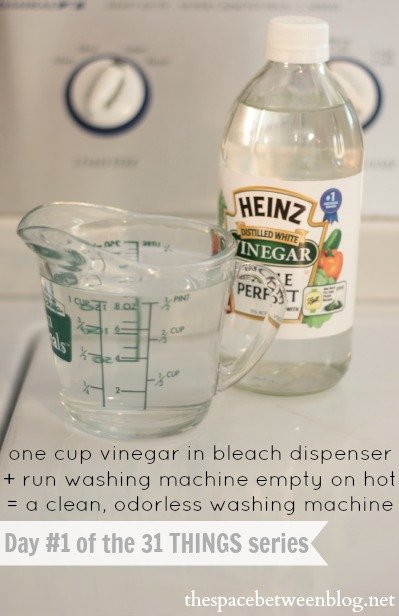
First, empty the machine completely. No stray socks allowed. Add about 4 cups of white vinegar directly into the drum. Yes, 4 cups. Don’t skimp. Let it sit for maybe 15-20 minutes. This starts breaking down all that calcification and soap residue buildup.
Step 2: The Hot Water Blast
Now, close the lid. Set your GE top loader to the largest load setting and the hottest water temperature available. Run it through a full wash cycle. The hot water and vinegar work together to scour the inside of the drum, killing mold and bacteria. This is where the magic starts.
Step 3: The Baking Soda Scrub Down
Once the vinegar cycle is done, sprinkle about 1 cup of baking soda directly into the drum. Again, close the lid and run another hot, heavy-duty cycle. The baking soda acts as a mild abrasive and a deodorizer, neutralizing any remaining odors and scrubbing away loosened grime.
The baking soda step is crucial. It helps scrub away anything the vinegar loosened. Think of it as the follow-up punch. Vinegar softens ’em up, baking soda knocks ’em out. To be fair, some people just use bleach, but vinegar and baking soda are gentler and often just as effective for regular maintenance.
Step 4: The Rinse and Repeat (Maybe)
After the baking soda cycle, run one final rinse cycle with just hot water. This flushes out any remaining vinegar or baking soda residue. Open the lid and let the drum air dry completely. Sniff test. If it still smells funky, repeat the vinegar and baking soda steps. Some machines are worse than others, you know?
Phase 3: Tackling the Nooks and Craies
The drum is just one part of the equation. You need to get into the places where gunk likes to hide. This is where your toothbrush and cloths come in handy. Seriously, don’t skip this. Mold loves dark, damp crevices.
Cleaning the Lid and Console
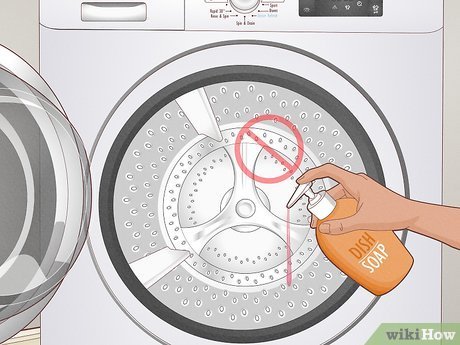
Use a damp cloth with a little bit of vinegar or mild detergent. Wipe down the inside and outside of the lid. Pay attention to the edges and the gasket area if your model has one. Then, tackle the control panel and console. Don’t spray cleaner directly onto the controls; spray it onto your cloth first. You don’t want water getting into the electronics.
Scrubbing the Agitator (If Applicable)
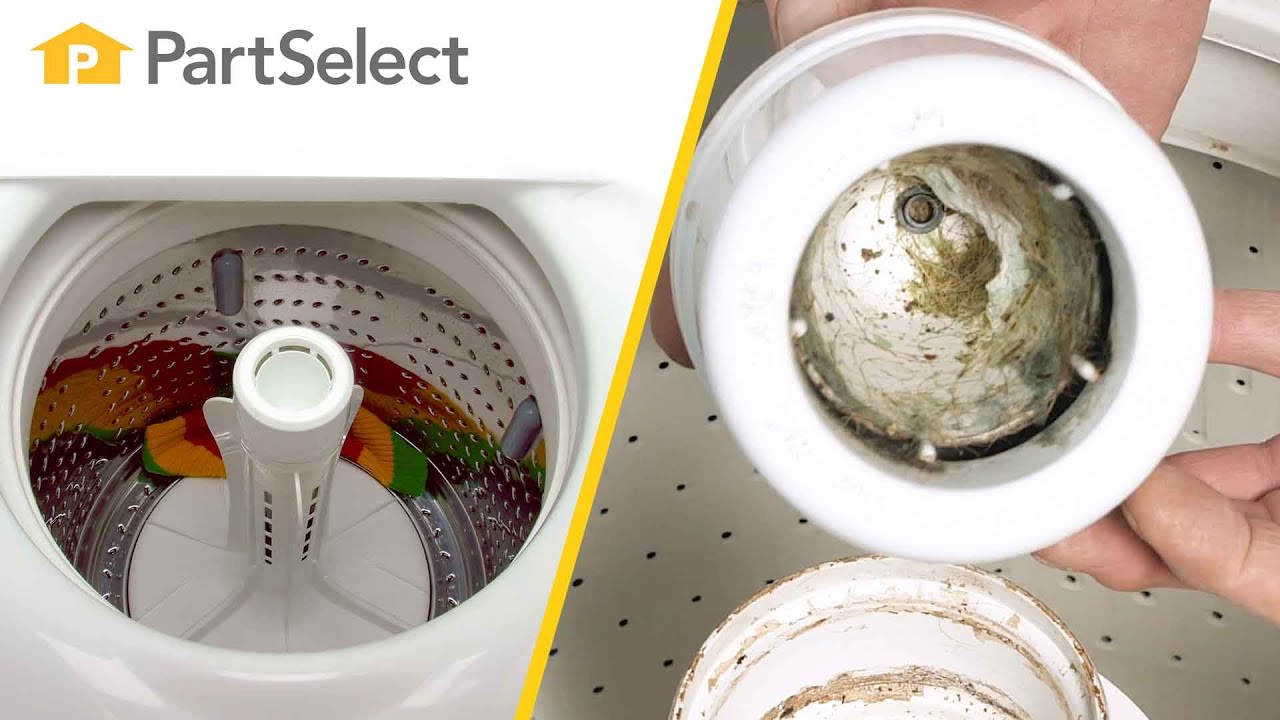
Some GE top loaders have a central agitator. This thing can get seriously gross. Mix a solution of equal parts water and vinegar. Dip your toothbrush or small scrub brush into the solution and scrub around the base of the agitator, the fins, and any seams. This is where detergent residue loves to collect. Wipe it down with a clean, damp cloth afterward. Rinse the cloth and wipe again to remove any residue.
The Detergent Dispenser Drawer
These drawers are often removable. Pull it out if you can. Soak it in hot, soapy water for about 30 minutes. Use your toothbrush to scrub away any dried-on detergent or fabric softener. Rinse it thoroughly and dry it before putting it back. If it’s not removable, clean it as best you can with a damp cloth and a toothbrush. Don’t let this little guy harbor mold.
The Exterior
Give the outside of your GE top load washer a good wipe-down. Use a damp cloth and a bit of all-purpose cleaner or vinegar solution. Clean the sides, the top, and even the floor underneath if you can reach it. You’d be surprised what accumulates down there.
Phase 4: The Filter – Does Your GE Have One?
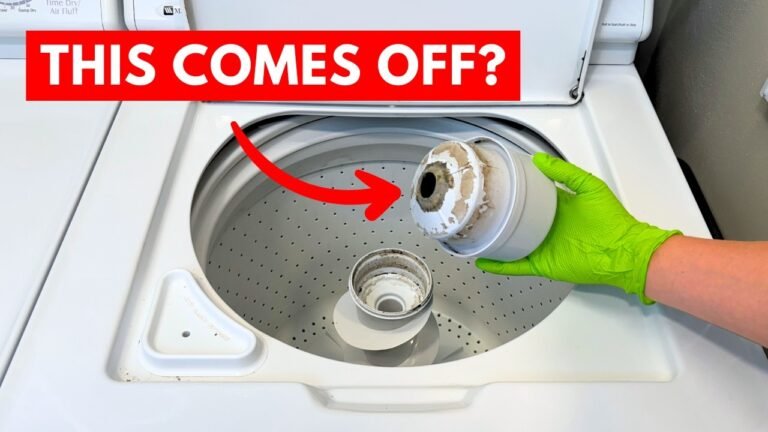
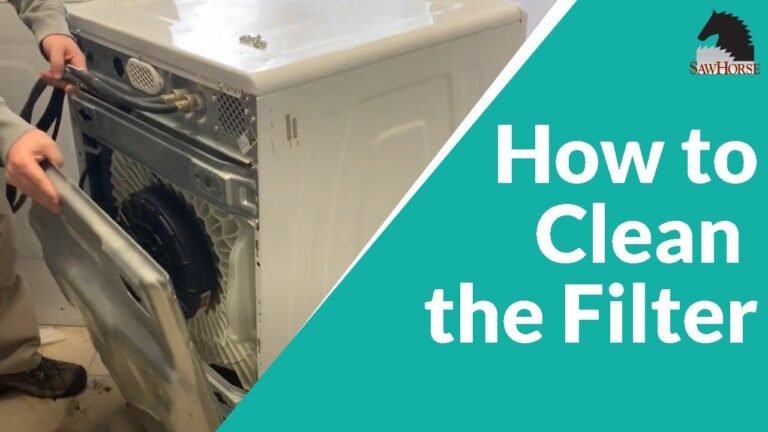
Okay, here’s a common question: Does my GE top load washer have a filter? The answer is usually no, not in the way a front loader does. Most GE top loaders don’t have a user-accessible pump filter that you can easily clean. Instead, they rely on internal screens or trap systems that are part of the pump assembly.
If you’re experiencing drainage issues or your machine is making weird noises, it might be a sign of a blockage. Cleaning these internal filters usually requires a service technician. It’s not a DIY job for the average homeowner. So, while you’re cleaning the drum and dispensers, don’t go hunting for a filter you won’t find.
Phase 5: Prevention is Better Than Cure
Once you’ve got your GE top loader sparkling, you want to keep it that way. It’s all about good habits. Honestly, this is the most important part after the initial deep clean.
Leave the Door Ajar
After every wash, leave the lid open for a few hours. This allows air to circulate and helps the interior dry out. Less moisture means less mold. It’s simple physics, people.
Wipe Down After Use
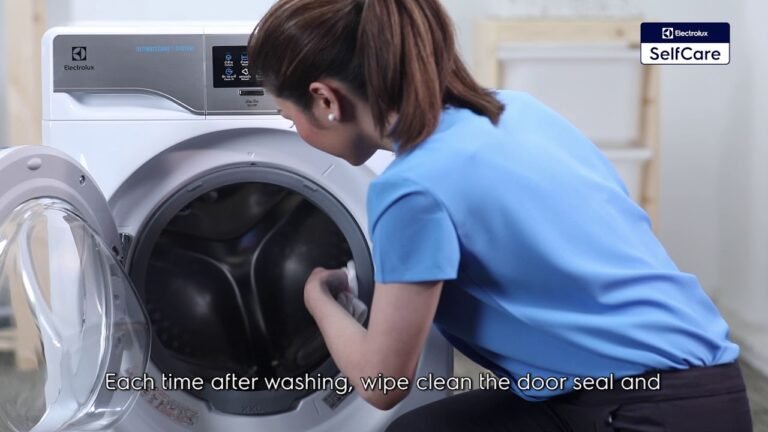
Seriously, take 30 seconds. Wipe down the inside of the door seal and the drum after your last load of the day. Get rid of any residual water. It makes a huge difference.
Use the Right Amount of Detergent
Using too much detergent or fabric softener is a common mistake. It leads to excess residue buildup, which feeds mold and gunk. Follow the manufacturer’s recommendations. High-efficiency (HE) detergents are usually best for modern machines, even top loaders.
Run Regular Cleaning Cycles
Don’t wait until your machine smells like a science experiment gone wrong. Aim to do a vinegar or specialized washer cleaner cycle every 1-2 months. It takes less than an hour and prevents major problems down the line.
Avoid Overloading
Stuffing your GE top loader to the gills doesn’t just make clothes less clean; it also prevents water and detergent from circulating properly. This can lead to pockets of stagnant water and increased residue buildup.
Common Cleaning Scenarios & Fixes
Let’s look at some specific issues people run into when learning how to clean GE washing machine top loader units.
Scenario 1: The Persistent Musty Smell
Problem: No matter what you do, your GE top loader still smells musty. You’ve done the vinegar cycles. What gives?
Fix: The smell might be coming from deeper within the machine, like the drain pump or hoses. You might need to try a specialized washing machine cleaner tablet (follow product instructions). If that fails, it’s time to call a technician. It could be mold in the drain system.
Scenario 2: Weird Residue on Clothes
Problem: Your clothes are coming out with white, powdery residue. It’s not lint.
Fix: This is usually caused by too much detergent or fabric softener, or a buildup in the dispenser drawer. Clean the drawer thoroughly. Make sure you’re using the correct type and amount of detergent. Run an extra rinse cycle on your next few loads.
Scenario 3: The Agitator Looks Gross
Problem: The plastic fins on your GE top load washer agitator are covered in dark gunk.
Fix: This is exactly what the toothbrush and vinegar/water solution are for. Get in there and scrub. Pay attention to the seams where the fins meet the main body of the agitator. Regular cleaning prevents this.
A Table of Cleaning Frequencies
Consistency is key. Here’s a rough guide:
| Task | Frequency | Notes |
|---|---|---|
| Drum Cleaning Cycle (Vinegar/Baking Soda) | Monthly to Bi-Monthly | Essential for odor and buildup control. |
| Wipe Down Lid & Console | After each wash day | Prevents grime from setting in. |
| Clean Dispenser Drawer | Monthly | Removable ones are easier. |
| Scrub Agitator/Impeller Area | Bi-Monthly | Target visible grime. |
| Exterior Wipe Down | As needed | Keep it looking decent. |
Honestly, sticking to this schedule will save you headaches. A little effort goes a long way. Back in the day, my neighbor, bless her heart, never cleaned hers. Her whites looked permanently dingy by 2018. She finally replaced it, only to repeat the same mistake. Don’t be that person.
Final Thoughts: Don’t Be Lazy
Cleaning your GE top load washer isn’t a chore you can ignore. It’s maintenance. Like changing the oil in your car. You wouldn’t drive your car into the ground without service, would you? Your washing machine deserves the same respect. By following these steps on how to clean GE washing machine top loader units, you’ll ensure your clothes come out smelling fresh and your machine runs efficiently for years to come.
It takes maybe an hour, once a month. That’s it. Less time than watching an episode of that mediocre show everyone’s talking about. So, stop making excuses. Grab the vinegar. Get cleaning. Your nose—and your clothes—will thank you.
Frequently Asked Questions
Is there a filter on a GE top load washing machine?
Most GE top load washing machines do not have a user-accessible pump filter like front-loaders. They typically have internal screens as part of the pump assembly, which usually require a technician to access and clean if there’s a blockage.
How do I clean my top loading washing machine?
To clean your top loading washing machine, run a hot water cycle with 4 cups of white vinegar, followed by another hot water cycle with 1 cup of baking soda. Afterward, wipe down the drum, lid, console, and dispenser drawer with a damp cloth and mild cleaner. Regularly leave the lid open to air dry.
How to clean GE top load washer agitator?
To clean the agitator on a GE top load washer, mix equal parts water and white vinegar. Use an old toothbrush or small scrub brush dipped in this solution to scrub the base and fins of the agitator. Wipe down with a clean, damp cloth to remove residue.
Do I need to put anything in my washer for self clean?
Yes, for the self-clean cycle or a manual cleaning cycle on your GE top load washer, you typically need to add a cleaning agent. Common options include 4 cups of white vinegar for a hot water cycle, or a specialized washing machine cleaning tablet designed for this purpose. Always check your machine’s manual.
Can I use bleach to clean my GE top load washer?
Yes, you can use bleach to clean your GE top load washer, but use it cautiously. Add about 1 cup of bleach to the drum (not the dispenser) and run a hot water cycle. Never mix bleach with vinegar or other cleaners, as this can create dangerous fumes. Vinegar and baking soda are often sufficient and safer alternatives for regular cleaning.
Watch: How To Properly Clean A GE Washing Machine!