How To Clean Ge Washing Machine Front Loader
Forget That Stinky GE Front Loader. Here’s How To Clean Ge Washing Machine Front Loader Like You Mean It.
Look, your GE front loader? It’s a machine. It gets dirty. It stinks. And if you don’t clean it, it’ll start eating your clothes. Or worse, it’ll just smell like a gym sock died in there. We’re talking about mold, mildew, and general funk. This ain’t rocket science. It’s just… not letting your laundry room become a biohazard zone. Honestly, most people just ignore it. Big mistake. Huge.
I remember lugging a moldy GE washer out of my buddy’s basement apartment back in ’09. The smell? Brutal. He’d never cleaned it. Ever. Said he didn’t know. Right. So, you waa know how to clean GE washing machine front loader? Pay attention. This is the real deal. No fluff. Just facts. And a little bit of attitude because someone’s gotta have it.
The Guts: What’s Really Going On Inside?
Your front loader is a marvel of engineering, sure. But it’s also a closed system. Water sits. Detersion collects. Fabric softener residue? It clings. Then you get that perfect storm for microscopic nasties. Mold loves damp, dark places. Your washer drum? It’s basically a luxury condo for mold. The rubber gasket around the door? That’s prime real estate. We’re talking about a breeding ground. The thing is, this build-up affects performance. And yeah, it smells.

Step 1: Drain That Filter. Seriously. Now.
This is where most people screw up. They never touch the filter. Why? Fear? Ignorance? Doesn’t matter. It’s probably clogged with lint, coins, maybe a rogue sock. You gotta get that crap out. Find the little access panel. Usually at the bottom front. You’ll need a shallow pan. Trust me. Water’s goa come out. Sometimes a lot. Open it slowly. Let it drain. Then unscrew the filter. Clean it. Like, really clean it. Use an old toothbrush. Get all the gunk. Rinse it. Put it back. Simple. But vital.
Watch: How to Care for Your Front Load Washer
Step 2: That Gasket. Don’t Be Scared.
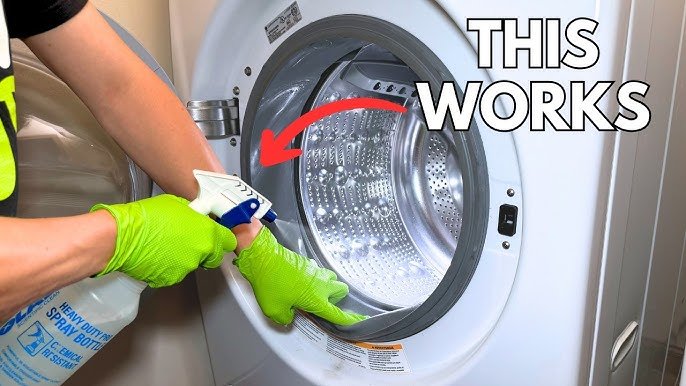
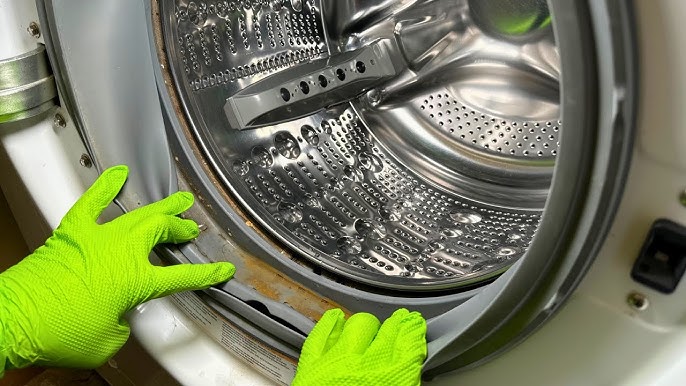
The rubber seal. It’s always wet. Always. And it traps everything. Hair, lint, soap scum. And mold. Open the door. Pull back that rubber gasket. You’ll probably see some black gunk. Gross, I know. Grab a damp cloth. Maybe some diluted bleach. Or vinegar. Wipe it down. Get into all those folds. Don’t just skim the surface. Get in there. Use a Q-tip if you have to. You want it spotless. This alone can kill a lot of the smell.
Step 3: The Drum. Time for a Deep Clean.
Okay, the main event. How to clean GE washing machine front loader drum? You got two main ways. Depending on your model.
Option A: If Your GE Has a “Tub Clean” or “Self Clean” Cycle
Lucky you. GE put a cycle in for a reason. Usually, it’s a button you press. Might need to add some special washer cleaner. Or just hot water. Follow your manual. Seriously. Don’t guess. Run the cycle. It’s designed to use hot water and agitation to scour the inside. It’s not a magic bullet, but it’s a good start. Do this maybe once a month.
Watch: How to clean GE front load washer
Option B: The Manual Scrub-Down (No Fancy Cycle Needed)
No “Tub Clean“? No problem. We go old school. The thing is, you gotta use hot water. Max temp. Then you have options:
Vinegar Power
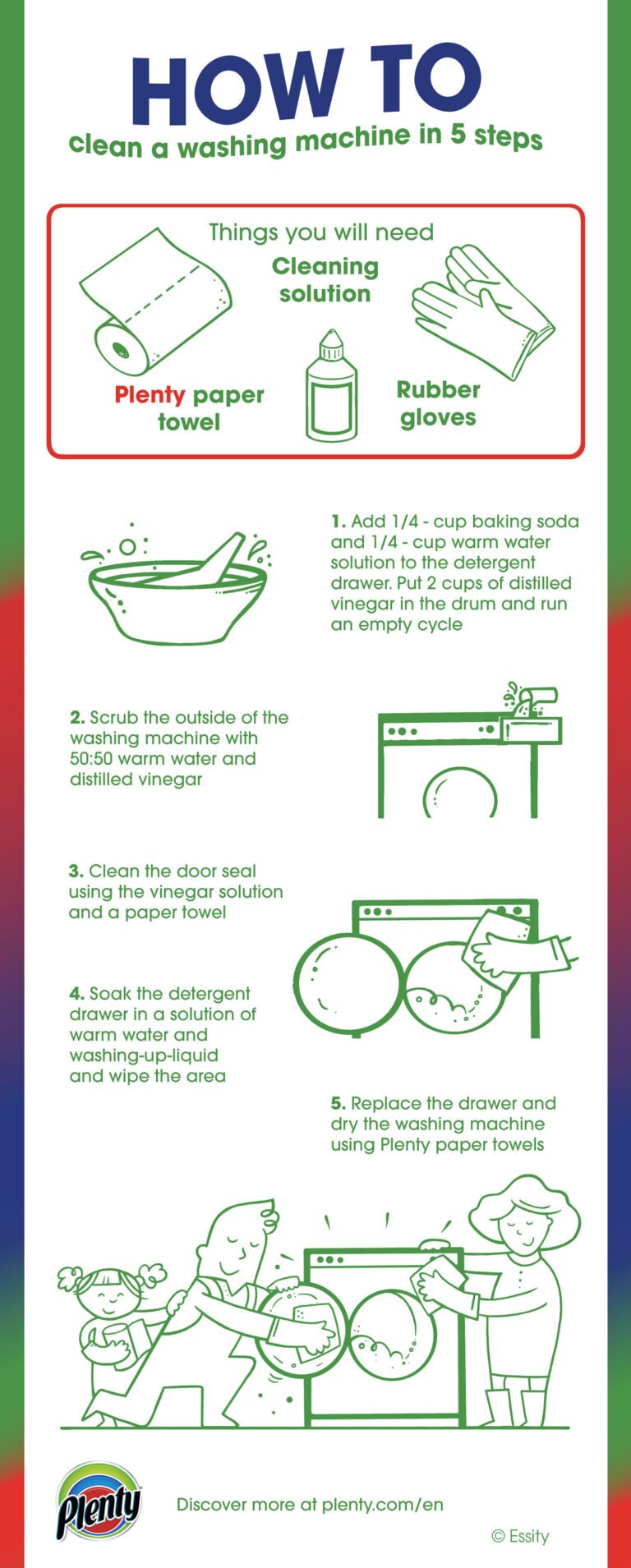
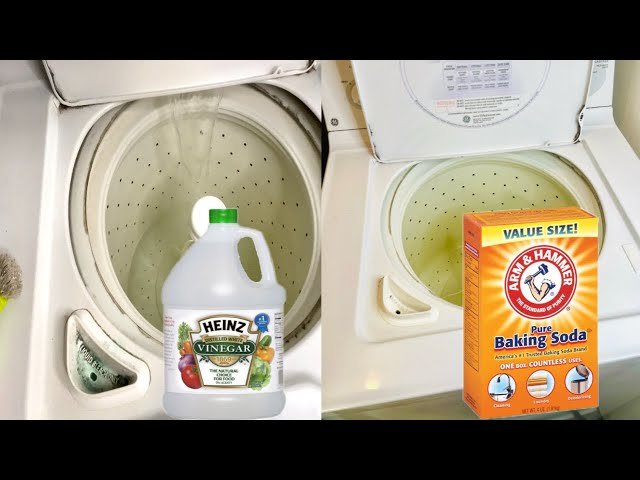
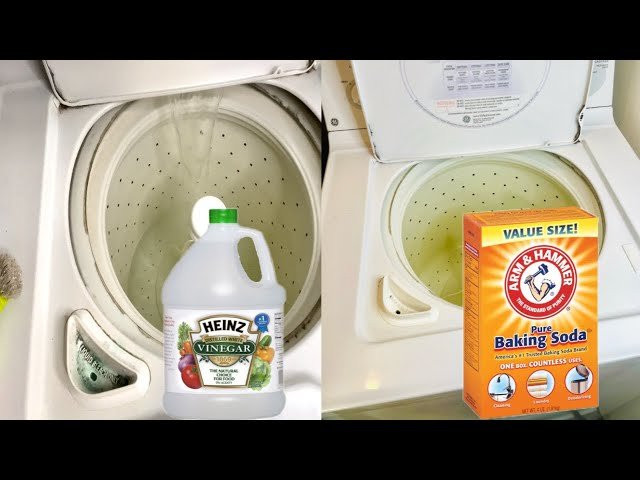
Pour about 2 cups of white vinegar directly into the drum. Or into the detergent dispenser. Run the hottest, longest cycle you have. Not the quick wash. The heavy-duty one. Let it do its thing. Vinegar is acidic. It breaks down soap scum and kills some bacteria. It’s cheap, too.
Bleach Blast
You can also use bleach. About 1 cup. Put it in the bleach dispenser, NOT directly in the drum with clothes. Never mix bleach and vinegar, EVER. That’s how you make toxic gas. Run the hottest, longest cycle. Bleach is stronger. It’ll kill more stubborn mold. But be careful. Too much bleach can degrade rubber over time. Use it sparingly. Maybe once every few months. And ventilate the area. Seriously.
Baking Soda Boost
After the vinegar or bleach cycle, you can do a second rinse cycle with a half cup of baking soda. Baking soda deodorizes. It helps neutralize any lingering smells. And it’s gentle. Pour it directly into the drum.

Step 4: The Dispensers. Don’t Forget Them.
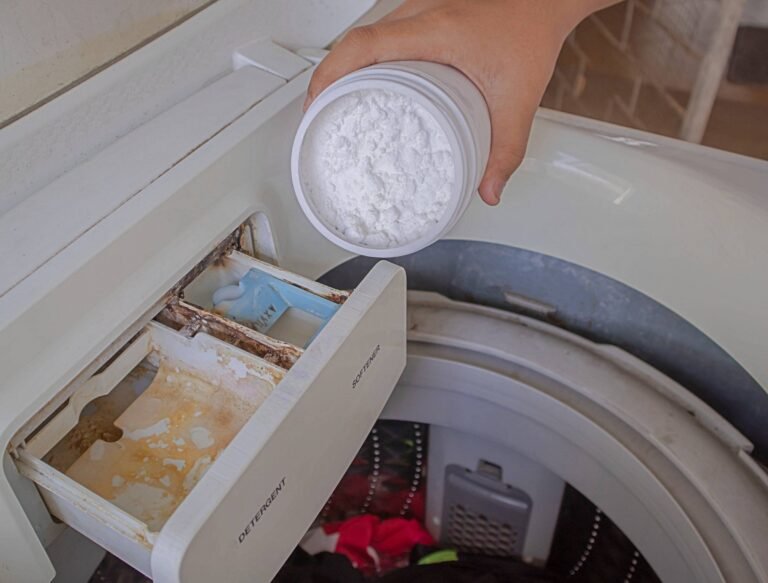
The detergent, fabric softener, and bleach drawers? They get gunky. Soap residue builds up. It can get moldy. Pull them out. If they don’t pull out easily, check your manual. Most do. Soak them in hot water. Scrub them with an old toothbrush or sponge. Pay attention to the little nooks and craies. Rinse them thoroughly. Dry them before putting them back. If the mold is really bad, a little diluted bleach can help.
Watch: How To Clean Your Front Load Washing Machine
Step 5: The Exterior. Make it Look Like You Care.
Wipe down the outside. The control panel. The door. Use a damp cloth. Mild soap if needed. Don’t spray water directly onto the control panel. You’ll fry it. Clean the glass. Dry everything. A clean exterior makes the whole machine feel cleaner, honestly.
Step 6: Leave the Door Ajar. Always.
This is crucial. After every wash, leave the door open. Just crack it. Let air circulate. This prevents moisture from building up inside. It stops that damp, musty smell before it even starts. It’s the easiest thing you can do. And the most effective long-term.
How Often Should You Clean? The Grim Schedule.
Let’s get real. How often do you need to tackle this filth?
| Task | Frequency | Notes |
|---|---|---|
| Clean Door Gasket | After every wash (quick wipe) / Weekly (deep clean) | Prevent mold build-up. |
| Wipe Down Exterior/Interior Drum | Weekly | Keep it looking decent. Check for residue. |
| Clean Dispensers | Monthly | Prevent clogs and mold. |
| Drain & Clean Filter | Monthly (or more if heavy lint) | Crucial for performance & preventing smells. |
| Run Tub Clean Cycle / Deep Clean | Monthly | Vinegar or Bleach. Use hottest cycle. |
| Leave Door Ajar | After every use | THE most important preventative measure. |
Common Problems & Quick Fixes
Smelly washer? Usually the gasket or the drum. Check the filter. Always check the filter. Stubborn stains inside? Try a dedicated washer cleaner. They exist. They work. Use them according to directions. Washing machine not draining? Probably that clogged filter again. Or a kinked hose. But start with the filter.
The Bottom Line: Stop Ignoring Your Washer
Look, keeping your GE front loader clean isn’t some optional chore. It’s maintenance. It affects your clothes. It affects your health. It affects your sanity when you open the door and recoil. Do the simple things: leave the door open, wipe the gasket. Then, hit it with a deep clean monthly. Vinegar or bleach. Clean the filter. You’ll thank yourself. Your clothes will thank you. And your nose? It’ll definitely thank you. Stop letting that machine turn into a funk factory. Get cleaning.
Frequently Asked Questions
How to deep clean a front load washer?
A deep clean involves multiple steps. First, clean the door gasket thoroughly. Then, drain and clean the filter. Next, run a hot, long cycle with either 2 cups of white vinegar or 1 cup of bleach (never mix them) poured directly into the drum or dispenser. After that cycle, run another rinse cycle with half a cup of baking soda. Finally, clean the detergent dispensers and always leave the door ajar after use to prevent moisture build-up.
Can I mix vinegar and baking soda in the washing machine?
No, you should NOT mix vinegar and baking soda directly in the washing machine for a cleaning cycle. While both are effective cleaners individually, mixing them creates a chemical reaction that neutralizes their cleaning properties, producing mostly water and sodium acetate. It’s best to use them in separate cycles: one cycle for vinegar (or bleach), followed by a separate rinse cycle with baking soda.
What’s the best way to remove mold from a front load washer gasket?
To remove mold from the gasket, first pull back the rubber seal to expose all areas. Dampen a cloth with a solution of equal parts white vinegar and water, or a very diluted bleach solution (1 part bleach to 10 parts water). Gently scrub the mold away, getting into all the crevices. Use an old toothbrush for stubborn spots. Rinse the area with a clean damp cloth and dry thoroughly. Always ensure good ventilation when using bleach.
How often should I run the ‘Tub Clean’ cycle on my GE washer?
For most GE front-load washers equipped with a ‘Tub Clean’ or ‘Self Clean’ cycle, it’s recommended to run it once a month. This helps prevent the build-up of detergent residue, mineral deposits, and odor-causing bacteria. If you notice a persistent musty smell or use your machine very frequently, you might consider ruing it slightly more often, but monthly is a solid baseline.
My front loader smells even after cleaning, what’s wrong?
If your GE front loader still smells after cleaning, double-check that you thoroughly cleaned the door gasket and the filter. These are common culprits. Also, ensure you’re not overloading the machine, as this prevents proper water circulation and drying. Lastly, make sure you’re consistently leaving the door ajar after each use to allow the interior to dry out completely between washes. Sometimes, a second, more rigorous cleaning cycle with bleach might be necessary for severe cases.