How To Clean Ge Top Loading Washing Machine
GE Top Loader: Stop the Stink, Start the Spin.
Look, nobody wants a stinky washing machine. Especially not a GE top-loading beast. You bought it to make your clothes smell like a damn meadow, not a petri dish. The thing is, these machines, they eat gunk. Hair, lint, detergent residue, that weird fuzzy stuff from your towels – it all builds up. And if you don’t tackle it? You’re just washing dirty clothes in dirty water. Great. That’s why you need to know how to clean GE top loading washing machine interiors, drums, and dispensers. It ain’t rocket science, but it needs doing. Consistently. Or you’ll regret it. I remember my aunt Carol. Bless her heart. Never cleaned her machine once in five years. Her whites came out grey. Her towels? Smelled like a damp gym sock. Honestly, it was foul. She blamed the detergent. Blamed the water. Blamed the damn dryer. Never the machine. Until I finally went over there and showed her this.
The Underside of Clean: Why Bother?
Why clean the damn thing? Simple. Hygiene. Performance. Longevity. A dirty machine breeds mold, mildew, and bacteria. That stuff gets on your clothes. It smells. It can even trigger allergies. Plus, a clogged-up machine works harder. Uses more water, more power. Eventually, parts wear out faster. You waa spend money on repairs or just do a quick wipe-down every few months? Your call. I’ve seen machines clog up so bad they literally wouldn’t drain. Customer swore it was broken. Turned out to be a fistful of lint and goo in the pump filter. Cost him a service call he didn’t need.
Pre-Game Ritual: What You Need
Before we dive in, gather your weapons. You don’t need much, thankfully. This ain’t brain surgery. You’ll want:
- White Vinegar: The universal solvent. Cheap. Effective. Smells like grandma’s kitchen, but it works.
- Baking Soda: Odor neutralizer. Mild abrasive. Also cheap.
- Microfiber Cloths: A few clean ones. For wiping.
- Old Toothbrush or Small Scrub Brush: For the nooks and craies.
- Optional: Bleach: For serious mold/mildew. Use with caution. Never mix with vinegar. EVER.
- Optional: Washing Machine Cleaner Tablets: If you’re lazy, these exist. But vinegar and baking soda are fine.
That’s it. No fancy chemicals. No miracle sprays. Just good old-fashioned elbow grease and a few household staples. The price for a decent GE top loader? Anywhere from $600 to $1200 these days. You waa protect that investment, right? It takes maybe an hour, tops, every 2-3 months. Less if you’re diligent.

Step 1: The Pre-Wash Blast (Vinegar Power)
First up, the drum. This is where the magic, or the horror, happens. We’re goa run a hot cycle with vinegar. Sounds weird, but trust me. Open the lid. Dump two cups of plain white vinegar directly into the drum. Not the dispenser, the drum itself. Let it sit for a minute. Then, set your machine to the hottest water setting. Use the largest load size and the heaviest soil setting if you have it. Let it run a full cycle. This vinegar bath breaks down detergent buildup, soap scum, and any funky residues clinging to the ier workings. It kills some germs too. Look, it’s not a sterilizer, but it’s a hell of a start.
Step 2: The Scrub Down (Baking Soda Action)
Cycle’s done? Good. Now, dump about half a cup of baking soda directly into the drum. Close the lid. Run another hot, heavy cycle. This time, you’re goa pay attention. While it’s filling or agitating, open the lid (yes, I know, but it’s okay for a quick check). See any grime coming loose? Good. The baking soda acts as a mild abrasive, scrubbing away the loosened gunk. It also helps neutralize any lingering vinegar smell. And honestly, it’s a good excuse to peek inside and see the progress. This is where you might see some of that greyish film start to break apart. It’s gross, but it’s working.
Step 3: Attacking the Nooks and Craies (The Grime Hunt)
Okay, the main wash is done. Now for the dirty work. Literally. Grab your damp microfiber cloth and that old toothbrush. Open the lid. Start wiping down the inside of the drum. Pay special attention to the top rim, under the agitator (if you have one), and around the lid’s gasket. That’s where stuff collects. Seriously, I once found a lost earring from 2018 under the agitator of a machine I was cleaning. The thing is, grime loves these hidden spots. Use the toothbrush to get into any tight seams or corners. Get those stubborn bits. It’s tedious, but essential. Your GE top loading washing machine deserves this attention.
Watch: How To Properly Clean A GE Washing Machine!
The Agitator: A Prime Suspect
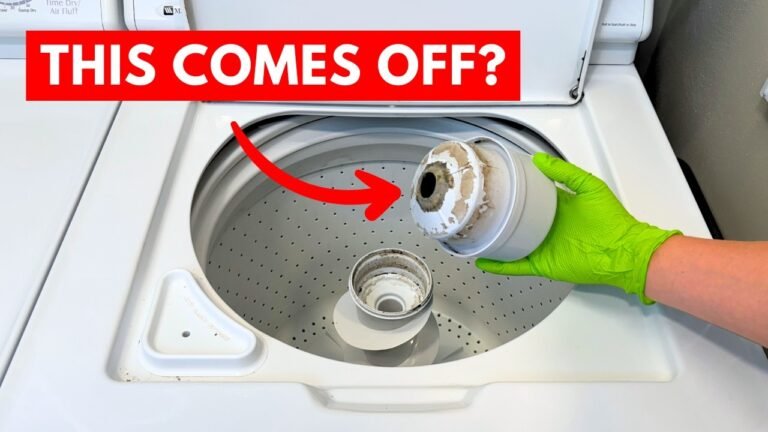
If your GE has a central agitator, that thing is a lint magnet. Carefully try to lift or unscrew the agitator cap. Underneath? Usually a nasty surprise. Lint, hair, maybe even some small items. Clean it out with your cloth and brush. Rinse your cloth and wipe again. It’s amazing how much can hide there. This is the part that always gets people. They see the gunk and finally understand why their machine was acting up.
The Lid and Rim: Don’t Forget
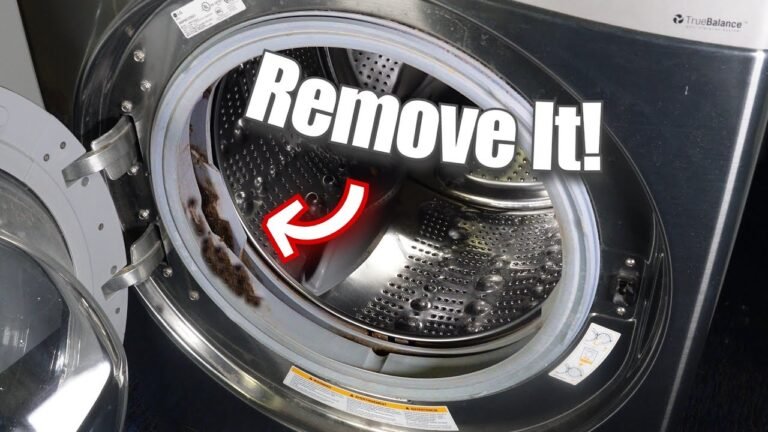
The underside of the lid, especially the rubber seal or plastic rim where it meets the drum, is prime real estate for mold. Wipe it down thoroughly. Get into every crevice. If you see black spots – that’s mold. You might need a stronger cleaner here if it’s really bad. Bleach, diluted, can work. But remember the golden rule: NEVER MIX BLEACH AND VINEGAR. Seriously. It creates toxic gas. We’re aiming for clean, not a biohazard incident.
:max_bytes(150000):strip_icc()/clean-top-load-washing-machine-5073254-V1-4d57061f759a4c84a61cb797084649a7.png "How To Clean Ge Top Loading Washing Machine 2")
Step 4: The Dispensers: Where Smells Begin
Most GE top-loaders have dispensers for detergent, fabric softener, and sometimes bleach. These are often removable. Check your manual. If they pull out, take ’em out. Soak them in hot, soapy water or a vinegar/water solution. Scrub them clean with your brush. If they don’t come out, use your cloth and toothbrush to clean them in place. Residue buildup here is a major source of odors and can even clog the dispenser lines. I’ve seen softener dispensers so caked with goo, the softener never even made it into the wash. Just sat there, growing fuzzy.
Detachable Dispensers: The Easy Way
If your dispenser tray pops out, consider yourself lucky. Soak it in the sink for 30 minutes. Use an old toothbrush to scrub out all the dried-on goo. Rinse thoroughly and dry before putting it back. It’s satisfyingly gross work. Seeing that clean plastic emerge from the muck is its own reward.
Watch: How to Care for Your Top Load Washer
Fixed Dispensers: The Hassle
For fixed dispensers, it’s a bit more work. Use your brush and damp cloth. Really get in there. You might need to do a few passes. A cotton swab can help reach tight spots. The goal is to remove every last bit of dried detergent or softener. This is crucial for proper dispensing and preventing blockages.
Step 5: The Final Rinse and Air Out
Once you’ve scrubbed everything, give the drum a final wipe with a clean, damp cloth. Now, leave the lid open. Let the machine air dry completely. This is crucial. Trapped moisture breeds mold and mildew. Leave it open for several hours, or even overnight if possible. This final air-out step is non-negotiable. It prevents the problem from coming right back.
Step 6: The Exterior Wipe Down
Don’t forget the outside! Wipe down the control panel, the exterior sides, and the lid with a damp cloth. A little mild soap if it’s greasy. A clean exterior makes the whole machine feel cleaner. It’s the finishing touch. Takes 30 seconds. Makes a difference. Honestly, it feels good to have the whole unit looking sharp.

Deep Cleaning for Serious Issues (The Bleach Option)
If you’ve got stubborn mold or mildew stains, or a persistent smell that vinegar and baking soda didn’t fix, you might need bleach. Use this sparingly and with extreme caution. Add 1 cup of bleach to the bleach dispenser (or directly into the drum if no dispenser). Run a full hot water cycle. Then, follow up with a rinse cycle. AGAIN: NEVER MIX BLEACH WITH VINEGAR OR AMMONIA. This is for severe cases only. Overuse of bleach can damage rubber seals and plastic parts over time. We’re looking for a clean machine, not a degraded one.
Maintenance Schedule: Keep It Clean!
How often should you do this? Depends on usage. But a good rule of thumb is:
Watch: How To Clean Your Top Load Washing Machine
| Frequency | Task | Notes |
|---|---|---|
| Monthly | Wipe down dispensers and lid seal. Air out machine. | Quick check. Prevents major buildup. |
| Every 2-3 Months | Full Vinegar/Baking Soda Cleaning (Steps 1-5). | Essential deep clean. |
| As Needed (Aually or if issues arise) | Deep Clean with Bleach (Caution!). Check pump filter. | For stubborn odors or visible mold. |
Consistency is key. A little effort now saves a lot of headaches later. Think of it like changing the oil in your car. You don’t wait until the engine seizes, right? Same principle here. This regular cleaning routine ensures your GE top loading washing machine runs efficiently and keeps your clothes genuinely clean.
Pump Filter Check: The Hidden Culprit
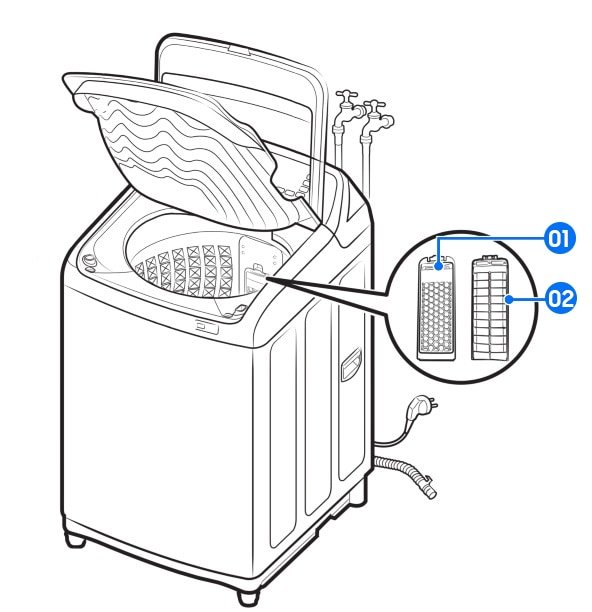
Some GE top-loaders have a small pump filter accessible from the front or back. This is where loose items, lint, and gunk can get trapped, impeding drainage. Consult your manual to see if yours has one and how to access it. Cleaning this filter is essential if you notice drainage issues or excessive vibrations. I pulled a whole sock out of one once. A whole sock! The customer thought the pump was shot. Nope. Just a hungry filter.
Final Thoughts on a Fresh Machine
So there you have it. A comprehensive guide on how to clean GE top loading washing machine units. It’s not glamorous, but it’s vital. Your clothes – and your nose – will thank you. A clean machine is a happy machine. And a happy machine means clean laundry. It’s that simple. Don’t let that investment turn into a funk factory. Keep it clean. Keep it ruing right. It takes less time than you think, and the results? Priceless. You’ll stop wondering why your clean clothes smell vaguely musty.
Frequently Asked Questions
Is there a filter to clean on a GE top load washer?
Yes, many GE top-loading washing machines have a pump filter designed to catch lint, coins, and other debris. This filter is usually located behind a small access panel at the front or bottom of the machine. Consult your owner’s manual for its specific location and cleaning instructions. Regularly cleaning this filter can prevent drainage problems and extend the life of your machine.
How often should I deep clean my GE top load washer?
For most households, a deep clean using vinegar and baking soda every 2-3 months is sufficient. If you have high usage, hard water, or notice persistent odors, you may need to clean it more frequently, perhaps monthly. Always follow up with a good air-out.
Can I use a store-bought washing machine cleaner?
Yes, you can use commercial washing machine cleaner tablets or liquids designed for top-loaders. Follow the product instructions carefully. While effective, they often contain harsher chemicals than the vinegar and baking soda method. For regular maintenance, vinegar and baking soda are usually adequate and more economical.
What should I do if my washing machine still smells after cleaning?
If odors persist after a thorough cleaning, check the pump filter for blockages. Inspect the drain hose for kinks or buildup. You might also need to repeat the cleaning process, potentially using a diluted bleach solution in the drum for a single cycle (ensure no mixing with other cleaners). Make sure the machine is drying completely between uses. Persistent smells could indicate a more serious internal issue.
Why are my clothes still not getting clean even after cleaning the washer?
Several factors could be at play. Ensure you’re not overloading the machine, which prevents proper agitation and rinsing. Check that you’re using the correct amount and type of detergent for your machine and water hardness. Also, verify that the water temperature settings are appropriate for the load. A dirty washing machine can certainly contribute, but other laundry practices also matter.