How To Clean Front Loading Washing Machine With Vinegar
Don’t Be a Slob. Clean Your Damn Washer.
Look, let’s cut the crap. Your front-loading washing machine smells. It’s probably got that… funk. That damp, musty, gym-sock-left-in-a-car-trunk smell. You know the one. Honestly, it’s not rocket science. And if you’re still wondering how to clean front loading washing machine with vinegar, pay attention. Because this is how you stop that stink before it ruins your clothes. And your life.
The thing is, front-loaders are prone to this funk. They’re sealed tighter. Water sits. Mold and mildew have a party. And guess who cleans up the mess? You. So grab a bottle of white vinegar. Yeah, the cheap stuff. It’s your weapon.
Why Vinegar? Because It Works, Dumbass.
Vinegar is acidic. Like, seriously acidic. That means it cuts through gunk. Soap scum, mineral deposits, that weird gray slime? Vinegar eats it. It also kills mold and mildew. The microscopic assholes breeding in your machine.
Bleach? Sure, it kills stuff. But it’s harsh. Leaves a chemical stink. And frankly, it can damage rubber seals over time. Vinegar is natural. Cheaper. And it doesn’t leave behind toxic fumes. My grandma used it. She lived to be 98. Coincidence? I think not.
:max_bytes(150000):strip_icc()/how-to-clean-a-washing-machine-1388712_04-a1a0956280094233872e68b9e7ca9954.jpg "How To Clean Front Loading Washing Machine With Vinegar 2")
The Guts: How To Clean Front Loading Washing Machine With Vinegar
This ain’t complicated. Anyone can do it. Even you. You’ll need:
- A gallon of plain white distilled vinegar (cheap stuff).
- A clean cloth or sponge.
- An old toothbrush (optional, but useful).
- A bucket or bowl.
Step 1: Prep the Battlefield
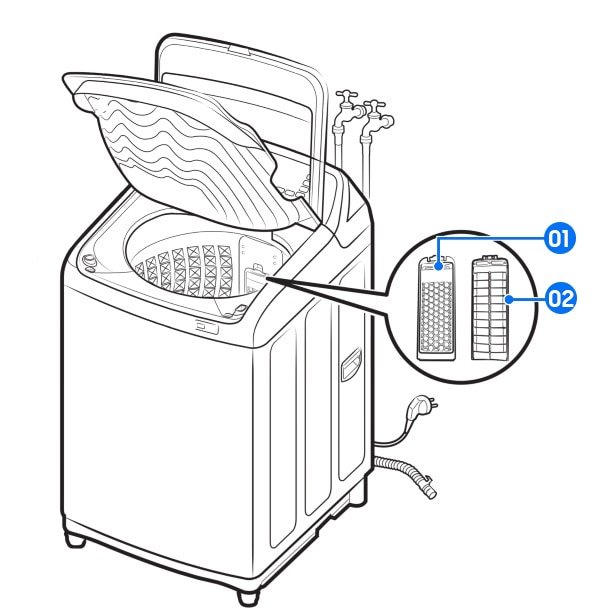
Empty the damn machine. No clothes. No stray socks. Nothing. Just an empty drum staring back at you, mocking your filth. Make sure you check the drain pump filter. Usually, it’s a little door at the bottom front. Pull it out. Expect grossness. It’s a rite of passage.
Seriously, sometimes you find enough hair and lint in there to knit a small sweater. Clean it out. A bucket helps catch the water. You’re welcome.
Step 2: The Vinegar Dose – Drum It Up
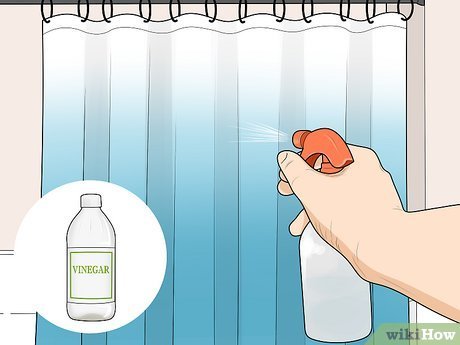
Pour about two cups of white vinegar directly into the washing machine drum. Yeah, right in there. Don’t be shy. Give it the good stuff.
Why two cups? It’s enough to get the job done. Enough to break down the grime. Not so much it’ll leave a lingering smell. And if you’re feeling brave, throw in another cup. Who am I to judge your level of filth?
Step 3: Dispensary Duty – Get Your Hands Dirty
Now, the dispensers. Detergent drawer, fabric softener. These things are cesspools. Pull them out if you can. If not, scrub ’em in place.
Soak them in a bowl of vinegar and hot water for about 30 minutes. Use that toothbrush for the nooks and craies. Scrub like you mean it. Rinse them thoroughly. You don’t want vinegar residue in there for your next load.
My old machine had a dispenser drawer that was practically fused shut with mold. Took me an hour. But the smell? Gone. Like magic. Or, you know, basic hygiene.
Step 4: The Hot Wash – Let It Cook
Close the machine door. Select the hottest water cycle your machine offers. Usually, it’s something like ‘Heavy Duty’ or ‘Sanitize.’ If it has a ‘Clean Washer’ cycle, use that. If not, hot and heavy is your best bet.
Run the cycle. Let it go. Let the vinegar work its magic. It’s cleaning itself while you do… whatever it is you do. Probably watch TV. Don’t worry, I won’t judge. Much.
Step 5: Seal of Approval – The Gasket Grind
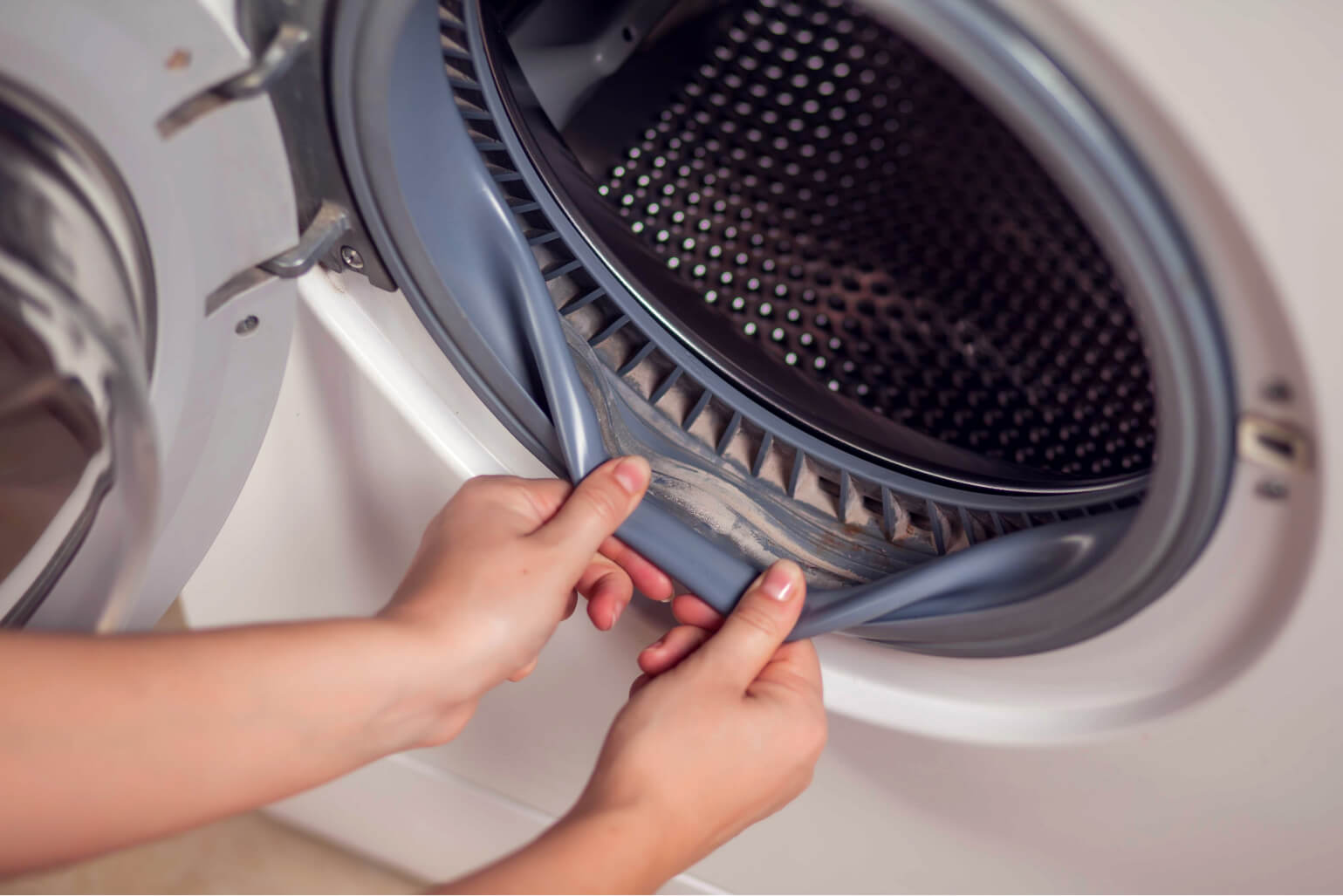
This is critical. The rubber seal around the door. The GASKET. It’s where water pools. Where mold thrives. Where the real funk lives.
Once the hot cycle is done, open the door. Take your vinegar-soaked cloth. Or just a new cloth dipped in vinegar. Wipe down the entire rubber seal. Pull back the folds. Get into every crevice. Use that toothbrush again if needed. You’re digging for black gold… of the moldy kind.
It’s gross. I know. I once found a mummified spider in there. True story. But you gotta do it. Every. Single. Time.
Step 6: The Rinse Cycle – Wash Away the Sins
Run another full wash cycle. This time, use hot water again, but no vinegar. Just plain water. This rinses out any remaining vinegar and loosened grime.
You want to make sure all that vinegar goodness (and the gunk it dissolved) is flushed out. Don’t skip this. Seriously. Your delicates will thank you.
Step 7: Exterior Aihilation
Don’t forget the outside. Wipe down the drum, the control panel, the doors. Use a damp cloth. Maybe a little diluted vinegar if there’s grime. Make it look less like a science experiment gone wrong.
This is the easy part. The part where you feel like you’ve accomplished something, even though you just cleaned your own damn appliance. Small victories, right?
A Few More Tips for the Less Than Immaculate
Leave the Door Ajar
This is the golden rule. After every wash, leave the door slightly open. Let air circulate. This is the single best way to prevent mold and mildew in the first place. Stop trapping moisture. It’s not that hard.
Dryer Sheets are for Dryers
Don’t leave wet clothes sitting in the washer. That’s how the funk starts. Get them into the dryer. Or hang them up. Don’t let them fester.
Run Hot Cycles Occasionally
Even if you mostly wash cold, run a hot cycle once a month. It helps keep things clean. Plus, it’s good for sanitizing.
Check Your Load Size
Overloading the machine? It prevents proper rinsing. Clothes get packed tight. Water can’t get through. You end up with residue. And probably a stinky machine.
Vinegar vs. Bleach: The Showdown
We touched on this. But let’s be clear. Vinegar is for routine cleaning. For killing that everyday funk. It’s your go-to. For deep-seated mold or severe issues? Maybe bleach once in a blue moon. But follow it with a vinegar rinse. And check your machine’s manual. Some manufacturers freak out about bleach.
Here’s a quick rundown:
| Feature | White Vinegar | Bleach |
|---|---|---|
| Cleaning Power | Good (acidic, cuts grime, kills mold) | Excellent (disinfects, whitens) |
| Odor Removal | Excellent | Fair (can mask odors) |
| Material Safety | Safe for most parts, natural | Can degrade rubber seals over time |
| Frequency | Monthly, or as needed | Occasionally, with caution |
| Cost | Very cheap | Relatively cheap |
See? Vinegar wins for regular maintenance. Hands down. Don’t overthink it.
When to Call the Pros (or Just Buy a New One)
If, after all this, your machine still stinks? Or if you see black mold that looks like it’s about to stage a hostile takeover? You might have a bigger problem. Could be a drainage issue. Could be the machine’s internals are shot.
Honestly, sometimes it’s cheaper to replace the thing. Especially if it’s an older model. A new one might cost you $700-$1500. But think of the peace of mind. No more funk. My Maytag from 2012 finally gave up the ghost last year. Bought a Speed Queen. Best decision ever. Worth every pey.
Frequently Asked Questions
How often should I clean my front-loading washing machine with vinegar?
At least once a month. If you do a lot of sweaty gym clothes or use it heavily, maybe every two to three weeks. Better safe than sorry. Prevention is key, people.
Can I use apple cider vinegar instead of white vinegar?
Look, technically yes. It’s still acidic. But white distilled vinegar is cheap, readily available, and effective. Apple cider vinegar is more expensive and can sometimes leave a slight color residue. Stick with the white stuff. It’s the right tool for the job.
Will vinegar damage my washing machine?
Not if you use it correctly and don’t overdo it. Diluted in water or run on a hot cycle, it’s perfectly safe for most machines. The amounts we’re talking about are minimal. It’s the neglect that causes damage, not a monthly vinegar cleanse.
What if my washing machine still smells after cleaning with vinegar?
You might have a deeper issue. Check the drain pump filter again. Make sure the gasket is truly clean. Try ruing a second vinegar cycle. If the smell persists, consider a commercial washing machine cleaner or consult your machine’s manual for specific troubleshooting.
Can I add essential oils to the vinegar wash?
Some people do. A few drops of tea tree oil or lemon oil for extra scent. But honestly? It’s usually uecessary. The vinegar does the heavy lifting. Essential oils can sometimes clog dispensers or leave residue. Keep it simple. Keep it clean.
Watch: How To Clean Your Front Load Washing Machine