How To Clean Front Loader Washing Machine Filter
The Gross Truth About Your Front Loader Filter. And How To Actually Clean It.
Look, nobody wants to talk about it. The gunk. The lint. The week-old gym sock you forgot was in there. But your front loader washing machine filter? It’s a cesspool. And if you don’t tackle how to clean front loader washing machine filter regularly, you’re goa have a bad time. Smelly clothes. Drains backing up. Machine breakdowns. The whole nine yards.
I’ve seen filters so clogged, they looked like a raccoon had taken up residence. Honestly, the sheer amount of crud we shove into these things… it’s a miracle they work at all. But they do. Until they don’t. And when they don’t, it’s usually this little guy. The filter.

This isn’t rocket science. But it’s also not something you can just ignore. The thing is, manufacturers want you to think it’s complex. A service call here, a new part there. Nah. It’s basic maintenance. Like changing the oil in your car. Except, you know, with more questionable odors.
Why Bother? The Stank Starts Here.
First off: smell. That persistent mildew funk that clings to your “clean” laundry? Yeah, blame the filter. It traps everything: hair, lint, loose change, buttons, that rogue tissue you swore you removed from your pocket. When that stuff gets waterlogged and rots? Instant stink bomb.
Then there’s performance. A clogged filter restricts water flow. This means your machine struggles to drain properly. That leads to longer cycles, incomplete rinses, and a machine working overtime. Overtime means wear and tear. Wear and tear means expensive repairs. Or worse, a whole new machine. Nobody wants that headache. Not in 2024.
And the flood risk? Don’t even get me started. I had a client, bless her heart, who hadn’t touched her filter in five years. Five. Years. The pump finally gave up trying to push water through the blockage. Result? A small, but surprisingly widespread, flood in her laundry room. Ruined the base cabinets. Cost her a cool $1,500. All for a five-minute filter clean.
Prep Work: Gear Up, You Grimy Human.
Before you dive in, gather your supplies. You don’t need a hazmat suit, but maybe a pair of thick rubber gloves. And a few old towels. Seriously, have towels ready. Trust me on this.
Watch: The Best Way to Clean Your Washing Machine Filter!
Essential Tools for the Filter Fiesta:
- Rubber Gloves: To keep your hands from looking like they wrestled a sewer rat.
- Old Towels/Rags: For the inevitable water spillage. There WILL be spillage.
- Shallow Pan or Baking Sheet: To catch the bulk of the water.
- Small Brush (Old Toothbrush Works): For scrubbing grime off the filter itself.
- Mild Detergent or White Vinegar: For a proper clean.
- A Bucket: For rinsing the filter if it’s really bad.
Locating the Beast: Where’s The Damn Filter?
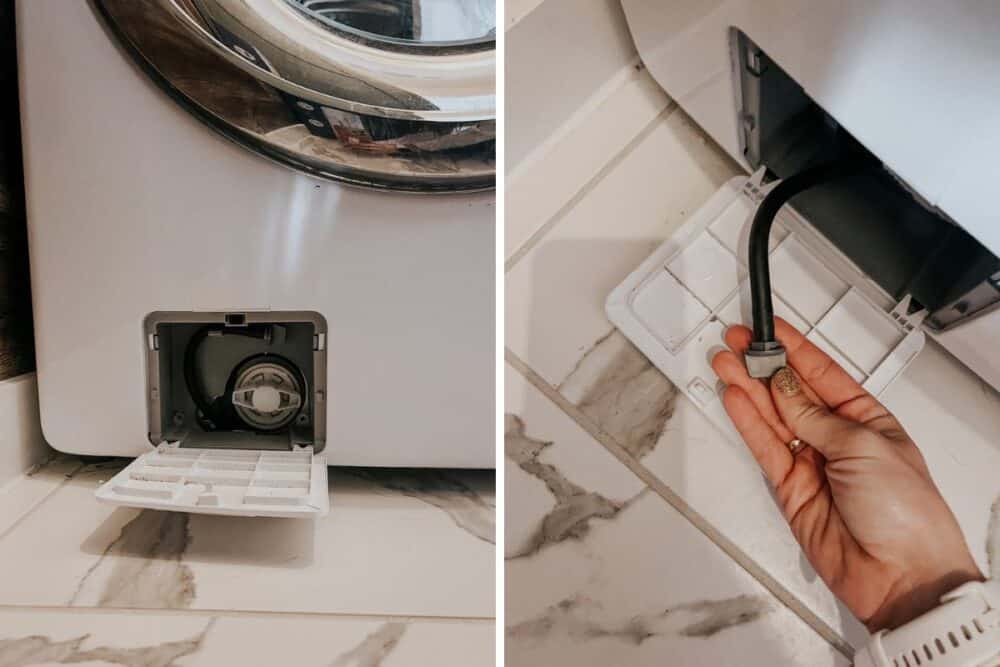
This is where most people get lost. It’s not obvious. Manufacturers like to hide it. Look for a small, usually square or rectangular, access panel on the front bottom corner of your machine. Most common spot? Lower right.
You might need a flathead screwdriver or a coin to gently pry this open. Some have a simple latch. Others are just clipped in. Don’t force it. If it feels stuck, check your machine’s manual. Seriously. It’s there for a reason. Mine’s a Bosch, and that little door is a pain in the backside sometimes.
The Main Event: How To Clean Front Loader Washing Machine Filter – Step-by-Step
Okay, you found the panel. Deep breaths. You can do this. This is where those towels and the pan come in handy. That little flap of plastic hides a world of filth.
Step 1: Drain the Residual Water
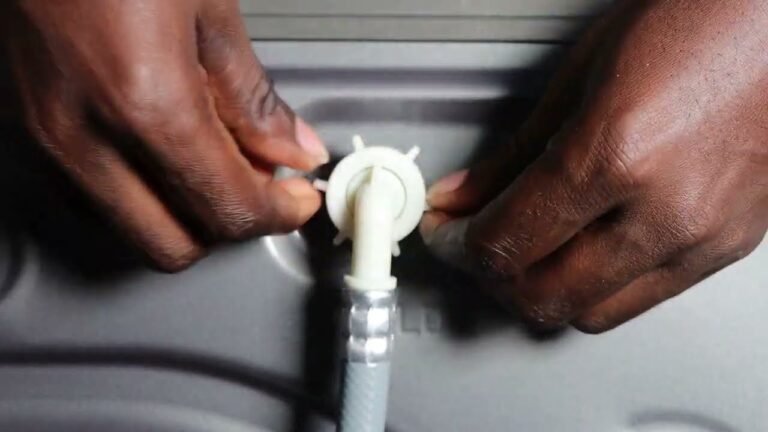
Behind the access panel, you’ll see a small drain hose. It’s usually black and coiled up. Pull it out gently. Unscrew the cap (it might be tight) and let the water drain into your pan. This can take a few minutes. Some machines drain better than others. My old Kenmore barely leaked. This LG? It’s like Niagara Falls. Have a bucket handy if the pan isn’t big enough.
Step 2: Unscrew the Filter
Once the water stops draining, you’ll see the filter itself. It looks like a large cap, probably plastic. Grab it and unscrew it. Again, it might be tight. Turn counter-clockwise. Go slow. More water will likely come out here, even after draining the hose. This is normal. Just let it flow into your pan.
Step 3: The Unveiling (Prepare Yourselves)

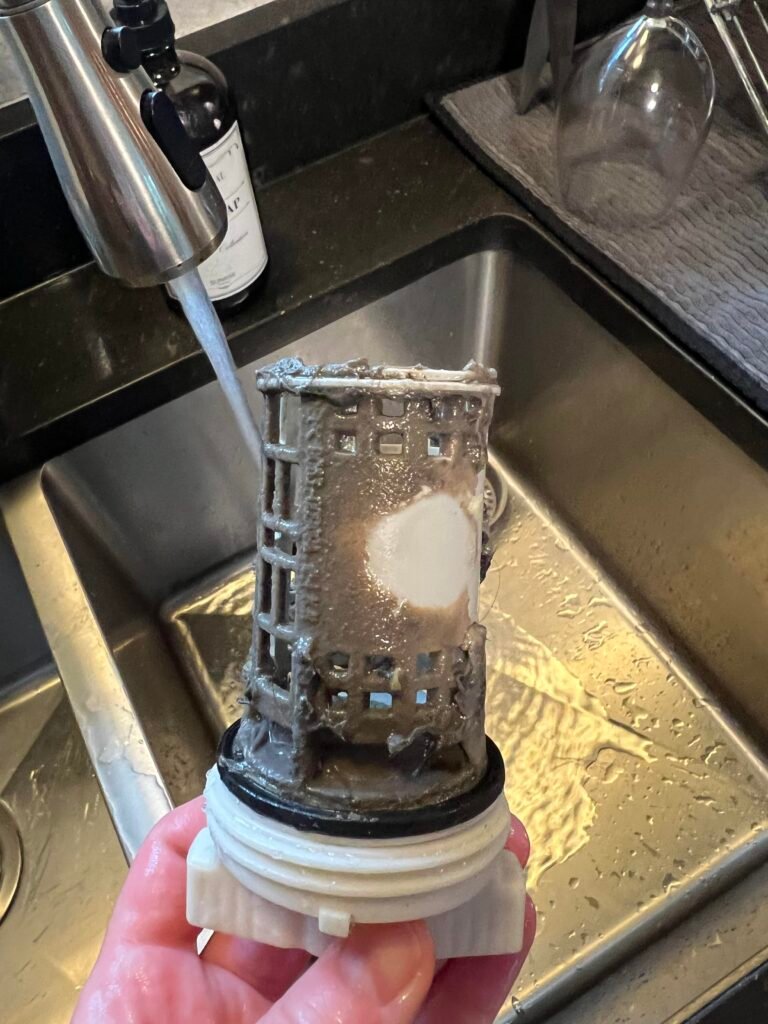
Pull the filter all the way out. Brace yourself. What you see might scar you for life. Hair. Lint. Coins. Buttons. Mysterious goo. Honestly, it’s a museum of forgotten laundry items. I once found a single earring in one. Wondered where that went for years.
Step 4: Clean the Filter Thoroughly
Take the filter to a sink. Rinse it under ruing water. Use your small brush (or that old toothbrush) to scrub away any stubborn debris or mold. Use a little mild detergent or some white vinegar if it’s particularly grimy. Get into all the nooks and craies. Don’t be gentle. This thing’s job is to catch crap.
Step 5: Clean the Filter Housing
While the filter is out, wipe down the inside of the housing where the filter sits. Use a rag or paper towel. Get rid of any sludge you can reach. This is important. Cleaning just the filter isn’t enough if the housing is still coated in gunk.

Step 6: Reassemble
Once everything is clean and relatively dry, carefully screw the filter back into place. Turn clockwise until it’s snug. Don’t overtighten, but make sure it’s secure. Recoect the drain hose and secure its cap. Push the drain hose back into its housing.
Step 7: Close the Access Panel
Snap the access panel shut. If it doesn’t click easily, double-check that the filter and hose are properly seated. Give it a gentle push. That’s it. You’ve done it.
Watch: How to Clean a Washing Machine Filter
How Often Should You Do This? The Real Talk.
Most manufacturers recommend once every 3-6 months. But honestly? It depends on your usage and what you wash. If you have pets, wash a lot of sandy towels, or notice smells, do it more often. I aim for every 2 months. It’s just not worth the risk, frankly.
My sister? She’s a classic ‘set it and forget it’ type. Didn’t clean hers for probably a year. Machine started making this weird grinding noise. Turned out a tiny sock had gotten past the filter somehow and was jamming the pump impeller. Cost her $150 for a tech to remove it. Five minutes of my time saved her $150. And a potential flooded floor.
Troubleshooting: When Things Go Wrong.
Filter Won’t Come Out: Don’t force it. Check your manual. Sometimes there’s a locking mechanism or it needs to be twisted in a specific way. If it’s truly stuck, a service call might be needed, but that’s rare.
Major Water Leak: If you get a torrent of water that won’t stop, even after draining the hose, the filter housing might be damaged, or the filter isn’t seated correctly. Quickly screw the filter back in as tight as you can and call for service. This usually means something broke. That’s why having towels and a pan is CRUCIAL.
Watch: Front Load Washer Pump Clean Out
Machine Still Smells/Doesn’t Drain: The filter might be clean, but the drain pump or hose could be blocked further up. Or you might have mold deeper inside the machine. A vinegar wash cycle might help, but persistent issues need professional attention.
Preventative Maintenance: Keep the Gunk at Bay.
Beyond regular filter cleans, here are a few tips:
:strip_icc()/BHG-How-To-Clean-a-Washing-Machine-Filter-Step-01-c42a1c35e42a4aa983e1a4455aa5d91b.jpg "How To Clean Front Loader Washing Machine Filter 5")
- Check Pockets: Always, always check pockets before washing. Tissues are the worst offenders.
- Lint Catcher: Use a washing machine lint catcher bag for small, delicate items that shed a lot.
- Regular Cleaning Cycles: Run a hot wash cycle with vinegar or a washing machine cleaner (like Affresh) monthly.
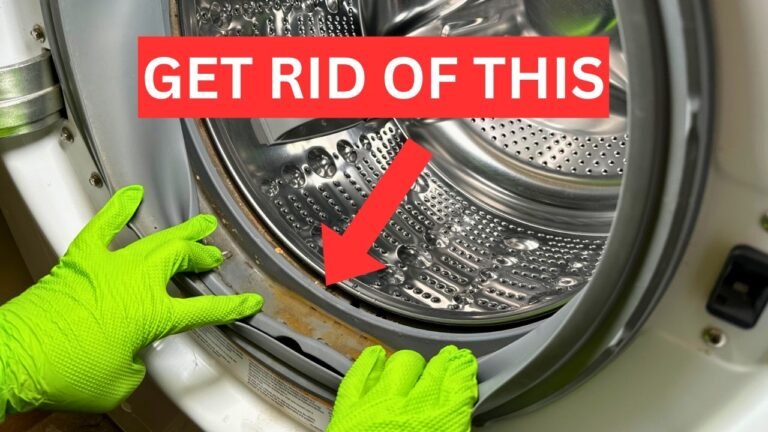
- Leave the Door Ajar: After a wash, leave the door slightly open to allow air circulation. This prevents mold and mildew growth on the seal and inside the drum.
The Filter’s Life Cycle: When to Replace It.
Most filters are made of durable plastic and should last the life of the machine. However, if yours is cracked, warped, or visibly damaged after cleaning, it’s time for a replacement. You can usually order a new one from the manufacturer’s website or a parts supplier using your machine’s model number. They typically cost between $10-$30.
Filter Replacement Cost Example
| Part | Typical Cost Range |
|---|---|
| Replacement Filter | $10 – $30 |
| Professional Installation (if needed) | $75 – $200 |
The key is catching damage during cleaning. A stressed filter might not seal properly, leading to leaks. Better safe than sorry.
Final Thoughts: Don’t Be That Person.
Seriously, how to clean front loader washing machine filter is a chore everyone dreads. But ignoring it is way worse. It’s the difference between a clean-smelling load of laundry and a funk-filled disaster. It’s the difference between a machine that lasts a decade and one that dies after three years. You paid good money for that appliance. Treat it right. Check that filter. Your nose, your wallet, and your sanity will thank you.
Frequently Asked Questions
Do front loader washing machines have a filter to clean?
Yes, absolutely. Front-load washers have a pump filter, usually located behind a small access panel at the bottom front of the machine. It catches lint, debris, and other small items to protect the drain pump.
Do all washing machines have a filter that can be cleaned?
Most modern washing machines, both front-load and top-load, have a filter that is accessible for cleaning. However, the location and ease of access can vary significantly by model and manufacturer. Some older or simpler top-load models might not have a user-accessible filter.
How to deep clean a washing machine front loader?
Deep cleaning involves several steps: first, clean the pump filter as described. Second, clean the rubber door seal, often with a vinegar or bleach solution, paying attention to mold. Third, clean the detergent dispenser drawer. Finally, run a hot cycle with a washing machine cleaner or vinegar to sanitize the drum and internal components.
How to clean mold off the rubber seal on a front load washer?
Mix a solution of equal parts white vinegar and water, or use a diluted bleach solution (1 part bleach to 10 parts water – NEVER mix vinegar and bleach). Apply the solution to the moldy areas on the rubber seal with a cloth or sponge. Let it sit for 10-15 minutes, then scrub gently with a brush and wipe clean. Ensure the seal is dried thoroughly afterward.
What happens if I never clean my washing machine filter?
If you never clean your washing machine filter, you risk several problems: foul odors clinging to your clothes and the machine, reduced draining efficiency leading to longer wash cycles and potential error codes, damage to the drain pump due to blockages, and in severe cases, water leaks or even a complete machine failure. This neglect can significantly shorten the lifespan of your appliance.