How To Clean Fogging Machine
How To Clean Fogging Machine: Stop Your Machine Coughing Up Sadness.
Look, let’s cut the crap. Your fog machine is wheezing. It’s spitting out weak, pathetic puffs of disappointment instead of the glorious, dense clouds you paid for. This ain’t rocket science, but it IS dirty. And if you ignore it? You’re asking for trouble. Big trouble. We’re talking clogged nozzles, burnt-out elements, and odors that could choke a horse.
The thing is, most folks treat these things like disposable lighters. Use ’em ’til they die, then buy another. Dumb. A little TLC, a bit of elbow grease – that’s all it takes. Honestly, if you can’t handle basic maintenance, maybe stick to disco balls.
This guide? It’s goa lay it all out. No fluff. Just the raw, unvarnished truth on how to keep your fogging machine spitting fire, not sputtering dust. We’ll cover everything from the quick-and-dirty flush to the deep-clean that’ll make your machine sing again. Let’s get this done.
Why Bother Cleaning Your Damn Fog Machine?
You think that gunk just magically disappears? Think again. Every time you fire that thing up, residue builds. It’s like plaque on your teeth, but for heating elements and nozzles. Over time, this sludge hardens. It blocks the flow. It makes your machine work harder than it needs to. And harder means hotter. Hotter means shorter lifespan.
I remember one gig back in ’08. Little club, tiny stage. My fogger, bless its heart, hadn’t seen a cleaning rag in months. Mid-set, it just died. Not a sad wheeze, just dead silence. The DJ scrambles, the band’s eyes are wide with panic. The whole vibe? Gone. Ruined. All ’cause I was too damn lazy to do a simple flush. Never again.
Watch: Fog Machine Maintenance How-To
Here’s the brutal reality:
- Clogging and Weak Fog Output: This is the most obvious one. Little to no fog. Or worse, a pathetic wispy trail. Looks amateur. Feels amateur.
- Serious Internal Damage: Overheating melts plastic. It fries circuits. It can permanently wreck your machine. We’re talking hundreds, maybe thousands, in repairs or replacement.
- Unpleasant Burning Odors: Old fluid bakes onto the heating coil. When you fire it up, you get that acrid smell. Kills the atmosphere faster than a bad DJ.
- Drastically Shortened Lifespan: Machines designed to last years can crap out in months if you neglect ’em. Simple math. Neglect = death.
Gathering Your Arsenal: What You Need to Clean a Fogging Machine
Don’t just grab any old crap. You need the right tools for the job. This ain’t brain surgery, but you wouldn’t operate with a rusty butter knife, would ya?
The Essentials:
- Distilled Water: Tap water? No way. Minerals clog shit up. Use distilled. Always.
- White Vinegar (5% Acidity): Your best friend for breaking down residue. Cheap and effective. Don’t skimp on the percentage.
- A Clean Bucket or Container: Big enough to hold your machine’s fluid tank and cleaning solution.
- Clean Rags or Microfiber Cloths: For wiping down the exterior and any accessible parts.
- A Small Brush (Optional but Recommended): Like an old toothbrush or a specialized nozzle cleaner. For those stubborn bits.
- Fuel: Makes pouring easier. Less mess.
- Gloves (Optional): If you hate getting your hands dirty. Fine by me.
- Safety Glasses (Optional but Smart): Protect your eyes, especially if you’re working upside down or there’s a chance of splashing.
The Nitty-Gritty: How To Clean Fogging Machine – Step-by-Step
Alright, saddle up. This is where the magic happens. Or, you know, the cleaning. Remember: safety first. Always unplug the damn thing before you start poking around.

Step 1: Safety First. Unplug the Machine. Seriously.
This should be obvious. But honestly? I’ve seen guys work on live wires. Don’t be that guy. Wait for it to cool down too. Hot metal and flammable fluid? Bad combo.
Step 2: Empty the Tank. All of It.
Pour out any leftover fog fluid. Don’t just let it sit there and get stale. Get a fuel, aim for a designated waste container. Old fluid can go bad, get gunky. Plus, you need an empty canvas for cleaning.

Step 3: The Vinegar Flush – Your First Line of Defense.
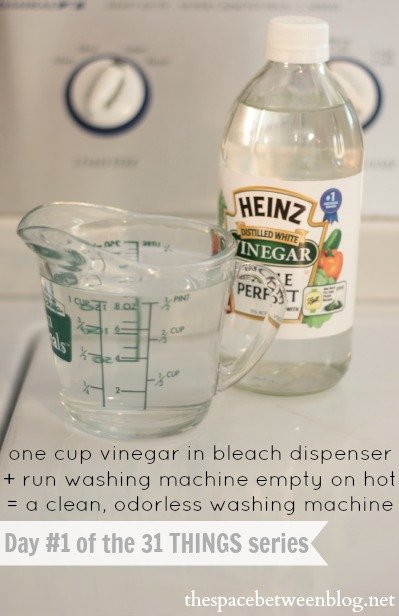
This is the main event for internal cleaning. Most manufacturers recommend a 50/50 mix of distilled water and white vinegar. So, if your tank holds 1 liter, use 500ml water, 500ml vinegar.
Step 4: Fill ‘er Up and Power On (Carefully!).
Pour your cleaning solution into the tank. Make sure it’s within the fill line. Now, plug the machine back in. Let it heat up fully. Don’t put fluid in the tank unless the manual says it’s okay for the cleaning cycle. Some machines have a specific cleaning mode. Others, you just run it like normal.

Step 5: Run the Machine Until Empty.
Once it’s heated, fire it up. Let it run. And run. And run. Until it stops producing fog. You’re essentially pushing the vinegar solution through the heating element and the nozzle. This breaks down the gunk. It’ll likely sputter. It might make weird noises. That’s fine. It’s working.
Step 6: Repeat the Flush if Necessary.
If your machine was really bad, one flush might not cut it. Empty the tank again. Refill with fresh 50/50 vinegar/water. Run it again until empty. Keep doing this until the fog output is strong and consistent. Don’t be afraid to repeat. Better safe than sorry.
Step 7: The Final Rinse with Distilled Water.
This is crucial. You don’t want your next fog session to smell like a salad dressing factory. Once you’ve finished the vinegar flushes, empty the tank. Fill it ONLY with distilled water. Run the machine again until it’s empty. This rinses out all the vinegar residue. Do this at least once, maybe twice, just to be sure.
Watch: How to clean your fog machine – Prepare your fog machine for …
Step 8: Clean the Exterior and Nozzle.
While the machine is warming up or cooling down, wipe down the outside. Use a damp cloth. For the nozzle, if it looks clogged, use that small brush or even a toothpick to GENTLY clear any visible blockage. Be careful not to damage the nozzle itself. Some machines have removable nozzles – if yours does, soak it in vinegar for a bit then clean it.
Pro Tips for Keeping Your Fog Machine Happy
Cleaning is great, but prevention is better. Here’s how to avoid letting your machine turn into a paperweight.
Use Quality Fog Fluid. Period.
This is non-negotiable. Cheap, off-brand fluid? It’s often full of impurities. Those impurities bake onto your heating element. They cause clogs. They smell bad. Spend the extra few bucks on reputable fluid. Your machine will thank you. Think machine longevity, not just immediate cost.
Don’t Let Fluid Sit in the Tank Unused.
When you’re done with a gig or event, empty the tank. Store the fluid in its original sealed container. Letting fog juice sit in the machine, especially in varying temperatures, can cause it to degrade. Gunk formation accelerates.
Proper Storage Matters.
Store your machine upright in a cool, dry place. Make sure the tank is empty. If you’ve stored it for a long time (like, over 6 months), a cleaning flush before use is a damn good idea. You never know what can happen in storage.

Know Your Machine: Read the Manual!
Every machine is different. Some have specific cleaning cycles. Some have different fluid capacities. Some have specific cleaning solution recommendations. The manual is your bible here. Don’t just guess. It’s usually a thin booklet, probably tucked away somewhere. Find it. Read it. Follow it.
Troubleshooting Common Fog Machine Problems
Sometimes, even with cleaning, things go sideways. Here’s what to do.
Machine Not Heating Up:
Could be a fuse. Could be the heating element finally gave up the ghost. Check the power cord. Check the fuse if your machine has an accessible one. If not, it might be time for professional repair or replacement. Honestly, replacing a blown heating element yourself can be a pain in the ass.

Weak Fog Output After Cleaning:
Did you do enough flushes? Is the nozzle completely clear? Double-check everything. Try another cleaning cycle. If it’s still weak, the pump might be failing, or there could be a small crack somewhere in the system causing pressure loss.
Strange Smells (Even After Cleaning):
If it smells like burning plastic, STOP immediately. Turn it off. Let it cool. There might be a blockage that caused overheating, or something else has melted internally. If it smells like rotten eggs or something equally foul, your fog fluid might have gone bad in the tank, or there’s bacteria growth. Empty and flush again.
Watch: How to clean your fog machine and get it working again!
Advanced Cleaning Techniques (Use With Caution)
For machines that are REALLY stubborn, you might need to go a little deeper. But be warned: this increases the risk of damage if you’re not careful.
Soaking Parts:
If your machine has a removable nozzle or fluid intake filter, take it out. Soak it overnight in a 50/50 vinegar/water solution. Then scrub it gently with a small brush. Rinse thoroughly.
Manual Pump Flushing:
Some older or simpler machines might benefit from manually forcing the cleaning solution through. This usually involves discoecting the fluid line from the pump and attaching a syringe filled with the cleaning solution, then carefully injecting it. This is NOT for begiers. Know your machine intimately before attempting this.
A Look at What NOT To Do
You’d be amazed what people try. Don’t be one of them.
DON’T Use Harsh Chemicals:
Bleach? Ammonia? Acetone? Hell no. These can corrode metal parts, degrade plastic, and leave toxic residues. Stick to vinegar and distilled water. It’s safer and effective.
DON’T Submerge Electrical Components:
Obvious, right? But people get stupid when cleaning. Water and electricity? A recipe for disaster. Keep water away from the power supply, circuits, and any exposed wiring.
DON’T Use Abrasive Scrubbers:
Steel wool? Sandpaper? Are you kidding me? You’ll scratch the heating element, damage the nozzle, and generally make things worse. Gentle is key.
The Fog Machine Cleaning Schedule: How Often?
Consistency is key. When should you clean your machine? Depends on usage.
- Heavy Use (Multiple Gigs/Week): Flush after every 20-30 hours of use, or at least once a month. Empty the tank after every event.
- Moderate Use (Few Times a Month): Flush every 2-3 months. Empty tank after each use.
- Light Use (Special Occasions): Flush at least twice a year, or before storing for extended periods. Always empty the tank after use.
The key is to listen to your machine. If it starts acting up, weak fog, strange noises – clean it. Don’t wait for a full-blown breakdown. I learned that lesson the hard way.
Frequently Asked Questions
What’s the best way to clean a fog machine?
The best way involves a cleaning cycle using a 50/50 mixture of distilled water and white vinegar. You run this solution through the machine until it’s empty, then repeat the process with just distilled water to rinse. Always unplug the machine and let it cool before starting, and ensure you empty the tank of old fluid first.
Can you run water through a fog machine to clean it?
Yes, but only distilled water, and primarily as a final rinse after using a vinegar solution. Ruing plain tap water can introduce minerals that contribute to clogs. Distilled water is used for the final rinse to remove any remaining vinegar residue.
What disinfectant is used for fogging?
For cleaning fog machines, the standard is a 50/50 mixture of white vinegar and distilled water. For disinfecting spaces, specific fogging solutions are used, often containing agents like hydrogen peroxide or quaternary ammonium compounds, but these are NOT for cleaning the machine itself. Always use the correct fluid for the intended purpose.
How often do you clean a fog machine?
It depends on usage. For heavy use (20-30 hours/week), clean monthly or every 20-30 hours. For moderate use, every 2-3 months. For light use, at least twice a year. The most important rule: if it starts performing poorly (weak fog, weird noises), clean it immediately.
What if vinegar doesn’t work on my clogged fog machine?
If a standard vinegar flush doesn’t resolve a clog, you might have a particularly stubborn blockage. Try repeating the vinegar flush multiple times, letting the solution sit in the tank for an hour between cycles (without ruing it). If that fails, carefully inspect the nozzle for physical blockages you can gently clear with a toothpick or fine wire. For severe clogs, professional servicing or considering replacement might be necessary, as forcing the issue with harsher chemicals or methods can permanently damage the machine.