How To Clean Espresso Machine Vinegar
How To Clean Espresso Machine Vinegar: A Brutal, Honest Guide
Look, you bought a fancy espresso machine. Don’t be an idiot and ruin it with the wrong cleaner. Vinegar. Yeah, I said it. It’s cheap. It’s accessible. But is it the right damn tool for the job? That’s the million-dollar question, isn’t it?
The thing is, most of you are probably googling How To Clean Espresso Machine Vinegar because your machine’s acting up. Water tastes fuy. Steam pressure’s gone south. Or worse, it’s making a noise like a dying badger. Probably mineral buildup. And yeah, vinegar can break that down. But at what cost?
I’ve seen too many machines trashed by people who think vinegar is some kind of miracle cure. They dump the whole bottle in, run it through, and BAM. Machine’s dead. Or worse, it still works, but every espresso tastes like a salad bar.
Let’s get one thing straight: this isn’t your grandma’s coffee pot. These machines are precision instruments. They cost hundreds, sometimes thousands. You wouldn’t pour cheap oil in a Ferrari, would you? So why are you considering a cheap acid bath for your espresso maker?
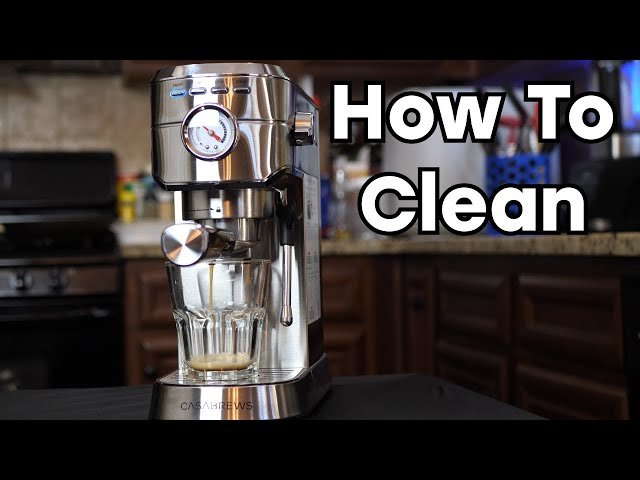
Watch: Cleaning Espresso Machine with Vinegar
The Vinegar Debate: Why It’s a Gamble
Vinegar is acetic acid. It’s good at dissolving calcium carbonate that’s the limescale building up in your boiler and pipes. Simple enough, right? Wrong.
The problem isn’t dissolving the scale. It’s the aftermath. Vinegar’s smell lingers. It’s corrosive. And if you don’t rinse it out perfectly, you’re goa be tasting it for weeks. And that smell? It can get into your machine’s plastic and rubber components. Permanent stink.
I remember my buddy, Dave. Bought a shiny Gaggia Classic Pro. Thought he was a coffee god. Saw a YouTube video. Dumped straight vinegar in. No dilution. No specific instructions. Just pure, unadulterated vinegar power. Two weeks later? The steam wand was hissing like a snake, and his shots tasted like ass. He never did get that metallic tang out.
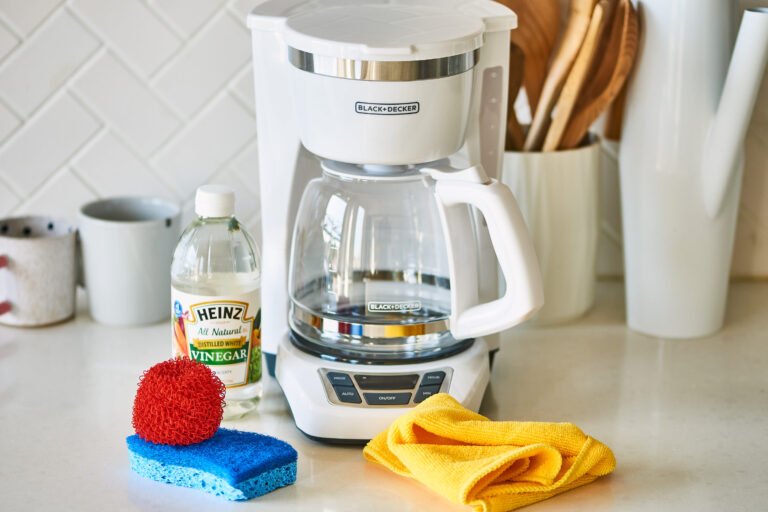
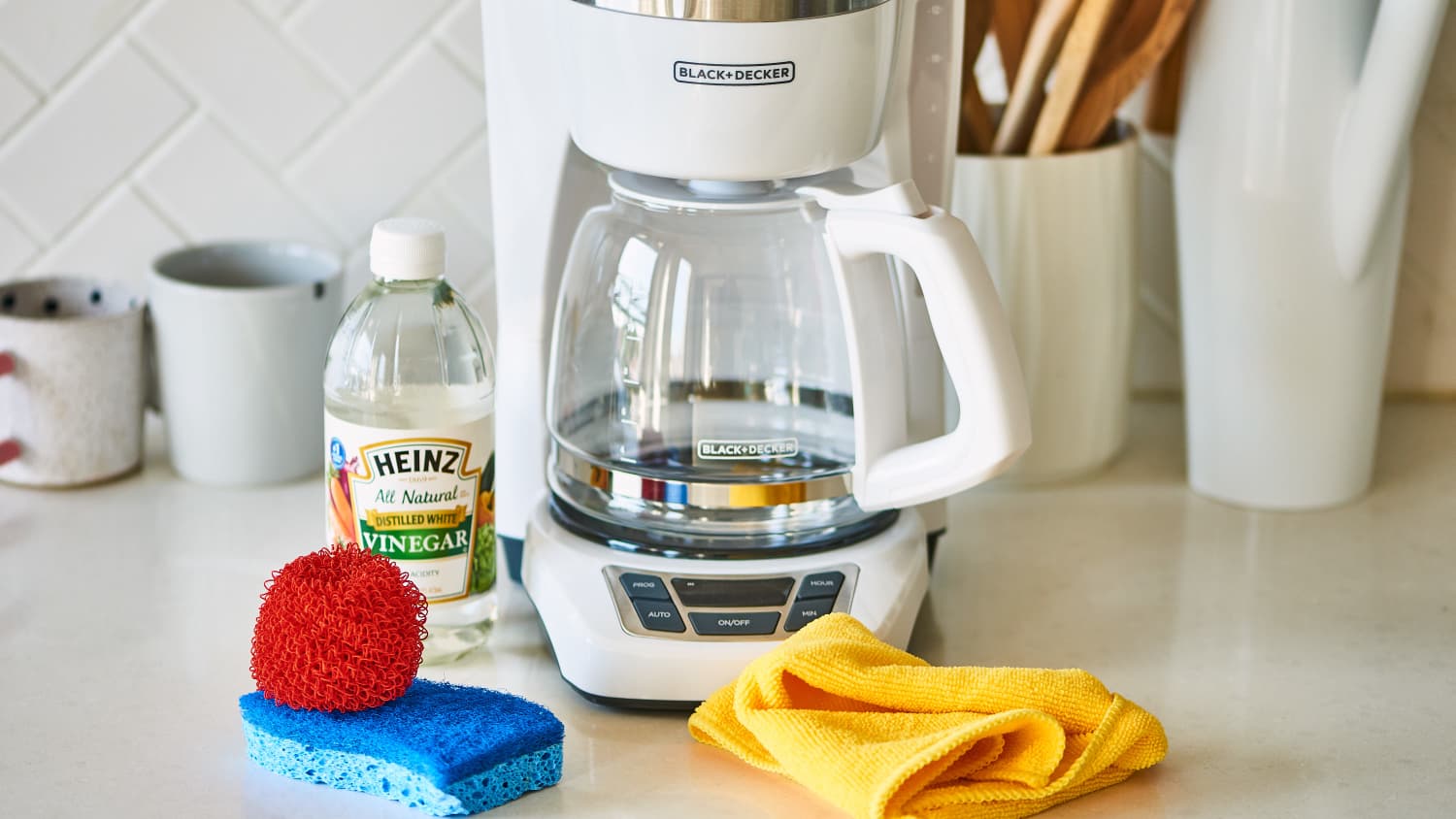
:max_bytes(150000):strip_icc()/clean-coffee-maker-with-vinegar-1907384_FINAL-3af08744866e446da1d71fb372e8270c.png "How To Clean Espresso Machine Vinegar 1")
When Vinegar Might Be Okay (Use Extreme Caution!)
Look, I’m not saying vinegar is never an option. But it’s a last resort. And only if you know exactly what you’re doing. And even then, I’d probably tell you to shove it.
For most home machines, especially those with delicate aluminum or brass parts, vinegar is playing with fire. Your machine manufacturer probably has a specific descaling solution they recommend. Guess what? It’s usually not vinegar.
If you absolutely must go the vinegar route:

- Dilute, Dilute, Dilute: We’re talking 50/50 at most. Maybe even 25/75 vinegar to water. Seriously.
- Short Contact Time: Don’t let that stuff sit. Run it through. Rinse. Repeat. Don’t soak.
- Rinse Like Your Life Depends On It: Flush the machine with plain water multiple times. More than you think you need.
The Better Way: Dedicated Espresso Machine Descalers
Honestly, why are we even having this conversation? There are products made for this. They work. They’re formulated to be safe for your machine’s internals. They don’t leave a smell that could double as a pickle factory.
These cleaners are typically citric acid-based or a blend of specific acids designed to tackle scale without damaging components. They cost a few bucks more. But compared to a new espresso machine? It’s peanuts.

I used to service machines back in the day. Saw the carnage. A guy brings in a La Marzocco, top-of-the-line, $8,000 machine. Said he used vinegar. The entire boiler was corroded. Cost him three grand to fix. Three. Grand. For using the wrong damn cleaner.
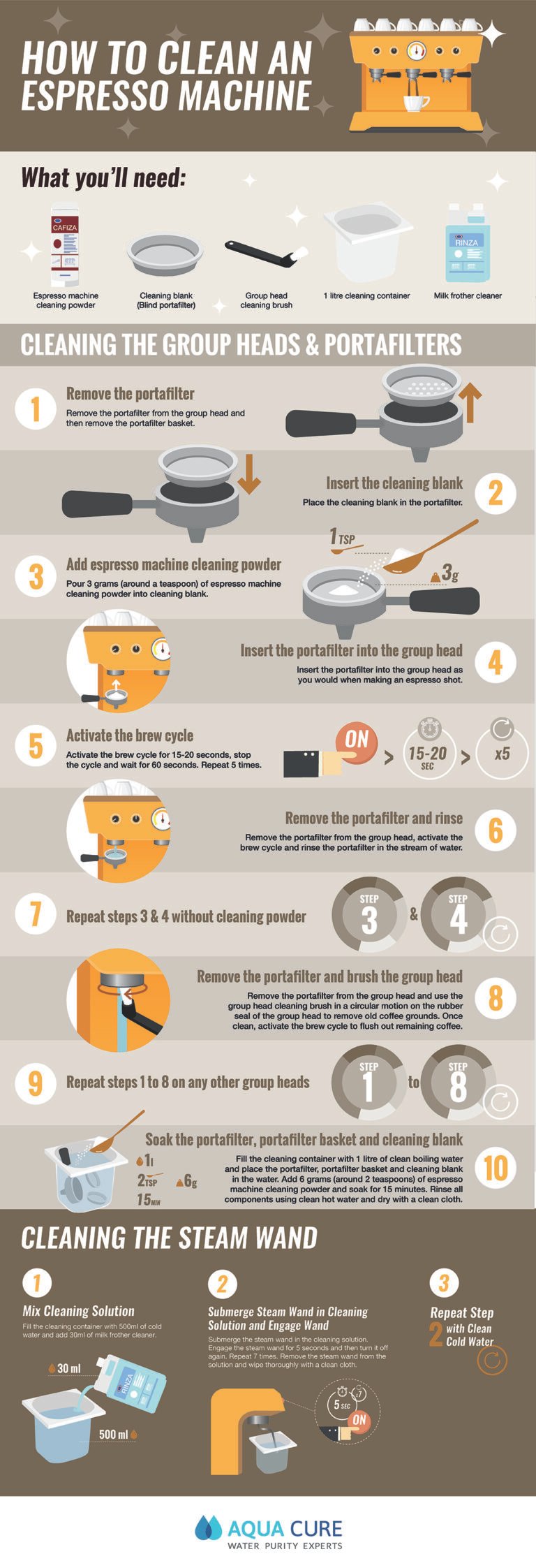
Step-by-Step: Descaling With a Proper Cleaner (Not Vinegar!)
This is how you do it. The right way.
1. Gather Your Supplies
You’ll need:

- A commercially available espresso machine descaling solution (check your manual for recommendations).
- A clean container for the solution.
- A clean container for wastewater.
- A damp cloth.
- Your espresso machine’s manual (don’t lose it!).
2. Prepare the Machine
First things first. Turn off and unplug the machine. Let it cool down. Empty the water reservoir. Remove any coffee grounds from the portafilter and basket. Make sure the drip tray is empty too.
3. Mix the Descaling Solution
Follow the instructions on your descaling product’s packaging. This is crucial. Most call for mixing a specific amount of the cleaner with a certain volume of water in the reservoir. Do NOT eyeball this. Measure it out. Accuracy matters here.
4. Run the Solution Through the Group Head
Fill the reservoir with your mixed solution. Turn the machine back on. Place your empty container under the group head. Run a few cycles of hot water through. Let the machine sit for 10-15 minutes (check your descaler’s instructions for specific soak times). Then, run another cycle or two.
5. Clean the Steam Wand and Hot Water Dispenser
If your machine has a steam wand or hot water dispenser, purge the descaling solution through them as well. This ensures the entire water circuit gets cleaned. Make sure to run a good amount of solution through these, too.
6. Rinse, Rinse, Rinse!
This is where you get rid of the cleaner. Empty the reservoir. Fill it with fresh, clean water. Run multiple cycles of plain water through the group head, steam wand, and hot water dispenser until you can no longer detect any smell or taste of the descaler. Seriously, keep flushing. This is non-negotiable.
Watch: Kitchen Cleaning : How to Clean an Espresso Maker With …
7. Clean External Parts
While the machine is rinsing, wipe down the exterior, portafilter, and steam wand with a damp cloth. Use a soft brush to clean any stubborn bits around the group head.
8. Final Flush and Reassembly
Do one last full reservoir flush with clean water. Reassemble any parts you removed. Turn off the machine, unplug it, and let it dry.
Watch: DESCALE With VINEGAR Mr Coffee Espresso Cappuccino …
Frequency: How Often Should You Descale?
This depends heavily on your water hardness and how much you use your machine. A general rule of thumb is every 1-3 months.
Hard water areas? You might need to do it monthly. If you notice slower brewing times, decreased steam pressure, or odd noises, it’s time to descale. Don’t wait for disaster.
The Cost of Neglect: What Happens If You Don’t Descale?
Ignoring descaling is like ignoring a persistent cough. It’s going to get worse. Mineral buildup clogs your machine’s heating element, pump, and valves. This leads to:
- Reduced Temperature Stability: Your espresso will be lukewarm. No good.
- Lower Pressure: Shots pull too fast. Under-extracted, sour coffee.
- Component Failure: Heating elements burn out. Pumps seize up. Valves leak.
- Complete Machine Failure: We’re talking expensive repairs or a new machine altogether.
I saw a Breville Barista Express once, barely two years old. Clogged solid. User refused to descale. The thermoblock cracked. Cost more to fix than a new machine. Dumb. Just plain dumb.
Table: Descaling Frequency Guide
| Water Hardness | Machine Usage | Recommended Descaling Frequency |
|---|---|---|
| Soft | Light (1-2 drinks/day) | Every 3-4 months |
| Soft | Heavy (5+ drinks/day) | Every 2-3 months |
| Medium | Light (1-2 drinks/day) | Every 2-3 months |
| Medium | Heavy (5+ drinks/day) | Every 1-2 months |
| Hard | Light (1-2 drinks/day) | Every 1-2 months |
| Hard | Heavy (5+ drinks/day) | Monthly or as needed |
Water hardness varies by region. You can buy inexpensive water testing kits to find out your level. Or check your local water authority’s website. Knowledge is power, people.
Vinegar vs. Dedicated Descaler: The Final Verdict
To be fair, if you’re in a bind, have extremely hard water, and your machine is a simple boiler system with no delicate electronics, a highly diluted vinegar solution might work in an absolute emergency. But it’s a risk.
The overwhelming consensus among professionals and experienced baristas is to use a dedicated descaling solution. It’s safer, more effective, and won’t leave your coffee tasting like a deli counter.
Save yourself the headache. Save your machine. Buy the right cleaner. It’s not rocket science. It’s espresso machine maintenance. Don’t screw it up.
Frequently Asked Questions
How long to let vinegar sit in an espresso machine?
If you absolutely insist on using vinegar, never let it sit for more than 15-20 minutes, and even then, it should be heavily diluted (50/50 or less vinegar). It’s highly corrosive and can damage internal components and leave a lasting taste. Most experts strongly advise against using vinegar for this reason.
Is it okay to use distilled white vinegar to clean my espresso machine?
While distilled white vinegar is a common household cleaner, it’s generally not recommended for cleaning espresso machines. Its acidity can be too harsh for the internal components, especially aluminum and brass parts, leading to corrosion and damage. It also leaves a persistent odor and taste that’s difficult to remove.
What is the best alternative to vinegar for descaling an espresso machine?
The best alternative is a commercially produced espresso machine descaling solution. These are specifically formulated with safe acids (like citric acid) that effectively remove mineral buildup without damaging your machine’s delicate parts. Always check your machine’s manual for specific recommendations.
How often should I descale my espresso machine?
The frequency depends on your water hardness and how often you use your machine. As a general guideline, descale every 1-3 months. If you have hard water or use your machine heavily, you may need to descale more often, perhaps monthly. Signs like slower brewing or reduced steam pressure indicate it’s time.
Can using vinegar damage my espresso machine?
Yes, absolutely. Vinegar is acidic and can corrode metal components like boilers, heating elements, and pipes over time, especially if used improperly or too frequently. It can also degrade rubber seals and gaskets, leading to leaks. The lingering taste and smell are also significant drawbacks.