How To Clean Electrolux Front Load Washing Machine
Your Electrolux Front Load Washer is FILTHY. Here’s How To Clean It.
Look, let’s cut the crap. Your front load Electrolux. It stinks. It’s probably got black gunk. Mold. Smells like gym socks after a marathon. If you don’t know how to clean an Electrolux front load washing machine, you’re part of the problem. You bought a fancy machine, but you’re treating it like a dumpster. Shameful.
Honestly, it’s not rocket science. But most people screw it up. They think a “clean washer” cycle is magic. It’s not. It’s a band-aid. You gotta get your hands dirty. Rip this thing apart. Scrub it. Like you mean it.
I remember my neighbor, bless her heart. Her machine sounded like a dying walrus. Black slime oozing from the door. She’d just run another load. Said it was “fine.” The thing is, it wasn’t fine. It was a biohazard. She finally called me. Took me an hour. Now? Silence. Cleanliness. You can do this too. Probably.

Why Your Electrolux Needs This. NOW.
Front loaders. They’re efficient. Save water. Save energy. All that jazz. But they trap moisture. Like a swamp. That’s mold’s wet dream. Plus, detergent residue. Fabric softener gunk. It all builds up. Creates a breeding ground for bacteria. Smells. Stains. Your clothes come out dirtier. Seriously.
Think about it. You wash your clothes in a dirty machine. What’s the point? You’re just moving the grime around. Making your whites dingy. Your delicates smell. And don’t get me started on allergens. Dust mites. They love a damp, dark washing machine. Yum.
The thing is, Electrolux machines aren’t cheap. You paid good money for that sleek design. For that energy rating. Don’t let neglect turn it into a stinking, moldy mess. A few hours of elbow grease now saves you a thousand headaches later. And probably a new machine.
The PREP Work: Gear Up, You Grimy Gambler
Before you start hacking away, get your tools. You’ll need:
- Gloves: Rubber. Thick ones. You don’t want that slime on your hands. Trust me.
- Microfiber cloths: Plenty. For wiping. For polishing.
- Old toothbrush or small scrub brush: For the nooks. The craies.
- Bucket or basin: For soaking parts. For holding dirty water.
- White vinegar: Cheap. Effective. Smells like regret, but it works.
- Baking soda: Your anti-odor buddy.
- Bleach (Optional, USE WITH CAUTION): For the truly stubborn mold. More on this later.
- Spray bottle: For your cleaning solutions.
- Screwdriver/Pliers (Maybe): If you need to remove the dispenser.
Get this stuff ready. Don’t be the guy who starts cleaning and then has to stop ’cause he needs a rag. Amateur hour.
Step 1: The Gasket Gauntlet. Attack the Door Seal.
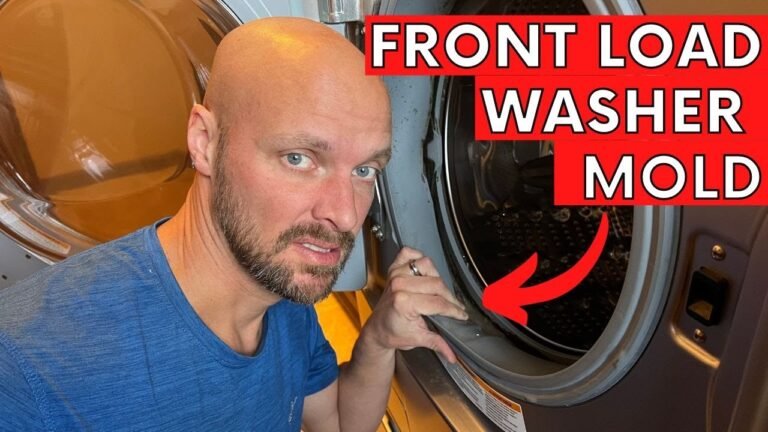
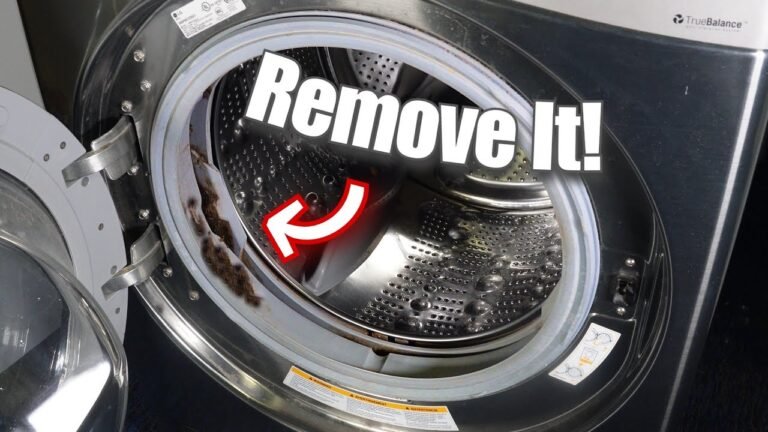
This is Ground Zero. The rubber seal around the door. It’s a black hole of despair. Pull it back. Gently. You’ll see it. Black streaks. Grime. Stuff you don’t want to identify. Seriously, it’s grim.
Spray a 50/50 mix of white vinegar and water directly onto the seal. Let it sit for 5-10 minutes. Then, grab a microfiber cloth. Wipe. Scrub. Get into every fold. Rinse the cloth often. Repeat. If it’s really bad, use a bit of bleach mixed with water (1 part bleach to 10 parts water). BUT. VENTILATE. And never mix bleach and vinegar. That’s a chemical clown show.
Watch: How To Clean an Electrolux Front Loading Washing Machine
My sister-in-law’s machine. The gasket looked like it was coated in tar. She’d never cleaned it. Ever. Just wiped the outside. Foolish. After a good scrub with vinegar, it looked almost new. Almost. But way better. She was shocked. Said she felt like she’d uncovered a treasure.
Step 2: The Drawer Debacle. Clean the Dispenser.
That little plastic drawer where you put your detergent. It’s a festering cesspool. Pull it out. Most Electrolux models have a release button. If not, check your manual. Look for a tab.
Once it’s out, you’ll see the horror. Mold. Slimy residue. Dried-up detergent. Soak it in hot, soapy water. Or a vinegar-water mix. Use that toothbrush. Scrub the inside. The little chaels. Get every bit of gunk out. Rinse it thoroughly. Dry it. Leave it out to air dry completely before putting it back.
I saw one dispenser once that was practically fused shut with goo. Took serious effort. And a decent amount of soaking. It’s crucial. This is where the fresh stuff goes in. You want it clean. Not festering.
Watch: How to Clean & Care For Your Front Load Washer
Step 3: The Drum Dunk. Run a Cleaning Cycle.
Now for the main event. The drum itself. First, leave the door open for a bit. Let it air out. Then, you’ve got options.
Option A (Vinegar): Pour 2 cups of white vinegar directly into the drum. Run the hottest, longest cycle your machine has. A “Heavy Duty” or “Sanitize” cycle works well. The vinegar will break down residue and kill some bacteria. It’s DIY. It’s cheap. It works.
Watch: Clean your front load washing machine
Option B (Commercial Cleaner): Use a dedicated washing machine cleaner. Follow the product instructions. These are formulated to tackle grime. Sometimes they work better than vinegar. Brands like Affresh are popular. But they cost more. To be fair, if you’ve let it go for years, this might be your best bet.
Option C (Bleach – LAST RESORT): If mold is REALLY bad, and vinegar isn’t cutting it, you can use bleach. Add 1/2 cup of bleach to the dispenser or directly into the drum (check your manual). Run the hottest cycle. AGAIN: NEVER MIX BLEACH AND VINEGAR. VENTILATE. Bleach is harsh. Use it sparingly.
Step 4: The Filter Fiasco. Drain Pump Rescue.
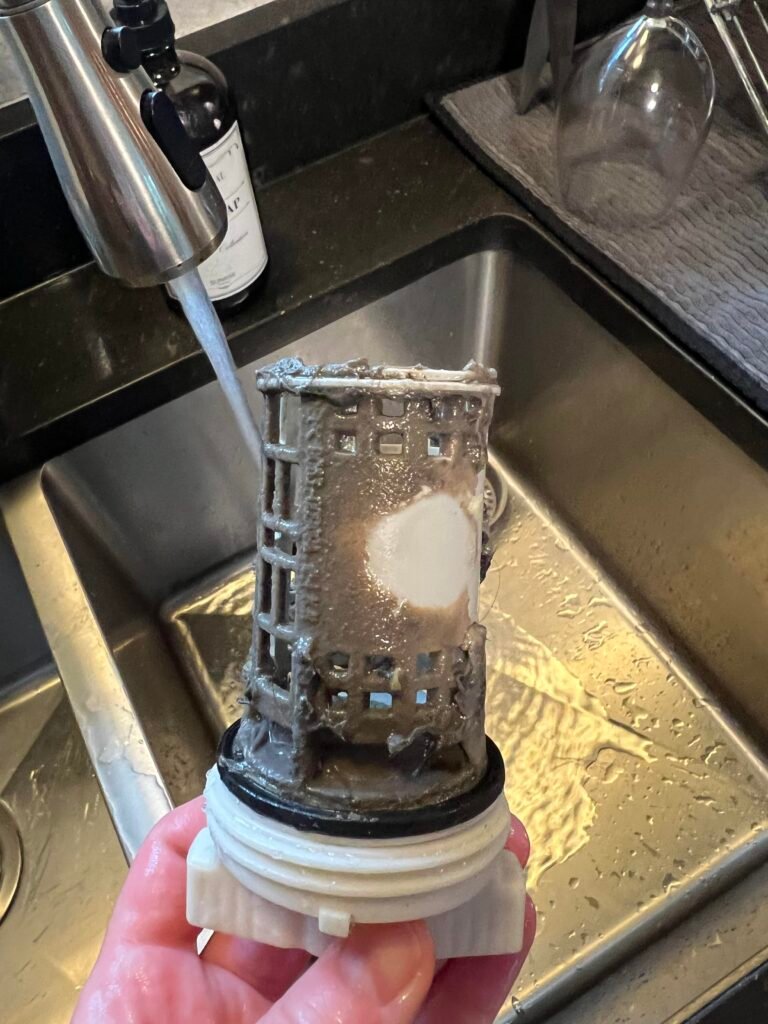
This is the one most people skip. BIG mistake. Your front loader has a filter. Usually behind a small door near the bottom. It catches lint, coins, buttons, all sorts of junk. If it’s clogged, your machine won’t drain properly. Smells get worse. Drainage issues arise.
Place a shallow pan or some towels under the filter access. Slowly unscrew the filter cap. Water will come out. Let it drain into the pan. Once the water stops, remove the filter completely. Clean it under ruing water. Use that toothbrush to get any stubborn bits off. Check the housing for debris too. Screw it back in securely. VERY important.
I once pulled a wad of hair, three socks, and about $2.50 in change out of a filter. True story. The owner was baffled. Said her machine was making fuy noises. Yeah, no kidding. She’d never cleaned the filter. Ever. It’s disgusting. But necessary.
Step 5: The Exterior Evisceration. Wipe Down.
Don’t forget the outside. It gets dusty. Streaky. Probably has detergent spills on it too. Grab a clean, damp microfiber cloth. Wipe down the entire exterior. The control panel. The door. The sides. The top.
For stubborn spots, use a little diluted vinegar or mild soap. Avoid abrasive cleaners. They’ll scratch the finish. Make sure to dry it off with a clean, dry cloth afterward. A shiny machine is a happy machine. Or something like that.
Step 6: The Reassembly Ritual. Put it Back Together.
Once all the parts are clean and dry, put them back. The dispenser drawer. The filter. Close all access panels. Make sure everything is snug. Secure. No loose bits. You don’t want things falling off mid-cycle.
Leave the main door slightly ajar when the machine isn’t in use. This allows air to circulate. Prevents moisture buildup. Stops that mold from coming back. It’s a simple habit. But it makes a huge difference.
Step 7: The Final Flush. Sanitize and Shine.
One last run. Use the “Clean Washer” cycle if your Electrolux has one. Or run another hot, long cycle. This time, empty. It rinses away any residual cleaning solutions. And gives the whole system one final blast of hot water. Ensures everything is sparkling clean. Or as clean as a washing machine gets.

You should notice a difference immediately. No more funk. No more weird smells. Just clean clothes. From a clean machine. Imagine that.
Maintenance Matters: Keep the Grime Away.
This isn’t a one-and-done job. You gotta keep up with it. How often? Depends on usage. But generally:
- Monthly: Clean the gasket and dispenser. Run a hot cycle with vinegar. Check the filter.
- Quarterly (or if smells return): Deep clean the drum with a cleaner or bleach (carefully!). Deep clean the filter.
Pro-Tip: Leave the door open after every wash. Always. And maybe use less detergent. Too much soap causes buildup. It’s the number one culprit, honestly.
A little effort goes a long way. Don’t let your fancy Electrolux turn into a science experiment. Keep it clean. Keep it ruing right. Your clothes. And your nose. Will thank you.
Frequently Asked Questions
How do I clean the rubber seal on my Electrolux front loader?
Pull back the rubber gasket gently. Spray a 50/50 mix of white vinegar and water onto the seal. Let it sit for 5-10 minutes. Use a microfiber cloth to scrub away grime and mold. Rinse the cloth frequently. For tough spots, a diluted bleach solution (1:10 bleach to water) can be used, but ensure good ventilation and never mix bleach with vinegar.
Can I use vinegar to clean my Electrolux washing machine?
Yes, absolutely. White vinegar is a fantastic, cheap, and effective cleaner for washing machines. You can pour about 2 cups directly into the drum and run a hot, long cycle. It helps break down detergent residue, kill bacteria, and combat odors. It’s a great go-to for regular cleaning.
How do I deep clean my front load washing machine?
A deep clean involves tackling every component. Start by thoroughly cleaning the door seal and detergent dispenser. Then, run a very hot, long cycle with a dedicated washing machine cleaner or a bleach solution (if necessary and used carefully). Crucially, don’t forget to remove and clean the drain pump filter, which often harbors significant gunk. Finally, wipe down the entire exterior. This should be done every 3-6 months, or whenever you notice persistent odors.
How often should I run the self-clean or tub clean cycle on my Electrolux?
If your machine has a specific “Clean Washer” or “Tub Clean” cycle, use it monthly. If not, perform a hot, long wash with vinegar or a cleaner at least once a month. Regular cleaning prevents the buildup of mold, mildew, and detergent residue that causes odors and can damage your machine over time.
What can I do if my Electrolux washing machine still smells after cleaning?
If odors persist after a thorough cleaning, check the drain pump filter again – it might be clogged with something organic that needs removal. Ensure you’re leaving the door ajar between washes to allow air circulation. You might also need to repeat the deep cleaning process, perhaps using a stronger commercial cleaner or a carefully managed bleach cycle. Double-check that you’re not using too much detergent or fabric softener, as excess can cause buildup and lingering smells.