How To Clean Delonghi Nespresso Machine
Stop Fumbling. Start Brewing. How To Clean Delonghi Nespresso Machine: The REAL Dirt.
Look, nobody buys a fancy DeLonghi Nespresso for the fun of cleaning it. You want coffee. Fast. Delicious. But if you ignore the gunk? You’re brewing sludge. And your machine? It’s dying a slow, chalky death. Honestly. This isn’t some delicate flower operation. This is about getting your caffeine fix without tasting last week’s espresso grounds. We’re talking grit, grime, and how to obliterate it. You need to know how to clean Delonghi Nespresso machine, period.
I remember my first DeLonghi. Beautiful machine. Thought I could just wipe it down. Wrong. Coffee oils build up. Mineral deposits? They’re like tiny, calcified barnacles clinging to your heating element. The thing is, neglecting this means bad coffee. It means repairs you didn’t budget for. It means that satisfying whirr becomes a death rattle. So, let’s get down to brass tacks. No fluff. Just the facts. How to clean Delonghi Nespresso machine and keep it ripping.

Why Bother? Your Coffee’s Life Depends On It.
This isn’t rocket science. It’s basic hygiene. For your beloved coffee maker. Think about it. Every single time you brew, you’re leaving behind residue. Coffee oils. Microscopic bits of bean. And if you’re using tap water? Oh boy. That’s where the limescale comes in. These deposits aren’t just ugly. They clog your pipes. They wreck your heating element’s efficiency. Your coffee gets weak. Tastes off. Sometimes bitter. Sometimes… just sad.
The worst part? You might not even notice it at first. It’s gradual. That perfect crema? It starts looking… tired. The aroma? Fades. To be fair, it’s easy to overlook when you’re half-asleep, needing that first jolt. But your DeLonghi Nespresso machine is screaming for attention. Ignoring it is like skipping oil changes on your car. Eventually, it breaks down. Big bills. Headaches. And zero coffee. Not a good look.
The Arsenal: What You Actually Need
Forget fancy gadgets. You don’t need a hazmat suit. Just a few basics. Gather this stuff before you start. Makes the process smoother. Less chance of stopping midway because you’re hunting for a damp cloth.
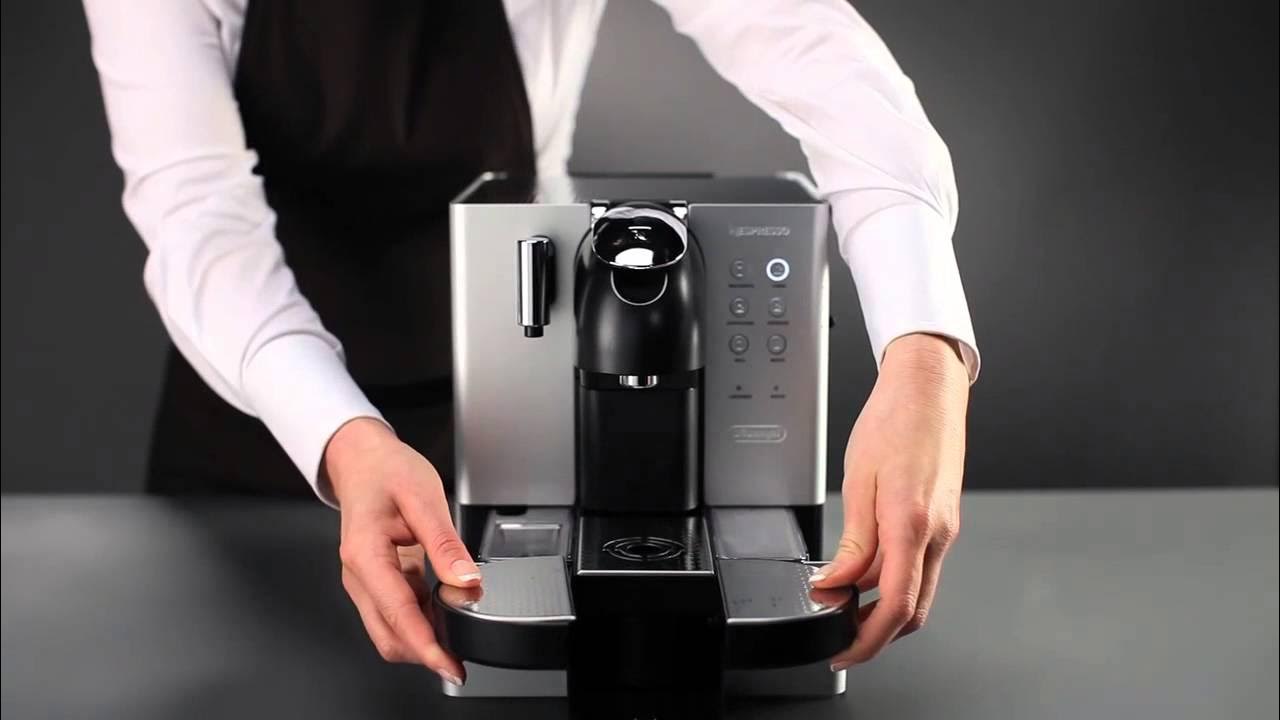
Water Tank & Drip Tray Duty
This is ground zero. Your water tank can get slimy. That drip tray? Collects more than just drips. It’s a breeding ground for… well, you don’t want to know. Grab a soft cloth. Maybe a gentle sponge. Mild dish soap is fine here. Nothing abrasive. We’re cleaning, not sanding.
The Descaler: Your Chemical Warfare
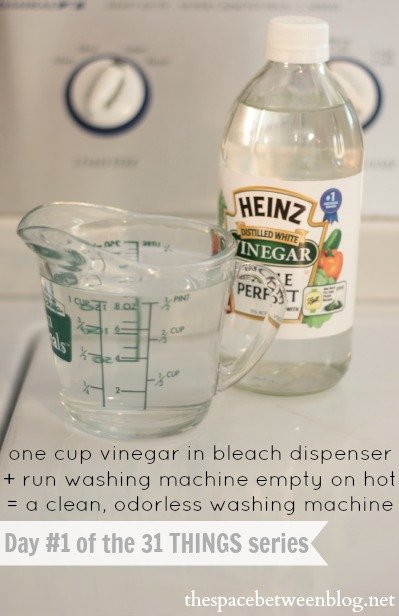
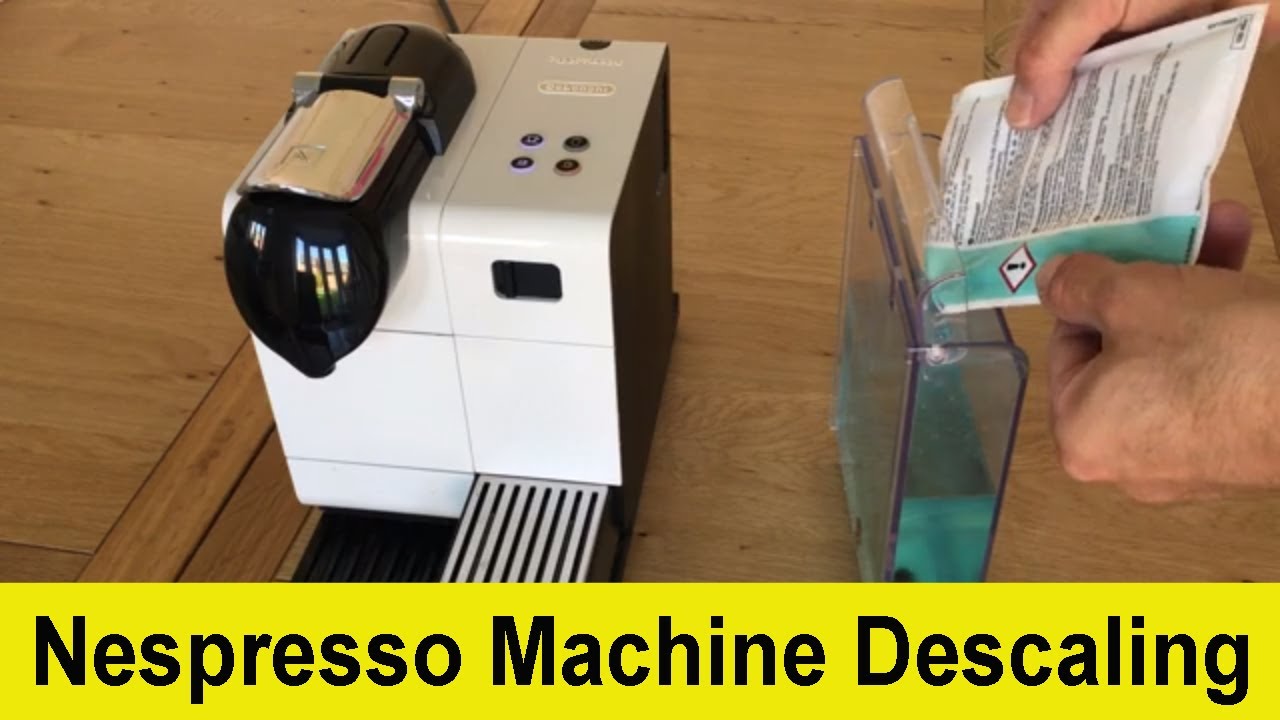
This is non-negotiable. You NEED a Nespresso descaling kit. Or a good quality descaler specifically for coffee machines. Do NOT use vinegar. Seriously. Vinegar is acidic, yeah, but it leaves a smell. It can damage internal components over time. DeLonghi recommends their own stuff. It works. It’s designed for the job. A small bottle usually costs around $15-$20. Worth every pey. Trust me.
Cleaning Brushes: Getting into Nooks
A small, stiff brush is your best friend. Think like a toothbrush, but maybe a bit sturdier. You need to scrub around the brew head. Get into corners the cloth can’t reach. Some machines come with a little cleaning tool. If not, a cheap toothbrush will do in a pinch. Just don’t use your spouse’s.
Lint-Free Cloths: The Polish
Microfiber cloths are ideal. They won’t leave little fuzzy bits behind. You’ll need a couple. One for rinsing, one for drying and polishing. Don’t skimp on this. Hairs in your espresso? No thanks.
The Grand Plan: Step-by-Step Aihilation
Alright, let’s do this. This guide is for most DeLonghi Nespresso models, but always check your manual. Specifics vary. But the core principles? Universal. We’re aiming for a deep clean here. A full system flush.
Step 1: The Pre-Game Ritual
First things first. Unplug the damn thing. Safety first, always. Empty the capsule container. Chuck out any used pods. Seriously, don’t let those sit. Give the drip tray a good wash. Rinse the water tank. Make sure it’s clean inside. No visible gunk. If it’s looking really rough, a quick scrub with soap and water won’t hurt. Then rinse thoroughly.
Step 2: Tank Prep – The Limescale Offensive
Fill the water tank. Not with tap water. Use fresh, cold water. And add your descaling solution. Follow the instructions on the descaler bottle. Usually, it’s a specific ratio. Mix it well. Ensure it’s fully dissolved or dispersed. This is the fluid that’s going to dissolve all that nasty buildup. Don’t guess the amount. Use the markings on the tank or the descaler bottle.
Step 3: The Descaling Cycle – Let the Magic Happen
Place a large container. A jug or bowl. Something that can hold at least a liter of liquid. Put it under the coffee spout. This is where the dirty work happens. Turn the machine on. If your machine has a specific descaling mode, activate it. Consult your manual. If not, you’ll need to initiate a brew cycle. Let the machine run about half the descaling solution through. Then, stop it. Let it sit for 15-30 minutes. This gives the solution time to work its magic. Breaking down all that mineral sludge. It’s crucial you let it sit. Don’t rush this part. The dwell time is key.
Step 4: Flush the System – Rinse and Repeat
After the soak, run the rest of the descaling solution through the machine. Another brew cycle. Or let the descaling mode finish. Again, empty the container underneath. You’ll see the fluid coming out. It might be cloudy. Might have bits in it. That’s good. That’s the gunk leaving the building. Once it’s all run through, discard the dirty liquid. Rinse the drip tray and water tank again. Seriously, rinse them well.
Step 5: The Fresh Water Flush – Pure Hydration
Now, refill the water tank. Use only fresh, clean water. No descaler this time. Place your empty container back under the spout. Run a full brew cycle. Or the descaling mode again if it’s still active. Let the entire tank of fresh water run through the machine. This is vital. It flushes out any residual descaling solution. You don’t want your next espresso tasting like chemicals. Run the whole tank. Then repeat this fresh water flush. One more full tank of clean water. Two flushes minimum. This ensures no trace of the descaler remains. Clean coffee, here you come.
Step 6: External Shine – The Finishing Touches
Wipe down the exterior. Use a damp cloth. Get rid of any coffee splashes or fingerprints. Polish it up. Make it look as good as it brews. Pay attention to the capsule lever area. Sometimes grounds get stuck there. Use your small brush if needed. Ensure all removable parts like the drip tray and capsule holder are dry before reassembling.
Special Cases: Milk Frothers and Grumpy Bits
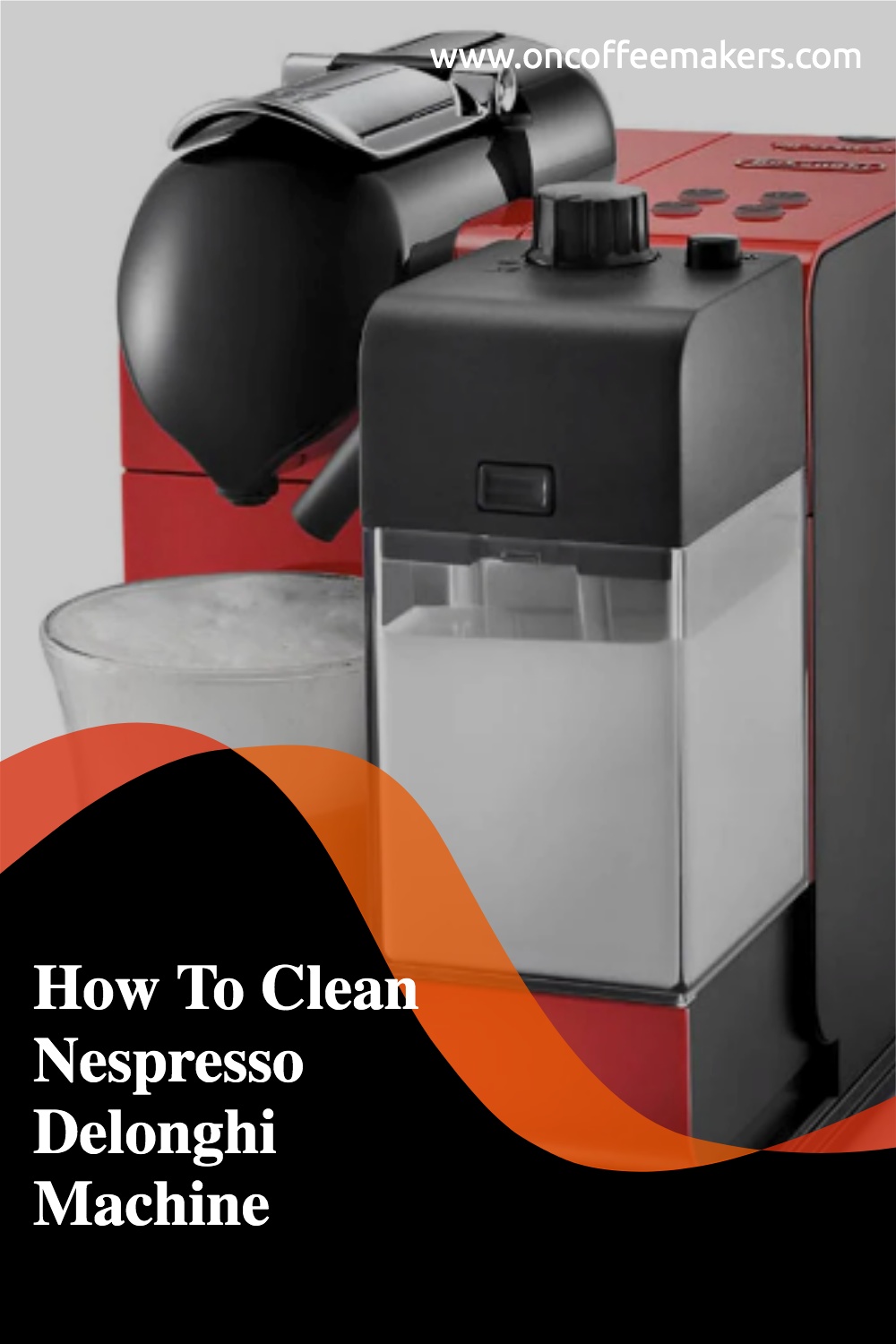
Some DeLonghi Nespresso machines have built-in milk frothers. Or attached wands. These need specific attention. Neglect them? You get rancid milk residue. Gross. And it clogs the works. Always clean these immediately after use. If it’s a detachable frother, take it apart. Wash all components with warm, soapy water. Rinse well. Air dry. If it’s built-in, follow your manual’s instructions for its cleaning cycle. Usually involves ruing hot water through it. And maybe a specific cleaning cycle.
The brew head area? That’s where coffee oils really love to hang out. After descaling, give it a good scrub. Use your little brush. Get into those little holes and crevices. Run a quick cycle with just water afterwards to flush any dislodged bits. The grounds container? Empty it regularly. Wash it out every few days. Don’t let old coffee grounds fester.
How Often Should You Actually Do This?
This isn’t a ‘once a year’ kind of deal. It depends on usage and water hardness. But generally:
| Usage Level | Descaling Frequency | Deep Cleaning Frequency |
|---|---|---|
| Light (1-2 cups/day) | Every 3-4 months | Monthly |
| Moderate (3-5 cups/day) | Every 2-3 months | Every 2 weeks |
| Heavy (6+ cups/day) | Every 1-2 months | Weekly |
Water hardness plays a massive role. If you have hard water, you’ll need to descale more often. Some machines have a built-in indicator light. When that flashes, it’s a definite sign. Don’t ignore it. That light means scale buildup is affecting performance. It’s your machine telling you, ‘Help me!’. Listen to it.
Troubleshooting: When Coffee’s Gone Rogue
Still getting weak coffee? Flow too slow? Machine making weird noises? It’s probably scale. Or a blockage. Have you descaled recently? If not, do it. Follow the steps religiously. Sometimes, the descaler just needs a bit more time. Let it soak longer. Run multiple flush cycles. If you’ve descaled properly and it’s still acting up? Check for blockages. Is the water tank seated correctly? Is the drip tray overflowing? Sometimes, a deep clean of the brew head, using that little brush, can dislodge stubborn debris.
The thing is, most ‘problems’ are just a dirty machine in disguise. People jump to thinking the machine is broken. Before you call tech support or start Googling replacement parts, try a thorough cleaning and descaling. Honestly, 9 times out of 10, that’s all it needs. It’s preventative maintenance. Cheaper than repairs. Better for your coffee.
The Long Game: Keeping Your DeLonghi Humming
Consistency is key. Make cleaning part of your routine. Wipe down the spout after each use. Empty the capsule bin daily. Rinse the drip tray when you empty it. A quick wipe of the exterior every few days. These small habits prevent major build-up. They extend the life of your machine. And ensure every cup is as good as the first. Think of it as respecting your investment. A $200 machine deserves a little TLC, right?
Using filtered water helps too. It reduces the mineral content. Means you won’t need to descale quite as often. Especially if you live in a hard water area. But even with filtered water, descaling is still necessary. The process is simple. Takes maybe 30 minutes total. Spread over a few hours if you include soaking time. It’s a small price to pay for consistently excellent coffee. And a machine that doesn’t sound like it’s chewing gravel.
Frequently Asked Questions
How often should I descale my DeLonghi Nespresso machine?
It depends on your usage and water hardness, but generally every 2-4 months is a good starting point. Machines with indicator lights should be descaled when the light comes on. If you have very hard water, you may need to descale more frequently, perhaps every 1-2 months.
Can I use vinegar to descale my DeLonghi Nespresso machine?
No, it’s strongly advised against. While vinegar is acidic, it can leave behind a strong odor that’s difficult to remove and may damage internal components over time. Use only Nespresso-approved descaling solutions or high-quality coffee machine descalers specifically designed for the task.
What are the signs my DeLonghi Nespresso machine needs descaling?
You might notice slower brewing times, lower water temperature, louder machine operation, inconsistent coffee flow, or a change in the taste of your coffee (e.g., weaker, bitter). Many machines also have a specific indicator light that illuminates when descaling is recommended.
How do I clean the milk frother on my DeLonghi Nespresso machine?
Always clean the milk frother immediately after each use. For detachable parts, wash them with warm, soapy water, rinse thoroughly, and let them air dry. For integrated systems, follow your machine’s specific cleaning cycle instructions, which typically involve ruing hot water through the system.
What happens if I don’t clean or descale my DeLonghi Nespresso machine?
If you neglect cleaning and descaling, mineral buildup (limescale) will clog your machine’s internal components, affecting heating efficiency and water flow. This leads to poor coffee quality (weak, bitter taste), potential machine malfunctions, reduced lifespan, and ultimately, costly repairs or the need for a replacement machine.
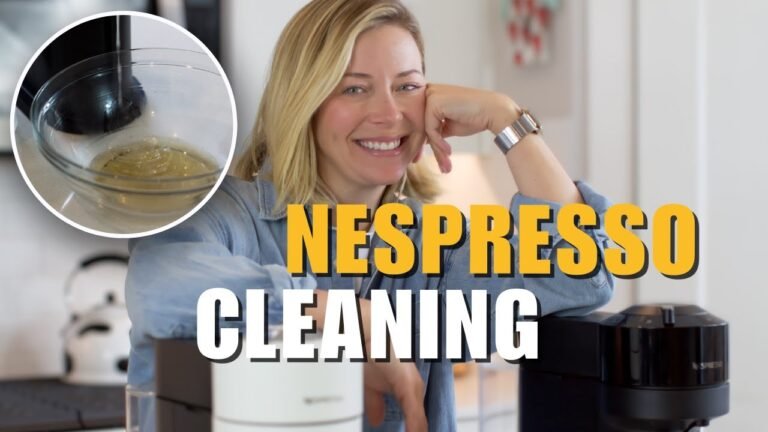
Watch: How to Clean a Nespresso Machine