How To Clean Cpap Machines
Don’t Be Gross: How To Clean Cpap Machines Like You Give A Damn
Look, we get it. You’re tired. You just want to sleep. The last thing on your mind is scrubbing down some plastic gadget you strap to your face every night. But here’s the cold, hard truth: if you’re not cleaning your CPAP machine regularly, you’re asking for trouble. Respiratory infections. Acne that looks like a crime scene. General nastiness. This ain’t a suggestion, pal. This is a survival guide. Getting this right on how to clean CPAP machines is non-negotiable. Honestly, it’s less about ‘cleaning’ and more about not inviting a bacterial petri dish to your bedside.
I remember one time, a buddy of mine, bless his lazy heart, hadn’t cleaned his rig in like… six months? Maybe a year. Who knows. He ended up in the ER with pneumonia. Pneumonia! From a machine meant to help him breathe. His excuse? He ‘forgot.’ Right. More likely he just couldn’t be bothered. Don’t be that guy. It’s not rocket science, it’s just basic hygiene. And honestly, most of the fluff you read online about ‘deep cleaning‘ and ‘special solutions’ is garbage. Stick to the facts. Stick to what works. And for God’s sake, clean your damn machine.
The Absolute Essentials: What You ACTUALLY Need
Forget fancy gadgets that promise miracles. You need like, three things. Maybe four if you’re feeling ambitious. This isn’t complicated. Stop overthinking it. The manufacturers push these expensive cleaning kits, but honestly, you don’t need ’em. Basic is best. Always.
Watch: The Ultimate Guide to Cleaning Your CPAP Machine (EASY …
Warm Water & Mild Soap
This is your bread and butter. Think gentle dish soap. Nothing fancy. Nothing scented. Just plain old mild soap. And warm water. That’s it. Don’t get cute with bleach or ammonia. You’ll regret it. And so will your lungs.
Distilled Water
For the humidifier chamber, this is key. Tap water? Full of minerals. Those minerals build up. They gunk things up. They can leave residue. Use distilled water. Every. Single. Time. It’s cheap. It’s available. Just do it.

Clean Cloths or Microfiber Towels
You need something to dry your gear. Use clean ones. Obviously. Microfiber is good because it doesn’t leave lint. Lint in your CPAP is a one-way ticket to respiratory hell. So grab a few clean towels. Or paper towels if you’re really in a pinch, but towels are better.
Small Cleaning Brushes (Optional, But Recommended)
These are cheap. They get into the nooks and craies of your mask. Especially the frame and where the tubing coects. It’s a small investment for a big payoff in cleanliness. Highly recommended. Don’t skip this if you can swing it.
The Daily Grind: What To Do Every Single Morning
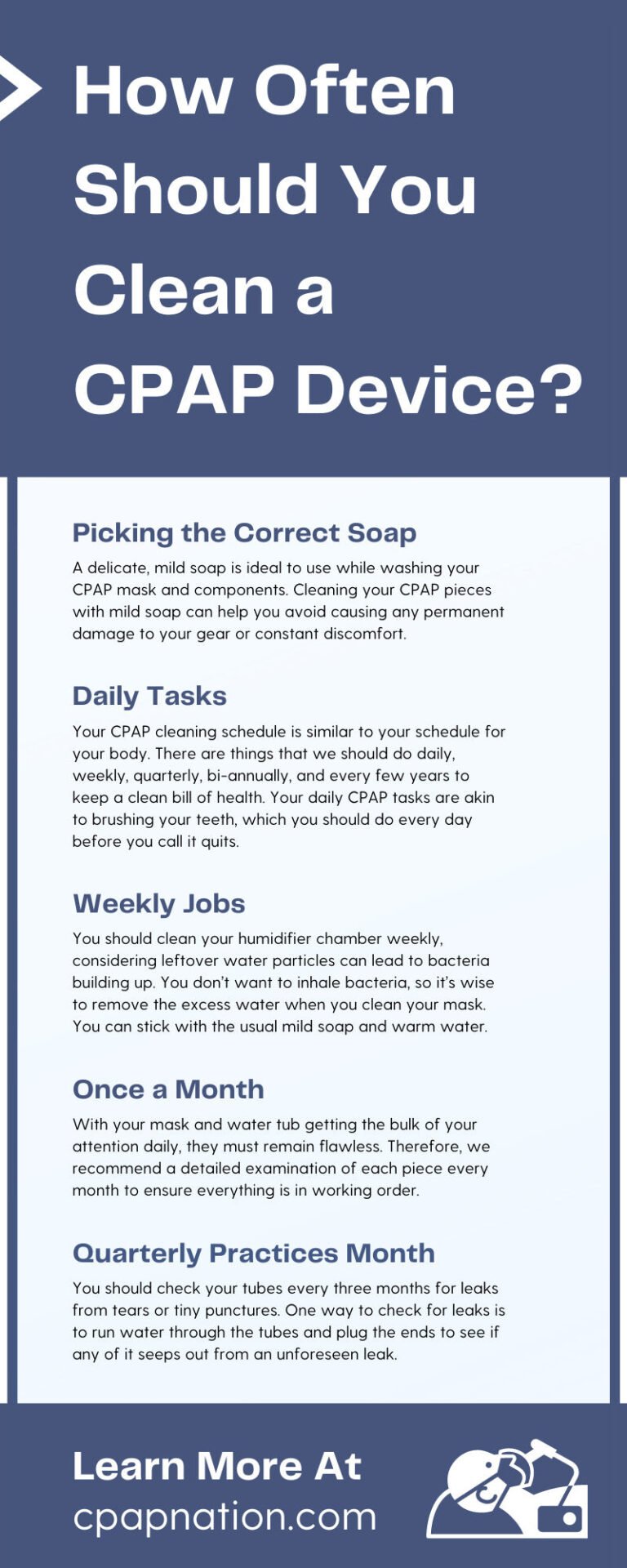
This is the most crucial part. The part most people skip. The thing is, if you do this daily, the weekly stuff is a breeze. Don’t let gunk build up. That’s where the real problems start. Seriously, five minutes. That’s all it takes.
Mask Cushion Wipe-Down
Right after you take the mask off. Use a damp cloth. Or a specific CPAP mask wipe if you must. Just wipe down the part that touches your face. Get rid of the oils, sweat, and whatever else your skin deposited overnight. This prevents skin irritation and those nasty breakouts. It’s a game-changer.
Watch: ResMed AirSense 11: Cleaning and caring for your device
Empty and Rinse Humidifier Chamber
Get that water out. Rinse the chamber with distilled water. Let it air dry on a clean towel. Don’t put the lid back on a wet chamber. That’s how you breed mold. We’re trying to avoid that. Simple, right?
The Weekly Ritual: Deep Cleaning Like You Mean It
Okay, this is where you actually wash stuff. Don’t wait until it looks visibly dirty. That’s already too late. Set a reminder. Put it on your calendar. Whatever. Just do it once a week. Consistency is king here.
Mask Assembly Wash
Take your mask apart. Cushion, frame, headgear. Wash everything except maybe the headgear straps if they’re just fabric and don’t look dirty. Use warm water and that mild soap. Gently scrub. Rinse thoroughly with clean water. Let it air dry completely. Don’t put it back together wet.
Tubing Time
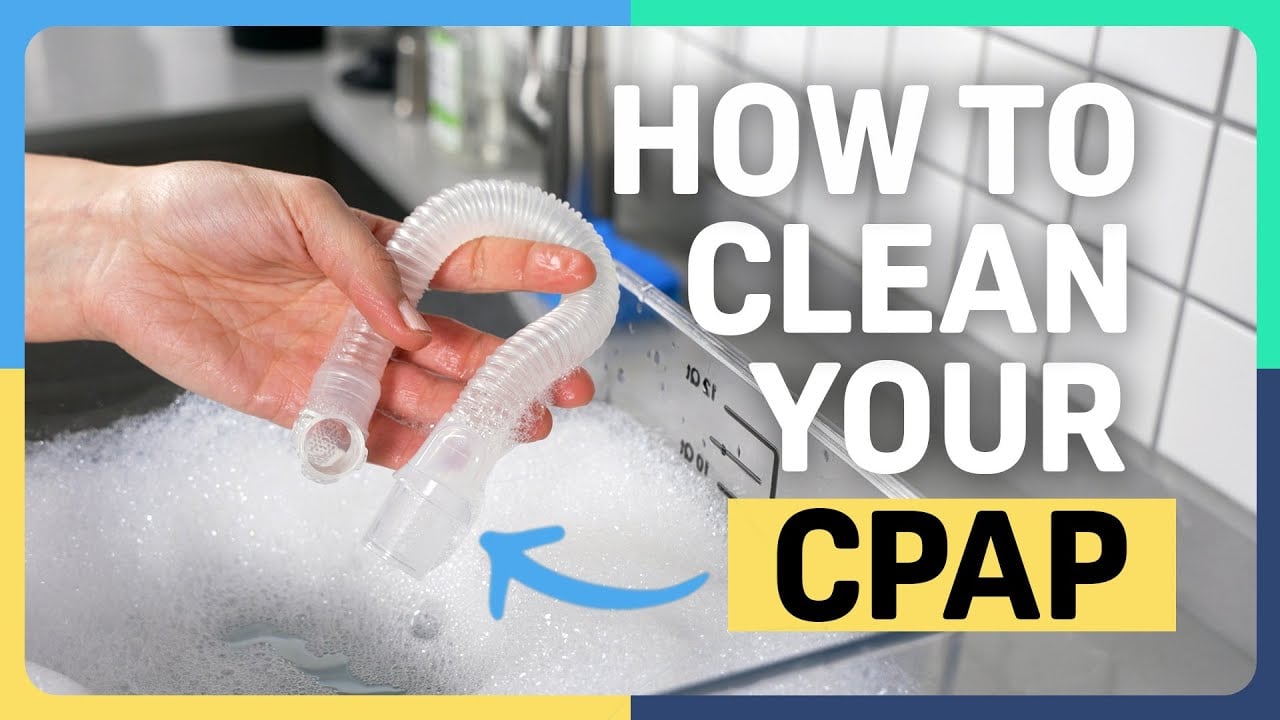
This is where people get lazy. Hang the tubing over a shower rod or something similar. Let water run through it. Wash the inside with warm, soapy water. Swish it around. Rinse it out. Hang it up to dry. Make sure all the water drains out. Seriously. Get it dry.

Humidifier Chamber Deep Clean
Wash the chamber thoroughly with warm, soapy water. Rinse it like you mean it with distilled water. If you see any scale or mineral buildup, use a soft brush. Let it air dry. Again, make sure it’s bone dry before you reassemble.
Machine Maintenance: The Stuff You Can’t Wash
Your actual CPAP machine isn’t washable. Duh. But you still gotta keep it clean. This is more about the filters and the exterior. Don’t neglect this. It’s vital for performance and your health.
Filter Finesse
Most machines have filters. Some are disposable, some are washable. Check your manual, obviously. Disposable filters? Change them every month, or sooner if they look dirty. Washable filters? Rinse them under cool water weekly. Let them dry completely before putting them back. A dirty filter means dirty air. Simple math.
:max_bytes(150000):strip_icc()/how-to-clean-cpap-3015322-v1-5c1ac1cc46e0fb0001e27563.png "How To Clean Cpap Machines 3")
Exterior Wipe-Down
Use a slightly damp cloth to wipe down the outside of the machine. No harsh chemicals. Nothing that will drip inside. Just a quick wipe to get rid of dust. Keep it clean. It’s sitting right there next to your face.
What NOT To Do: The Mistakes That Will Haunt You
This is where most people screw up. They use the wrong stuff. They get lazy. They listen to bad advice. Don’t be a statistic. Avoid these pitfalls like the plague.
No Harsh Chemicals, Ever
Bleach, alcohol, scented soaps, essential oils, vinegar. Anything that isn’t mild soap and water. Why? Because these can degrade the materials. They can leave residues. They can irritate your airways. The FDA even warns against ozone and UV cleaners. They’re often uecessary and can be harmful. Stick to the basics, man.
Don’t Submerge the Machine
This sounds obvious, but you’d be surprised. The machine itself? It’s electronics. Water and electronics don’t mix. Never, ever dunk the main unit. Only the removable parts like the humidifier chamber and tubing get washed. And even then, be careful.
Watch: YouTube
Air Dry Only
No dishwashers. No clothes dryers. No hair dryers. Heat can warp plastic. It can damage seals. It can ruin your gear. Let everything air dry completely on a clean surface. Patience, grasshopper. It’s worth it.
When To Call It Quits: Replacing Your Gear
CPAP parts don’t last forever. They wear out. They get grungy. They become less effective. You need to replace them on a schedule. Ignoring this is like trying to run a marathon on worn-out shoes. You’re goa have a bad time.
Here’s a general guideline. Your manual will have specifics. Always defer to your manual. But this gives you the gist:
| Item | Frequency |
|---|---|
| Mask Cushion | Every 1-3 Months |
| Mask Headgear | Every 6 Months |
| Full Mask | Every 6-12 Months |
| CPAP Tubing | Every 6 Months |
| Humidifier Chamber | Every 6 Months (or sooner if damaged) |
| Air Filters (Disposable) | Every 1 Month (or sooner if dirty) |
| Air Filters (Washable) | Rinse Weekly, Replace Yearly (check manual) |
The thing is, these are averages. If your mask leaks like a sieve, or your cushion is cracking, replace it sooner. Don’t wait for the calendar to tell you. Your comfort and health are more important than saving a few bucks. Honestly, that’s just being pey wise and pound foolish.
Frequently Asked Questions
How often do people really clean their CPAP?
Realistically? Not often enough. The ideal is daily rinsing of the mask cushion and humidifier chamber, with a full wash of mask, tubing, and chamber weekly. Most users admit to doing the full wash maybe once a month, if that. That’s why they get sick or have skin issues. It’s a bad habit, but a common one. Don’t fall into it.
Can I submerge my CPAP hose in water?
Yes. You absolutely can and should submerge your CPAP hose in warm, soapy water as part of your weekly cleaning routine. You need to wash the inside thoroughly. Just make sure you rinse it completely and hang it to air dry, ensuring all residual water drains out. Don’t let it sit full of water.
What’s the best way to dry my CPAP mask?
The best way is to let it air dry completely on a clean towel or rack. Avoid direct sunlight or high heat, as this can damage the materials. Gently pat off excess water with a lint-free cloth before letting it air dry. Never use a microwave or oven!
Are those CPAP cleaning wands that use ozone or UV light safe?
The FDA has issued warnings about many of these devices. While they claim to sanitize, they haven’t been proven safe or effective for home use. Ozone can be harmful to your lungs if inhaled, and UV light effectiveness can vary. Stick to manual cleaning with soap and water. It’s proven, safe, and effective.
How do I know if my CPAP machine needs professional servicing?
If your machine is making unusual noises, not delivering the expected pressure, or if you notice any electrical issues, it’s time for professional service. Also, consult your manual or provider if you’re unsure about the internal workings or if it’s been damaged. Don’t try to fix it yourself unless you know what you’re doing.