How To Clean Couches Without Machine
Forget the Fancy Gadgets. Here’s How To Clean Couches Without Machine. Seriously.
Look, nobody wants a crusty couch. Stains happen. Life happens. The dog tracks in mud. The kids spill god-knows-what. But the thought of wrestling a giant, leaky steam cleaner into your living room? Nah. The thing is, you don’t need some industrial-grade monstrosity to get your couch looking decent. Honestly. This is how to clean couches without machine, the real way. No fluff. Just results. I’ve been cleaning upholstery for longer than some of you have been alive, and I can tell you, the simple stuff works. Why pay for a machine you’ll use twice? It’s just… dumb.
My first upholstery job was in ’98. A cheap diner sectional. Stank like old fries and regret. No machines. Just elbow grease and a few basic solutions. I blasted it. Made it look new. Didn’t even break a sweat. Okay, maybe I broke a little sweat. But the point stands. You can do this. Let’s get into it.
The Basics: What You ACTUALLY Need
Before we dive into the nitty-gritty, gather your gear. Don’t go ruing to Bed Bath & Beyond. You probably have most of this junk already. Or you can grab it for peanuts. This isn’t rocket science. It’s couch science. Simple, effective.
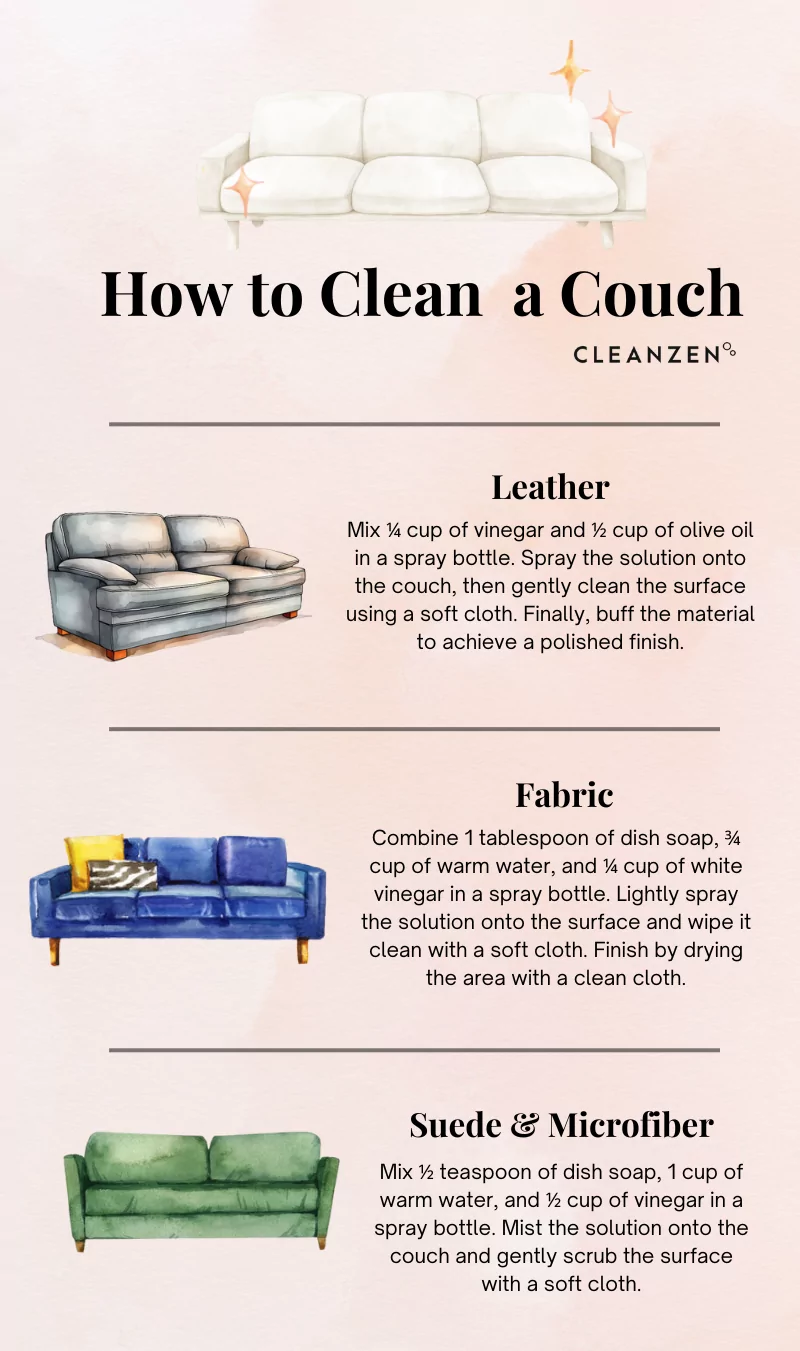
Essential Tools for Manual Couch Cleaning
- Microfiber Cloths: Get a stack. At least 5. White ones are best. You can see the dirt.
- Soft-Bristle Brush: For getting dust out of the weave. Don’t use a wire brush, genius.
- Spray Bottles: Two, minimum. One for cleaning solution, one for plain water.
- Vacuum Cleaner with Attachments: Crevice tool and upholstery brush. Essential. Don’t skip this.
- Old Toothbrush: For tight corners. Trust me.
- Bucket: For rinsing cloths. Simple.
Understanding Your Couch Material: The First Hurdle
This is where people screw up. You gotta know what you’re working with. Different fabrics? Different treatments. A cheap polyester blend needs a different approach than some fancy linen or, god forbid, velvet. Most couches have a tag. Usually hidden. Look under cushions. Check the back. It’ll have a code. Learn it. Live it.
| Code | Meaning | Cleaning Method |
|---|---|---|
| W | Water-Based Cleaner Allowed | Use water-based solutions. Easy mode. |
| S | Solvent-Based Cleaner Only | No water! Use dry cleaning solvents. More $$$. |
| W/S | Water or Solvent Based Cleaner | You got options. Lucky you. |
| X | Vacuum Only. No Liquids. | Seriously. Just vacuum. Don’t mess it up. |
If you can’t find the tag? Play it safe. Assume ‘S’ or ‘X’. Or do a spot test in a hidden area. A patch of fabric behind the skirt? Perfect. Test your solution there. Wait 24 hours. See if it bleaches, shrinks, or melts. If it looks okay, you’re probably golden. But honestly, a little caution saves a lot of headaches. I once ruined a vintage sofa trying to be a hero. Cost me $500 to fix. Never again.
Step 1: The Pre-Clean Ritual – Dust & Debris Be Gone!
Before you even THINK about solutions, you gotta get the loose stuff off. Think of it like prepping a canvas. You don’t slap paint on a dusty surface, do you? Same with the couch. This step is CRUCIAL. Don’t just skim over it.
Vacuum Like Your Life Depends On It
Get that vacuum. Use the upholstery attachment. Go over the entire couch. Every nook. Every cray. Under the cushions. Down the sides. Hit the back. Seriously, get it all. Then, switch to the crevice tool. Dig into those seams. That’s where the crumbs and forgotten dreams live. Do this for a good 10 minutes. Minimum. Don’t rush. A good vacuuming removes a surprising amount of dirt and allergens. It makes your subsequent cleaning way easier. And less messy.
Watch: Clean your Couch and Carpets easily in minutes with a pot lid
The Brush Down
After vacuuming, grab your soft-bristle brush. Gently brush the fabric. This loosens any remaining surface dirt or pet hair clinging on for dear life. Brush in one direction. Then go over it again, perpendicular. This gets even more embedded gunk. It feels a bit anal, but trust me, it makes a difference. You’re prepping the surface for the real cleaning.
Step 2: Tackling Stains – The Spot Treatment Strategy
Stains are the enemy. But they don’t have to be permanent. The key is acting fast and using the right technique. Blot, don’t rub. Rubbing pushes the stain deeper. It grinds it into the fibers. Like trying to scrub a permanent marker off a whiteboard with a sock. Futile. And damaging.
The Go-To Stain Solution: Mild Soap and Water (Code W or W/S)
This is your first line of defense for most water-safe fabrics. Mix a few drops of mild dish soap (like Dawn, the blue stuff) with a cup of warm water in one of your spray bottles. Don’t go crazy with the soap. You want suds, not a bubble bath.

- Dampen a Clean Cloth: Dip a corner of a white microfiber cloth into the soapy solution. Wring it out thoroughly. It should be damp, not dripping.
- Blot the Stain: Gently blot the stain from the outside in. Work your way inwards. This prevents spreading. Keep blotting. Rotate the cloth to a clean section as it picks up the stain.
- Rinse (Carefully): Dampen a separate clean cloth with plain water. Blot the area again. This removes soap residue. Don’t overwring the cloth. You don’t want to soak the couch.
- Dry: Blot with a dry cloth. Let it air dry completely. A fan can speed things up.
For tougher stains? Try a baking soda paste. Mix baking soda with a little water to form a paste. Apply it to the stain. Let it sit for 15-30 minutes. Then brush it off and vacuum. It absorbs odors and lifts stains. Works wonders on greasy spots.
What About the ‘S’ Code Couch?
This is where things get tricky. No water allowed. At all. You need a dry cleaning solvent. You can buy these at most hardware stores or online. They usually come in a spray can or a liquid bottle.
Watch: Clean a Couch or Sofa Without Using Water or Renting a …
- Ventilate! Seriously, open windows. These things stink and can be harsh.
- Spot Test: ALWAYS test in a hidden area first. Even on ‘S’ code fabrics.
- Apply Sparingly: Spray a small amount onto a clean, white cloth. Never directly onto the couch.
- Blot Gently: Blot the stain, working from the outside in.
- Allow to Evaporate: Let the area air dry completely. No rinsing needed.
I remember a lady with a silk damask sofa. Expensive stuff. Spilled red wine. Panicked. Her tag said ‘S’. I told her to get a specific solvent. She hesitated. Said it smelled like nail polish remover. I told her, ‘That’s ’cause it probably IS nail polish remover, or close to it. Trust me.’ She did. Cleaned right up. No damage. Close call, though. Always follow the code.
Step 3: The Deep Clean – Freshening Up the Whole Couch
Once the stains are gone (or you’ve done what you can), it’s time for a general refresh. This is for the whole couch. Not just the problem spots. It brightens things up. Gets rid of general grime and that ‘lived-in’ smell. Again, know your code. If it’s ‘W’ or ‘W/S’, you’re good to go with mild solutions.
The Gentle Foaming Method (Code W or W/S)
This is a classic. Mix a very mild detergent (like a tablespoon of clear dish soap or a specific upholstery cleaner) with a gallon of warm water in a bucket. You want a good amount of foam. Don’t stir it too vigorously, or you’ll get too many suds. You want the foam, not the liquid.
- Apply Foam: Dip your soft brush or a clean sponge into the foam. Gently lift the foam off the surface of the water.
- Clean in Sections: Apply the foam to a small section of the couch at a time. Use light, circular motions. Don’t saturate the fabric. You’re just cleaning the surface fibers.
- Wipe Off: Immediately after applying foam to a section, wipe it down with a clean, damp (not wet!) microfiber cloth. Rinse the cloth frequently in clean water.
- Dry Pass: Go over the section again with a dry microfiber cloth to absorb excess moisture.
- Repeat: Work your way across the entire couch, section by section. Keep your cloths clean.
The key here is minimal moisture. You’re using the foam. The liquid stays in the bucket. This is crucial for preventing water stains and mildew. I learned this the hard way on a velvet couch back in the day. Got it too wet. It was a disaster. Matted down. Stiff. Took weeks to recover. Never again.
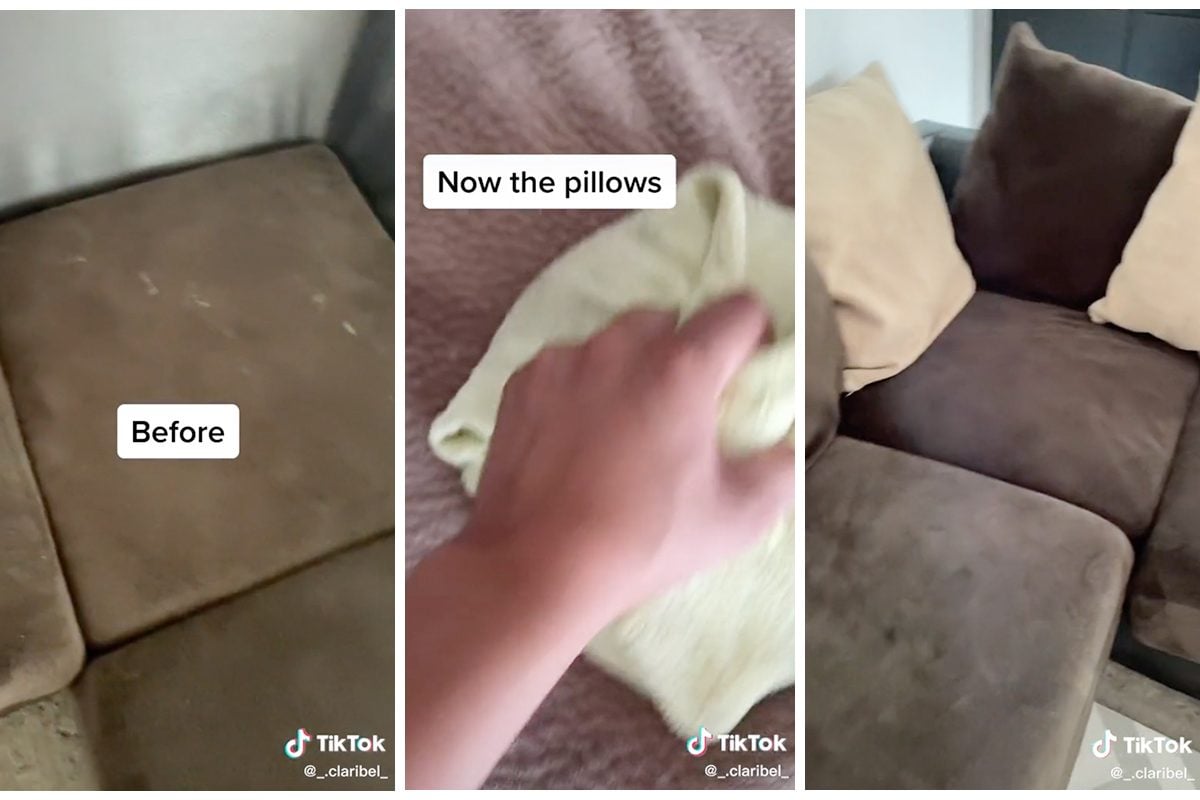
The Vinegar Freshener (Code W or W/S)
Vinegar is your friend. It neutralizes odors and acts as a mild disinfectant. Plus, it’s dirt cheap. Mix equal parts white vinegar and water in a spray bottle. Again, test this in a hidden spot first.
- Light Mist: Lightly mist the couch fabric. Don’t soak it. You just want to lightly dampen the fibers.
- Let It Sit: Let the mist sit for about 10-15 minutes. The vinegar smell will be strong, but don’t freak out. It dissipates as it dries.
- Brush Gently: Gently brush the fabric. This helps lift any loosened dirt and helps the vinegar work its magic.
- Vacuum: Thoroughly vacuum the couch again. This picks up any loosened debris and the dried vinegar residue.
Watch: BEST WAY TO CLEAN YOUR COUCH SOFA MICROFIBER …
This is great for general mustiness. Or if someone’s pet decided your couch was their personal bathroom. Trust me, vinegar is your savior. I used it on a guest room sofa that hadn’t been used in years. Smelled like a gym locker. Vinegar knocked that smell right out. No joke.
Step 4: Drying is Non-Negotiable
This is where many DIY attempts go wrong. A damp couch is a breeding ground for mold and mildew. Nobody wants that. Nobody.
Air Drying is Best
Open windows. Turn on fans. Point them directly at the couch. The goal is to get air circulating. You want that fabric to dry as quickly as possible. Avoid direct sunlight if possible, especially for darker fabrics. It can cause fading. Honestly, give it at least 12-24 hours depending on how damp it got.
The Hair Dryer Trick (Use With Caution!)
For stubborn damp spots, you can use a hairdryer on a cool setting. Keep it moving. Don’t blast one spot for too long. Too much heat can damage certain fabrics. This is more of a spot-drying technique. Not for the whole couch. I’ve seen people melt synthetic fibers with a hairdryer. Don’t be that person.
Step 5: The Final Fluff and Vacuum
Once it’s bone dry, give it one last pass with the vacuum. Use the upholstery brush attachment. This fluffs up the fibers. Lifts the nap. Makes it look fresh. Like it just came from the showroom. Almost.
Maintenance: Keeping Your Couch Clean Longer
The best way to clean your couch is to not let it get dirty in the first place. Sounds obvious, right? But people ignore it.
:max_bytes(150000):strip_icc()/how-to-clean-couch-cushions-1901078-6ff4fcd052544e89b95df81724344e7e.png "How To Clean Couches Without Machine 4")
- Regular Vacuuming: Once a week. Seriously. It prevents dirt from settling in.
- Deal with Spills IMMEDIATELY: Don’t let them sit. Blot them up.
- Use Throws/Blankets: Especially in high-traffic areas or where pets hang out.
- Rotate Cushions: If you have removable cushions, flip and rotate them regularly.
- Consider Slipcovers: For ultimate protection, especially with kids or pets.
What NOT to Do When Cleaning Your Couch Manually
This is just as important as knowing what TO do. Don’t be an idiot. Don’t ruin your furniture.
- DON’T Saturate the Fabric: I’ve said it a million times. Water damage is real.
- DON’T Use Harsh Chemicals: Bleach, ammonia, acetone. Unless the tag explicitly says so (which it won’t), avoid these. They’ll strip color and destroy fibers.
- DON’T Rub Stains Vigorously: Blot. Always blot.
- DON’T Use Heat to Dry: Unless it’s a hairdryer on a cool setting, and even then, be cautious.
- DON’T Ignore the Fabric Code: Seriously. It’s there for a reason.
Frequently Asked Questions
How do you deep clean a couch by hand?
Deep cleaning by hand involves a thorough vacuuming, spot treating stains with appropriate solutions (based on fabric code), gently cleaning the entire surface with a mild foam or solution, and ensuring it dries completely. It requires patience and the right tools, focusing on minimal moisture and gentle application.
What is the best way to deep clean a sofa?
The best way to deep clean a sofa is to identify the fabric type and its cleaning code first. Then, perform a detailed vacuum, tackle any stains using a suitable method (water-based for ‘W’, solvent for ‘S’), followed by a gentle overall clean with a mild, low-moisture solution, and finally, ensure thorough, accelerated drying. Regular maintenance is key to keeping it clean.
Can I use dish soap to clean my couch?
Yes, you can use mild dish soap (like Dawn) mixed with water for couches with a ‘W’ or ‘W/S’ cleaning code. Use only a small amount of soap to create a gentle cleaning solution. Always perform a spot test first and avoid oversaturating the fabric. Rinse the area with a clean, damp cloth to remove residue.
What should I avoid when cleaning fabric upholstery?
Avoid saturating the fabric with water, using harsh chemicals like bleach or ammonia, rubbing stains aggressively (always blot), using excessive heat for drying, and ignoring the manufacturer’s cleaning code. These actions can lead to permanent damage, discoloration, or mildew.
How often should I clean my couch manually?
You should vacuum your couch at least weekly to remove surface dust and debris. A more thorough manual cleaning, like the methods described above, can be done every 6-12 months, or as needed depending on spills, usage, and the presence of pets or children. Spot cleaning should be done immediately after any spills occur.