How To Clean Centrifuge Machine
Scrubbing Your Spiing Savior: How To Clean Centrifuge Machine Like You Mean It
Look, nobody likes cleaning lab equipment. Especially not a damn centrifuge. But if you don’t know how to clean centrifuge machine, you’re asking for trouble. Contamination. Inaccurate results. Equipment death. The whole nine yards. Honestly, it’s not rocket science, but it requires attention. Like, real attention. Not that half-assed ‘I’ll do it later’ crap.
I remember my first lab job. Some old-timer, smelled like ethanol and regret, showed me. He just grunted, pointed at a dusty rotor, and said, “Clean it. Or else.” That was it. No manual. No ‘best practices.’ Just a threat. The thing is, he was right. Neglect this beast, and it bites back. Hard.
Why Bother Cleaning Your Centrifuge?
It’s simple. Degraded performance. Contamination ruins samples. Ruins everything. Plus, a dirty centrifuge looks like hell. Like you don’t care. Because you don’t. Until it breaks.

A malfunctioning centrifuge can cost you thousands. Parts. Downtime. Lost research. I saw a unit die mid-spin once – flew apart like a cheap soda can. Total mess. Cost them $3,500 for a new rotor alone. Just saying.
Watch: oil centrifugal machine||centrifugal machine cleaning process …
Prep Work: Don’t Be Stupid
Discoect Power, Asshole
Seriously. Unplug the damn thing. Every single time. No exceptions. You waa lose a finger? Didn’t think so. This isn’t a game. It’s a precision instrument. Treat it like one.
Remove the Rotor
This is where the real work starts. Take the rotor off. Carefully. Don’t drop it. They’re heavy. And expensive. Check your manual if you’re unsure. It usually just involves a simple lock or screw. Takes thirty seconds. Use that time wisely.
Empty Everything Else
Check buckets. Check the chamber. Anything left inside? Get it out. Spilled samples? Clean ’em up NOW. Don’t let that biohazard fester.

The Actual Cleaning Process: Grit Your Teeth
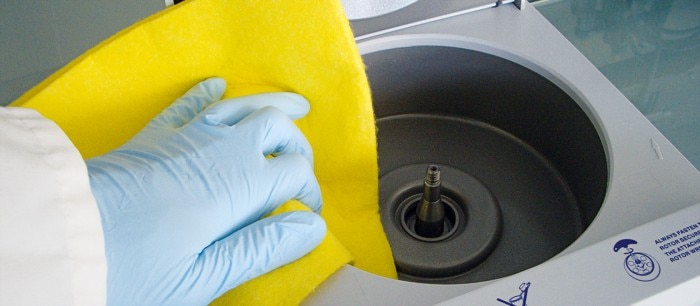
Step 1: Wipe Down the Chamber
Use a mild detergent. Water works for light stuff. For tougher grime, a diluted lab-grade cleaner is fine. Avoid harsh chemicals. They’ll eat the metal. Or plastic. Whatever your centrifuge is made of. Wring out your cloth. Don’t drench the electronics. Nobody wants a short circuit.

Step 2: Clean the Rotor
This is critical. Rotors take a beating. Use the same mild detergent. Get into every crevice. Every hole. Use brushes if you have to. Small ones. Toothbrushes work in a pinch, but get dedicated lab brushes. For heaven’s sake, check for cracks. Especially around the tube sockets. A cracked rotor is a ticking time bomb. I’ve seen rotors fail. It ain’t pretty. Usually around $1,000-$5,000 for a new one, depending.
I remember cleaning a fixed-angle rotor once. Had dried-up goo in the sockets. Took like twenty minutes. Each socket. Used a pipe cleaner. Looked disgusting. But if I hadn’t, samples would’ve gone flying.
Step 3: Wash the Buckets
Buckets need love too. Wash ’em separately. Mild soap and water. Rinse thoroughly. Make sure they’re bone dry before putting them back. Moisture breeds corrosion. And weird smells.
Step 4: Wipe the Exterior
Don’t forget the outside. Grimy fingerprints. Dust. Whatever. A damp cloth. Maybe a spritz of glass cleaner if it’s really bad. Keep it away from vents.
Drying and Reassembly: The Final Push
Air Dry Everything
Seriously. Let it all air dry. Completely. Before you even think about putting it back together. Rotor. Buckets. Chamber. Everything. Takes longer than you think. Patience, grasshopper.
Watch: Maintenance of Eppendorf Centrifuges: How to clean your …
Inspect and Reassemble
Before you put the rotor back on, give it one last look. Any damage? Any corrosion? Reinstall it. Make sure it’s seated properly. Use the locking mechanism. Don’t force anything.
Watch: Quick practical tips for keeping centrifuge rotors clean and …
Run a Quick Spin? Sometimes.
Some people like to run a quick, empty spin after cleaning. Just to ensure everything’s dry and working. It’s not strictly necessary if you’ve done a good job drying, but it doesn’t hurt. Keep it short. Low speed.
Maintenance Schedule: Don’t Be Lazy
How often? Depends. Heavily used machines? Daily wipe-downs. Weekly deep cleans. Lightly used? Monthly might cut it. But check your manual. Seriously. It’s your best friend. Keep a logbook. Record cleaning dates. Any issues. Like a car’s service record. Just… smarter.

Common Pitfalls to Avoid
Never use abrasive cleaners. Don’t use solvents unless specified by the manufacturer. Never submerge the motor unit. Don’t run it unbalanced. Ever. It’s just asking for disaster.
I saw a researcher once try to ‘clean’ a rotor with a steel brush. Said it was ‘faster.’ Sparks flew. Gouged the hell out of the rotor. He got yelled at. Lost his centrifuge privileges for a week. Idiot.
Centrifuge Cleaning & Maintenance Cheat Sheet
| Component | Cleaning Agent | Frequency | Notes |
|---|---|---|---|
| Chamber | Mild detergent & water | Daily/Weekly | Avoid soaking |
| Rotor | Mild detergent & water, soft brush | Weekly/Monthly | Inspect for cracks, corrosion |
| Buckets | Mild detergent & water | Weekly/Monthly | Ensure dryness |
| Exterior | Damp cloth, mild cleaner | As needed | Keep away from vents |
The takeaway? Be consistent. Be thorough. Your samples. Your results. Your wallet. They’ll thank you for it. Don’t be the reason the centrifuge dies. Clean the damn thing.
Frequently Asked Questions
How to properly clean a centrifuge?
First, discoect power. Remove the rotor and buckets. Clean the centrifuge chamber with a mild detergent and damp cloth, avoiding excess liquid. Clean the rotor and buckets separately with the same solution, using soft brushes for stubborn grime. Inspect the rotor for damage. Rinse all components thoroughly and allow everything to air dry completely before reassembly. Always refer to your specific centrifuge’s manual for detailed instructions.
How often should a centrifuge be cleaned?
Daily wipe-downs of the chamber are recommended for heavily used machines. A more thorough cleaning of the rotor and chamber should occur weekly or bi-weekly, depending on usage intensity. For less frequently used centrifuges, monthly cleaning might suffice. Check your manufacturer’s guidelines for the most accurate schedule.
Are centrifuge tubes dishwasher safe?
Generally, no. Most centrifuge tubes, especially plastic ones, are not designed for the high heat and harsh detergents found in standard dishwashers. Dishwashing can warp, degrade, or leach chemicals from the tubes, compromising their integrity and potentially contaminating your samples. Always hand-wash or use specialized lab washing equipment as per the tube manufacturer’s recommendations.
What is the centrifugal cleaning process?
The ‘centrifugal cleaning process’ isn’t a standard term for cleaning the machine itself. It likely refers to using the centrifuge’s action to aid in cleaning something else, which is generally not advised for the centrifuge components. The actual cleaning process involves manual disassembly, washing components with appropriate solutions, thorough rinsing, and complete drying before reassembly and operation.
What are the biggest risks of NOT cleaning a centrifuge?
Not cleaning your centrifuge regularly is a recipe for disaster. You risk cross-contamination between samples, which completely invalidates your results. You can also cause mechanical failure; dried spills can corrode parts, imbalance can shake the machine apart, and accumulated debris can damage the motor. Basically, you’re risking ruined experiments, expensive repairs, and potential safety hazards from a malfunctioning unit.