How To Clean Black And Decker Coffee Machine
Black+Decker Coffee Machine: You Idiot, Clean It.
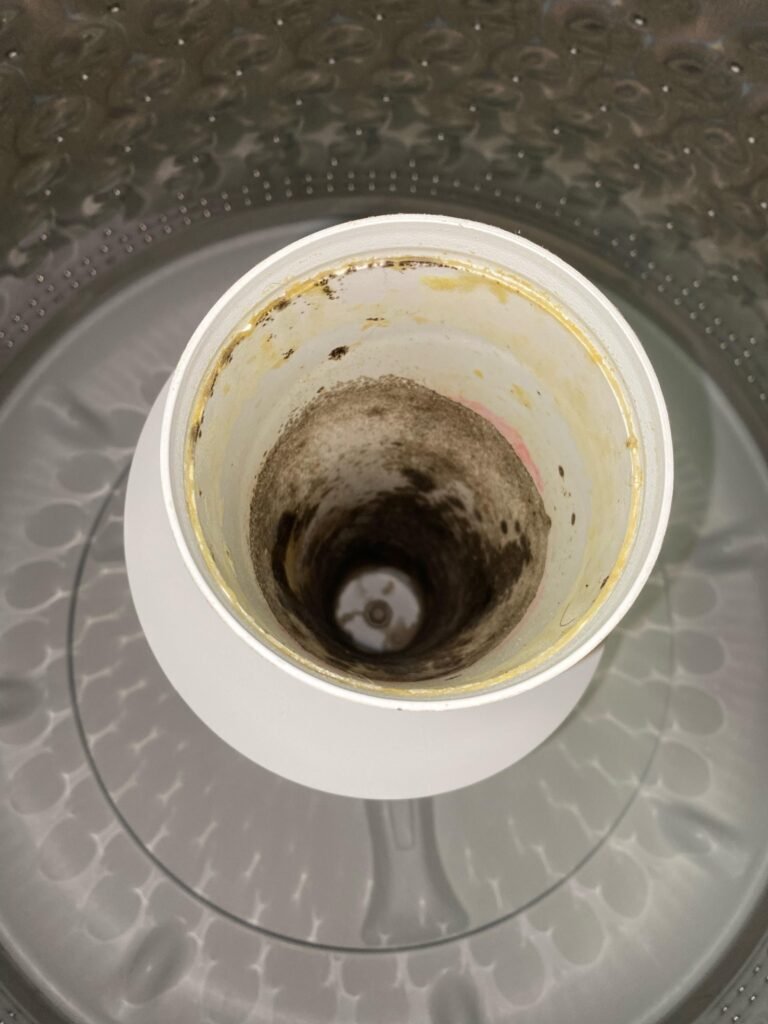
Look, you bought a Black+Decker. It’s not fancy, but it makes coffee. And if you’re reading this, you probably haven’t cleaned it. Ever. Honestly, the gunk building up in there is probably a biohazard. It’s disgusting. Time to learn how to clean your Black+Decker coffee machine before you get sick. Or worse, before your coffee tastes like regret and old peies.
This isn’t rocket science. It’s basic hygiene. Your machine needs a deep clean, not just a rinse. Think about it. Every single day, you’re dumping grounds and water into this thing. Then it sits. Then you do it again. It’s a breeding ground for mold, limescale, and whatever else is lurking in your tap water. The thing is, these machines aren’t built to last forever, but a little elbow grease buys you more time. And better tasting coffee. Duh.

The Daily Grind: Quick Cleans That Actually Matter
Trash the Grounds. Seriously.
This is the lowest bar. After every brew, ditch the used grounds. Don’t let them sit there festering. It’s lazy and gross. Toss the filter, rinse the basket. Takes 10 seconds. Do it.
Rinse the Carafe and Lid
Same deal. Rinse the carafe and lid after you dump your coffee. Little bit of soap, hot water. Done. Prevents that brown film. You know the one. Nast.
Wipe Down the Exterior
Grease from your hands, coffee splashes, dust buies – it all accumulates. Grab a damp cloth, wipe down the outside. Keep it from looking like a science experiment gone wrong. This takes maybe a minute. Pathetic if you don’t do it.

The Deep Dive: How To Clean Black And Decker Coffee Machine Properly
Okay, the daily stuff is for chumps. We’re talking a real clean now. Descaling. Getting rid of that mineral buildup. This is where the magic happens. Or, you know, where the machine actually works like it’s supposed to.
Vinegar: The Old School Hero
For years, vinegar was the go-to. It’s cheap, it’s effective for limescale. Just fill the water reservoir with a 50/50 mix of white vinegar and water. Run a full brew cycle. Then, run two or three more cycles with just plain water to rinse out the vinegar smell. Trust me, you don’t want vinegar coffee. I made that mistake once back in ’08. Never again.
Specialized Descaling Solution: The ‘Smart’ Choice
Look, vinegar works, but it stinks. Some people hate the smell. Others find it too harsh. Black+Decker probably wants you to use their stuff, or any generic coffee machine descaler. Follow the instructions on the bottle. Usually, it’s a similar process: mix with water, run a brew cycle, rinse thoroughly with plain water cycles. These solutions are designed to be less smelly and often work faster. They cost more, but your nose will thank you.
Deep Cleaning the Removable Parts

Don’t forget the bits you can actually take out. These are prime real estate for mold. Honestly, the things I’ve seen inside old coffee baskets… shudder.
The Coffee Basket and Carafe
These should get a good scrub. Use hot, soapy water. For stubborn stains or buildup, a paste of baking soda and water can work wonders. Let it sit for a bit, then scrub with a non-abrasive sponge. Rinse well. Don’t use steel wool; you’ll scratch it all up.
The Water Reservoir
You can’t always take these out, but you can reach inside. Use a bottle brush if you have one. Scrub with hot, soapy water. Rinse it out thoroughly. This is crucial for preventing that funky smell and taste.
The Warming Plate
Coffee drips happen. Spills happen. This gets sticky and gross. Unplug the machine first, obviously. Let it cool. Wipe it down with a damp cloth. For burnt-on messes, use a little non-abrasive cleaner. Never submerge the base of the machine in water. That’s a quick way to kill it.
How Often Should You Clean It?
This isn’t a one-and-done deal. Consistency is key. Honestly, the frequency depends on your usage and your water hardness.
Watch: Descale Vinegar Black+Decker CM1160B-1 CM1160B 12 …
Daily Hygiene: Every Single Use
As mentioned: grounds, carafe, quick wipe-down. Non-negotiable.
Weekly Scrub: Get In There
Give the basket, carafe, and reservoir a more thorough wash. Use soap and hot water. Make sure everything is dry before reassembling. Prevents mold.
Watch: Black + Decker 12-Cup Thermal Coffee Maker Descaling …
Monthly Descale: The Big One
Aim to descale your machine at least once a month. If you have hard water, you might need to do it every two weeks. That little red ‘Clean’ light? It’s usually triggered by brewing time, not actual buildup, but it’s a good reminder. Don’t ignore it. Ignorance leads to bad coffee.
Common Problems and Fixes
Sometimes, cleaning isn’t enough. Or you might run into issues.
Coffee Tastes Bitter or Burnt
Usually, this is old coffee oils that haven’t been cleaned out. A deep clean with a descaler or vinegar, followed by thorough rinsing, should fix it. Also, check your coffee grounds – maybe they’re too fine or you’re burning them in the basket.

Slow Brewing
This screams limescale. Your machine is probably clogged. Time for a descaling cycle. If it’s still slow after descaling, the pump might be failing. Could be time for a new machine. They don’t cost an arm and a leg, honestly.
Water Leaking
Check all the seals and coections. Make sure the carafe is seated properly on the warming plate. Ensure the water reservoir is clicked in tight. If it’s leaking from the base, it might be a more serious internal issue. Could be a cracked reservoir or a faulty pump. Sometimes, a good cleaning can dislodge debris causing a leak, but often it means the machine is on its way out.
The ‘Clean’ Light Won’t Go Off
This light is often tied to the number of brews, not actual cleanliness. Some models have a reset button. You might need to hold it down for a few seconds after cleaning. Check your manual. If that doesn’t work, it’s just a glitchy light. Aoying, but usually not a sign of a serious problem. Though, it’s still telling you to clean it, so you should.
The Black+Decker Coffee Machine Cleaning Cheat Sheet
Here’s a quick breakdown. Keep this handy. Or just bookmark this page, whatever.
Watch: HOW TO DESCALE BLACK + DECKER 12 Cup Coffee Maker …
| Task | Frequency | Notes |
|---|---|---|
| Empty Grounds & Rinse Basket | Daily (Every Use) | Don’t be lazy. |
| Rinse Carafe & Lid | Daily (Every Use) | Prevent stains. |
| Wipe Exterior | Daily | Keep it looking decent. |
| Wash Removable Parts (Basket, Carafe) | Weekly | Use soap and hot water. Baking soda for tough stains. |
| Descale Machine (Vinegar or Solution) | Monthly (or Bi-weekly for hard water) | Essential for performance and taste. Rinse THOROUGHLY. |
| Deep Clean Reservoir | Monthly | Use a bottle brush if possible. |
So there you have it. How to clean Black+Decker coffee machine isn’t some arcane ritual. It’s just basic upkeep. Do it. Your taste buds will thank you. Your health might thank you. And your wallet will thank you because you won’t have to buy a new coffee maker every year. It’s not that hard. Stop making excuses and go clean your damn coffee machine.
Frequently Asked Questions
Can I use bleach to clean my Black+Decker coffee machine?
Absolutely NOT. Bleach is harsh, can damage the plastic and internal components, and leaves toxic residues. You’ll end up with bleach-flavored coffee, which is way worse than stale coffee. Stick to vinegar or approved descaling solutions.
How do I reset the ‘Clean’ light on my Black+Decker coffee maker?
The ‘Clean’ light is usually triggered by brew cycles, not actual sensor detection. Check your specific model’s manual, but most require you to press and hold the ‘Clean’ button for several seconds after ruing a cleaning cycle. Sometimes it’s a combination of buttons. A quick Google search for your model number + ‘reset clean light’ usually does the trick.
Is it bad to use vinegar to clean my coffee maker?
No, vinegar is not inherently bad for cleaning coffee makers. It’s a very effective and inexpensive descaler. The main downside is the strong smell during the cleaning process and the potential for that smell to linger if you don’t rinse thoroughly enough. If the smell bothers you, use a commercial descaling solution instead.
My coffee tastes like plastic, what’s wrong?
This usually happens with brand new coffee makers due to manufacturing residues. Run several cycles with plain water (and maybe a bit of vinegar, followed by more plain water rinses) before your first brew. If it’s an older machine, it could be that the plastic components themselves are degrading or have absorbed old coffee oils. A deep clean is essential here. If the plastic taste persists, it might be time to replace the machine.
Can I put the coffee basket and carafe in the dishwasher?
Check your user manual first! Many Black+Decker coffee makers have dishwasher-safe carafes and baskets (usually top-rack). However, frequent dishwasher use can sometimes degrade the plastic or fade markings over time. Hand washing with warm, soapy water is generally the safest bet for longevity and preventing scratches.