How To Clean Area Rug Without Machine
Forget the Machine. We’re Doing This Old School.
Look, nobody wants a grungy rug. It’s a breeding ground for… stuff. Dust mites. Pet dander. That weird stain from last Christmas’s inevitable gravy disaster. You think you need some hulking, wet-vac-of-doom to get it clean? Nah. You can absolutely tackle how to clean area rug without machine. And honestly, it’s often better. Less hassle, less soaking, less mildew smell. The thing is, machines can be overkill. They can be too aggressive. They can leave too much water. We’re going manual. We’re getting down and dirty. Because a clean rug? That’s a game-changer for your whole damn house. Forget the rent-a-cleaner BS. This is how you do it right.
Prep Work. Don’t Skip This Crap.
Before you even think about grabbing a sponge, you gotta prep. This isn’t rocket science, but skipping it means more work later. Or worse, a ruined rug. The same way you wouldn’t jump into a fight without looking around, you don’t clean a rug without prepping.
1. The Big Shake-Out (Or Beat-Down)
Grab your rug. If it’s small enough, haul it outside. Find a sturdy railing, a fence, or just a clean patch of concrete. Now, shake it like you mean it. Give it a good, violent thrashing. If it’s bigger, or you live in an apartment? Take it to a clean, open space. A park maybe? Or just lay it flat and beat it with a broom handle or a teis racket. Seriously. Get the loose dirt, dust, and debris out. We’re talking pounds of crap. I once shook out a Persian rug my aunt ‘gifted’ me. Got enough dust buies to knit a small sweater. Out it all comes. Get as much out as possible now, because it’ll just make cleaning easier. This step alone makes a huge difference. Don’t underestimate the power of brute force. It’s surprisingly effective for getting deep-down grit out.
:max_bytes(150000):strip_icc()/clean-carpet-without-vacuum-5080448-03-9ee57b3b58fc40dd9bc9f096295d21ab.jpg "How To Clean Area Rug Without Machine 1")
2. Vacuum Like Your Life Depends On It
Yeah, I know. I said no machine. But I meant no wet machine. Your regular vacuum? That’s your best friend right now. Go over the rug, top and bottom if you can. Get into every fiber. Use the crevice tool for the edges. You want to suck up anything the beating didn’t dislodge. This is crucial for removing surface dirt and any larger particles. Don’t just do a quick once-over. Be thorough. Think of it as a preliminary cleanse. You’re stripping away the superficial layer of grime. This ensures that when you move to deeper cleaning, you’re not just smearing dirt around. We’re getting it clean, not just making it look cleaner.
3. Identify The Damage (And The Rug Material)
Now, assess the situation. Got a specific stain? A high-traffic area that looks like a dirt magnet? Pinpoint these problem spots. Also, know your rug. Is it wool? Synthetic? Jute? Silk? This matters. A lot. Cleaning a wool rug is different than cleaning a synthetic polyester monstrosity. Check the label if you have it. If not, do a quick search for similar rug types. Some materials are sensitive to certain cleaning agents. You don’t want to end up with a faded, stiff mess because you used the wrong cleaner on a delicate fiber. Honestly, a little research now saves a big headache later. Knowing the material guides your entire cleaning approach.
The Dry-Clean Approach: Powders and Foams
This is where you start getting serious about deep cleaning without drowning your rug. Dry cleaning methods are perfect for refreshing a rug and tackling embedded dirt without excessive moisture. They’re less invasive, faster to dry, and often safer for more delicate rug materials. This is usually the first step I take if a rug isn’t showing obvious, wet stains.
Watch: Deep Clean Your Rug At Home Without a Machine! | DIY area …
4. Sprinkle and Wait: Dry Cleaning Powders
These are lifesavers. You buy a powder specifically designed for carpet or rug cleaning. Brands like Host or Capture are popular. You just sprinkle the powder generously over the entire rug. Like, really get it in there. Then, you use a stiff brush – not wire, mind you, a good nylon or natural bristle brush – to work the powder deep into the fibers. Let it sit. The instructions usually say 30 minutes to a few hours. The longer it sits, the more dirt and oils it’s supposed to absorb. It’s like a thirsty sponge for your rug. The powder works by encapsulating the dirt particles. Once it’s done its job, you just vacuum it all up. All the dirt, trapped in the powder, gone. It’s surprisingly effective for general grime and odors.
5. The Foam Factor: Carpet Cleaning Foams
Similar to powders, but with a bit more oomph. You buy a carpet cleaning foam. Again, brands like Folex or Bissell make decent ones. You spray it on, usually in sections. Let it sit for a bit. The foam lifts the dirt. Then, you usually wipe it off or lightly brush it. Some require vacuuming afterward, others just air drying. The key here is to not oversaturate. You want a light, airy foam. Too much liquid, and you’re back to square one. The thing is, foam can sometimes be a bit messier to clean up than powder if you’re not careful. But for surface-level refresh, it’s pretty darn good.
Spot Cleaning: When Things Get Ugly
Spills happen. Life happens. You can’t avoid them. But you can deal with them. Spot cleaning is your secret weapon for tackling those inevitable accidents. The faster you act, the better your chances of complete removal. This is where precision matters.
6. The Immediate Attack: Blot, Don’t Rub!
Spill happened? Grab a clean white cloth or paper towel. NOW. Start blotting from the outside of the stain inward. Why? To prevent spreading. Rubbing just pushes the stain deeper and further into the fibers. You’re essentially making it worse. Blot, blot, blot. Absorb as much of the liquid or solid mess as you possibly can. This is the first line of defense. A quick response can save you hours of scrubbing later. Honestly, the urge to scrub is strong, but resist it. It’s counterproductive.
7. DIY Stain Removers: The Vinegar & Water Combo
For many common stains – like pet accidents, food spills, or general grime – a simple solution works wonders. Mix equal parts white vinegar and cool water in a spray bottle. Lightly mist the stained area. Let it sit for about 5-10 minutes. Then, blot again with a clean cloth. Vinegar is a natural deodorizer and a mild acid that breaks down many types of stains. It’s cheap, readily available, and less harsh than commercial cleaners. Just be sure to test it on an inconspicuous spot first, especially on natural fibers.
Watch: How To Clean A Dirty Rug By Hand | How to Clean a …
8. The Dish Soap Trick: For Greasy Goobers
Got a greasy stain? A drop of mild dish soap (like Dawn) mixed with cool water is your friend. Use only a tiny amount of soap – we’re talking a pea-sized drop for a cup of water. Too much soap leaves residue. Apply the suds or a lightly dampened cloth to the stain. Blot gently. Then, use a clean cloth dampened with plain water to ‘rinse’ the area, blotting again. Follow up by blotting with a dry cloth to remove excess moisture. This method works because dish soap is designed to cut through grease. It’s effective without being overly aggressive.
9. Baking Soda Power: For Odors and Tougher Stains
Baking soda is a miracle worker. For lingering odors, sprinkle it liberally over the dry rug, let it sit for several hours (or overnight), and then vacuum thoroughly. It absorbs smells like nobody’s business. For tougher stains, you can make a paste. Mix baking soda with a little water until it forms a paste. Apply it directly to the stain. Let it dry completely. Then, brush off the dried paste and vacuum. This works by gently lifting the stain and neutralizing odors. It’s a fantastic natural cleaner.
The Damp Clean: When You Need More Than Dry
Sometimes, dry methods aren’t enough. You need a little moisture to really lift out the grime. But remember, the goal is damp, not soaked. Too much water can damage the rug backing, lead to mold and mildew, and take forever to dry. This is for when the rug is just generally grimy and needs a bit more than a powder treatment.

10. The Damp Cloth Swipe
Mix a cleaning solution in a bucket. A capful of mild detergent (like Woolite for wool rugs) or a few tablespoons of white vinegar in a gallon of cool water works well. Dip a clean cloth into the solution. Wring it out THOROUGHLY. You want it barely damp. Wipe down the rug surface, working in sections. Don’t scrub. Just a gentle wipe. Follow up immediately with a second cloth, dampened only with plain cool water, to ‘rinse’ the fibers. Finally, use a dry towel to blot up as much moisture as possible. This method is gentle and effective for general cleaning.
11. The Soft Brush & Spray Bottle Method
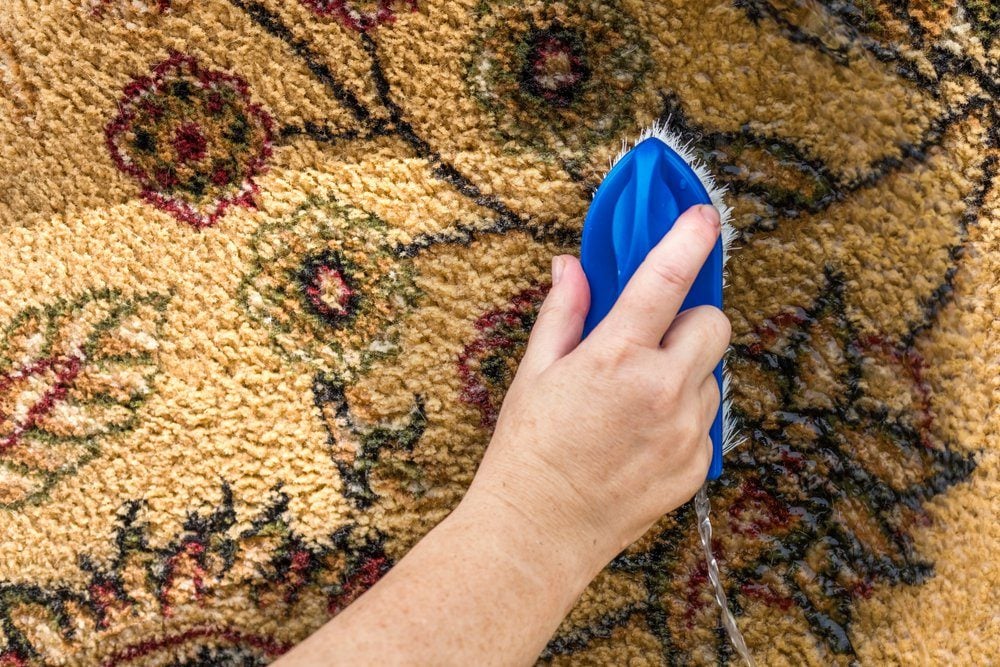
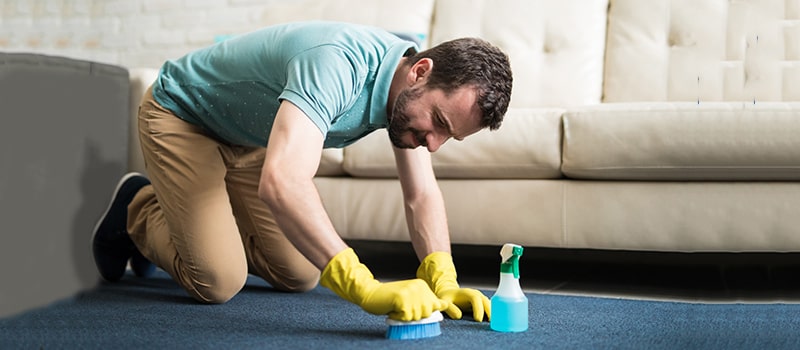
Similar to the damp cloth, but allows for more targeted application. Mix your cleaning solution (again, mild detergent or vinegar/water). Put it in a spray bottle. Lightly mist a small section of the rug. Don’t soak it. Just enough to dampen the fibers. Use a soft-bristle brush (a dedicated upholstery brush or even a soft scrub brush) to gently work the cleaner into the fibers. Then, wipe the area with a clean, damp cloth (plain water) to rinse. Blot dry with a clean towel. Repeat section by section. This gives you a bit more control over the moisture level.
Drying: The Crucial Final Step
This is where many DIY rug cleaning attempts go wrong. A wet rug is a breeding ground for mold and mildew. It smells bad. It can ruin the backing. You need to dry it properly and efficiently.
12. Air Circulation is King
Once you’ve cleaned and ‘rinsed’ (blotted), open windows. Turn on fans. Point them directly at the rug. If you have a dehumidifier, run it in the room. The goal is to create as much airflow as possible. Move furniture off the rug if you can, to allow air to circulate underneath. Good airflow speeds up drying dramatically. This isn’t just about comfort; it’s about preventing serious damage.
13. Sunlight: Nature’s Dryer (With Caveats)
If possible and the rug material allows (check this!), place the rug in direct sunlight. Sunlight is a natural disinfectant and helps dry things out quickly. However, prolonged direct sunlight can fade certain dyes, especially on older or natural fiber rugs. So, use this method strategically. Maybe a few hours here and there, or on a less intense suy day. Be smart about it. A few hours of sun is good, baking it for days might not be.
Watch: How To Clean Your Rug At Home | No Professional Equipment
14. The Towel Blot Method, Revisited
After air drying begins, keep blotting with dry towels periodically. Press down hard, or even stand on the towels (with clean feet!) to absorb more moisture. This helps pull water out of the deeper fibers and backing. You can swap out damp towels for dry ones. It’s labor-intensive but effective for removing residual dampness.
15. Resist the Urge to Walk On It
Seriously. Don’t walk on a damp rug. Your body weight will push dirt back into the fibers and can flatten them unevenly. Wait until it’s completely dry. Completely. I learned this the hard way after cleaning a small rug and then letting my dog, Buster, walk all over it an hour later. Turned my clean rug into a dusty mess again. Patience, grasshopper. Wait it out. A good rule of thumb is to wait at least 24 hours, even if it feels dry to the touch. Check the backing, too.
A Quick Table: Common Rug Materials & Care
Knowing your rug material is half the battle. Here’s a quick cheat sheet:
| Material | Cleaning Notes | Best Cleaning Method (No Machine) |
|---|---|---|
| Wool | Sensitive to heat & harsh chemicals. Prone to shrinking. Natural fibers. | Mild detergent (like Woolite), cool water, vinegar solution. Blotting. Dry cleaning powders. Air dry. |
| Synthetic (Nylon, Polyester, Polypropylene) | Durable, generally resistant to stains and fading. Can handle most cleaners. | Most methods work. Vinegar, dish soap, baking soda. Damp cloth. Dry cleaning foams/powders. |
| Natural Fibers (Sisal, Jute, Seagrass) | Very sensitive to moisture. Can stain easily and warp. Low pile usually. | Minimal moisture. Spot clean immediately. Dry cleaning powders are best. Blotting. Air dry quickly. Avoid saturating. |
| Viscose/Rayon | Looks like silk but is very delicate. Prone to water stains and can become stiff. | Extreme caution. Spot clean only with specialized cleaners. Blotting. Minimal moisture. Usually best left to pros if heavily soiled. |
| Silk | Extremely delicate. Water can cause permanent damage and discoloration. | Professional cleaning highly recommended. For very minor spots, use extreme caution with specialized silk cleaners and blotting. |
Final Thoughts: Your Rug, Your Rules
See? No giant machine needed. You can have a fresh, clean rug without the expense and hassle. It takes a bit of elbow grease, some patience, and the right approach. But the result? A cleaner home, and the satisfaction of doing it yourself. So next time you’re looking at that grubby rug, don’t despair. Grab your cloths, your vinegar, and your vacuum. You got this. Honestly, the feeling of accomplishment is almost as good as the clean rug itself. Almost.
Frequently Asked Questions
What is the easiest way to clean an area rug?
The easiest way to clean an area rug without a machine is often a combination of thorough vacuuming followed by a dry cleaning powder treatment. You sprinkle the powder, brush it in, let it sit to absorb dirt and odors, and then vacuum it all up. It’s low-moisture, relatively quick, and effective for general grime.
How often should I clean my area rug?
For high-traffic areas, aim for a deep clean (like a dry powder treatment) every 3-6 months. For less-used rugs, once a year might suffice. Regular vacuuming (weekly or bi-weekly) is essential regardless of deep cleaning frequency to prevent dirt from embedding.
Can I use household cleaners on my rug?
Some household cleaners can be used cautiously, but always test in an inconspicuous area first. White vinegar and water mixtures, a tiny amount of mild dish soap, or baking soda are generally safe and effective for many common stains and odors. Avoid harsh chemicals like bleach or ammonia unless specifically recommended for your rug material and the stain type, and even then, use with extreme caution.
What if I have pet stains on my rug?
For pet stains, act fast! Blot up as much as possible immediately. Use a solution of equal parts white vinegar and water to neutralize odors and break down the stain. For tougher or older stains, a specialized enzymatic pet stain remover designed for carpets can be very effective. Always blot, never rub, and ensure the area dries completely afterward.
How long does it take for a rug to dry after cleaning without a machine?
Drying time varies significantly depending on the method used and ambient conditions. If you only used dry cleaning powders or minimal damp cloth wiping with good airflow (fans, open windows), it could dry within a few hours. If you used more moisture, it might take 24 hours or more. The key is to ensure it’s completely dry, especially the backing, to prevent mold and mildew.