How To Clean Agitator On Washing Machine
Stop the Stink: How To Clean Agitator On Washing Machine
Look, your washing machine agitator. It’s the thing that spins your clothes into oblivion. Or, it should. But if it’s caked with gunk? Forget clean clothes. You get mildew. You get funk. You get excuses for not doing laundry. Honestly, it’s not rocket science. But it ain’t exactly a walk in the park either if you’re clueless.
:max_bytes(150000):strip_icc()/how-to-remove-agitator-from-washing-machine-5211908-hero-1d1327a42ed94962af915e32891c5ab1.jpg "How To Clean Agitator On Washing Machine 1")
This isn’t some fluff piece. This is about getting your damn agitator clean so your clothes don’t smell like a wet dog’s armpit. The thing is, gunk builds up. Detergent residue, fabric softener slime, hair, lint, the ghosts of socks past. It all clings on. And where does it cling? Right on your agitator. And then it transfers. Gross.
The Grimy Truth About Agitators
The Agitator Ain’t Self-Cleaning
Nobody tells you this upfront. You buy a machine. You expect it to, you know, clean. But the agitator? It’s a gunk magnet. Especially those older top-loaders with the giant spindle. I remember my grandma’s Maytag from ’87. That thing ran for 30 years, and I bet that agitator was nastier than a dumpster fire. She never once cleaned it.
Mold Loves the Agitator
Mold. Fungus. Whatever you call it. It thrives in damp, dark places. Your washing machine? Prime real estate. That agitator, with all its nooks and craies, is practically a five-star resort for mold colonies. It’ll spread. It’ll stink. You’ll be buying new clothes sooner than you plaed.

Your Agitator Cleaning Arsenal
Gather Your Weapons
You don’t need a hazmat suit. But you need some basics. Gloves? Yeah, probably. A stiff brush? Definitely. Bucket? Sure. And your cleaning agents. Forget fancy cleaners. We’re going old school, effective stuff. Like white vinegar. Baking soda. Maybe some bleach if you’re brave and your machine can handle it (check the manual, idiot).
Vinegar: The Silent Killer of Gunk
White vinegar. Cheap. Effective. Kills mold. Dissolves scum. A half-cup to a full cup. Pour it right in the drum. Then run a hot water cycle. Empty. Then maybe another hot cycle with a cup of baking soda. Get it all out. The smell? Gone. The gunk? Less so. We gotta get physical.
The Deep Dive: Physically Cleaning the Agitator
Pop the Top (If You Can)
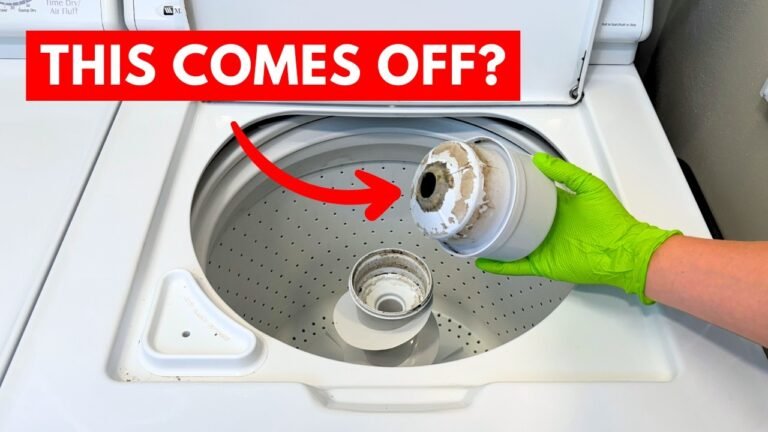
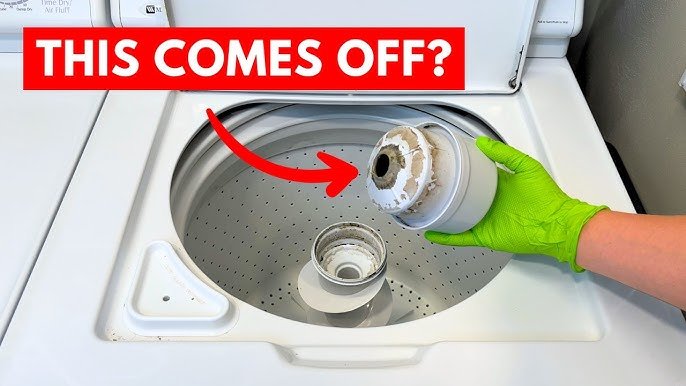
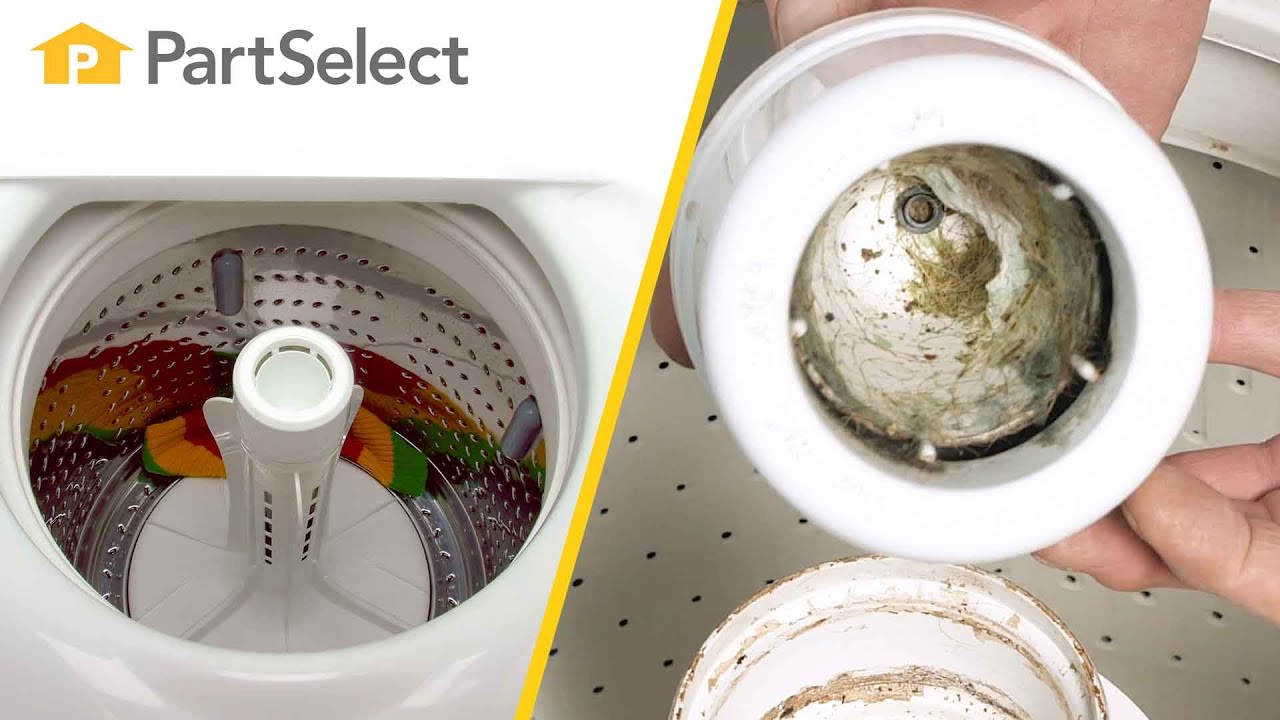
Some agitators have removable caps. Mine did. A simple twist, sometimes a little prying. The key is knowing your machine. Check the manual. Or Google it. If you can get the cap off, you’re halfway there. That’s where the real nasties hide.
Scrub Time: No Mercy
Got the cap off? Good. Now grab that brush. Get in there. Scrape. Scrub. Use a paste of baking soda and water if needed. You’ll find hair, lint, who knows what else. Back in ’05, cleaning my buddy’s Kenmore, I found a dried-up roach. True story. Get it out. Every. Single. Bit.
Wipe Down Everything
Even if the cap doesn’t come off, you can still scrub the exterior of the agitator. And the inside of the drum. Use a vinegar-soaked rag. Or that baking soda paste. Wipe it all down. Don’t miss spots. A clean machine starts with clean parts.
Agitator Cleaning Cheat Sheet
| Step | Action | Why |
|---|---|---|
| 1 | Run hot cycle with 1 cup white vinegar. | Dissolves residue, kills some germs. |
| 2 | Run hot cycle with 1 cup baking soda. | Neutralizes odors, lifts grime. |
| 3 | Inspect & remove agitator cap (if possible). | Access hidden gunk. Crucial step. |
| 4 | Scrub agitator & cap with brush/paste. | Physical removal of buildup. Gets nasty. |
| 5 | Wipe down drum interior. | Final clean. Prevent recontamination. |
Maintenance is Key
Don’t wait six months. Do this every 2-3 months. Or more if you’re washing muddy kids’ clothes constantly. A little effort prevents a big, smelly problem. To be fair, it’s easier than dealing with a broken machine.
Frequently Asked Questions
How do you clean the inside of the agitator on a washing machine?
If your agitator has a removable cap, pop it off. Use a stiff brush and a baking soda paste to scrub away all the accumulated lint, hair, and residue trapped inside. Rinse thoroughly before replacing the cap. If the cap isn’t removable, focus on scrubbing the exterior and accessible nooks with a brush and cleaning solution.
How to get mold out of a washing machine agitator?
Start with a hot water cycle using 1-2 cups of white vinegar poured directly into the drum. Follow this with another hot water cycle using 1 cup of baking soda. For stubborn mold, especially inside a removable agitator cap, use a paste of baking soda and water with a stiff brush to scrub the moldy areas. A diluted bleach solution (check your manual first!) can also be used cautiously for severe mold.
Can I use bleach to clean my washing machine agitator?
Yes, but carefully. Always check your washing machine’s manual first to ensure bleach is safe for your model and its components. If it is, you can run a hot cycle with about 1 cup of bleach after cleaning out excess debris. Never mix bleach with vinegar or ammonia; dangerous fumes result.
How often should I clean my washing machine agitator?
It’s a good idea to clean your washing machine agitator at least every 2-3 months. If you frequently wash heavily soiled items, or if you notice odors or residue buildup sooner, increase the frequency to monthly.
What are the signs my agitator needs cleaning?
Smelly clothes after washing are the biggest sign. You might also see visible grime, lint, or hair clinging to the agitator itself or around the top of the drum. Residue on clothes, or reduced washing performance, can also indicate a dirty agitator.
Watch: Clean and Remove Washer Agitator | GE Washer Agitator …