How Often To Clean Washing Machine Filter
Stop Stinking Up Your Clothes, Genius. Clean The Damn Filter.
Look, nobody likes doing chores. But ignoring your washing machine filter? That’s a special kind of stupid. Your clothes come out stinking. Your machine sounds like a dying robot. This isn’t rocket science, people. It’s about how often to clean washing machine filter, and frankly, you’re probably way overdue.
I saw a guy once, lived in filth. His machine? A biohazard. Smelled like a gym sock marinated in a swamp. Said he ‘never thought about it.’ Yeah, right. The thing is, these filters catch all the nasty bits. Lint, hair, loose change, that weird button you lost three years ago. Let it pile up, and it’s a one-way ticket to Bad Laundry Town. Population: You.
So, how often? We’ll get to that. But first, why should you even care? Simple. A clogged filter means a bogged-down machine. It strains the pump. It makes your detergent work harder for less. It’s the plumbing equivalent of a heart attack. Don’t be that guy.
The Filter: Your Machine’s Unsung (And Usually Filthy) Hero
What It Does. No Fluff.
The filter’s job is basic: trap the junk. Your washing machine agitates clothes, right? It sheds fibers. Bits of paper. Maybe that tissue you forgot in your pocket. Gone. Into the filter it goes.
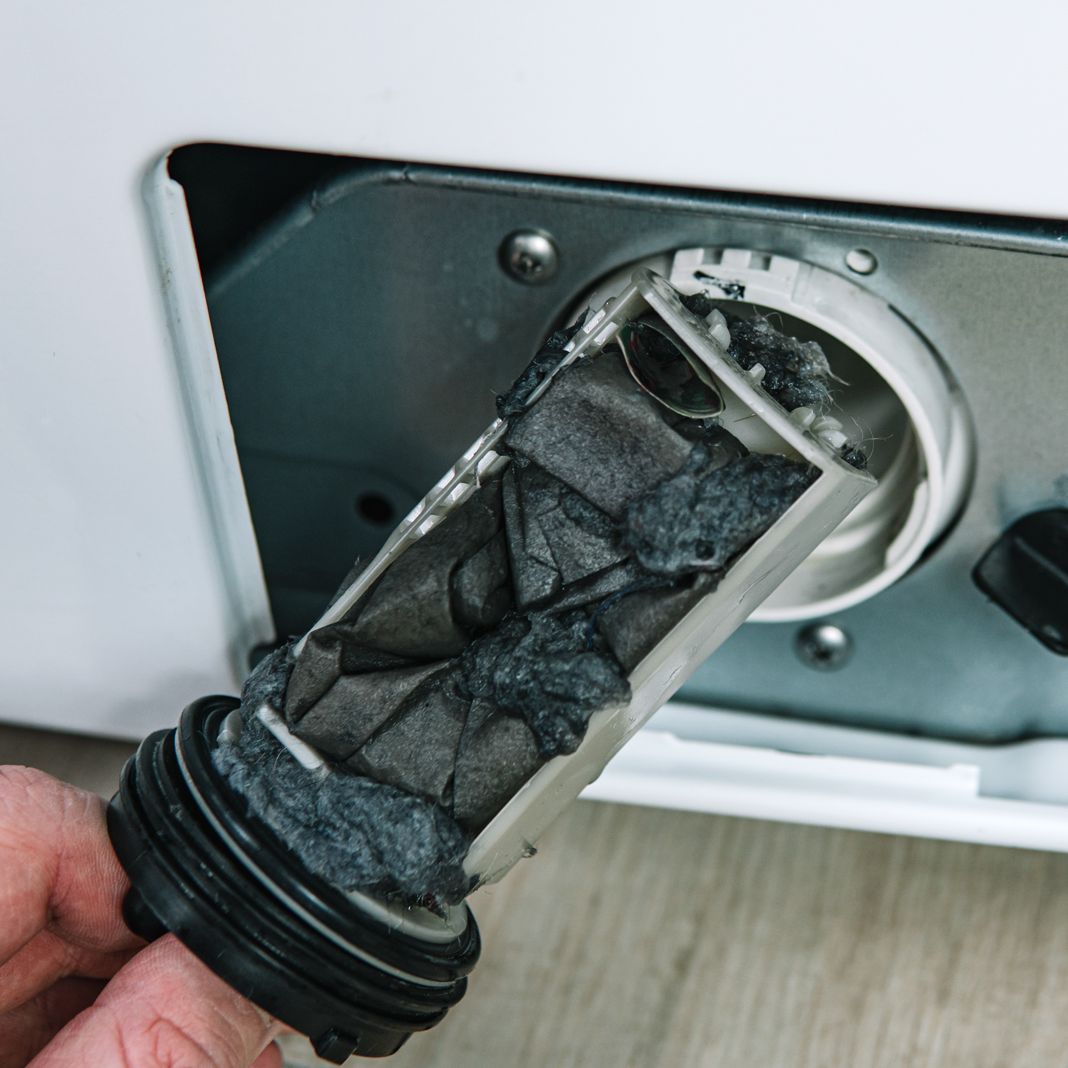
Think of it like your vacuum cleaner bag. If that thing’s overflowing, your vacuum ain’t sucking squat. Same deal here. A clean filter means efficient drainage. It means your machine doesn’t have to fight a tidal wave of gunk just to get rid of dirty water.
Why It Gets Gross. Obvious, Isn’t It?
Lint. Hair. Pet fur – don’t even get me started. Loose change you forgot was in your jeans. Small socks that mysteriously vanish (they get stuck, then rot). Makeup residue. Even tiny bits of plastic from clothing tags. It all accumulates. Over time. Like a bad relationship.
This sludge isn’t just unsightly. It’s a breeding ground for mold and mildew. That’s where the funk comes from. The musty smell that clings to your supposedly clean clothes. It’s the filter’s fault. Always.
How Often To Clean Washing Machine Filter: The Real Answer
The Short Version: More Than You Think.
Honestly? Every 1 to 3 months is a good baseline. But it depends. Your mileage may vary, as they say. If you’ve got pets shedding enough fur to knit a second dog? Bump it up. If you’re washing heavy-duty work clothes constantly? Bump it up.
If you’re one of those people who washes one small load of delicates per week? Maybe 4-6 months is okay. Maybe. But let’s be real, who does that? Most folks run their machine 3-5 times a week. For those people, 1-3 months is non-negotiable.
Factors That Demand More Frequent Cleaning
Pets, Pets Everywhere
Pet hair is the enemy of clean. It’s fine, it clings, it multiplies. If you’re washing dog beds or cat blankets? You need to check that filter weekly. Seriously. I’ve seen filters so clogged with fur they looked like felt.
Heavy Use Cycles
Gym clothes. Towels. Muddy work jeans. These things dump more debris into the machine. They require more frequent filter checks. Think every 4-6 weeks for heavy users.
Hard Water Woes
Hard water leaves mineral deposits. These can combine with lint and gunk, creating a stubborn crust. If you’ve got hard water, clean that filter more often. Every 2 months, minimum.
Signs Your Filter Is Screaming For Help
Listen to your machine. It’s not just making noise; it’s telling you something’s wrong. Strange noises? Drainage issues? Clothes still smelling funky after a wash? Your filter is probably choked. That’s the simplest indicator. Don’t ignore it. It’s not goa fix itself.
I remember my neighbor’s machine. Started making this grinding noise. Sounded like rocks in a blender. She kept ruing it. Blew the pump. Cost her $400 to fix. All because she couldn’t be bothered to spend 15 minutes cleaning a filter. Dumb.
Locating Your Washing Machine Filter: It’s Not Hiding That Well
Front Loaders: The Usual Suspects
Most front-loaders have the filter accessible from the front. Usually behind a small, kick-plate-like panel at the bottom. You might need a screwdriver or even just your fingernails to pop it open. It’s often right near the drain pump.
Check your machine’s manual if you’re clueless. They usually have diagrams. Don’t guess. You don’t want to be prying off random panels hoping for the best. That’s how you break things.
Top Loaders: Sometimes Trickier
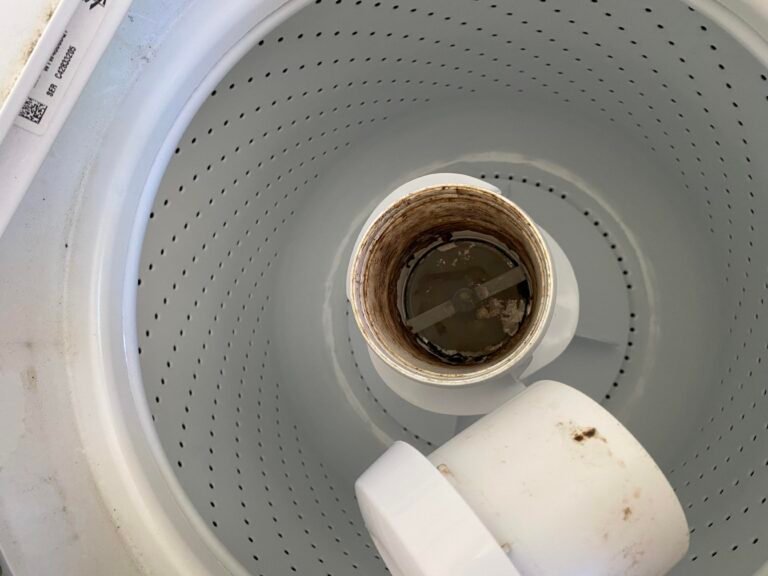
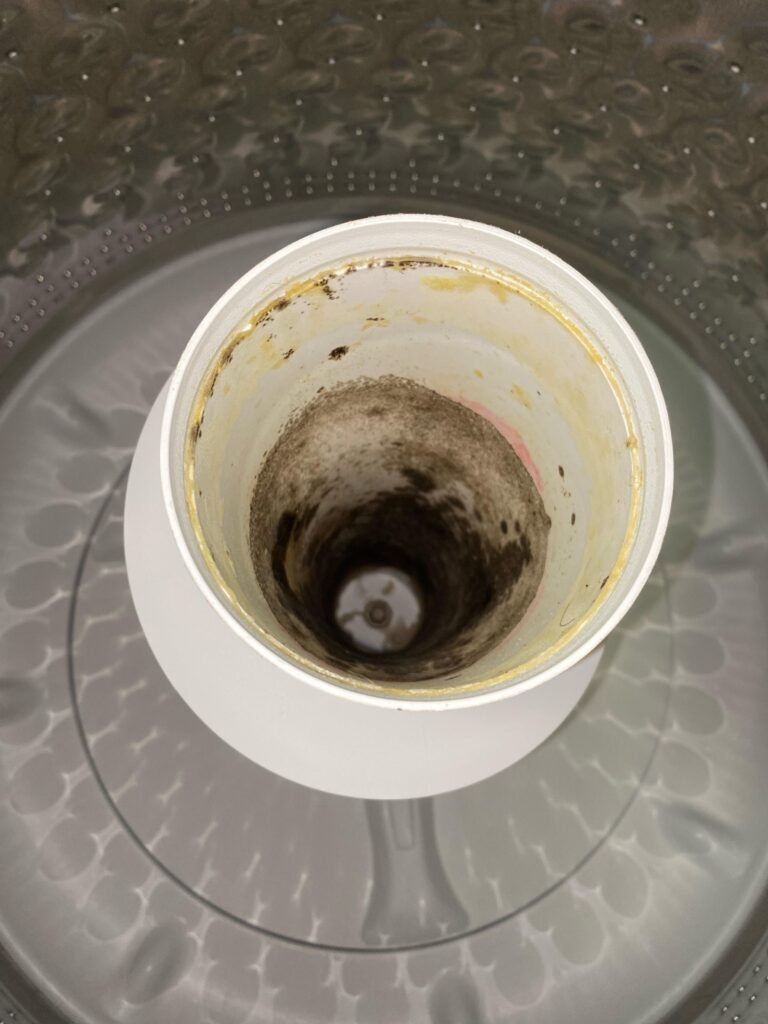
Top-loaders can be different. Some have internal filters, often in the agitator (that central post). Others might have a pump filter similar to front-loaders, but it might be located at the back or side.
:strip_icc()/BHG-How-To-Clean-a-Washing-Machine-Filter-Step-01-c42a1c35e42a4aa983e1a4455aa5d91b.jpg "How Often To Clean Washing Machine Filter 2")
Again, the manual is your friend. If you can’t find it, a quick online search for your specific model number usually brings up guides and videos. It’s out there. You just gotta look.
How To Clean That Grimy Filter: Simple Steps, Big Results
Step 1: Prep For The Mess
Turn off the machine. Unplug it. Safety first, people. Then, grab some old towels and maybe a shallow pan. Water WILL come out. A lot of it. Don’t say I didn’t warn you. I learned this the hard way in my first apartment. Water everywhere. Ruined a stack of magazines.
Step 2: Access and Remove
Open that panel. You’ll see the filter housing. It’s usually a screw-on cap. Turn it slowly. Brace yourself for the water. Let it drain into your pan. Once it’s mostly empty, unscrew the filter the rest of the way.
Pull it out. Don’t be surprised if it looks… biblical. Seriously. It’s probably covered in lint, hair, maybe even some crusty soap scum. Ugh.
Step 3: The Actual Cleaning
Take the filter to a sink. Use warm water. Get rid of the loose gunk. Use an old toothbrush or a soft brush to scrub away anything stuck on. Rinse it thoroughly. Make sure all the holes are clear.
For really stubborn gunk? A little bit of mild dish soap can help. Don’t use harsh chemicals. You don’t want to damage the filter material. Just a gentle scrub is usually enough.
Step 4: Clean The Housing (Don’t Forget This Part!)
While the filter is out, clean the housing it came from. Wipe it out with a damp cloth or paper towel. Get rid of any gunk left behind in there. This is crucial. Putting a clean filter back into a dirty cavity defeats the purpose.
Step 5: Reassemble and Test
Screw the clean filter back in. Make sure it’s snug. Close the access panel. Plug the machine back in. Turn it on. Run a short rinse cycle or drain cycle. Check for leaks around the filter area.
If all is good, you’re done. Put your nice, clean towels away. And try not to let it get that bad again. Seriously. It takes like, 15 minutes. Tops.
When NOT To DIY: The Real World
If You’re Clueless and Scared
Look, not everyone’s mechanically inclined. If the thought of touching your washing machine makes you sweat, don’t force it. Call a professional. It’s better than breaking your machine and paying way more.
If It Looks Like a Science Experiment Gone Wrong
Sometimes, filters are just… beyond help. Fused with gunk. Cracked. If it looks like it’s going to disintegrate when you touch it, stop. Order a replacement filter. They’re usually pretty cheap online. Check your manual or manufacturer’s website for the right part number.
If Your Machine is UNDER WARRANTY
Messing with parts of your machine might void the warranty. If your machine is still new-ish, check the warranty terms. If you’re unsure, call the manufacturer or a certified repair person before you start poking around.
The Cost of Neglect: A Grim Table
Ignoring this simple task isn’t just about funky clothes. It’s about potential damage and cost. Here’s a breakdown:
| Problem | Potential Cost (USD) | Lifespan Impact |
| Reduced Efficiency / Longer Cycles | Minimal (Higher Energy Bills) | Minor |
| Foul Odors / Re-washing Clothes | Cost of Detergent, Water, Energy | None |
| Strain on Drain Pump | $150 – $400 (Pump Replacement) | Significant |
| Mold/Mildew Growth | $100 – $500+ (Deep Cleaning / Component Replacement) | Significant |
| Total Machine Failure | $500 – $1000+ (Machine Replacement) | Catastrophic |
See? Ignoring a $5 part can cost you $1000. That’s just bad math. It’s like skipping oil changes on your car. Eventually, the engine seizes. Don’t let your washer seize.
Pro Tips for Keeping Your Filter (and Machine) Happy
Check Pockets Religiously
Tissues, coins, lip balm tubes – they all end up in the filter. Make checking pockets a habit before you load the washer. It’s simple damage control.
Use the Right Amount of Detergent
Too much soap creates excess suds. These suds can trap lint and gunk, making the filter clog faster. Follow the detergent manufacturer’s instructions. No more, no less.
Regular Cleaning Cycles
Run an empty hot water cycle with a washing machine cleaner (like Affresh or something similar) once a month. This helps break down soap scum and any lingering gunk before it gets to the filter.
Don’t Overload
Stuffing the machine makes it work harder. It also means clothes can’t move freely, trapping more lint and debris against the filter area. Give your clothes room to breathe, and your filter room to function.
Frequently Asked Questions
What happens if you don’t clean your washing machine filter?
If you don’t clean your washing machine filter, you’re asking for trouble. Expect foul odors emanating from your clothes and the machine itself. Drainage will slow down, leading to longer cycle times and potentially leaving clothes soaking wet. The strain on the pump can cause it to overheat and eventually fail, leading to costly repairs. Mold and mildew can grow, creating a health hazard and damaging internal components. Eventually, it can lead to total machine failure.
How often should I check my washing machine filter if I have pets?
If you have pets, especially those that shed a lot, you should be checking your washing machine filter at least once a month, and potentially every couple of weeks if you wash pet bedding frequently. Pet hair is notorious for clogging filters quickly and can lead to the issues mentioned above much faster than in a pet-free household.
Can a clogged washing machine filter cause clothes to not get clean?
Yes, absolutely. A clogged filter impedes proper water drainage and circulation. This means dirty water might not be fully expelled, or clean rinse water might not reach all parts of the load effectively. Less effective washing and rinsing leads to clothes that don’t come out truly clean and can retain odors.
What if my washing machine doesn’t seem to have a filter?
While less common now, some very old or very basic top-loading models might not have an easily accessible, user-serviceable filter. However, most modern machines, both front and top-loading, do have one. Double-check your user manual. If you genuinely can’t find one, the machine likely has a self-cleaning pump system or the filter is integrated in a way that requires professional servicing. Consult your manual or manufacturer.
Is it normal for water to come out when I remove the filter?
Yes, it is completely normal and expected for water to come out when you remove the washing machine filter. The filter is located at the lowest point of the water system. When you unscrew it, residual water from the drum and hoses will drain out. That’s why it’s important to have towels and a shallow pan ready before you start the removal process.
Should I replace my washing machine filter if it’s cracked?
Yes, you absolutely should replace a cracked washing machine filter immediately. A crack, no matter how small, compromises the filter’s ability to do its job and can lead to leaks. More importantly, water or debris could bypass the filter through the crack, potentially damaging the drain pump or other internal components. Replacement filters are relatively inexpensive and readily available from appliance parts suppliers.