How Often To Clean Cpap Machine
Stop Licking Your CPAP Mask, Ya Freaks
Look, if you’re dragging around one of those CPAP machines – and you are – then you know the drill. Sleep apnea. The mask. The hose. The constant fight against the encroaching void. But what are you doing about the gunk? The mold? The microscopic horrors growing in your humidifier tub? Honestly, most of you aren’t doing nearly enough. Let’s cut the crap. This isn’t rocket science. It’s basic hygiene. And if you’re wondering How Often To Clean Cpap Machine, you’re already behind the damn curve.
I’ve seen the nightmares. The lazy slob who uses his CPAP mask like a biohazard petri dish. The ‘set it and forget it’ idiot who hasn’t touched a cleaning wipe in six months. The thing is, these machines breathe life into you. They keep you from suffocating in your sleep. The least you can do is keep the damn thing from turning into a breeding ground for lung rot. It’s not that hard. Get off your ass. Wash the damn thing.
The Daily Grind: What Needs Washing, Like, Yesterday
You bought this expensive piece of medical equipment to help you live. Don’t kill yourself with it. The daily clean is non-negotiable. You touch it. You breathe through it. It gets gross. Simple as that. I remember a guy, Dave, bless his asthmatic heart. Used his CPAP religiously. Never cleaned it. Caught pneumonia. Almost died. His wife still brings it up. Embarrassing for him, I guess. But true.
Your Mask Cushion: Every Single Damn Day
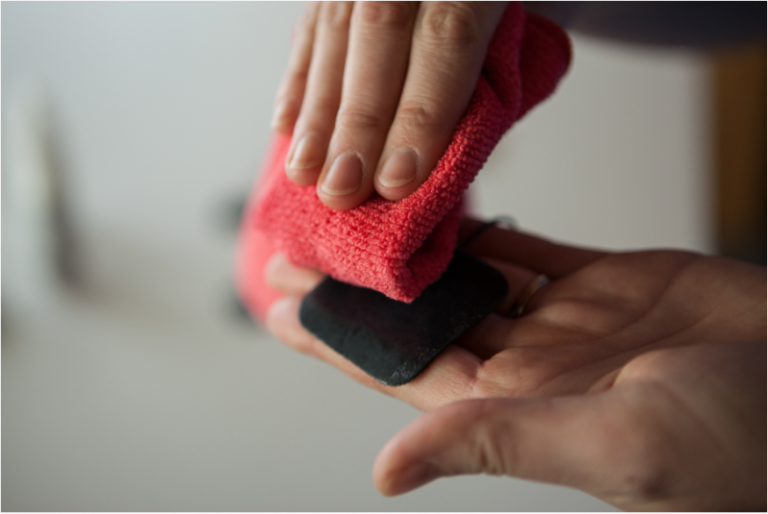
This is the part that seals to your face. Think about that. It’s soaking up sweat, oils, dead skin cells. All the good stuff that makes bacteria throw a goddamn rave. You need to wipe this down. Every. Single. Morning. Use a damp cloth. Mild soap and water is fine, too. Just don’t use anything harsh. Nothing that’ll degrade the silicone. You want that seal to work, right? Or do you enjoy air leaks sounding like a dying walrus?
The Humidifier Tub: Daily Rinse, Weekly Scrub
This is where the magic happens. Water. Warm, moist air. Perfect for mold. Perfect for algae. Perfect for making your lungs look like a swamp. Rinse this thing out every day. Use distilled water when you refill it. Dump out the old stuff. Don’t let it sit. Then, once a week, give it a proper scrub. Soap and water. Let it air dry completely. No one wants to inhale yesterday’s bathwater. That’s just disgusting.
The Weekly Ritual: Deeper Cleans for Deeper Breathing
Some parts don’t need the daily spa treatment. But they still need love. Neglect them, and you’re just asking for trouble. You’re trading a few minutes of cleaning for a week in the hospital. Seems like a bad deal to me. The cost of a good cleaning brush is like $15. A trip to the ER? Try $15,000. You do the math.
:max_bytes(150000):strip_icc()/how-to-clean-cpap-3015322-v1-5c1ac1cc46e0fb0001e27563.png "How Often To Clean Cpap Machine 1")
Your CPAP Tubing: Once a Week, Soak and Rinse
This is the highway for your air. It’s a flexible tube. It’s going to collect condensation. It’s going to collect whatever microscopic nasties decide to hitch a ride. Once a week, submerge this thing in warm, soapy water. Use a CPAP tube brush if you can get one. Scrub the inside. Rinse it thoroughly. Hang it up to dry. Make sure it’s bone dry before you hook it back up. Damp tubing equals mold central.
Your CPAP Machine Exterior: A Quick Wipe-Down
The actual machine. It sits there, humming away. It collects dust. It collects… well, whatever floats around in your bedroom air. You don’t need to take it apart. Just grab a damp cloth. Wipe down the casing. Make sure the filter area is clear. A clean machine runs better. And it looks less like something you found in a dumpster. It’s a visual thing, sure, but it matters.
The Monthly Overhaul: Filters and Deeper Disinfection
We’re getting serious now. Monthly checks mean you’re thinking ahead. You’re not just reacting to the smell of mildew. Filters are critical. They’re the gatekeepers of your lungs. If they’re clogged, your machine struggles. If they’re dirty, your lungs get assaulted. Don’t be that guy. Replace them on schedule.
Filters: Replace, Don’t Just Clean (Usually)
Most disposable filters? You chuck ‘em. Check your manual. But if it’s a reusable one, rinse it under cold water. Let it air dry. Never use soap on a filter. Never. And replace them. Disposable ones usually go every 2-6 weeks. Reusable ones might last 6 months. Depends on your environment. Dust? Pets? Smoking? You’re changing them more often. Period.
The Humidifier Tub: A Deeper Soak
Once a month, maybe more if you live in a humid climate or have allergies, give that humidifier tub a serious soak. A vinegar solution works wonders. Mix one part white vinegar to three parts distilled water. Let it sit for about 30 minutes. Then wash it out thoroughly with warm water. Rinse, rinse, rinse. Then air dry. This kills anything the soap missed. It’s cheap insurance against lung infections.
The ‘How To’ Guide: Step-by-Step Sanity
Alright, enough yelling. Let’s get practical. Here’s the breakdown. Follow this. You’ll thank me later. Or you won’t. I don’t care. Just do it.
Daily Mask Cleaning Ritual
- Remove Mask: Take it off first thing in the morning.
- Disassemble: Separate the cushion from the frame. If you have a headgear, unstrap it.
- Wash Cushion: Gently wash the cushion with warm water and mild, non-moisturizing soap. Use your fingers or a soft cloth.
- Rinse Thoroughly: Make sure all soap residue is gone.
- Air Dry: Place the cushion and frame on a clean towel or drying rack. Let it air dry completely. Avoid direct sunlight; it can degrade materials.
- Wipe Down: Use a damp cloth to wipe down the mask frame and any straps.
Weekly Tubing and Humidifier Clean
- Empty Humidifier: Dump any remaining water from the humidifier chamber.
- Soak Tubing: Submerge the CPAP tubing in a basin of warm water with a few drops of mild dish soap. Use a CPAP tube brush to clean the inside if possible.
- Wash Humidifier Tub: Wash the humidifier chamber with warm, soapy water. Scrub gently.
- Rinse Everything: Rinse the tubing and humidifier chamber thoroughly under ruing water. Ensure no soap residue remains.
- Air Dry: Hang the tubing over a shower rod or drying rack. Place the humidifier chamber on a clean towel or drying rack. Ensure both are completely dry before reassembly.
What NOT To Do: Don’t Be an Idiot
This is crucial. People screw this up constantly. They use the wrong stuff. They get lazy. Don’t be that person. Your health is literally on the line here. It’s not a suggestion. It’s a survival tactic.

Harsh Chemicals Are Your Enemy
Bleach. Rubbing alcohol. Harsh detergents. Forget about them. They can damage the plastic and silicone of your mask and tubing. Worse, they can leave residue. You don’t want to inhale fumes from industrial cleaners. That’s a one-way ticket to lung city, population: you, deceased.
The ‘Ozone Cleaner’ Scam
Let’s talk about these fancy ozone cleaning devices. They promise a hands-off, deep clean. Sounds great, right? Wrong. The FDA has warned about these things. They can break down your equipment. They can leave ozone residue that’s harmful to breathe. Most CPAP manufacturers advise against them. Stick to soap and water. It’s boring, but it works. And it doesn’t void your warranty. Or kill you.
Skipping Steps = Skipping Life
The thing is, cleaning is a process. Every step matters. Rinsing isn’t optional. Air drying isn’t optional. Using distilled water isn’t optional. Skipping these steps is like skipping your medication. It’s a gamble with your life. Don’t gamble. Just clean the damn thing.
When to Replace Parts: The Unpleasant Truth
Even with perfect cleaning, parts wear out. They get stretched. They get brittle. They get gross beyond redemption. You can’t clean away wear and tear. Know when to say goodbye.

Masks: Every 6 Months, Maybe Sooner
Cushions degrade. Seals weaken. Headgear stretches out. If you’re leaking air, if the mask feels loose, if it’s just… old, it’s time for a new one. Most insurance covers a new mask every six months. Use that benefit. Don’t hoard a leaky, disgusting mask.
Tubing: Every 6 Months Too
Cracks happen. Discoloration. Stiffness. Your tubing needs replacement too. Think of it like a garden hose. Eventually, it gets worn out. A new tube isn’t breaking the bank. It’s maintaining your therapy.
Humidifier Chamber: As Needed, But Check Often
These can get permanently stained or cracked. If you see damage, discoloration that won’t scrub out, or leaks, toss it. Replace it. Usually, they last a year or more if you care for them, but check for damage.
Filters: Based on Your Environment
As mentioned, disposable filters go every 2-6 weeks. Reusable ones, maybe 6 months. But if you have pets, live in a dusty area, or have allergies, you’re replacing them much more frequently. Listen to your machine. If it sounds strained, check the filter.
The Cost of Neglect: It Ain’t Pretty
Let’s get brutally honest here. What happens if you don’t clean your CPAP machine? It’s not just about a little dust. It’s about serious health risks.
Respiratory Infections
This is the big one. Bacteria and mold love stagnant water and damp surfaces. Your humidifier chamber and tubing are prime real estate. Inhaling this stuff day after day can lead to sinus infections, bronchitis, and even pneumonia. Remember Dave? Yeah. Pneumonia.
Aggravated Allergies and Asthma
If you have allergies or asthma, a dirty CPAP is your worst enemy. Pollen, dust mites, mold spores – they all get trapped in the machine and then get blown directly into your airways. This can trigger severe asthma attacks and make allergy symptoms unbearable. It’s like inviting the allergens in for a party.
Skin Irritations and Breakouts
That mask cushion sits right on your face. If it’s coated in oils, sweat, and dead skin, it’s going to clog your pores. You’ll get acne, rashes, and general irritation. Some people even develop painful sores or infections from a dirty mask. Charming, isn’t it?
Reduced CPAP Effectiveness
A dirty filter restricts airflow. A leaky mask means you’re not getting the full pressure therapy. This can make your sleep apnea worse, leading to more daytime fatigue, snoring, and all the other delightful side effects. You bought the machine to sleep better. Don’t let filth sabotage it.
The Unspoken Truth: CPAP Cleaning Schedule Comparison
Everyone’s different. Your environment, your habits, your machine – it all plays a role. But here’s a general guideline. Don’t use this as an excuse to slack off, though. This is a baseline. Bump it up if you need to.
| Part | Daily | Weekly | Monthly | Replace |
|---|---|---|---|---|
| Mask Cushion & Frame | Wash & Wipe | Deep Clean | – | 6 Months |
| Humidifier Chamber | Rinse & Refill | Wash & Soak | Vinegar Soak | As Needed/1 Yr |
| Tubing | – | Wash & Soak | – | 6 Months |
| Filters (Disposable) | – | – | Inspect | 2-6 Weeks |
| Filters (Reusable) | – | – | Wash | 6 Months |
| Machine Exterior | Wipe Down | – | – | N/A |

Final Word: Just Do It
Look, nobody likes cleaning. It’s a chore. But it’s a necessary one. Your CPAP machine is a lifeline. Treat it like one. Follow a schedule. Use the right supplies. Don’t fall for gimmicks. A clean machine means healthier sleep. And healthier sleep means a longer, better life. Stop making excuses. Start cleaning. It’s that simple. Honestly, it really is.
Frequently Asked Questions
Do I really need to clean my CPAP every day?
Yes. The parts that come into contact with your face and the water chamber need daily attention. We’re talking mask cushions, frames, and the humidifier tub. These areas collect oils, sweat, and moisture, creating a breeding ground for bacteria and mold if not cleaned daily. Skipping this basic step is asking for trouble.
How long can I go without cleaning my CPAP?
You shouldn’t go more than a day without cleaning essential parts. Daily cleaning of the mask cushion and rinsing the humidifier chamber is critical. Weekly deep cleans of the tubing and chamber are also non-negotiable. Going longer than a week without a proper cleaning significantly increases your risk of infections and other health issues. Honestly, even a few days can make a difference.
What is the best way to sanitize a CPAP machine?
The best and safest way to sanitize your CPAP equipment is through diligent daily and weekly cleaning with mild soap and water, followed by thorough rinsing and air drying. For deeper cleaning, a solution of one part white vinegar to three parts distilled water can be used for soaking the humidifier chamber and tubing monthly. Avoid harsh chemicals and unapproved ozone cleaners, as they can damage equipment and pose health risks.
Can I use regular tap water in my CPAP humidifier?
No, absolutely not. You should always use distilled water in your CPAP humidifier. Tap water contains minerals that can build up in the humidifier chamber, leading to scaling and potentially damaging the machine. More importantly, these minerals can be aerosolized and inhaled, irritating your airways. Stick to distilled water – it’s cheap and essential.
What are the signs my CPAP equipment needs replacing?
Look for visible signs of wear and tear. For masks, this includes persistent air leaks, stretched headgear, or cracking in the cushion. For tubing, check for stiffness, cracks, or discoloration. Humidifier chambers might show permanent staining or warping. If parts feel worn out, aren’t sealing properly, or look damaged beyond cleaning, it’s time for a replacement. Regular replacement ensures your therapy is effective and safe.