How Much Vinegar To Clean Washing Machine
Stop the Stink. Kill the Grime. The NO-BS Guide to How Much Vinegar To Clean Washing Machine.
Look, your washing machine is probably disgusting. We all know it. Smells like mildew, looks like a science experiment gone wrong. You shove your sweaty gym clothes in there, expecting miracles. What do you get? More stink. It’s time to fix it. And you don’t need fancy chemicals. You need that cheap bottle of white vinegar from the grocery store. That’s it. Honestly.
Forget the fluff. Forget the ‘eco-friendly’ nonsense that costs thirty bucks a bottle. We’re talking real cleaning here. Gritty, no-holds-barred. Your machine’s internal organs are likely coated in soap scum, lint, and god knows what else. We gotta blast that crud out. This isn’t rocket science, but you gotta do it right. And the question everyone asks? How much vinegar do I actually use?
The Vinegar Question: How Much Is Enough?
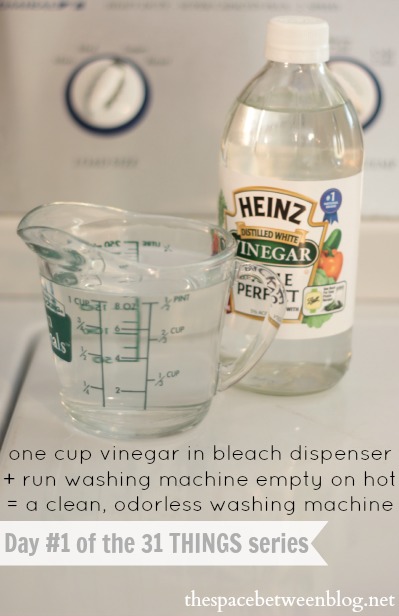
The short answer? About two cups. Yeah, that’s it. Two lousy cups of white vinegar. For most machines, front-loader or top-loader, this is your magic number. It’s enough to break down the gunk without going overboard and damaging seals or hoses. The thing is, people overthink this. They dump the whole bottle in. That’s stupid.
:max_bytes(150000):strip_icc()/how-to-wash-cloth-diapers-2146226-03-b8b4b7c954624ca98c049eec14a91570.jpg "How Much Vinegar To Clean Washing Machine 2")
Too much vinegar can actually cause problems. It’s acidic, remember? It can degrade rubber parts over time. So, stick to the script. Two cups. White distilled vinegar. Period.
Front-Loader vs. Top-Loader: Does It Even Matter?
Mostly, no. The amount of vinegar stays the same: two cups. The application changes. For a front-loader, you pour it directly into the detergent dispenser. For a top-loader, you pour it into the drum. Simple. Easy. Don’t make it complicated.
Front-Loader Method: The Delicate Dance
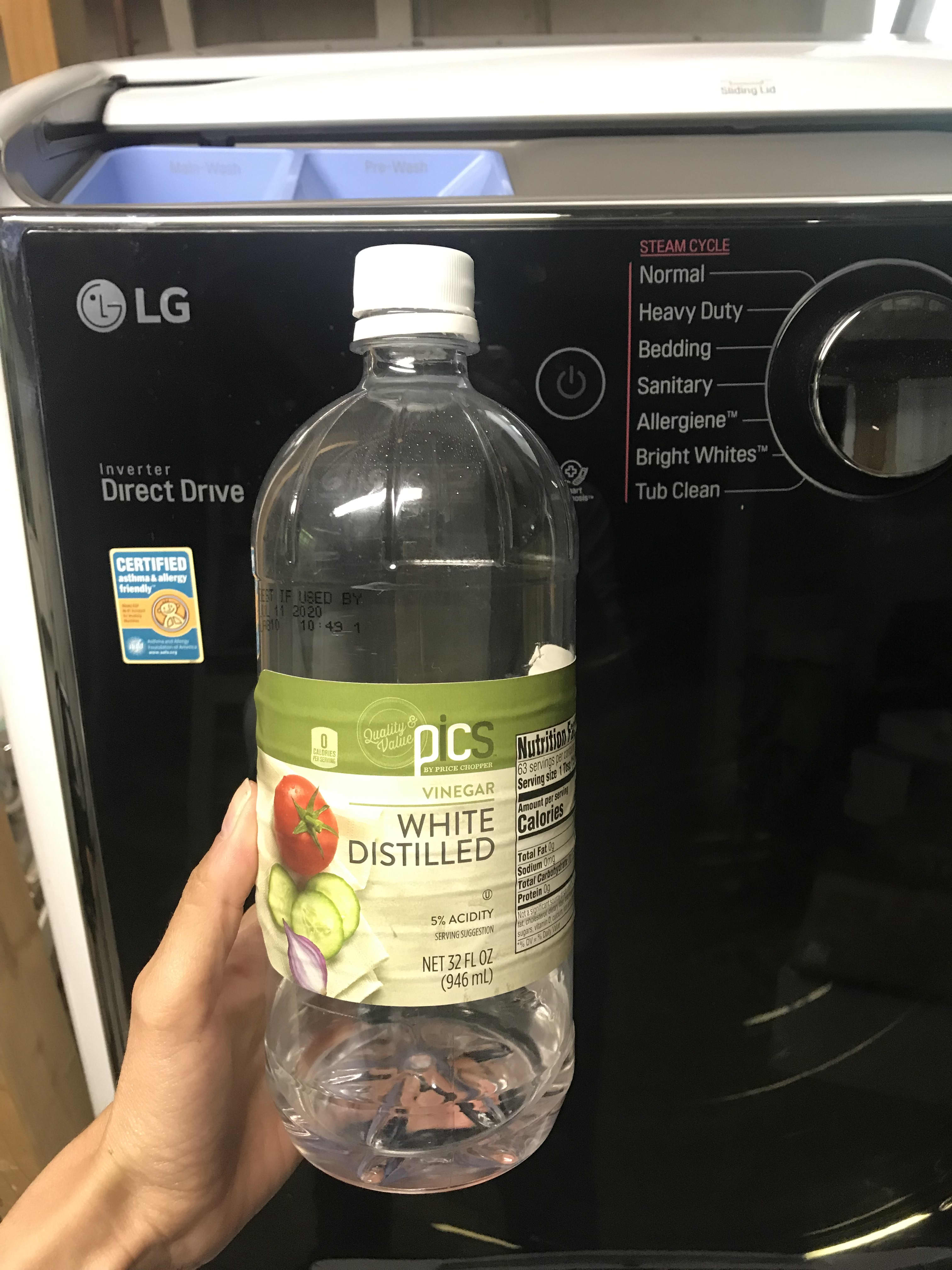
Get your two cups of white vinegar. Pour it into the main wash compartment of the detergent dispenser. This is key. You don’t want it all dumping in at once. You want it to trickle in during the wash cycle. This lets it work its magic slowly.
Then, run the machine on its hottest, longest cycle. Think ‘heavy duty’ or ‘sanitize.’ Let it churn. Let it soak. Let the vinegar do its thing against that built-up filth. No clothes, obviously. This is a cleaning run, not laundry day.
Top-Loader Method: The Big Splash
For you folks with the old-school top-loaders, it’s simpler. Just pour the two cups of white vinegar directly into the empty drum. Add it before you start the machine.
Again, crank up the heat. Select the hottest water setting your machine has. And choose the longest wash cycle available. Let it agitate, let it sit. Let that vinegar cut through whatever horrors lie beneath the surface. My grandma used to do this every spring. Said it was the only way to get the ‘rot’ out after winter storage. True story.
Why Vinegar? Because It Actually Works (Unlike Some Crap).
Look, vinegar is acetic acid. It’s a mild acid. It’s brilliant at breaking down mineral deposits – that’s your hard water gunk. It also tackles soap scum like nobody’s business. And, bonus, it helps kill mold and mildew. The stuff that makes your clean clothes smell less clean.
The Baking Soda Backup Plan
Some people swear by adding baking soda. They say it’s a dynamic duo. To be fair, baking soda is an abrasive. It can help scrub away residue. It also neutralizes odors. But is it necessary? Usually not.
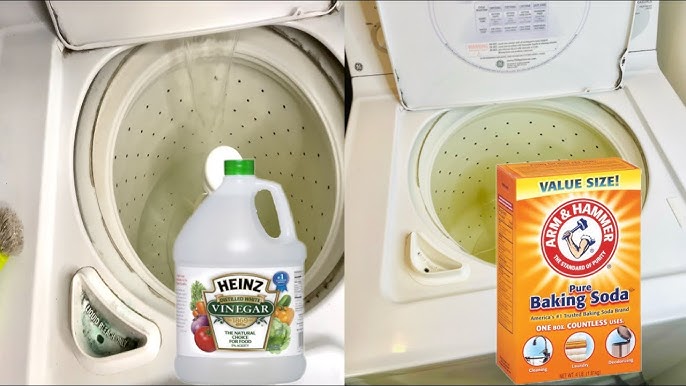
If your machine is truly apocalyptic, you can add about half a cup of baking soda to the drum before you start the cycle with the vinegar. But honestly, the vinegar alone usually does the trick. Don’t overcomplicate it unless you absolutely have to. I saw a machine once, back in ’08, that was so bad, it looked like a swamp. Baking soda helped then, sure. But that was an extreme case.
The Hot Water Hurdle
This is crucial. You NEED hot water. Cold water and vinegar? Not goa cut it. The heat is what activates the cleaning power. It softens the gunk. It helps the vinegar penetrate. If your machine doesn’t have a ‘sanitize’ or ‘heavy duty’ setting, use the highest temperature it offers. Don’t skimp here.
The Actual Process: Step-by-Flippin’-Step
Here’s the breakdown. No confusion. No ambiguity.
- Empty the Machine: Obvious, right? No clothes. No towels. Just the bare drum.
- Measure the Vinegar: Grab your trusty bottle of white distilled vinegar. Measure out two cups.
- Load the Vinegar:
- Front-Loader: Pour the vinegar into the main detergent dispenser.
- Top-Loader: Pour the vinegar directly into the empty drum.
- Add Baking Soda (Optional): If you’re feeling bold, or your machine smells like a week-old gym sock, add 1/2 cup of baking soda to the drum.
- Select the Cycle: Choose the hottest water setting and the longest, heaviest wash cycle available.
- Run the Machine: Let it do its thing. Don’t stop it. Let it complete the full cycle.
- Run a Second Rinse (Recommended): After the first cycle, run another rinse cycle. This helps wash away any lingering vinegar smell or loosened debris. Some people do a second vinegar wash after a few months, but one a month is usually plenty.
Don’t Forget the Details: Gaskets, Drawers, and Filters
Vinegar in the drum is great. But what about the nooks and craies? The places where the real nasties hide? You gotta hit those too.
The Gasket Grab (Front-Loaders Only)
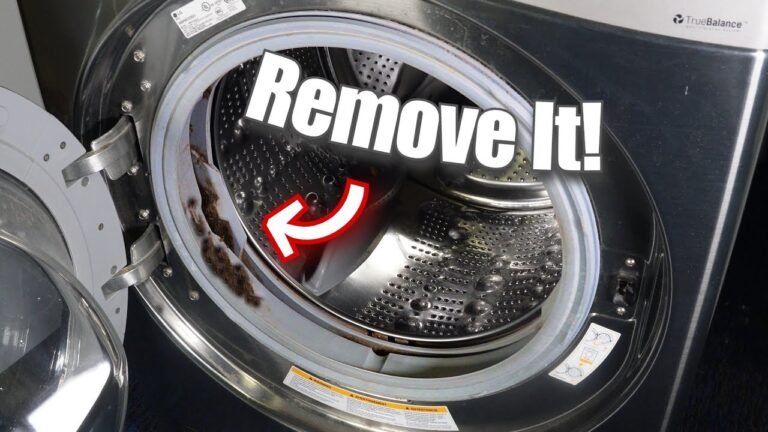
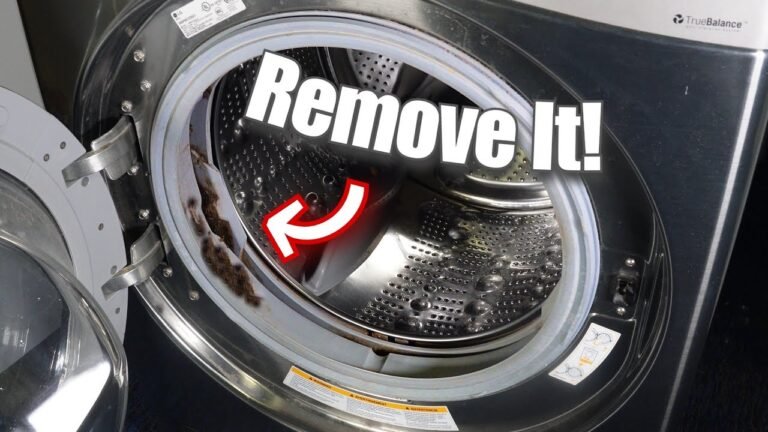
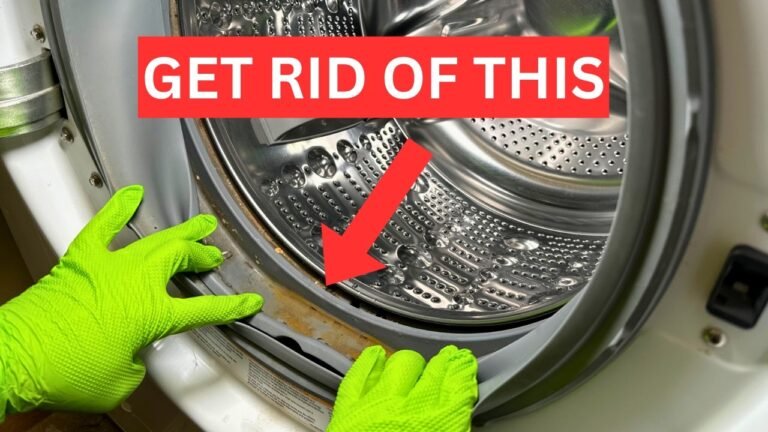
That rubber seal around the door? It’s a mold magnet. Pull it back gently. You’ll probably find black gunk. Wipe it down with a cloth dampened with vinegar. Or a diluted vinegar/water solution. Don’t be shy. Get in there.
The Drawer Dredge
Those detergent and softener drawers? They get slimy. Pull them out. Soak them in hot, soapy water. Scrub them with an old toothbrush. Rinse thoroughly. Vinegar can help here too if they’re really bad.
The Filter Fiasco
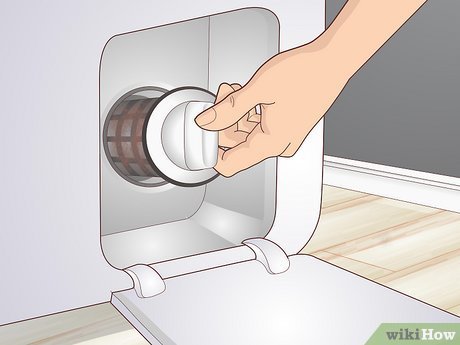
Most modern machines have a filter, usually at the bottom front. Check your manual. This thing traps lint, hair, loose change, and general filth. Clean it out regularly. It’s usually a simple screw-off cap. Be ready for some water to spill out. Keep a towel handy. Honestly, cleaning this filter is often overlooked but makes a huge difference.
How Often Should You Be Doing This?
Consistency is key. Don’t wait until your clothes start smelling after they’re washed. That’s too late.
For most households, ruing a vinegar cleaning cycle once a month is plenty. If you have a big family, lots of kids, or do a lot of sweaty sports laundry, maybe bump it to every three weeks. If you rarely use your machine, once every two months might suffice. But check it. Smell it. Don’t be lazy.
A Quick Comparison: Vinegar vs. Bleach
| Feature | White Vinegar | Bleach |
|---|---|---|
| Primary Use | Deodorizing, Soap Scum, Mineral Deposits | Sanitizing, Whitening, Mold Killing |
| Acidity | Mild Acid (Acetic Acid) | Strong Oxidizer (Sodium Hypochlorite) |
| Gentleness on Machine | Generally Safe (when used correctly) | Can Damage Rubber/Plastic Parts; Fumes Harsh |
| Effectiveness on Odor | Excellent | Masks/Kills, but can leave chemical smell |
| Effectiveness on Mold | Good | Excellent |
| Safety/Fumes | Relatively Safe, Vinegar Smell Dissipates | Harsh Fumes, Requires Ventilation |
Look, bleach is strong. It kills stuff. But it can wreck your machine over time. And the fumes? Ugh. Vinegar is safer, cheaper, and better for general grime and stink. For a truly mold-ridden, water-damaged disaster? Maybe bleach is the answer. But for routine cleaning? Vinegar wins. Hands down. My friend Brenda used bleach once a month for years. Her 10-year-old Whirlpool died a premature death. Coincidence? I doubt it.
Frequently Asked Questions
How much vinegar should I use to clean out my washing machine?
For most standard washing machines, both front-load and top-load, two cups of white distilled vinegar is the optimal amount. It’s enough to break down grime and odors without being harsh on the machine’s components.
Can I clean my washing machine with just white vinegar?
Absolutely. White vinegar is highly effective on its own for tackling soap scum, mineral deposits, and general odors. While baking soda can add some scrubbing power, it’s often not necessary for regular cleaning.
What is the correct way to use vinegar in your washing machine?
For front-loaders, pour two cups of white vinegar into the main detergent dispenser and run the machine on its hottest, longest cycle. For top-loaders, pour the vinegar directly into the empty drum before starting the hottest, longest cycle.
What happens if I use too much vinegar in my washing machine?
Using excessive amounts of vinegar can be detrimental. Its acidic nature can potentially degrade rubber seals and hoses over time, leading to premature wear and tear. Stick to the recommended two cups to avoid damage.
Can I leave vinegar in my washing machine overnight?
While letting vinegar sit for a bit can help loosen grime, leaving it in the machine overnight isn’t generally recommended for regular cleaning cycles. The recommended method is to run a full hot cycle with the vinegar to allow it to work and rinse away effectively. Prolonged stagnant contact could potentially increase the risk of damage to certain components.