How Much Vinegar And Baking Soda To Clean Washing Machine
The Truth About Vinegar and Baking Soda for Your Washer. Forget the fluff. This ain’t your grandma’s cleaning tip. This is dirt. Grime. Stank. How Much Vinegar And Baking Soda To Clean Washing Machine? Let’s cut the crap.
Look, your washing machine is a cesspool. Yeah, I said it. It’s where your dirtiest clothes go, and then… nothing. You run it, it spins, it looks clean. WRONG. Bacteria. Mold. All the nasty stuff festers in there. Honestly, it’s probably dirtier than the clothes you’re trying to wash. And you’re wondering, ‘How much vinegar and baking soda to clean washing machine?’ Simple. Enough to make a difference. Not some teaspoon nonsense.
I remember hauling my first “good” washer home. A shiny Maytag. Cost me nearly $900 back in ’09. Thought I’d keep it pristine forever. Used one cup of vinegar. Once. Big mistake. That was the start of the funk. The thing is, you gotta be brutal. You gotta hit it hard. Twice a year isn’t enough. Think quarterly. More if you’re a slob. Or have kids. Or pets. Or live in a swamp.
Why Vinegar and Baking Soda? It Ain’t Magic.
Vinegar. It’s acid. Acetic acid, 5%. Cuts through soap scum. Kills some of that funk. Baking soda. Sodium bicarbonate. Mild abrasive. Deodorizer. Together? They make a pretty decent fizz. That fizz? It’s not just for show. It helps lift gunk. It scrubs. It neutralizes odors that’d make a skunk blush. But you need the right amounts. Too little? Pointless. Too much? Maybe overkill, but honestly, for these machines, overkill is often just… right.
The Cold, Hard Numbers: How Much?
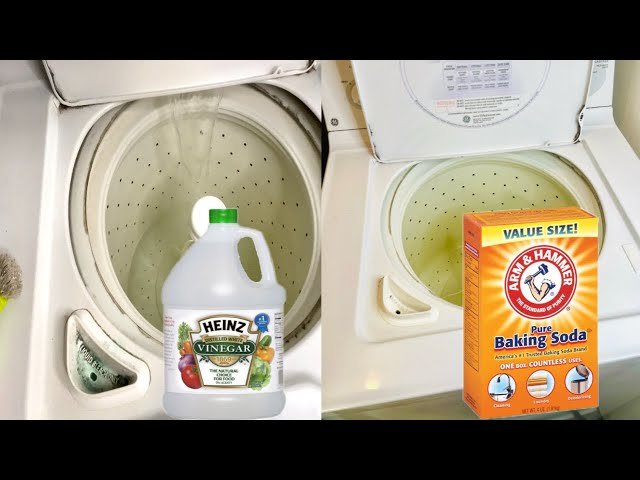
Forget those blogs saying “a splash of vinegar.” Garbage. For a standard top-loader? You’re looking at two cups of white vinegar. Yeah, TWO. Pour it directly into the drum. Don’t dilute it yet. Let it soak for a bit if you can. For a front-loader? These things are notorious stink-boxes. Use one cup of white vinegar. Pour it into the detergent dispenser. Let it sit. Don’t start the machine yet, you idiot.
Then comes the baking soda. For top-loaders: dump one cup of baking soda directly into the drum. For front-loaders: sprinkle half a cup of baking soda around the drum’s edge. Now you run the machine. Hot water cycle. Longest one you got. Let it rip. This ain’t a quick rinse. This is a deep clean. A purge.
Front-Loader Specifics: The Devil’s in the Details
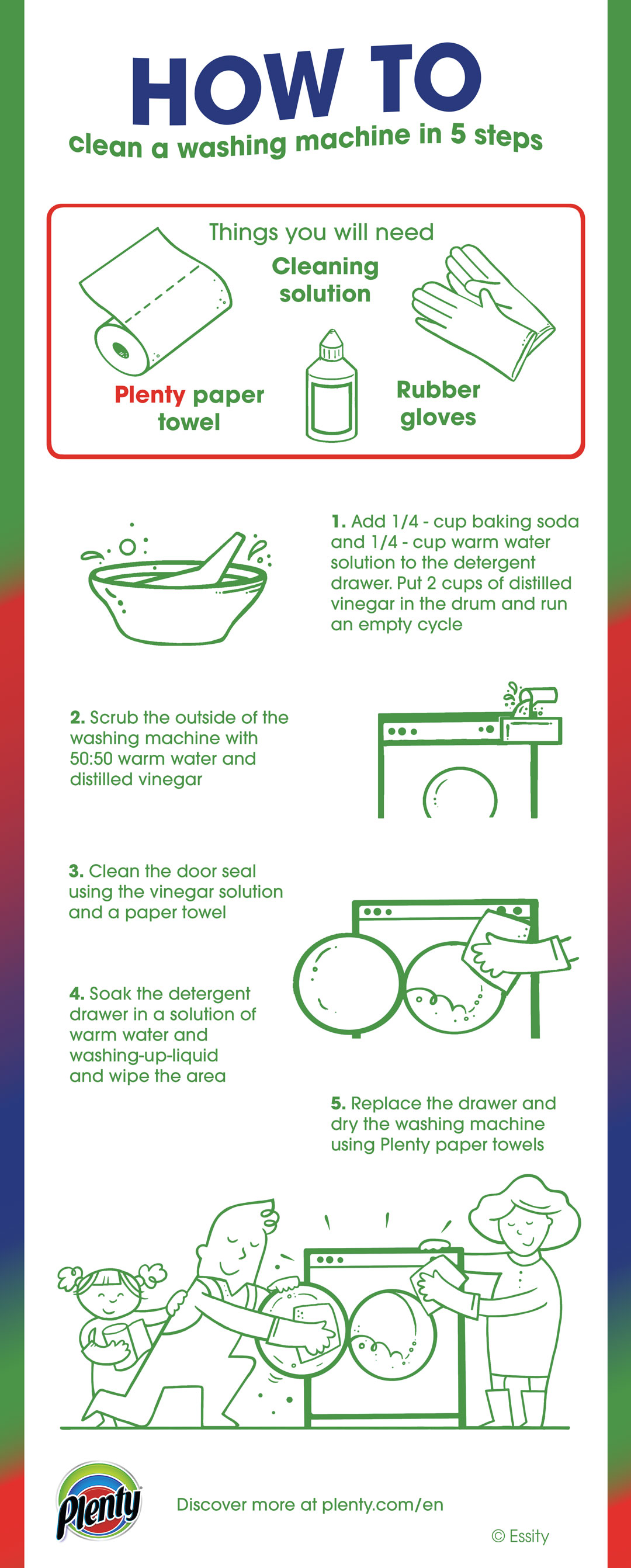
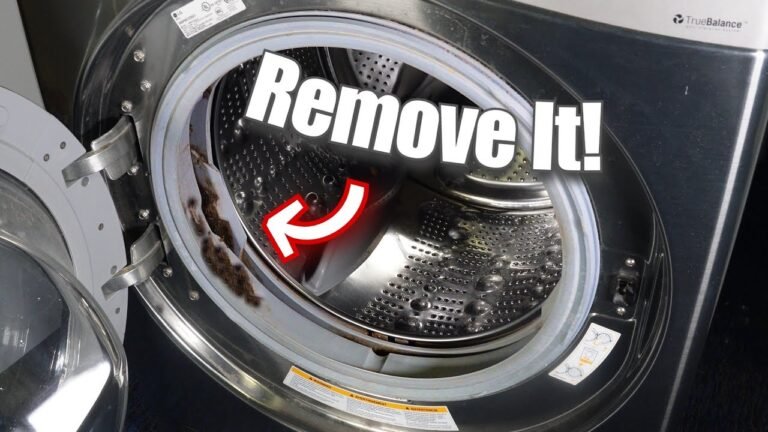
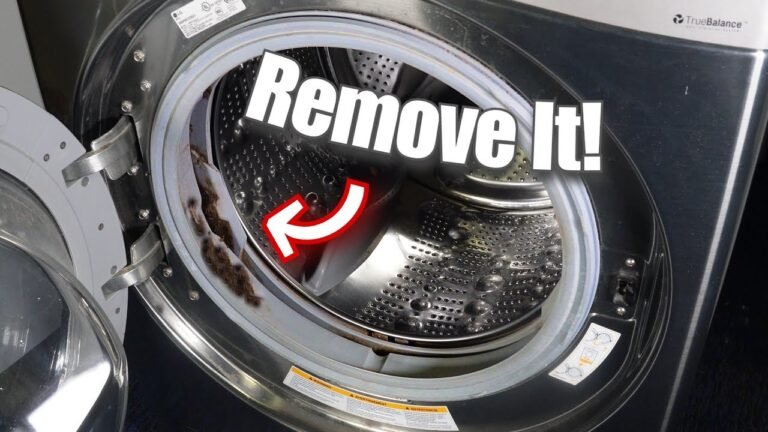
Front-loaders. They trap water. They get moldy. Especially the gasket. That rubber seal? Prime real estate for black mold. After the vinegar/baking soda cycle, you gotta hit that gasket. Mix one part bleach to ten parts water. Wear gloves. Wipe it down THOROUGHLY. Get into every crease. Then, take a clean rag and wipe with plain water. Rinse and repeat if necessary. Don’t be shy. That stuff ain’t pretty.
The detergent drawer. Another cesspool. Pull it out if you can. Soak it in hot, soapy water. Scrub it with an old toothbrush. Rinse. Dry. Put it back. Honestly, it’s gross. But necessary. This is how you actually keep a machine clean. Not with some fairy dust.
Top-Loader Tactics: Simpler, But Still Dirty
Top-loaders are easier. Less hiding places for the funk. But they still need the vinegar and baking soda treatment. After you dump the ingredients, run that hot cycle. The key here is the hot water. High temps kill more than lukewarm nonsense. If your machine has an agitator, great. Let it churn. If it’s HE, it’ll still work. Just gotta trust the process. And the numbers. Two cups vinegar, one cup baking soda for top-loaders. Simple math.
When to Nuke It (Or Just Replace It)

Sometimes, no amount of vinegar or baking soda will fix a truly neglected machine. If you’ve got persistent smells, even after a deep clean? If the mold is just… everywhere? You might have a bigger problem. Could be the pump. Could be the hoses. Could be you just bought a lemon.
I had a GE model back in 2015. Cost me $700. Smelled like a gym sock after a marathon, no matter what I did. Ran vinegar. Baking soda. Bleach cycles. Nothing. Turned out the internal tub seal was compromised. Water was seeping where it shouldn’t. Mechanic quoted me $400 to fix. I laughed. Bought a new one. Sometimes, the ‘how much vinegar and baking soda’ question has a grim answer: not enough, because the machine’s already toast.
The Infamous “Agitator” Vs. “Impeller” Debate
Top-loaders ain’t all the same. You got the old-school agitator. That’s the tall pole in the middle. Then you got the newer impeller. That’s a low-profile disc at the bottom. The agitator cleans better, honestly. More friction. More movement. The impeller? It’s gentler. Saves space. But it can let more gunk accumulate underneath. So, if you have an impeller, pay extra attention to that hot water cycle. Let it run its course. Don’t short-change it.
Frequency: How Often Should You Really Clean It?
Quarterly. Four times a year. Mark it on your calendar. January 1st. April 1st. July 1st. October 1st. That’s the baseline. If you’re washing muddy work clothes, gym gear that’s… potent, or if you’ve got a gaggle of kids? Bump it up. Monthly. Or even bi-weekly if you’re brave. The thing is, a clean washer means cleaner clothes. Smarter people know this. The rest just keep wearing funk.
What NOT To Do. Seriously.
Don’t mix vinegar and bleach directly. You get chlorine gas. Nasty stuff. Dangerous. Stick to separate cycles or separate cleanings. Don’t use powdered detergent in the main wash cycle for cleaning. It won’t dissolve properly and just adds to the gunk. Use liquid vinegar. Use powdered baking soda. Keep it simple. Keep it effective.
The Gasket Guru: Front-Loader’s Achilles’ Heel
Let’s talk about that rubber gasket again. It’s the Bermuda Triangle of your washing machine. Lint. Hair. Loose change. Actual mold. It all collects there. You gotta inspect it. Every. Single. Wash. After the cycle, pull it back. Wipe it dry with a microfiber cloth. A good quality one. Not that cheap dollar store junk. This prevents moisture buildup. It stops mold before it starts. Think of it as preventative maintenance. Costs nothing but a minute of your time. A minute you should be willing to spend if you don’t want your clothes smelling like a damp basement.

The Drum’s Ier Workings: Beyond the Visible
You see the drum. Shiny. Stainless steel. Looks clean. But what about behind it? What about the hoses? The pump? Over time, residue builds up. Especially if you use too much detergent. Or the wrong kind. High-efficiency (HE) machines need HE detergent. Using regular detergent in an HE machine creates excessive suds. Those suds trap dirt. They don’t rinse away properly. They become part of the problem. So, use the right detergent. And use the right amount. Less is more. Seriously.
Baking Soda Box vs. Liquid: Which Is Better?
For cleaning, the standard box of baking soda is fine. The granules provide a mild abrasive action. They help scrub away buildup when combined with the water and vinegar. Liquid baking soda isn’t really a thing for household cleaning. Stick to the powder. It’s cheap. It’s effective. It’s readily available. Don’t overthink it. It’s baking soda. It’s not rocket science. It’s pantry science.
Vinegar’s Acidity: The Good, The Bad, The Ugly
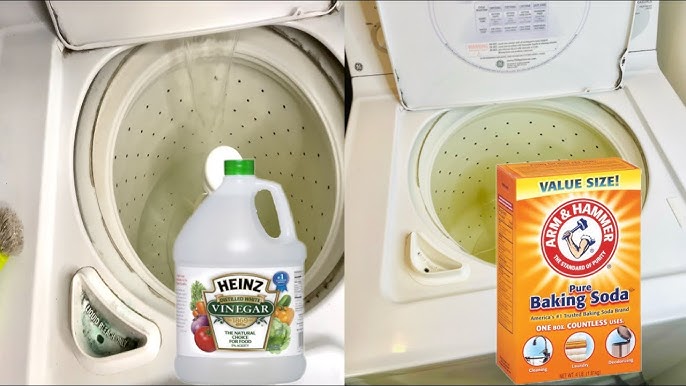
White distilled vinegar is your friend here. Around 5% acidity. Perfect for cutting through grime without being too harsh on the machine’s components. Avoid apple cider vinegar or fancy balsamic. They can leave stains or residues. Stick to the cheap stuff. The clear stuff. It’s designed for cleaning. Not for salad dressing. The acidity is key. It breaks down mineral deposits and soap scum. Those are the main culprits behind the funk. Without that acidity, you’re just adding water to the problem.
A Quick Cost-Benefit Analysis (Because We’re Adults)
A gallon of white vinegar? Usually under $4. A box of baking soda? Less than $2. So, a thorough cleaning costs you maybe $2-$3. Compare that to a professional appliance technician? We’re talking $100-$200 just for a call-out fee. Then parts and labor. You’re looking at $500+ easily. Or a new washing machine? $500 to $1500+. Spending $6 a quarter to maintain a $1000 appliance? That’s not just smart. That’s practically genius. The ROI is insane. You save money. You save hassle. You get cleaner clothes. It’s a no-brainer.
The Smell Test: Trust Your Nose
Ultimately, the best indicator is your nose. If your clothes come out of the washer smelling… off? Musty? Like a wet dog after a rainstorm? Your washer needs cleaning. Don’t ignore it. That smell isn’t just a smell. It’s a sign of bacterial growth. It’s a warning. Address it. The vinegar and baking soda method is your first line of defense. It’s effective, it’s cheap, and it works. But you gotta use the right amounts. Follow the numbers. Don’t guess.
Table: Vinegar & Baking Soda Cleaning Ratios
| Machine Type | White Vinegar | Baking Soda | Cycle Recommendation |
|---|---|---|---|
| Top-Loader (Standard) | 2 Cups | 1 Cup | Hot Water, Longest Cycle |
| Front-Loader | 1 Cup (in dispenser) | 1/2 Cup (around drum) | Hot Water, Longest Cycle |
Final Thoughts: Stop Being Lazy
Seriously. How much vinegar and baking soda to clean washing machine? Enough. Enough to actually do something. Stop reading fluff pieces that tell you to use a tablespoon. They’re lying. Or they’re clueless. This isn’t about a delicate spa treatment for your machine. It’s about a deep, dirty clean. Get the numbers right. Do it regularly. Your clothes – and your nose – will thank you. Now go clean your damn washer.
Frequently Asked Questions
How much vinegar to put in your washing machine to clean it?
For a standard top-loading washing machine, use two cups of white vinegar poured directly into the drum. For a front-loading machine, use one cup of white vinegar and pour it into the detergent dispenser. Always use plain white distilled vinegar (5% acidity).
What’s the best way to clean the washing machine gasket?
The rubber gasket on front-loaders is a mold magnet. Mix one part bleach to ten parts water. Wear gloves and use a cloth or sponge to thoroughly wipe down the gasket, getting into all the folds and crevices. Follow up by wiping with a clean, damp cloth to rinse. Dry it completely afterward.
Can I use essential oils with vinegar and baking soda?
While some people like to add a few drops of essential oil (like tea tree or lemon) for scent, it’s generally not recommended for the cleaning cycle itself. Essential oils can sometimes leave residue or interact unexpectedly with the cleaning agents. It’s best to stick to the proven vinegar and baking soda method for the actual cleaning process and add scents later, if desired, to the rinse cycle or the clean machine itself.
How often should I perform this deep cleaning?
Perform this deep cleaning process at least once every three months (quarterly). If you notice persistent odors, wash heavily soiled items frequently, or have pets and children, consider increasing the frequency to once a month.
What if the smell doesn’t go away after cleaning?
If the musty smell persists even after a thorough cleaning with the recommended amounts of vinegar and baking soda, it might indicate a deeper issue. This could include mold growth in internal components like hoses or the pump, or a mechanical problem with the machine. In such cases, it might be time to consult an appliance repair technician or consider replacing the washing machine.