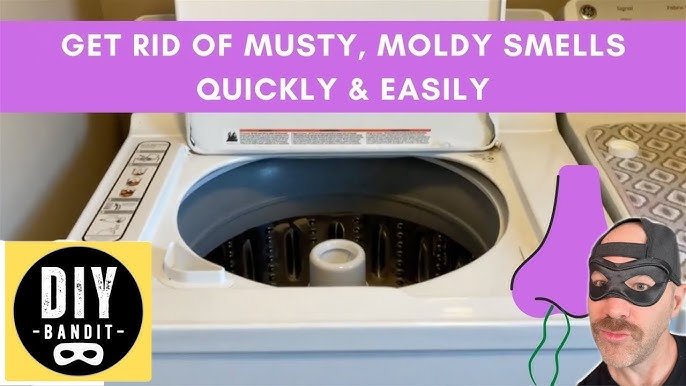
How Much Bleach To Clean Washing Machine
Stop the Stink. The Washing Machine’s a Biohazard.
Yeah, you heard me. That glorified plastic tub? It’s a breeding ground for funk. Mold. Mildew. Bacteria. The whole rotten crew. And you’re washing your clothes in that? Gross. Honestly, most people just shove it. Ignore the smells. Let the grime build. Big mistake. Huge. This ain’t about making your machine smell like a rose garden; it’s about stopping it from smelling like a decomposing swamp. You waa know how much bleach to clean washing machine? Listen up.

The Bleach Question: Why It Matters
Look, bleach is nasty stuff. Powerful. Kills most things. That’s the point. It nukes the microscopic nasties hiding in your washer’s guts. But too much? You’ll wreck the rubber seals. The plastic. The hoses. Too little? You’re just playing dress-up with the funk. We gotta hit that sweet spot. The Goldilocks zone of germ-killing power without the structural damage. The thing is, people get this wrong. Constantly.

My Own Damn Washer Story
I remember this one time, back in ’09, my old Maytag started sounding like a jet engine taking off. Smelled like wet dog mixed with old gym socks. My wife, bless her naive heart, kept throwing in fabric softener. Made it worse. Much worse. We finally called a repair guy. He opens the front loader, and I swear, a cloud of black mold puffed out. He just shook his head. Said, ‘You let this go too long. Bleach. Shoulda used bleach. A decent amount.’ That was lesson one.
How Much Bleach? The Nitty-Gritty Numbers
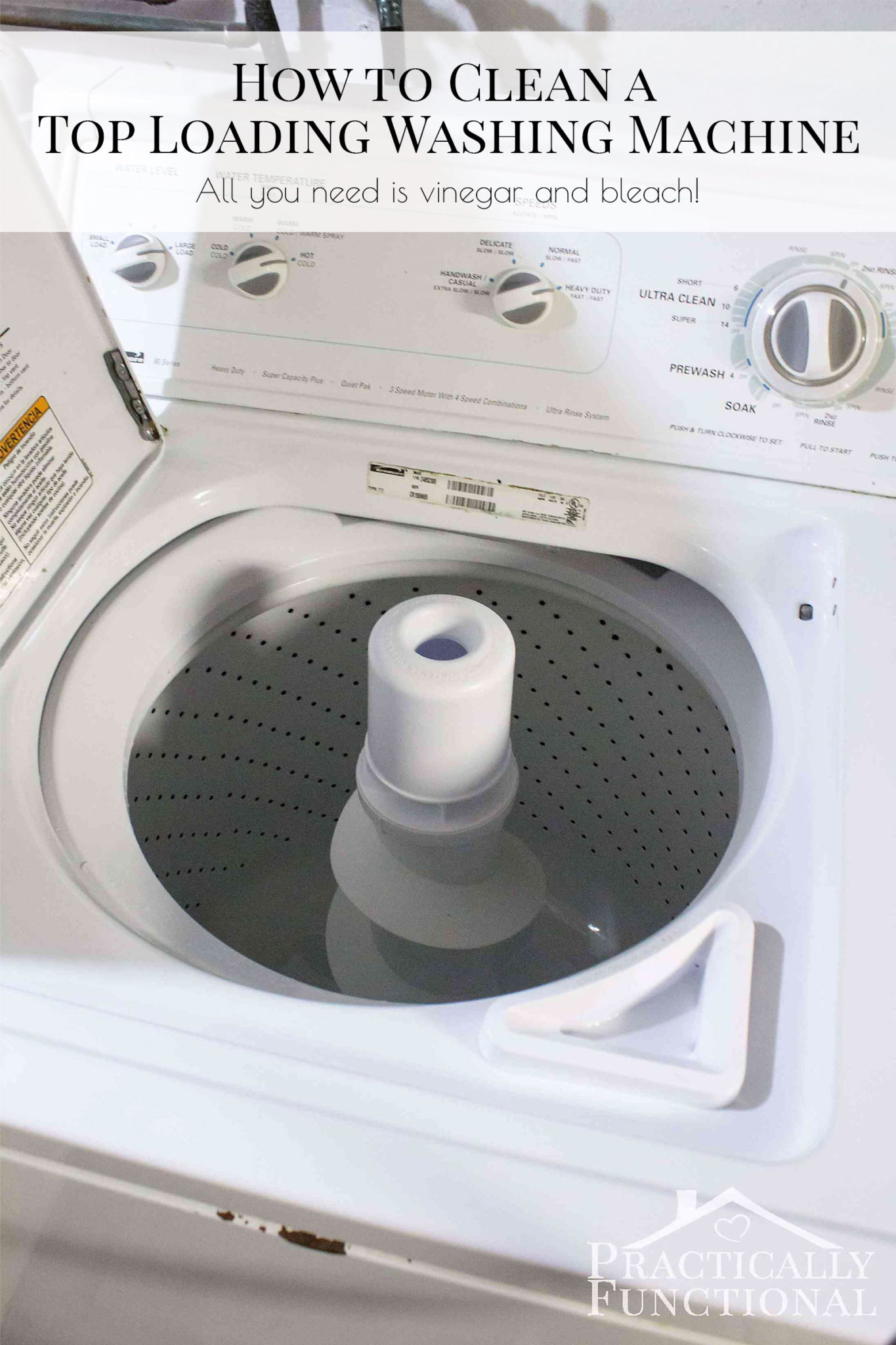
Okay, here’s the deal. For a standard top-loading washing machine, you’re looking at about 1 cup of chlorine bleach. Not the fancy scented stuff. Regular, plain old chlorine bleach. For a front-loader? Dial it back. Half a cup is usually plenty. This ain’t rocket science, but it’s gotta be done right. Get this wrong, and you’re either not cleaning enough or you’re turning your washer into a chemical wasteland.
The Bleach Application Process: Step-by-Step Madness
Step 1: Empty the Machine. Duh.
Seriously. Don’t be that guy. Clothes in? Bleach goes on the clothes. Wrong. Machine empty. Completely. No stray socks hiding in the drum. Make sure the drum is dry-ish. Then we can proceed.
Step 2: Bleach in the Right Place
For top-loaders, pour the bleach directly into the bleach dispenser. If you don’t have one? Add it to the drum before you start the cycle. Let it mix with the water. For front-loaders, use the designated bleach dispenser. Most have one. If yours doesn’t? You’re probably buying a new machine soon anyway. Just add it to the main wash compartment, but do it after the water starts filling.
Step 3: The Hot Water, Heavy Duty Cycle
This is crucial. You need the hottest water setting your machine has. And the longest cycle. Heavy Duty. Extra Rinse. Whatever makes it work the hardest. The hot water opens up the pores of the grime. The long cycle lets the bleach do its damn job. Let it run its course. Don’t interrupt it. Let the machine churn and churn.
Step 4: The Second Rinse (Optional, But Recommended)
Once the first cycle is done, run another rinse cycle. Plain water. This is to get any residual bleach out. You don’t want your next load of whites smelling like a swimming pool.
Step 5: Wipe Down the Guts
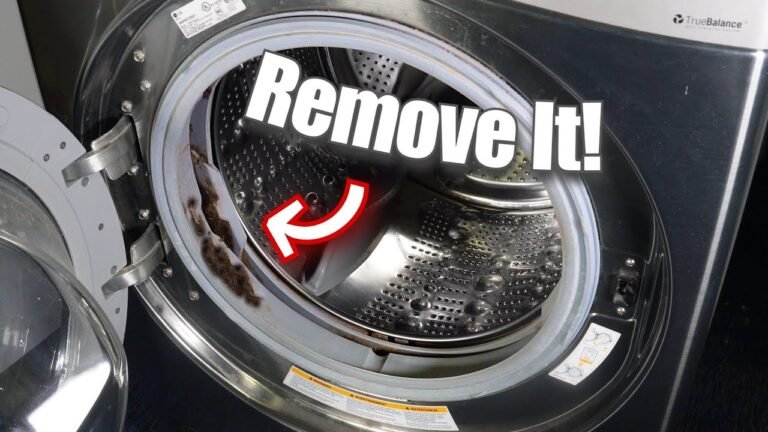
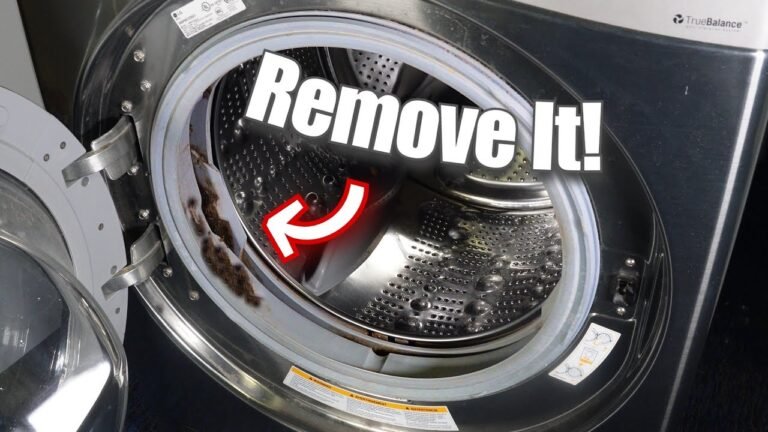
Now, the part everyone skips. Get a rag. Dip it in a little more bleach solution – maybe a tablespoon of bleach to a quart of water. Or just use a diluted bleach wipe. Wipe down the inside of the drum. The door seal. Especially the rubber gasket on front-loaders. That’s where the real funk lives. Get into those folds. Get it clean. Wear gloves. This stuff is caustic.
Step 6: Clean the Dispensers
Pull out the detergent and fabric softener drawers. Soak them in hot, soapy water. Scrub them clean. Use an old toothbrush for the nooks and craies. Rinse them thoroughly. Dry them. Put them back. Don’t just rinse them under the tap. Scrub ’em.
Vinegar vs. Bleach: The Eternal Debate
People swear by vinegar. ‘It’s natural!’ they cry. ‘It cleans!’ To be fair, vinegar can help break down some mineral deposits. It’s acidic. But for killing mold and bacteria? Bleach wins. Hands down. You can use vinegar after the bleach cycle for an extra deodorizing blast, but don’t confuse the two. Vinegar isn’t a sanitizer like bleach is. Never mix bleach and vinegar. That’s how you make toxic gas. And nobody wants that. I saw a guy on YouTube mix them. Big mistake. His whole kitchen filled with fumes. Almost passed out. Stick to bleach for the heavy lifting.
Frequency: How Often Should You Bleach?
If your machine is actively stinking, do this bleach clean immediately. Then, aim for a deep clean like this every 3-4 months. If you do a lot of laundry, or you wash sweaty gym clothes constantly, maybe even every 2 months. Prevention is key. Don’t let it get that bad. It’s cheaper and easier in the long run.
Table: Bleach Dosage Guide
| Machine Type | Bleach Amount | Cycle Type |
|---|---|---|
| Top-Loader (Standard) | 1 cup (8 oz) | Hot Water, Heavy Duty |
| Front-Loader (Standard) | 1/2 cup (4 oz) | Hot Water, Heavy Duty |
| High-Efficiency (HE) Models | 1/4 cup (2 oz) | Hot Water, Longest Cycle |
Note: Always use plain chlorine bleach. Check your machine’s manual for specific recommendations if you’re unsure. Especially with HE machines; they’re finicky.
Troubleshooting: When Bleach Isn’t Enough
Sometimes, you’ve got stubborn black mold. It’s deep in the hoses. Or inside the drum mechanism. Bleach might not cut it. You might need a dedicated washing machine cleaner. These are often enzyme-based or contain stronger agents. Follow their instructions to the letter. Or, if it’s really bad, call a pro. They have specialized tools. But honestly, regular bleach cleaning should prevent this level of disaster.
My Other Washer Horror Story
My neighbor, a real ‘do-it-yourselfer,’ decided to ‘clean’ his washer by pouring in a whole gallon of bleach. Said he wanted to ‘really get it clean.’ He ran it on a quick wash. Smoke started coming out of the vent. Smelled like burnt plastic and ammonia. The machine died. Right there. Kaput. Cost him $700 for a new one. The thing is, you gotta respect the chemicals. And the machines. Too much of a good thing? Disaster.
Preventing the Funk: Daily Habits
Leave the Door Ajar
This is rule number one. Always leave the washing machine door open after use. Especially front-loaders. Let it air out. Humidity is mold’s best friend. You want dryness. Always. Crack that door.
Wipe Down the Seals
Quick wipe after every few washes. Especially the gasket on front-loaders. Just a quick swipe with a dry cloth. It takes 30 seconds. It stops a world of pain later.
Use the Right Detergent
Too much detergent? It builds up. Creates scum. That scum feeds mold. Use High-Efficiency (HE) detergent for HE machines. And use only what’s recommended. Don’t eyeball it.
Remove Wet Clothes Promptly
Don’t let damp clothes sit in the washer. They fester. They create that lovely mildew smell that permeates everything. Get them out. Put them in the dryer. Or hang them up.
Final Thoughts: Just Do It
Look, cleaning your washing machine with bleach isn’t rocket science. But it requires attention. The right amount. The right cycle. The right frequency. Get it wrong, and you’re just pushing dirt around or destroying your appliance. Stick to the guidelines. 1 cup for top-loaders, half a cup for front-loaders. Hot water. Heavy cycle. Then wipe it down. It’s not glamorous, but it’s necessary. Your clothes, and your nose, will thank you. And you won’t have to explain to a repairman why your washer smells like a forgotten science experiment.
Frequently Asked Questions
How do I deep clean my washing machine?
A deep clean typically involves ruing a hot, heavy-duty cycle with a specific cleaning agent. For most machines, how much bleach to clean washing machine is the key question. Use 1 cup of chlorine bleach for top-loaders or 1/2 cup for front-loaders, poured directly into the drum or dispenser. After the cycle, wipe down the drum, seals, and dispensers thoroughly with a diluted bleach solution or a dedicated cleaner. For a non-bleach deep clean, use a commercial washing machine cleaner following product instructions, or run a cycle with hot water and vinegar (never mix bleach and vinegar).
How to sanitize your washing machine?
Sanitizing involves killing bacteria and mold spores. The most effective way is using chlorine bleach. Follow the dosage guidelines: 1 cup for top-loaders, 1/2 cup for front-loaders, using the hottest water and longest cycle available. Ensure the machine is empty. After the cycle, a thorough wipe-down of all internal surfaces, especially the rubber gasket on front-loaders, helps remove any remaining contaminants and prevent re-growth.
Can I use powdered bleach to clean my washing machine?
Powdered bleach can be used, but it’s generally less effective for cleaning washing machine interiors than liquid chlorine bleach. Liquid bleach dissolves easily and distributes more evenly in the water. If you use powdered bleach, make sure it’s fully dissolved in water before adding it to the machine to avoid residue and uneven cleaning. Follow the same dosage ratios as liquid bleach, but always check the product instructions.
What if my washing machine still smells after cleaning?
If the smell persists after a proper bleach cleaning, the issue might be deeper within the machine’s hoses or internal components. Try ruing another cleaning cycle with a commercial washing machine cleaner specifically designed for tough odors. Check the drain pump filter, as trapped lint and debris can cause persistent smells. In severe cases, professional servicing might be needed to address mold or gunk in inaccessible areas.
How often should I use bleach to clean my washing machine?
For regular maintenance, cleaning your washing machine with bleach every 3 to 4 months is generally recommended. If you frequently wash heavily soiled items, gym clothes, or notice a mild odor developing, you might want to clean it every 2 months. Overuse of bleach can degrade rubber and plastic parts over time, so find a balance between thorough cleaning and appliance longevity.