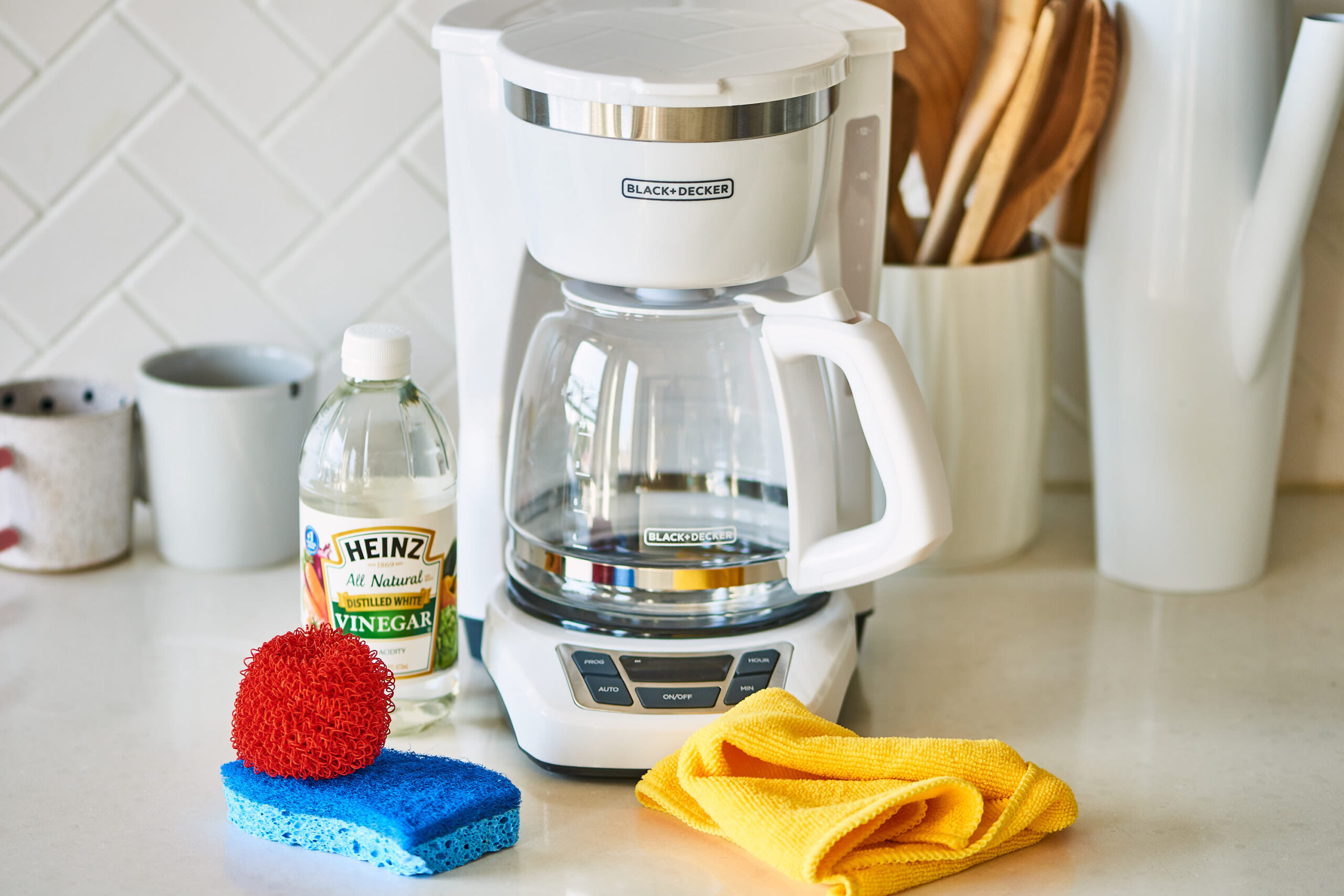
Don’t Be That Guy. Clean Your Damn Coffee Machine.
Look, honestly, if you’re asking how much vinegar to clean coffee machine, you’re probably part of the problem. You drink that brown sludge every morning, don’t you? You think it just magically tastes okay? It doesn’t. It tastes like regret and old peies. The machine’s clogged. It’s gritty. It’s a biohazard.
The thing is, most people don’t think about cleaning their coffee maker. Ever. They just refill the water, dump in more grounds, and hope for the best. It’s gross. And it affects the taste. Badly.
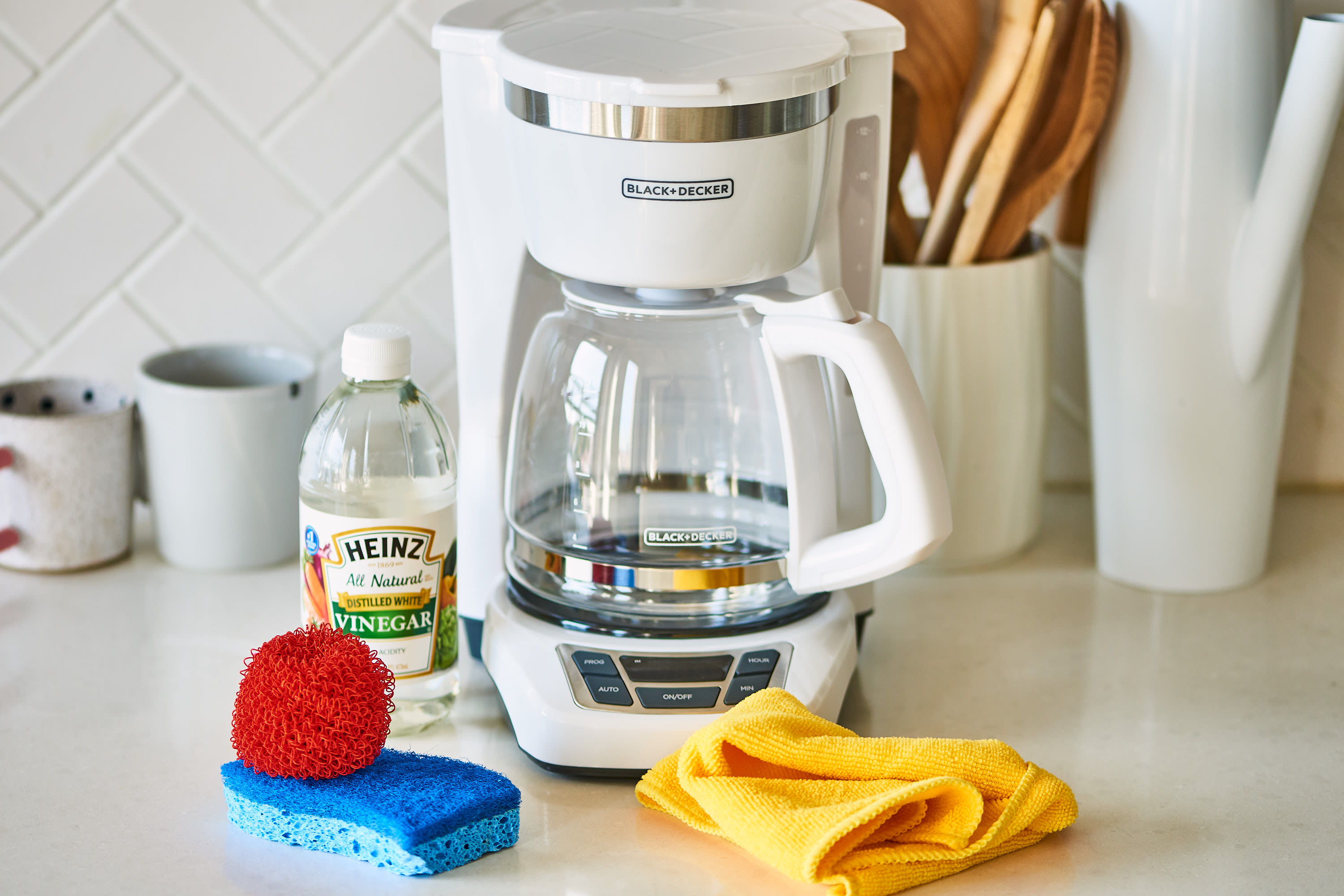
I remember a buddy, right? Gary. Always complaining about his coffee tasting ‘off’. Offered him some of mine. He took one sip, made a face like he’d licked a battery. Turns out his machine hadn’t seen a descaling in, like, five years. Maybe more. It was a coffee-flavored science experiment gone wrong.
We’re talking mineral buildup. Scale. That’s what’s in there. It’s not just making your coffee taste bad, it’s choking the heating element. Reducing its efficiency. Making it work harder. And eventually? It breaks. Then you’re buying a new one. For nothing.
So, how much vinegar? It’s not rocket science. But it’s also not ‘pour the whole bottle in and hope for a miracle.’ That’s just… wasteful. And potentially damaging.
The Real Deal: Vinegar Ratios. No Fluff.
Why Vinegar? It’s Not Magic, It’s Chemistry.
Vinegar works because it’s acidic. Acetic acid, specifically. That acid eats away at the calcium and magnesium deposits – the ‘scale’ – that build up from your tap water. Think of it like a tiny, cheap, edible sandblaster.

Other cleaners? Sure, some exist. But vinegar is cheap. It’s readily available. And most importantly, for the average home user? It’s effective enough. You don’t need some fancy, overpriced descaling solution that promises the world and delivers… well, probably less than vinegar.

The Standard Mix: Straightforward and Effective.
Here’s the kicker, the actual answer you came for. The standard, no-bullshit ratio for cleaning your coffee machine is 50/50 vinegar and water. That’s it.
So, if your coffee machine reservoir holds 10 cups, you use 5 cups of white vinegar and 5 cups of water. Simple. Easy. Don’t overthink it.
What Kind of Vinegar? Don’t Get Cute.
White distilled vinegar. That’s your only option. No apple cider vinegar. No balsamic. No fancy red wine vinegar. They’ll leave residues. They’ll make your coffee taste like a salad dressing. Stick to the clear stuff. It’s cheap. It works.
My Machine’s a Disaster. More Vinegar?
Look, if your machine is truly ancient and caked with gunk, you might consider a slightly stronger mix. Maybe 60/40 vinegar to water. But honestly? It’s probably better to run a full 50/50 cycle, rinse thoroughly, and then maybe do a second 50/50 cycle. Going too strong with the vinegar can sometimes… I don’t know, make things worse? Degrease seals too much. I’ve seen it happen.
My Experience: Gary’s Second Chance.
So Gary, after his initial coffee-shock, finally agreed to clean his machine. We grabbed a bottle of cheap white vinegar. Measured out 50/50. Ran the cycle. The smell? Awful. Like a pickle factory exploded. But he powered through.
He ran two plain water cycles after. Then he brewed a pot. The difference? Night and day. He actually tasted the coffee. Said it was ‘pretty good’. High praise from Gary. The machine? It ran smoother. Quieter. Like it could breathe again.
The Actual Process. Stop Messing It Up.
Step 1: Empty the Damn Thing.
Get rid of any old coffee grounds. Rinse the filter basket. Get rid of any stale water in the reservoir. Start with a clean slate. Duh.
Step 2: The Vinegar Mix. 50/50. Remember?
Measure your water reservoir capacity. Divide by two. That’s your vinegar amount. Fill the rest with water. Pour it in. Simple.
Step 3: Run a Brew Cycle. Partially.
Turn the machine on. Let about half the vinegar solution brew through. Then, turn the machine OFF. Let it sit. For at least 30 minutes. An hour is better. This gives the vinegar time to work its magic. To soak into the gunk. To dissolve the scale.
Step 4: Finish the Cycle.
Turn the machine back on. Let the rest of the vinegar solution brew through. Once it’s done, discard the hot vinegar water. Careful, it’s hot. Don’t burn yourself, genius.
Step 5: Rinse. Rinse. Rinse.
This is crucial. You do NOT want your next cup of coffee tasting like a salad. Fill the reservoir with fresh, plain water. Run a full brew cycle. Discard the water.
Repeat this plain water rinse cycle at least two more times. Three total is a good minimum. Four is better if you’re paranoid. Seriously, nobody wants vinegary coffee.
Step 6: Clean the Removable Parts.
While the machine is rinsing, wash the carafe, the filter basket, and any other removable parts with warm, soapy water. Rinse them well. Dry them off.
Special Cases: Pod Machines and Other Horrors.
Single-Serve Machines (Keurig, Nespresso, etc.)
These are often worse. They get clogged up fast. The process is similar, but slightly different.
How Much Vinegar To Clean Coffee Machine like a Keurig? Same 50/50 mix. Pour it into the reservoir. Run a brew cycle WITHOUT a pod.
Then, run a brew cycle with just water. Repeat the water rinse cycles. You might need to descale these more often. The internal pathways are tighter.
Drip Coffee Makers vs. Pod Machines
Drip machines are generally more forgiving. Easier to access. Easier to clean. Pod machines? They’re designed for convenience, not maintainability. The vinegar mix still applies, but the rinsing might need to be more aggressive. Honestly, I’ve seen pod machines fail faster than drip ones, regardless of cleaning.
Common Mistakes. Stop Making Them.
Mistake 1: Not Rinsing Enough.
I said it already. I’ll say it again. Rinse. Until you’re sick of it. Then rinse some more. Nobody likes vinegary coffee. It’s the worst.
Mistake 2: Using the Wrong Vinegar.
White distilled. Only. Anything else is just asking for trouble. And weird tasting coffee.
Mistake 3: Not Ruing the Full Cycle.
Letting it sit is good. But you gotta run the whole thing through. Twice. The initial half-cycle soak is for loosening. The second half is for flushing.
Mistake 4: Forgetting About the Outside.
Wipe down the exterior. Clean the warming plate. It gets coffee splatters too. It’s not just the inside that matters.
The Scale of the Problem: How Often Should You Do This?
Frequency Based on Water Hardness
This is key. You live in a hard water area? You’ll need to descale more often. Like, monthly. Maybe even every two weeks if you’re using it daily.
Soft water? You might get away with every 3-4 months. But honestly, even then, monthly is a good habit. Prevents the big problems.
Frequency Based on Usage
Making one pot a day? Less frequent than someone brewing three pots before 9 AM. Simple math.
My Personal Schedule: Diligence Pays Off.
I run a 50/50 vinegar cycle on my main drip machine every first Sunday of the month. Religiously. It takes maybe 45 minutes total. The coffee tastes better. The machine lasts longer. It’s a no-brainer.
When Vinegar Isn’t Enough: The Big Guns.
Commercial Descaling Solutions
These are formulated specifically for coffee machines. They often work faster and might be better for very stubborn scale. Follow the product instructions precisely. Some are citric acid based, others are different chemicals.
The cost? Usually higher than vinegar. A good commercial descaler might run you $10-$20. Vinegar is like, $3 a gallon. For that price difference, vinegar is usually the first line of defense.
My Old Espresso Machine Saga
I had this semi-pro espresso machine back in 2018. Cost me nearly $800. The manual insisted on a specific descaling solution. Not vinegar. Apparently, the high pressure and delicate components didn’t mix well with acetic acid. So, I used the recommended stuff. Cost me $15 a bottle. But that machine? It ran like a dream for years. The thing is, know your machine. Read the manual. Don’t be stupid.
When to Call a Pro (Or Just Buy a New One)
If your machine is making truly bizarre noises, leaking profusely, or just won’t heat up after descaling? It might be dead. Or seriously damaged. Vinegar can’t fix everything. Sometimes, it’s time to cut your losses. A decent new drip machine is $30-$50. Fancy pod machines? $100+. Espresso? Thousands. Figure out the cost/benefit.
The Tangible Results: What You’re Actually Gaining.
Better Tasting Coffee. Obviously.
This is the main event. Cleaner machine = cleaner coffee. No more bitter, stale, mineral-y aftertaste. You’ll actually taste the beans.
Extended Machine Lifespan.
Scale is like cholesterol for your coffee maker. It builds up, restricts flow, causes stress. Removing it lets the machine operate as intended. Less strain means it lasts longer. Simple economics.
Improved Efficiency. Lower Energy Bills?
A descaled heating element works more efficiently. It heats water faster. Uses less electricity. Might not be a huge saving, but hey, every little bit counts, right?
Reduced Risk of Breakdowns.
The less stressed your machine is, the less likely it is to just… die. Especially during that crucial morning brew. Nothing worse than a dead coffee maker at 7 AM.
A Table of Trash: Coffee Machine Cleaning Frequencies
| Machine Type | Water Hardness | Recommended Frequency | Notes |
|---|---|---|---|
| Drip Coffee Maker | Hard | Monthly | Daily use warrants closer attention. |
| Drip Coffee Maker | Soft | Every 3-4 Months | Monthly is still a good habit. |
| Single-Serve (Pod) Machine | Hard | Every 2-3 Weeks | Internal passages clog faster. |
| Single-Serve (Pod) Machine | Soft | Monthly | Rinse cycles are critical. |
| Espresso Machine (Home) | Varies | Check Manual | Use manufacturer-recommended descaler. |
Final Thoughts: Just Do It.
So, how much vinegar to clean coffee machine? 50/50. White distilled vinegar. Water. That’s the core. The rest is just technique and frequency.
Don’t let your coffee maker become a science project. A few minutes every month keeps the gunk at bay. Keeps your coffee tasting like coffee. And keeps your machine alive. It’s not hard. Stop making excuses. Just clean the damn thing.
Frequently Asked Questions
Can I use cleaning vinegar instead of white distilled vinegar?
Cleaning vinegar is stronger, typically 6% acetic acid versus 5% for regular white distilled vinegar. While it might work, it’s generally overkill and could potentially damage your machine’s components or seals. Stick to regular white distilled vinegar (5%) for safety and effectiveness. It’s readily available and cheap enough.
How do I know if my coffee machine needs descaling?
Signs include slower brewing times, your coffee not being as hot as usual, unusual noises during brewing, and most importantly, a noticeable difference in taste – usually more bitter or metallic. If you see visible mineral buildup around the water reservoir or heating element, that’s a dead giveaway. Honestly, monthly cleaning prevents this.
Is it okay to leave vinegar in the coffee machine overnight?
Leaving the vinegar solution in the machine for an extended soak, say 30 minutes to an hour, is beneficial. Leaving it overnight, however, is generally not recommended. Prolonged exposure to acid could potentially degrade rubber seals or plastic components within the machine, leading to premature wear or leaks. A good soak is fine; a whole night is excessive.
What happens if I don’t clean my coffee machine?
If you don’t clean your coffee machine, mineral deposits (scale) will build up inside. This restricts water flow, making brewing slower and less efficient. It can clog the heating element, causing it to fail. Bacteria and mold can also grow in the warm, moist environment, contaminating your coffee. Ultimately, your coffee will taste terrible, and the machine will likely break down sooner.
Can I use lemon juice instead of vinegar?
Lemon juice is acidic and can help with descaling, but it’s generally not as effective or as straightforward as white vinegar. It contains sugars and other compounds that can leave sticky residues, potentially attracting more bacteria. Also, the acidity level is lower and less consistent than vinegar. For a reliable, thorough clean, white distilled vinegar is the tried-and-true method. Plus, lemon juice makes your coffee taste weird.

With over 15 years of hands-on experience in the appliance repair industry, Erick Jackson is WashingMachineCare’s resident gearhead. He holds multiple manufacturer certifications and specializes in breaking down complex mechanical failures into easy, step-by-step DIY fixes. When he’s not covered in grease, Erick Jackson enjoys restoring vintage washing machines to their former glory.